Reclaiming Offline Connections: 4 Cultural Movements Fostering Real-World Engagement in 2026 US Society
In an increasingly digital world, the pendulum is beginning to swing back. While technology has undeniably brought us closer in many ways, an undeniable yearning for authentic, face-to-face interaction has grown. By 2026, this yearning has blossomed into powerful offline connection movements across US society, actively working to reclaim the richness of real-world engagement. These movements are not merely a rejection of technology, but rather a conscious effort to balance our digital lives with meaningful, tangible experiences that foster deeper community bonds and personal well-being. This article delves into four prominent cultural shifts that are redefining how Americans connect, interact, and build resilient communities in the mid-2020s.
The Rise of Hyper-Local Community Hubs
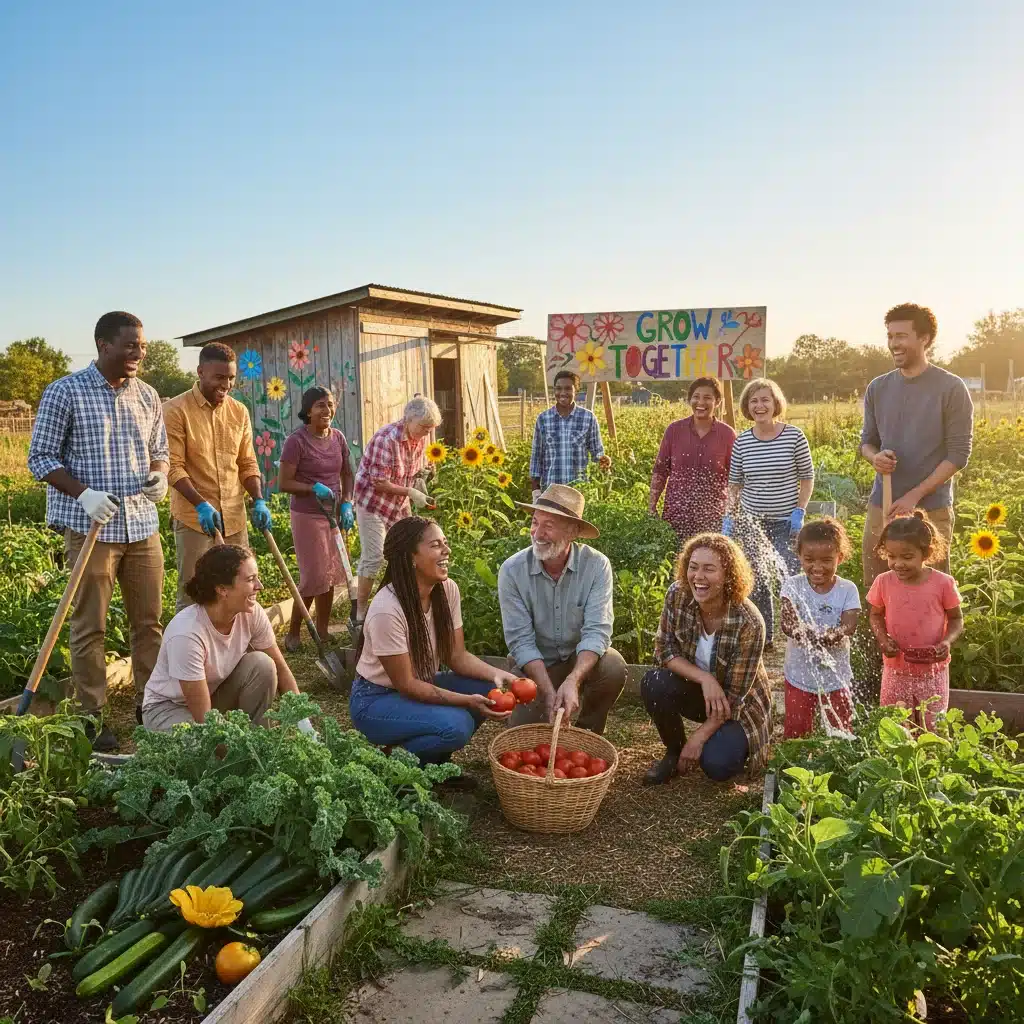
One of the most significant offline connection movements gaining traction is the proliferation of hyper-local community hubs. These are not your traditional community centers; instead, they are often citizen-led initiatives transforming disused spaces, storefronts, or even public parks into vibrant centers for local interaction. Imagine a former hardware store repurposed into a multi-functional space offering a tool library, a co-working area with a strict ‘no screens during lunch’ policy, and a weekly potluck. Or a neighborhood park that now hosts regular skill-sharing workshops, from bread-making to basic coding, all organized and taught by local residents.
The philosophy behind these hubs is simple: create accessible, inclusive spaces where people can spontaneously gather, share resources, and develop genuine relationships. They are designed to break down the anonymity that can sometimes characterize modern urban and suburban living. These hubs often prioritize activities that require physical presence and interaction, such as board game nights, book clubs focused on in-person discussion, local craft markets, and community gardening projects. The emphasis is on active participation rather than passive consumption. For instance, a ‘Repair Cafe’ movement within these hubs encourages residents to bring broken items – electronics, clothing, furniture – and learn to fix them with the help of skilled volunteers, fostering both sustainability and intergenerational connection.
The success of these hyper-local hubs lies in their grassroots nature and adaptability. They are not top-down initiatives but rather organic responses to specific community needs and desires. Funding often comes from small local grants, crowdfunding, and volunteer efforts, reinforcing the sense of collective ownership. These spaces become vital arteries in the social fabric, offering a counterbalance to the isolating effects of remote work and digital entertainment. They provide a ‘third place’ – neither home nor work – where individuals can feel a sense of belonging and contribute to their immediate surroundings. This movement is a powerful testament to the human need for tangible community and shared physical space, directly combating the digital divide by offering a compelling alternative to screen-based engagement.
The Digital Detox Movement Evolves: Intentional Disconnection Zones
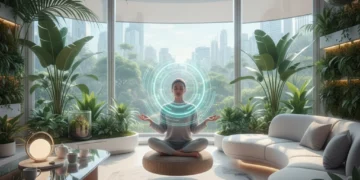
While the concept of a ‘digital detox’ isn’t new, by 2026, it has evolved from an individual practice into a societal offline connection movement, manifesting in the creation of ‘intentional disconnection zones.’ These are designated areas, both public and private, where digital devices are either discouraged or explicitly prohibited, encouraging participants to engage solely with their immediate environment and the people around them. Think of restaurants with ‘phone-free tables’ offering discounts, cafes with ‘conversation corners’ where Wi-Fi is intentionally weak, or even entire sections of public parks designated as ‘screen-free sanctuaries.’
This movement recognizes that simply putting down a phone is often not enough; the pervasive nature of digital connectivity requires environmental reinforcement. Hotels and retreat centers now offer ‘digital-free packages’ where guests surrender their devices upon arrival, providing a truly immersive experience of unplugging. Educational institutions are experimenting with ‘device-free classrooms’ and ‘tech-free study lounges’ to improve focus and facilitate peer-to-peer interaction. Even some workplaces are implementing ‘focus hours’ or ‘meeting zones’ where screens are banned, leading to more productive and engaged discussions.
The impact of intentional disconnection zones extends beyond mere absence of screens. Participants report increased mindfulness, reduced anxiety, and a greater capacity for deep conversation and active listening. These zones become incubators for genuine human connection, allowing individuals to fully occupy the present moment without the constant pull of notifications or the urge to document every experience. It’s a proactive step towards cultivating a culture where presence is prioritized over performance, and authentic interaction is valued above virtual validation. This cultural shift acknowledges the psychological and social toll of constant connectivity and offers structured opportunities for respite and reconnection, fostering stronger offline connection movements.

Revival of Participatory Arts and Crafts Guilds
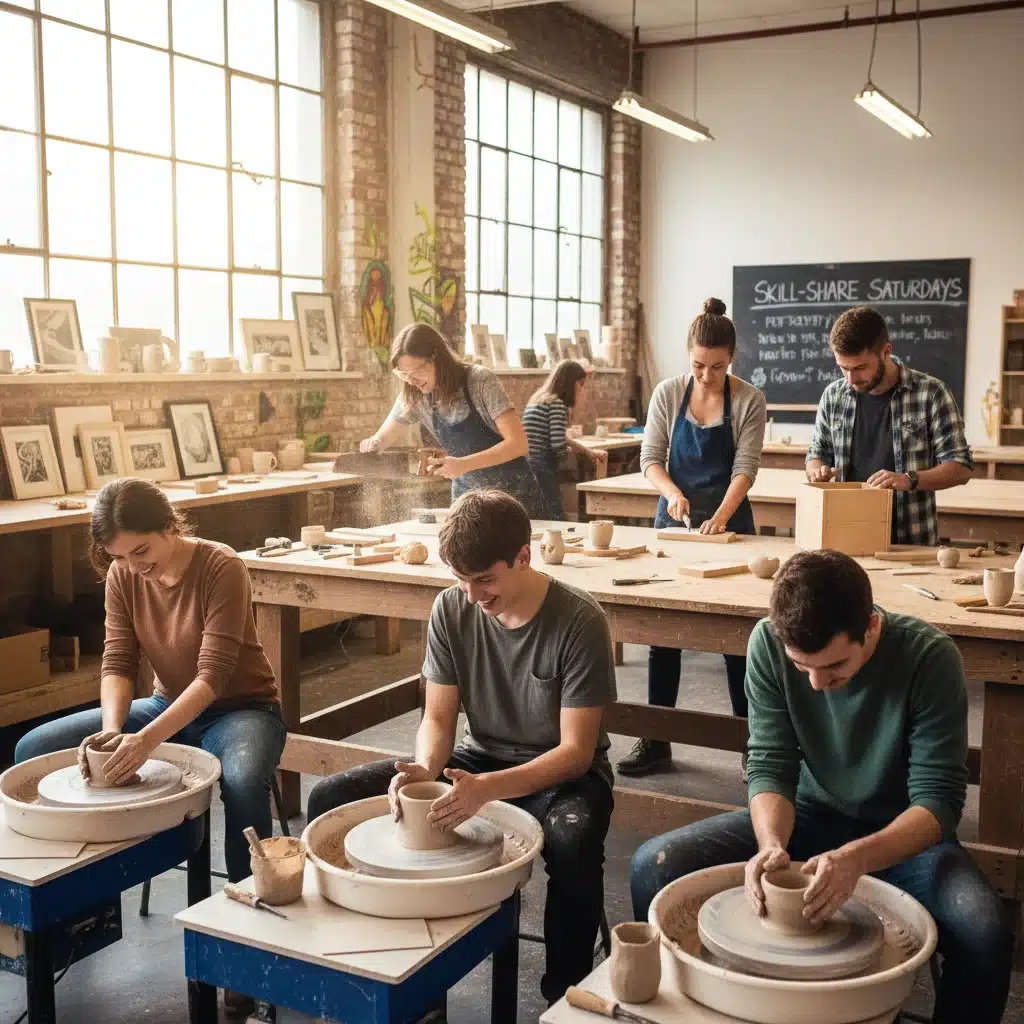
The third significant offline connection movement is the remarkable resurgence of participatory arts and crafts guilds. Moving beyond passive consumption of art, people are actively seeking hands-on creative experiences that foster skill development, collaboration, and social bonding. These aren’t just hobby classes; they are often structured as modern guilds, emphasizing mentorship, shared learning, and the creation of tangible objects within a communal setting.
From traditional crafts like pottery, weaving, and woodworking to contemporary skills such as urban farming, DIY electronics repair, and sustainable fashion design, these guilds offer a diverse range of activities. What sets them apart is their focus on collective learning and shared purpose. Members often work on community projects, such as creating public art installations, designing and building furniture for local non-profits, or collaborating on large-scale textile projects. The process of making, rather than just the finished product, becomes the primary vehicle for connection.
These guilds attract individuals from all walks of life, providing a unique space for intergenerational exchange and skill transfer. Older artisans pass down traditional techniques to younger members, who, in turn, might introduce new materials or digital design elements. This blend of old and new creates a dynamic learning environment that celebrates both heritage and innovation. The tactile nature of these activities offers a welcome respite from screen-based work, engaging different parts of the brain and providing a sense of accomplishment derived from physical creation.
The social benefits are profound. Working side-by-side on a shared project naturally leads to conversation, problem-solving, and the formation of strong bonds. Guild meetings often extend beyond the workshop, evolving into social gatherings, art critiques, and community events. This movement is a powerful antidote to the consumerist culture, emphasizing creation over consumption and community over isolation. It taps into a fundamental human desire to create, to learn, and to connect through shared endeavor, proving that the most meaningful interactions often arise from shared physical activity and purpose. These guilds are foundational to strengthening offline connection movements.
The ‘Experience Economy’ Redefined: Authentic Local Adventures
The final, but no less impactful, offline connection movement reshaping US society in 2026 is the redefinition of the ‘experience economy’ towards authentic local adventures. While travel and unique experiences have always been sought after, there’s a distinct shift away from highly curated, Instagrammable moments towards genuine, often spontaneous, local explorations that prioritize interaction with people and place over mere observation.
This means a surge in interest for walking tours led by local historians, foraging expeditions with indigenous guides, community-led street festivals, pop-up dinner parties hosted by neighborhood chefs in their homes, and volunteer tourism focused on local environmental or social causes. The emphasis is on immersion, participation, and direct engagement with the culture and community of a specific locale, rather than simply ticking off tourist attractions.
Technology plays a supportive, not dominant, role here. Apps might connect travelers with local hosts for homestays or unique experiences, but the experiences themselves are inherently offline. For example, instead of relying on a review aggregator, travelers might seek out recommendations from local community hubs or arts guilds, leading to more authentic encounters. This movement encourages people to step outside their comfort zones, interact with strangers, and discover the hidden gems of their own cities or nearby regions.
The appeal lies in the unpredictability and the potential for genuine human connection. Participants are not just passive recipients; they are active co-creators of their experiences. This can involve learning a traditional dance, helping with a local harvest, or participating in a neighborhood clean-up. These adventures often result in unexpected friendships, deeper understanding of different cultures, and a renewed appreciation for the diversity within one’s own country. By prioritizing direct human interaction and local immersion, this movement is actively fostering stronger offline connection movements, proving that the richest experiences are often found off the beaten digital path.
Navigating the Future of Connection: Balancing Digital and Real-World
While these offline connection movements represent a powerful counter-narrative to digital saturation, it’s crucial to understand that they are not about a complete rejection of technology. Rather, they advocate for a more mindful and balanced approach to how we integrate digital tools into our lives. The goal is not to eliminate screens but to ensure that digital interactions serve to enhance, rather than replace, real-world engagement. Technology, when used intentionally, can still play a role in facilitating these movements – think of platforms that help organize local events, connect volunteers with community projects, or share information about skill-sharing workshops.
The challenge and opportunity lie in finding the sweet spot where technology empowers offline connection without overshadowing it. For instance, social media groups might be used to announce a neighborhood clean-up, but the clean-up itself is a deeply physical, communal activity. Digital maps can guide you to a local artisan market, but the joy comes from browsing handmade goods and chatting with the creators in person. The distinguishing factor is the ultimate objective: is the digital tool leading to a more profound offline experience, or is it becoming the experience itself?
These movements are also a response to a growing awareness of the mental health implications of excessive screen time and social isolation. Studies continue to highlight the importance of face-to-face interaction for emotional well-being, empathy development, and overall life satisfaction. By actively participating in hyper-local hubs, intentional disconnection zones, participatory arts guilds, and authentic local adventures, individuals are consciously investing in their mental and social health, building resilience against the pressures of a fast-paced, digitally driven world.
The shift towards prioritizing offline connections also has significant implications for urban planning and community development. Cities and towns that recognize and support these movements – by providing accessible public spaces, funding grassroots initiatives, and promoting local businesses that foster interaction – will likely see more vibrant, cohesive, and resilient communities. This includes designing public spaces that encourage lingering and spontaneous interaction, rather than just transit, and supporting local businesses that serve as community anchors, like independent bookstores, cafes, and workshops.
Furthermore, these movements are fostering a renewed sense of civic engagement. When people feel more connected to their local community, they are more likely to participate in local governance, volunteer for neighborhood initiatives, and advocate for local causes. This strengthens democratic processes at the grassroots level and builds a more engaged and empowered citizenry. The collective effort involved in many of these initiatives, from organizing a community garden to setting up a repair cafe, cultivates leadership skills, problem-solving abilities, and a sense of shared responsibility.
Conclusion: A Future Rooted in Real-World Connection
The year 2026 marks a pivotal moment in US society, where the desire for genuine human interaction has catalyzed powerful offline connection movements. From the flourishing of hyper-local community hubs to the intentional embrace of digital-free zones, the revival of participatory arts guilds, and the redefinition of the experience economy, Americans are actively seeking and creating opportunities for authentic real-world engagement. These movements are not fleeting trends; they represent a fundamental recalibration of societal values, prioritizing presence, community, and tangible experiences over virtual interactions.
As we navigate a future that will undoubtedly continue to be shaped by technological advancements, the lessons learned from these movements will be invaluable. They remind us that while digital tools can connect us across distances, the deepest, most nourishing connections are often forged in shared physical spaces, through collaborative efforts, and in the quiet moments of unmediated human presence. Embracing these offline connection movements is not just about nostalgia; it’s about building a more connected, resilient, and human-centered society for the years to come. The future of connection is, paradoxically, deeply rooted in the real world.