Community Building in the Digital Age: How Americans are Connecting in 2026
Community Building in the Digital Age: How Americans are Connecting in 2026
Exploring the Evolving Landscape of Digital Connection and Belonging
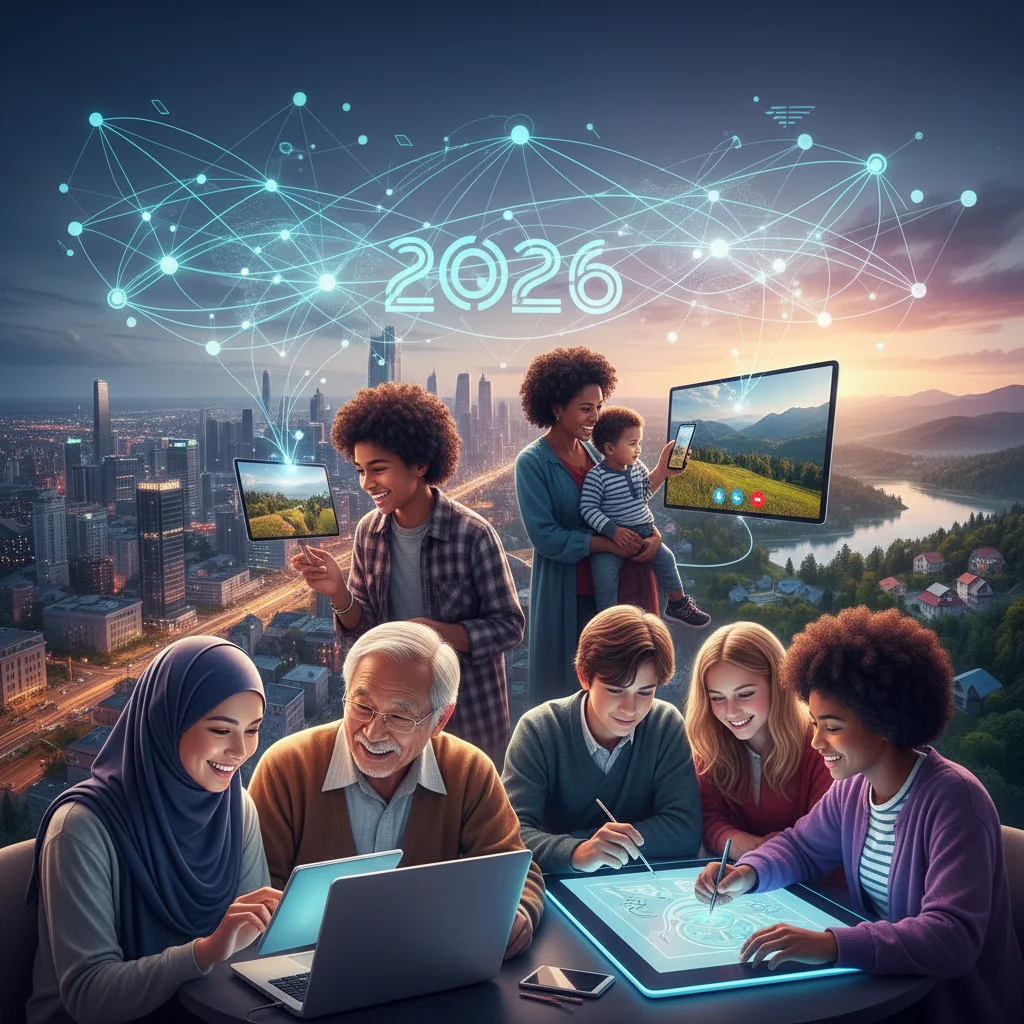
In an era defined by rapid technological advancements and shifting social paradigms, the concept of community has undergone a profound transformation. What once primarily meant geographical proximity and face-to-face interactions now encompasses a vast, intricate web of digital connections. As we navigate 2026, understanding how Americans are engaging in digital community building is not just a matter of academic interest; it’s crucial for fostering belonging, promoting well-being, and strengthening the very fabric of society. This comprehensive exploration delves into the practical solutions and recent updates shaping how individuals and groups are connecting in the digital age, highlighting the innovative strategies and emerging trends that define this dynamic landscape.
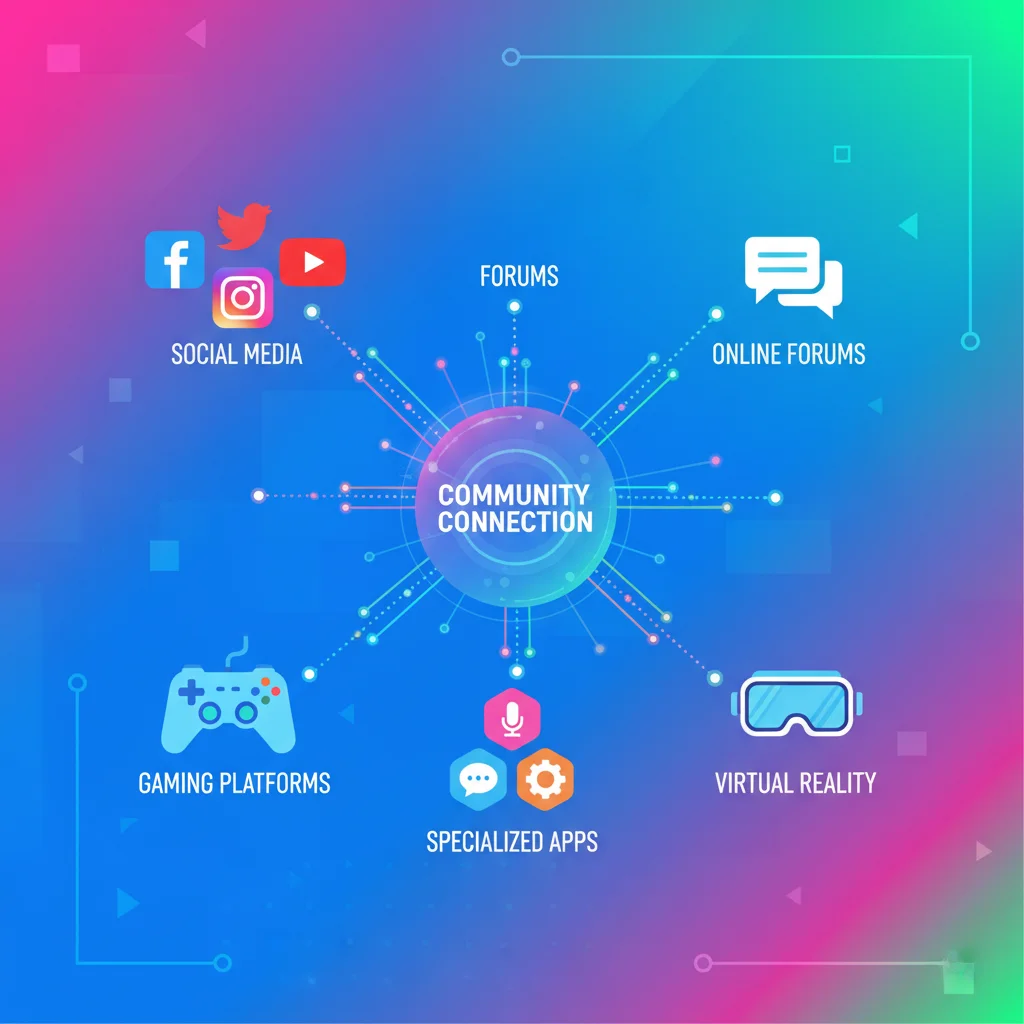
The journey into digital community building is multifaceted, touching upon everything from social media platforms to specialized online forums, virtual reality spaces, and even augmented reality applications. The core challenge remains constant: how do we translate fleeting digital interactions into genuine, lasting relationships and a true sense of belonging? This article will dissect the mechanisms, benefits, and challenges of digital community building, offering a roadmap for individuals, organizations, and policymakers alike to harness the power of technology for positive social impact.
The Evolution of Digital Community Building: A 2026 Perspective
The trajectory of digital community building has been anything but linear. From the early days of bulletin board systems and nascent social networks, we’ve witnessed an explosion of platforms and methodologies. In 2026, the landscape is characterized by a blend of established giants and innovative newcomers, each vying to offer unique avenues for connection. The emphasis has shifted from merely broadcasting information to facilitating genuine interaction and shared experiences. This evolution reflects a deeper human need: the innate desire for connection, now amplified and reinterpreted through a digital lens.
A significant trend in 2026 is the move towards more niche and purpose-driven online communities. While broader platforms still hold sway for general social interaction, people are increasingly seeking out spaces tailored to their specific interests, hobbies, professional aspirations, or personal identities. This allows for deeper engagement, more relevant discussions, and a stronger sense of shared purpose. For instance, a group dedicated to sustainable urban gardening in cold climates will foster much more specific and valuable interactions than a general gardening forum. This granular approach to digital community building is proving highly effective in cultivating strong bonds.
Furthermore, the integration of artificial intelligence (AI) and machine learning (ML) is playing an increasingly pivotal role. These technologies are being used to personalize content, suggest relevant connections, moderate discussions more effectively, and even identify potential conflicts before they escalate. While the ethical implications of AI in social spaces are continually debated, its utility in enhancing the user experience and fostering healthier online environments is undeniable. The goal is not to replace human interaction but to augment it, making digital community building more efficient, inclusive, and engaging.
Key Drivers of Digital Community Growth in 2026
- Increased Digital Literacy: A generation that grew up with the internet is now in leadership roles, bringing a higher level of comfort and expertise with digital tools.
- Remote Work and Hybrid Models: The permanence of remote and hybrid work structures has necessitated digital spaces for professional and social connection among colleagues and within industries.
- Personalized Experiences: Users expect platforms to understand their preferences and offer tailored content and connection opportunities, driving innovation in AI-powered recommendations.
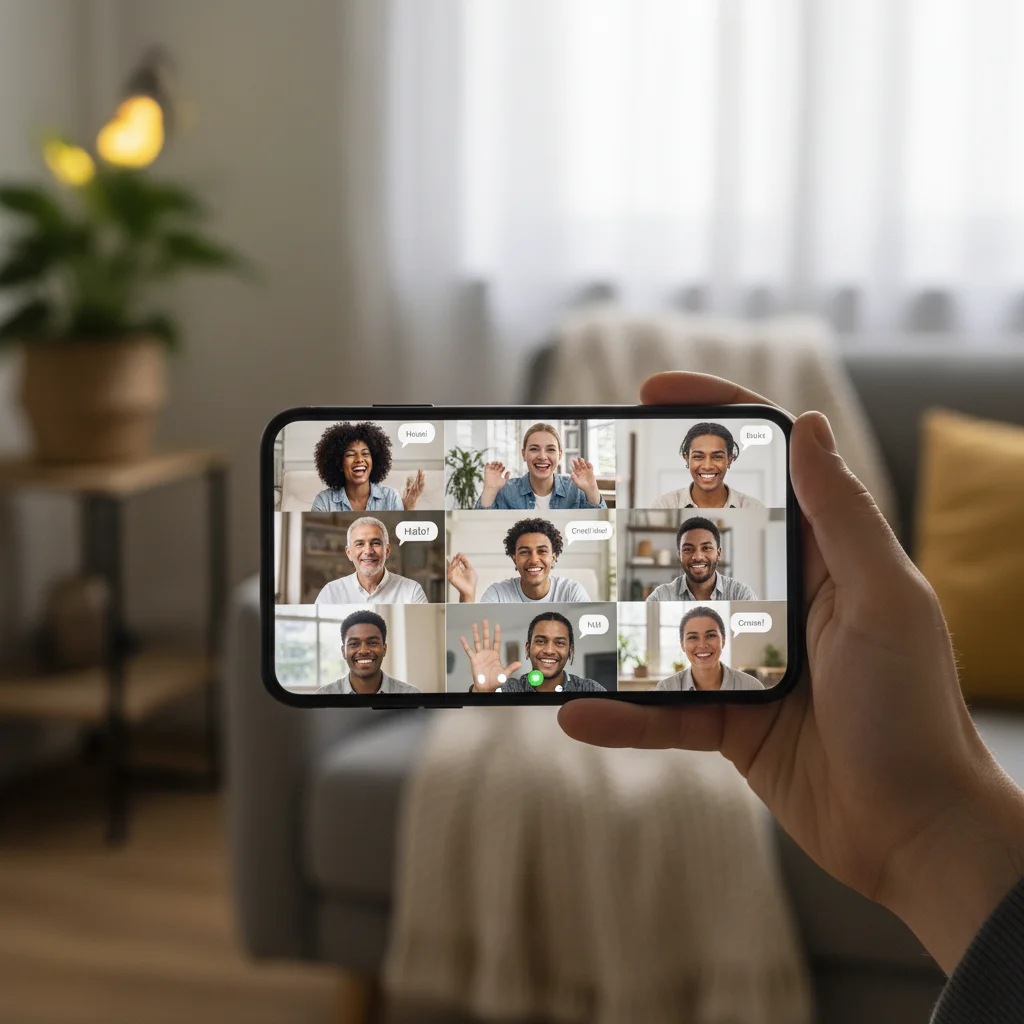
- Global Connectivity: The ability to connect with like-minded individuals across geographical boundaries continues to be a powerful draw for digital communities.
- Search for Authenticity: Amidst information overload, there’s a growing desire for authentic interactions and genuine relationships, leading to platforms prioritizing trust and transparency.
These drivers collectively push the boundaries of what’s possible in digital community building. They highlight a societal shift where online spaces are no longer mere supplements to offline life but integral components of our social fabric. The challenge, then, becomes cultivating these spaces responsibly and effectively, ensuring they serve to enrich lives rather than detract from them.
Practical Solutions for Effective Digital Community Building
Building a thriving digital community requires more than just creating a platform; it demands intentional strategies, consistent effort, and a deep understanding of human psychology. In 2026, several practical solutions have emerged as best practices for cultivating engaged and resilient online spaces. These solutions range from technological implementations to community management philosophies, all aimed at fostering a sense of belonging and active participation within the digital community building framework.
Leveraging Advanced Platform Features
Modern platforms offer a suite of tools designed to enhance interaction and organization. Utilizing these features effectively is paramount. For instance, dynamic subgrouping allows large communities to break down into smaller, more manageable units based on specific interests or projects, fostering deeper connections. Integrated event management tools simplify the process of organizing virtual meetups, workshops, and social gatherings, making participation seamless for members. Furthermore, sophisticated analytics dashboards provide community managers with insights into engagement patterns, popular topics, and potential areas for improvement, enabling data-driven decisions that strengthen the digital community building efforts.
Beyond standard features, many platforms are now incorporating elements of gamification – think badges, leaderboards, and interactive challenges – to incentivize participation and reward contributions. This not only makes the experience more enjoyable but also encourages members to invest more time and effort into the community. The careful implementation of gamification can significantly boost engagement and foster a sense of achievement among members, thereby strengthening the overall digital community building initiative.
The Role of Skilled Community Managers
Behind every successful digital community is a dedicated and skilled community manager (or team). These individuals are the lifeblood of the community, responsible for fostering a positive environment, mediating conflicts, sparking conversations, and ensuring that the community’s mission remains central. In 2026, the role of a community manager has become increasingly complex, requiring a blend of social skills, technical proficiency, and strategic thinking. They are often the first point of contact for new members, the arbiter of disputes, and the chief cheerleader for community achievements.
Effective community managers are adept at active listening, understanding the nuances of online communication, and possessing a strong sense of empathy. They are crucial for setting the tone, enforcing guidelines, and curating content that resonates with the community’s values. Their proactive engagement is what often distinguishes a vibrant, self-sustaining digital community from a dormant one. Investing in professional community management is not an expense but a critical investment in the longevity and health of any digital community building endeavor.
Encouraging Member-Generated Content and Leadership
A truly robust digital community thrives on member participation. Encouraging members to create content, share their expertise, and even take on leadership roles is a powerful way to foster ownership and deepen engagement. This could involve hosting member-led webinars, creating user-generated content challenges, or establishing peer mentorship programs. When members feel that their contributions are valued and that they have a stake in the community’s direction, they are far more likely to remain active and invested.
Identifying and empowering community champions – members who are particularly active and positive – can further amplify this effect. These individuals can help welcome new members, guide discussions, and even take on moderation responsibilities, effectively extending the reach and impact of the community management team. This distributed leadership model is a hallmark of successful digital community building, creating a more resilient and self-sustaining ecosystem.
Recent Updates and Emerging Trends in Digital Connectivity (2026)
The digital landscape is in constant flux, and 2026 has brought forth a wave of new technologies and trends that are reshaping how Americans connect online. Staying abreast of these developments is essential for anyone involved in digital community building, as they offer new opportunities to innovate and improve the online experience. These updates are not just about new gadgets; they represent fundamental shifts in how we interact with technology and with each other.
The Rise of Immersive Virtual Spaces (Metaverse & Beyond)
While the concept of the metaverse has been discussed for years, 2026 sees more tangible and accessible developments in immersive virtual spaces. These platforms are moving beyond mere gaming and social interaction to become venues for professional networking, educational workshops, and even community events. Imagine attending a town hall meeting in a virtual replica of your local community center, or collaborating on a project with colleagues in a shared 3D workspace. The ability to experience a greater sense of presence and shared environment significantly enhances the feeling of connection, making these spaces powerful tools for digital community building. The advancements in VR/AR hardware have made these experiences more comfortable and intuitive, lowering the barrier to entry for many users.
These immersive environments are not just about visual fidelity; they also incorporate advanced haptic feedback and spatial audio, creating a multi-sensory experience that mimics real-world interaction more closely. This allows for a deeper level of engagement and empathy, crucial components for fostering strong community bonds. The potential for these spaces in digital community building is immense, offering new frontiers for shared experiences and collaborative efforts that transcend traditional 2D interfaces.
AI-Powered Personalization and Moderation
As mentioned earlier, AI’s role in digital community building is expanding rapidly. In 2026, AI algorithms are more sophisticated than ever, capable of understanding nuanced human language and identifying patterns of interaction. This leads to hyper-personalized content feeds that connect users with discussions and groups most relevant to their interests, thereby reducing information overload and enhancing engagement. Furthermore, AI-powered moderation tools are becoming indispensable for maintaining healthy online environments. These tools can automatically flag hate speech, spam, and other undesirable content, allowing human moderators to focus on more complex issues and community development initiatives. This proactive approach helps to ensure that digital communities remain safe, inclusive, and welcoming spaces for all members.
Ethical considerations surrounding AI in this context remain a priority, with developers focusing on transparency and user control. The aim is to use AI to enhance, not dictate, the community experience, ensuring that human agency remains at the forefront of digital community building. The balance between automated efficiency and human oversight is a delicate one that continues to evolve.
Micro-Communities and Decentralized Social Networks
The trend towards micro-communities continues to gain momentum in 2026. People are gravitating towards smaller, more intimate online groups where they can feel truly seen and heard. These micro-communities often form around highly specific niches, shared values, or hyperlocal interests. This contrasts with the broad, often overwhelming nature of larger social platforms. Additionally, there’s a growing interest in decentralized social networks (DeSo), which promise greater user control over data, censorship resistance, and community governance. While still in their nascent stages, DeSo platforms represent a philosophical shift towards empowering users and reducing reliance on centralized entities, offering a new paradigm for digital community building that prioritizes member autonomy.
The appeal of decentralized networks lies in their potential to create more resilient and democratic online spaces. By distributing control and ownership, these platforms aim to foster environments where communities can truly self-govern and evolve according to their members’ desires, free from the influence of corporate algorithms or external pressures. This emergent trend could significantly alter the landscape of digital community building in the coming years, offering exciting possibilities for truly member-centric online interactions.
Challenges and Considerations in Digital Community Building
Despite the immense potential of digital community building, it is not without its challenges. Navigating these hurdles requires thoughtful strategies and a commitment to creating inclusive and supportive environments. Understanding these challenges is the first step towards mitigating them and building more resilient and positive online spaces.
Combating Misinformation and Disinformation
One of the most persistent challenges in digital community building is the spread of misinformation and disinformation. False narratives can quickly erode trust, polarize discussions, and even incite real-world harm. In 2026, platforms and community managers are employing a combination of AI tools, fact-checking partnerships, and enhanced reporting mechanisms to combat this issue. Educating community members on media literacy and critical thinking skills is also a vital component of this effort, empowering them to identify and challenge false information. The goal is to cultivate an environment where evidence-based discussions thrive and misinformation is swiftly addressed, preserving the integrity of the digital community building process.
Ensuring Inclusivity and Accessibility
Digital communities, by their nature, have the potential to be incredibly inclusive, breaking down geographical barriers. However, ensuring true accessibility for all remains a challenge. This includes addressing issues such as digital divides (lack of access to internet or devices), language barriers, and designing platforms that are usable for individuals with disabilities. In 2026, there’s a greater emphasis on designing for accessibility from the outset, incorporating features like screen reader compatibility, captioning for videos, and multilingual support. True digital community building means creating spaces where everyone feels welcome and can participate fully.
Preventing Burnout for Community Managers and Members
The demands of managing and participating in digital communities can lead to burnout, both for community managers and active members. The constant need for engagement, conflict resolution, and content creation can be exhausting. Strategies to combat burnout include implementing clear boundaries, delegating responsibilities, encouraging offline breaks, and fostering a culture of support within the community. For community managers, adequate staffing and resources are crucial to prevent overwork. For members, promoting healthy digital habits and encouraging diverse forms of participation can help sustain engagement without leading to fatigue. Sustainable digital community building requires a focus on the well-being of all involved.
The Future of Digital Community Building: What’s Next?
Looking ahead, the future of digital community building is likely to be characterized by even greater integration, personalization, and a continued emphasis on authenticity. The lines between online and offline communities will become increasingly blurred, with digital spaces serving as powerful catalysts for real-world interactions and vice-versa. The advancements we see today are merely stepping stones to an even more interconnected future.
Hyper-Personalized Community Experiences
Expect to see even more sophisticated AI and machine learning creating hyper-personalized community experiences. This goes beyond simply recommending content; it involves dynamically shaping the community environment to best suit individual preferences while maintaining group cohesion. Imagine AI-driven insights that suggest optimal times for you to engage, or even tailor the tone of notifications to match your communication style. The goal is to make every interaction feel bespoke and deeply relevant, enhancing the sense of individual belonging within the larger digital community building effort.
Seamless Integration with Daily Life
Digital communities will become more seamlessly integrated into our daily lives, moving beyond dedicated apps to become embedded within various aspects of our routines. This could manifest as augmented reality overlays that connect you with local community groups as you walk through your neighborhood, or smart home devices that facilitate participation in virtual events. The aim is to reduce friction and make community engagement a natural, effortless part of existence, rather than a separate activity. This ubiquitous presence will redefine the very nature of digital community building.
Emphasis on Mental Well-being and Digital Citizenship
As digital communities become more central to our lives, there will be an increased focus on mental well-being and fostering responsible digital citizenship. Platforms will likely incorporate more features aimed at promoting healthy online habits, such as mindfulness prompts, digital detox tools, and resources for mental health support. Educational initiatives around digital etiquette, empathy, and critical engagement will become standard practice, ensuring that digital spaces are not only connected but also supportive and empowering. The long-term success of digital community building hinges on its ability to contribute positively to the overall well-being of its members.
Conclusion: Strengthening Connections in a Digital World
The landscape of digital community building in 2026 is a vibrant and ever-evolving tapestry of innovation, connection, and human ingenuity. From the rise of immersive virtual spaces to the nuanced role of AI and the emphasis on micro-communities, Americans are finding increasingly diverse and meaningful ways to connect. While challenges persist, particularly concerning misinformation and inclusivity, the ongoing commitment to fostering authentic relationships and supportive environments remains strong.
For individuals, actively seeking out and contributing to communities that align with their values can significantly enrich their lives. For organizations and platform developers, the imperative is clear: prioritize user well-being, facilitate genuine interaction, and continuously adapt to the shifting needs of a digitally connected populace. The future of digital community building is not just about technology; it’s about leveraging that technology to deepen our shared humanity, fostering a world where every individual can find their place and contribute to something larger than themselves. As we move forward, the art and science of digital community building will continue to be a cornerstone of social progress, helping us to navigate the complexities of modern life with greater connection and collective strength.
Embracing these trends and applying these practical solutions will not only help in building stronger digital communities but also in strengthening the bonds that hold our society together in an increasingly interconnected world. The journey of digital community building is a continuous one, filled with learning, adaptation, and the enduring quest for meaningful human connection in every form.