Building Digital Communities: Authentic Engagement Strategies for 2026

Building Digital Communities: Authentic Engagement Strategies for 2026
In an increasingly digitized world, the concept of "community" has evolved far beyond physical boundaries. Today, digital communities are powerful hubs for connection, collaboration, and growth, shaping everything from brand loyalty to social movements. However, simply creating an online group isn’t enough; the true challenge lies in fostering Digital Community Engagement that is authentic, sustained, and meaningful. As we look towards 2026, the landscape for online interaction continues to shift, demanding innovative and empathetic approaches to community building. This comprehensive guide will explore the essential strategies for cultivating thriving digital communities that stand the test of time, focusing on genuine interaction and long-term value.
The rise of remote work, global connectivity, and specialized interests has accelerated the need for robust digital spaces where individuals can find belonging and purpose. For businesses, creators, and organizations alike, a well-managed digital community translates into increased brand loyalty, valuable feedback, and a powerful network of advocates. But what exactly constitutes authentic engagement, and how can we ensure our strategies remain relevant in the fast-paced digital environment of 2026?
This article will delve into the core principles of effective digital community building, from understanding your audience to leveraging cutting-edge technologies. We will examine how to move beyond superficial metrics and focus on qualitative aspects of interaction, ensuring that every member feels valued and heard. Prepare to transform your approach to online community management and build spaces where true connection flourishes.
Understanding the Evolution of Digital Communities
The journey of digital communities began with rudimentary forums and chat rooms, evolving through the eras of social media platforms, and now into more specialized, purpose-driven spaces. In 2026, the expectation for digital communities is higher than ever. Users seek more than just a place to consume content; they desire active participation, shared experiences, and a sense of collective identity. This shift necessitates a deeper understanding of human psychology and social dynamics within a digital context.
From Broadcast to Conversation: The Paradigm Shift
Early digital platforms often operated on a broadcast model, where content creators pushed information to a passive audience. Today, successful digital communities thrive on conversation. They are ecosystems where every member has the potential to contribute, lead, and influence. This participatory culture is the bedrock of authentic Digital Community Engagement. It moves away from top-down communication towards a more democratic, peer-to-peer interaction model.
The Impact of Niche Communities and Micro-Interactions
While large social media platforms still hold sway, the trend is increasingly towards niche communities. These smaller, more focused groups allow for deeper connections and more relevant discussions. Think about communities built around specific hobbies, professional development tracks, or even fan bases for niche content. Within these spaces, micro-interactions – likes, brief comments, reactions – are not just vanity metrics, but small affirmations that contribute to a larger sense of belonging and ongoing Digital Community Engagement.
Pillars of Authentic Digital Community Engagement in 2026
Building a genuinely engaged digital community is a multi-faceted endeavor. It requires a thoughtful strategy built upon several key pillars, each contributing to the overall health and vibrancy of the online space.
1. Clear Purpose and Shared Values
Every successful community, digital or otherwise, is united by a common purpose and shared values. Before you even think about platforms or content, define what your community stands for. What problem does it solve? What common interest brings people together? What are the non-negotiable principles that will guide interactions? A clear purpose acts as a magnet, attracting like-minded individuals, while shared values provide the glue that holds them together, fostering a sense of psychological safety and belonging. This clarity is crucial for driving effective Digital Community Engagement.
2. Active and Empathetic Moderation
Moderation is not just about enforcing rules; it’s about cultivating a positive and respectful environment. In 2026, empathetic moderation is paramount. This means understanding the nuances of online communication, mediating conflicts constructively, and actively encouraging positive interactions. Moderators should be facilitators and connectors, not just enforcers. They play a vital role in setting the tone and ensuring that all members feel comfortable expressing themselves, which directly impacts the quality of Digital Community Engagement.
3. Diverse Content and Interaction Formats
Monotony is the enemy of engagement. A vibrant digital community offers a variety of content types and interaction formats. This could include:
- Discussions: Open-ended questions, themed threads, and debates.
- Events: Live Q&As, webinars, workshops, virtual meetups.
- User-Generated Content: Encouraging members to share their own experiences, projects, or insights.
- Polls and Surveys: Gathering opinions and making members feel heard.
- Challenges and Contests: Gamifying participation and fostering friendly competition.
The more varied the touchpoints, the more opportunities there are for different types of members to engage in ways that resonate with them. This variety fuels dynamic Digital Community Engagement.
4. Recognition and Celebration of Contributions
People are motivated by recognition. Acknowledging and celebrating member contributions is a powerful way to foster loyalty and encourage further participation. This could be as simple as a shout-out for a helpful comment, highlighting a member’s project, or creating "member of the month" features. When members feel seen and appreciated, they are more likely to continue contributing and investing in the community. This positive reinforcement loop is central to sustained Digital Community Engagement.
5. Pathways for Leadership and Ownership
Empower your community members to take on leadership roles. This could involve designating super-users as community mentors, inviting active members to co-host events, or forming committees for specific initiatives. When members feel a sense of ownership, their commitment deepens, and they become powerful advocates for the community. Decentralizing some aspects of community management can lighten the load on administrators and create a more resilient, self-sustaining ecosystem. This distributed leadership enhances overall Digital Community Engagement.
Leveraging Technology for Enhanced Digital Community Engagement
Technology is not just the platform; it’s an enabler for deeper connection. In 2026, several technological advancements are poised to revolutionize how we build and manage digital communities.
AI-Powered Personalization and Moderation Tools
Artificial intelligence is no longer a futuristic concept; it’s an integral part of modern community management. AI can help personalize member experiences by recommending relevant content or connections, identifying potential conflicts before they escalate, and even automating routine moderation tasks. This frees up human moderators to focus on more nuanced interactions and strategic initiatives, ultimately enhancing the quality of Digital Community Engagement.

The Rise of Web3 and Decentralized Communities (DAOs)
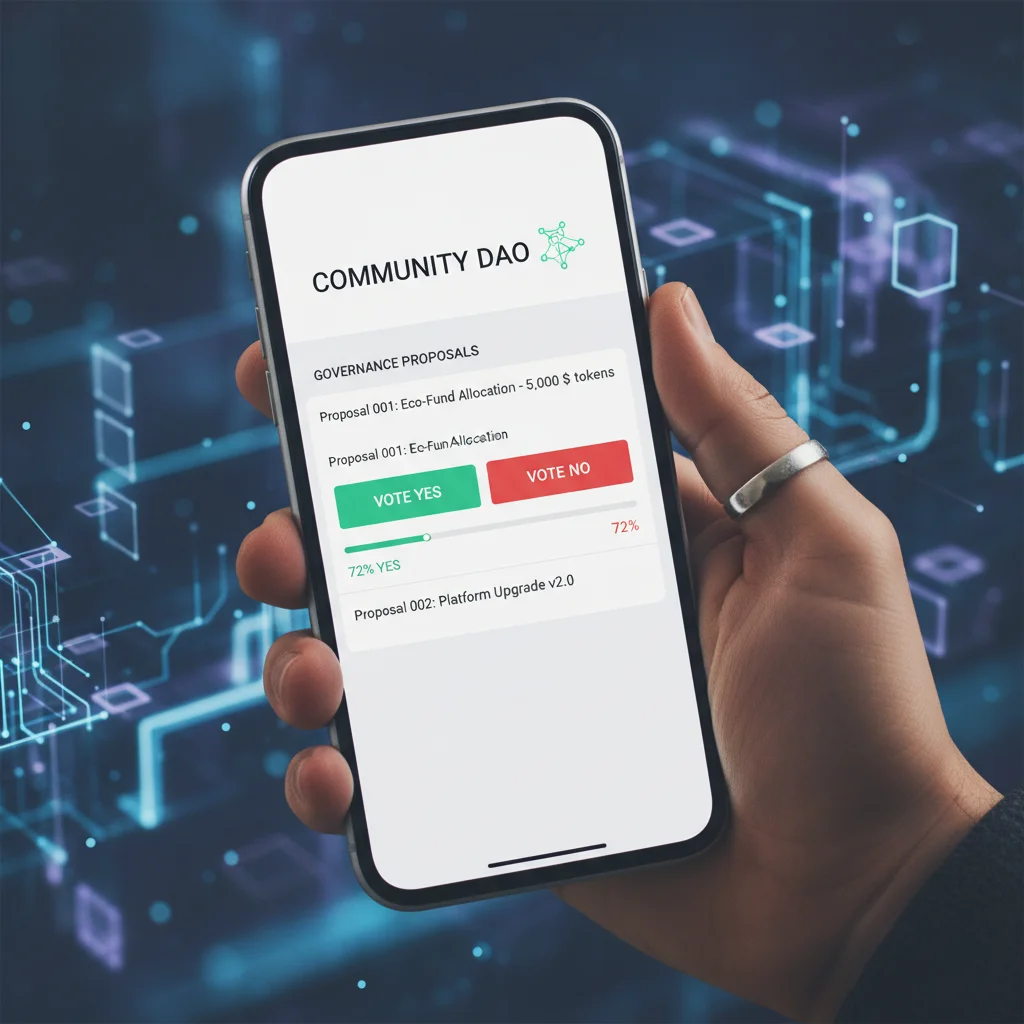
Web3 technologies, particularly Decentralized Autonomous Organizations (DAOs), are ushering in a new era of community ownership and governance. In a DAO, community members often hold tokens that grant them voting rights on key decisions, from treasury allocation to project direction. This direct participation fosters an unparalleled sense of ownership and accountability, leading to extremely high levels of Digital Community Engagement.
Immersive Experiences: VR/AR and the Metaverse
While still in nascent stages for widespread community use, virtual and augmented reality (VR/AR) and the broader metaverse concept offer exciting possibilities for immersive digital communities. Imagine virtual meetups in a shared digital space, collaborative workshops in a 3D environment, or even brand experiences that transcend traditional screens. As these technologies become more accessible, they will provide new avenues for rich and memorable Digital Community Engagement.
Analytics and Data-Driven Insights
Understanding your community’s behavior is crucial for optimizing engagement. Advanced analytics tools can provide insights into what content resonates, who the most active members are, what topics are trending, and where engagement might be dropping off. Using this data, community managers can make informed decisions to tailor strategies, improve content, and foster a more responsive environment. Data-driven approaches are key to refining Digital Community Engagement strategies.
Strategies for Cultivating Authentic Connection
Beyond the technical aspects, the heart of any successful digital community lies in its ability to foster genuine human connection. This requires intentional effort and a focus on qualitative rather than purely quantitative metrics.
Encouraging Vulnerability and Psychological Safety
Authentic connection often stems from vulnerability. Create a space where members feel safe to share their thoughts, struggles, and successes without fear of judgment. This involves clear community guidelines, proactive moderation, and a culture that values empathy and respect. When psychological safety is established, members are more likely to open up and form deeper bonds, significantly boosting Digital Community Engagement.
Facilitating Peer-to-Peer Interaction
While interactions with community managers are important, the most powerful connections often happen between peers. Design your community to facilitate these interactions. This could include:
- Introduction threads: Helping new members connect with existing ones.
- Small group discussions: Breaking down larger communities into more manageable, intimate groups.
- Mentorship programs: Pairing experienced members with newer ones.
- Collaborative projects: Giving members a shared goal to work towards.
These strategies empower members to build their own networks within the larger community, solidifying their Digital Community Engagement.
Storytelling and Shared Narratives
Humans are wired for stories. Encourage members to share their personal stories, experiences, and journeys related to the community’s purpose. This creates shared narratives that strengthen collective identity and empathy. Highlight success stories, challenges overcome, and moments of shared learning. These narratives resonate deeply and forge stronger emotional bonds, enhancing Digital Community Engagement.
Bridging the Digital-Physical Divide (When Possible)
While digital communities are inherently online, opportunities to bridge the digital-physical divide can significantly deepen connections. This might involve organizing occasional in-person meetups, virtual reality meetups, or sending physical merchandise that symbolizes community membership. These tangible connections reinforce the digital bonds and make the community feel more real and impactful. Even small gestures can have a large impact on Digital Community Engagement.
Measuring Success Beyond Vanity Metrics
In 2026, the success of a digital community cannot solely be measured by follower counts or likes. While these metrics have their place, a deeper understanding of engagement requires looking at more qualitative and behavioral indicators.
Key Performance Indicators (KPIs) for Authentic Engagement
- Active Participation Rate: The percentage of members who actively contribute (post, comment, react) within a given period.
- Retention Rate: How many members remain active over time, indicating long-term value.
- User-Generated Content (UGC) Volume: The amount of content created and shared by members, showcasing their investment.
- Sentiment Analysis: Understanding the emotional tone of conversations to gauge community health and satisfaction.
- Cross-Interaction Rate: The percentage of members interacting with multiple other members, indicating network density.
- Conversion Rates: If applicable, how many community members convert into customers, advocates, or volunteers.
Focusing on these KPIs provides a more holistic view of Digital Community Engagement and its true impact.
Qualitative Feedback and Surveys
Quantitative data tells you ‘what’ is happening, but qualitative feedback tells you ‘why.’ Regularly solicit feedback from your community members through surveys, polls, and direct conversations. Ask about their experience, what they value, what could be improved, and what they hope to gain. This direct input is invaluable for iterative improvement and ensuring your strategies align with member needs, which is vital for sustained Digital Community Engagement.
Challenges and Pitfalls to Avoid in 2026
Building and maintaining a thriving digital community is not without its challenges. Being aware of potential pitfalls allows for proactive strategies to mitigate them.
Combatting Information Overload and Burnout
In a world saturated with digital content, information overload and burnout are real threats. Design your community spaces to be easy to navigate, with clear categories and notification management options. Encourage members to take breaks and promote a healthy balance between online and offline life. A burned-out community is not an engaged community, so managing the flow of information is key to healthy Digital Community Engagement.
Maintaining Inclusivity and Accessibility
A truly authentic community is inclusive and accessible to everyone. Ensure your platforms and content adhere to accessibility standards. Actively promote diversity of thought, background, and experience. Address any instances of discrimination or exclusion swiftly and decisively. An inclusive environment is fundamental for broad and genuine Digital Community Engagement.
Dealing with Trolls and Disinformation
The internet can be a breeding ground for negativity. Have clear guidelines and robust moderation strategies in place to handle trolls, spam, and disinformation. Transparency in how these issues are addressed builds trust and reinforces the community’s values. Protecting your community from harmful elements is crucial for maintaining a positive atmosphere conducive to Digital Community Engagement.
Avoiding Platform Lock-in and Building Portable Communities
Relying too heavily on a single platform can be risky. Platforms change algorithms, introduce new policies, or even cease to exist. Consider strategies for building "portable" communities, perhaps by having a core email list, a presence on multiple platforms, or exploring decentralized options like Web3. This ensures that your community’s essence isn’t tied to the whims of a single tech giant, safeguarding your long-term Digital Community Engagement.
The Future of Digital Community Engagement: Beyond 2026
As we look beyond 2026, the evolution of digital communities will continue to be shaped by technological innovation and shifting societal needs. The emphasis on authenticity, ownership, and immersive experiences is likely to grow even stronger.
Hyper-Personalization and Adaptive Experiences
Expect more sophisticated AI to create hyper-personalized community experiences, where content, connections, and even community roles adapt dynamically to individual member preferences and contributions. This level of tailored interaction will make Digital Community Engagement feel more relevant and rewarding than ever before.
Seamless Integration with Real-World Identities and Activities
The lines between our digital and physical lives will continue to blur. Digital communities may integrate more seamlessly with real-world identities, verified credentials, and even physical activities, creating a more holistic sense of community that transcends screens.
Greater Emphasis on Ethical AI and Data Privacy
As AI becomes more prevalent, ethical considerations around its use in community management and data privacy will take center stage. Communities that prioritize transparency, user consent, and responsible data practices will build stronger trust and deeper Digital Community Engagement.
Conclusion: The Enduring Power of Connection
Building digital communities with authentic engagement in 2026 and beyond is not merely a technical challenge; it’s a human one. It requires empathy, strategic foresight, and a genuine commitment to fostering connection. By focusing on clear purpose, empathetic moderation, diverse interaction formats, and empowering members, you can cultivate vibrant online spaces where individuals thrive and collective goals are achieved.
The digital landscape will continue to evolve, bringing new platforms, tools, and paradigms. However, the fundamental human need for belonging, recognition, and shared experience will remain constant. Those who master the art and science of Digital Community Engagement will not only build successful online communities but also contribute to a more connected and collaborative digital world.
Embrace these strategies, stay adaptable, and always prioritize the human element. Your digital community will thank you for it, growing into a powerful force for good and a testament to the enduring power of authentic connection in the digital age.