Digital Wellness 2026: Combat Tech Overload with 3 Practical Steps

In an increasingly interconnected world, where the lines between our digital and physical lives blur with each passing year, the concept of digital wellness 2026 has never been more critical for Americans. As technology continues its relentless march forward, promising ever-more integration into our daily routines, so too grows the challenge of managing our relationship with it. The year 2026 stands as a pivotal moment, a time when the accumulated effects of constant connectivity are undeniable, and the need for proactive strategies to combat tech overload becomes paramount. This article isn’t just a discussion; it’s a call to action, offering three practical, actionable steps for you to reclaim your peace, productivity, and overall well-being in the face of an always-on digital landscape.
The ubiquity of smartphones, the allure of social media, the demands of remote work, and the endless stream of entertainment have collectively woven a complex web around our lives. While these advancements offer unparalleled convenience and connection, they also bring with them a unique set of challenges: digital fatigue, information overload, decreased attention spans, and even impacts on our physical health through sedentary lifestyles. For many, the idea of disconnecting feels daunting, almost impossible. Yet, achieving digital wellness 2026 isn’t about abandoning technology; it’s about mastering it, about creating a harmonious balance where technology serves us, rather than enslaving us.
As we delve into these practical strategies, consider them not as rigid rules but as flexible guidelines designed to empower you. They are crafted with the American lifestyle in mind, recognizing the fast-paced nature of our society and the deep integration of digital tools into our work, education, and social fabric. By implementing these steps, you can begin to forge a healthier, more intentional relationship with your devices, leading to a more fulfilling and less stressful life. Let’s embark on this journey to conquer tech overload and embrace a future where our digital tools enhance, rather than detract from, our human experience.
Step 1: Implement Strategic Digital Detox Blocks
The first and perhaps most impactful step towards achieving digital wellness 2026 is to intentionally carve out and protect specific periods of time where you completely disconnect from digital devices. We’re not talking about a week-long retreat to a cabin in the woods (though that sounds lovely!), but rather integrating regular, manageable digital detox blocks into your daily and weekly routine. Think of these as ‘digital-free zones’ or ‘unplugged hours’ that allow your mind to rest, recharge, and reconnect with the physical world and the people around you.
Daily Unplugged Hours: The Morning and Evening Buffer
The beginning and end of your day are prime opportunities for digital detox. Consider setting a rule: no screens for the first hour after waking up and the last hour before going to bed. This simple yet profound change can dramatically alter your mental state. Instead of immediately diving into emails, news feeds, or social media, use your morning hour for activities that nourish your mind and body: meditation, reading a physical book, enjoying a quiet breakfast, stretching, or planning your day. This sets a calm, intentional tone for the hours ahead, rather than starting with a flurry of external demands and information overload.
Similarly, the hour before bed should be a sanctuary from blue light and stimulating content. The blue light emitted from screens is known to disrupt melatonin production, making it harder to fall asleep. Engaging with stimulating content (news, social media, work emails) can also keep your mind racing. Instead, wind down with a warm bath, journaling, listening to calming music, or reading a fiction book. This practice not only improves sleep quality but also allows for reflection and mental decompression, crucial components of digital wellness 2026.
Weekly Digital Sabbaths: Reclaiming Your Weekends
Beyond daily unplugged hours, consider implementing a ‘digital Sabbath’ once a week. This could be a half-day, a full day, or even just a dedicated block of several hours where all non-essential digital devices are put away. Inform friends, family, and colleagues of your intention so they know not to expect immediate responses. Use this time to engage in hobbies, spend quality time with loved ones, explore nature, or simply relax without the constant pull of notifications. The goal is to consciously step away from the digital world and fully immerse yourself in the present moment. This regular reset is incredibly powerful for maintaining long-term digital wellness 2026.
Practical Tips for Successful Detox Blocks:
- Set Clear Boundaries: Define what ‘unplugged’ means for you. Does it include e-readers? Smart TVs? Be specific.
- Communicate Your Intentions: Let others know you’ll be unreachable during these times to manage expectations.
- Find Analog Alternatives: Have physical books, board games, art supplies, or outdoor activities readily available to fill the void.
- Use Old-Fashioned Alarms: Avoid using your phone as an alarm clock to prevent early morning screen exposure.
- Start Small: If a full hour feels too daunting, begin with 15-30 minute blocks and gradually increase the duration.
Implementing these strategic digital detox blocks requires discipline and a conscious effort, but the rewards are immense. You’ll likely notice improved sleep, reduced stress, enhanced focus, and a greater appreciation for your non-digital experiences. This foundational step is crucial for anyone serious about achieving lasting digital wellness 2026.
Step 2: Cultivate Intentional Engagement and Mindful Consumption
The second pillar of digital wellness 2026 involves a shift from passive, reactive digital usage to active, intentional engagement. It’s about being mindful of *why* you’re picking up your device, *what* you’re consuming, and *how* it makes you feel. This step moves beyond simply cutting down screen time and focuses on improving the quality of your digital interactions.
Audit Your Digital Diet: What Are You Feeding Your Mind?
Just as we pay attention to what we eat, we should also scrutinize our ‘digital diet.’ Take an honest look at the apps, websites, and content you consume most frequently. Ask yourself:
- Does this content genuinely add value to my life, or is it merely a time sink?
- Does it make me feel informed, inspired, or connected, or does it leave me feeling anxious, envious, or drained?
- Am I consuming this out of habit or out of genuine interest?
Be ruthless in your evaluation. Unfollow accounts that trigger negative emotions, unsubscribe from newsletters you never read, and delete apps that serve no purpose beyond distraction. Prioritize sources that offer educational content, genuine connection, or truly uplifting entertainment. This conscious curation of your digital environment is a powerful tool for enhancing digital wellness 2026.
Turn Off Non-Essential Notifications: Reclaiming Your Focus
Notifications are perhaps the biggest culprits in fragmenting our attention and pulling us back into our devices. Every ping, buzz, or visual alert is a tiny interruption that breaks concentration and can lead to hours of lost productivity. For optimal digital wellness 2026, take control of your notifications. Go into your phone and computer settings and systematically turn off all non-essential alerts. Keep only those that are truly critical, such as calls from important contacts or essential work-related messages. Everything else can wait until you choose to check it.
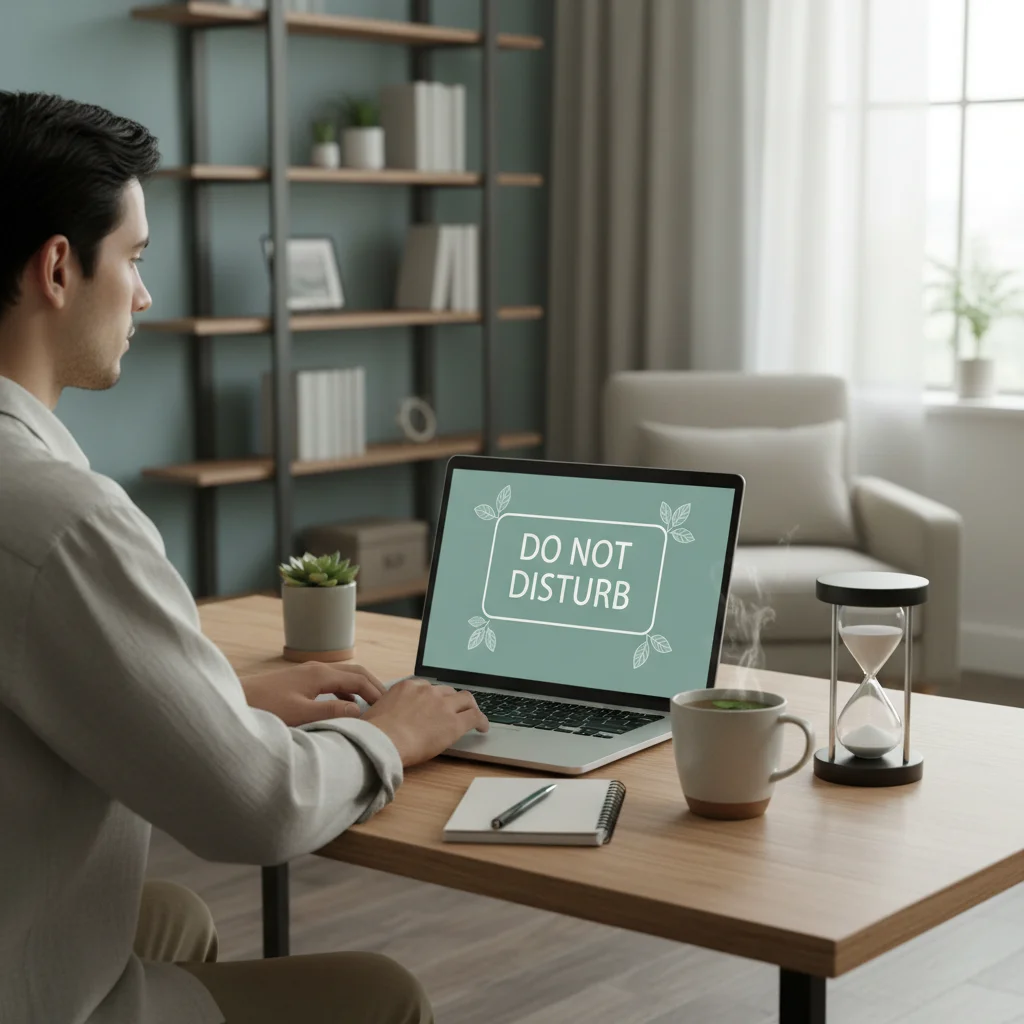
Consider using ‘Do Not Disturb’ modes during work hours, family time, or when you need uninterrupted focus. This simple act can dramatically reduce anxiety, improve your ability to concentrate on single tasks, and give you back a sense of agency over your time and attention.
Schedule Your Screen Time: intentional Usage
Instead of mindlessly scrolling whenever a free moment arises, schedule specific times for checking social media, emails, or news. For example, allocate 15-20 minutes in the afternoon for social media catch-up, rather than dipping in and out throughout the day. When you approach your screen time with a predefined purpose and duration, you transform it from a reactive habit into an intentional activity. This structured approach helps prevent endless scrolling and ensures that your digital interactions are purposeful and time-bound, a key aspect of healthy digital wellness 2026 practices.
Practice Single-Tasking: One Digital Task at a Time
Multitasking, especially with digital devices, is often a myth. What we typically do is ‘task-switching,’ which reduces efficiency and increases mental fatigue. When engaging with digital content, try to focus on one task at a time. If you’re reading an article, close other tabs. If you’re responding to emails, don’t simultaneously browse social media. This practice enhances focus, improves comprehension, and reduces the feeling of being overwhelmed, contributing significantly to your overall digital wellness 2026.
Step 3: Redefine Your Relationship with Technology and Foster Real-World Connections
The final step in our journey towards digital wellness 2026 is perhaps the most profound: consciously redefining your relationship with technology and actively prioritizing real-world connections. This isn’t just about managing screen time; it’s about shifting your mindset and reorganizing your priorities to place human interaction and physical experiences at the forefront.
Technology as a Tool, Not a Master: A Mindset Shift
For many, technology has subtly transitioned from being a helpful tool to an ever-present master, dictating our attention and shaping our routines. To achieve true digital wellness 2026, we must consciously reverse this dynamic. View your smartphone, computer, and other devices as instruments designed to serve specific purposes – communication, information retrieval, creative expression – rather than sources of endless entertainment or obligation. When you pick up your phone, ask: “What specific task am I using this for?” If there’s no clear purpose, consider putting it down. This shift in perspective empowers you to use technology with intention, rather than being used by it.
Prioritize In-Person Interactions: The Power of Presence
While digital communication offers convenience, it can never fully replicate the richness and depth of in-person interactions. Non-verbal cues, shared physical space, and spontaneous moments of connection are vital for our emotional well-being. Make a conscious effort to prioritize face-to-face meetups with friends and family. Schedule regular coffee dates, dinner parties, or outdoor activities. During these interactions, practice ‘phone stacking’ (everyone puts their phones face down in the middle of the table, and the first person to touch theirs pays the bill) or simply agree to keep phones out of sight. The presence you offer to others, and the presence you receive in return, is invaluable for fostering genuine connection and combating the loneliness that can sometimes ironically accompany hyper-connectivity, a crucial element of digital wellness 2026.
Engage in Hobbies and Activities That Don’t Involve Screens
To truly redefine your relationship with technology, actively cultivate interests and hobbies that exist entirely outside the digital realm. This could be anything from gardening, cooking, painting, playing a musical instrument, hiking, volunteering, or learning a new craft. These activities not only provide a much-needed break from screens but also stimulate different parts of your brain, foster creativity, and offer a sense of accomplishment that is distinct from digital rewards. Dedicating time to these pursuits is a proactive way to build a robust foundation for digital wellness 2026, ensuring your life is rich and varied beyond your screen.
Create ‘Tech-Free Zones’ in Your Home
Designate specific areas in your home as completely tech-free. The dining table, bedrooms, and perhaps even the living room could be designated zones where phones, tablets, and laptops are not allowed. This creates physical boundaries that reinforce your mental commitment to disconnecting. For instance, charging all devices in a central location outside the bedroom can significantly improve sleep hygiene and ensure your resting space remains a sanctuary from digital distractions. These physical boundaries are powerful reminders of your commitment to digital wellness 2026.

The American Digital Landscape in 2026: Why These Steps Matter Now More Than Ever
As we navigate towards 2026, the digital landscape in America is evolving at an unprecedented pace. The rise of AI-driven interfaces, the expansion of the Metaverse, and the increasing sophistication of personalized algorithms mean that technology will become even more persuasive and integrated into our lives. While these innovations promise efficiency and new forms of interaction, they also amplify the potential for tech overload and its associated negative impacts on mental health, social cohesion, and individual productivity. This makes the proactive adoption of digital wellness 2026 strategies not just beneficial, but essential for maintaining a balanced and healthy life.
The constant stream of information and stimulation can lead to ‘attention residue,’ where the lingering thoughts from a previous digital task reduce our capacity to focus on the current one. This fragmented attention impacts work performance, learning, and even our ability to be fully present in conversations. Furthermore, the pervasive nature of social comparison facilitated by platforms can contribute to feelings of inadequacy, anxiety, and depression. These are not minor inconveniences; they are significant challenges to our collective well-being that demand a conscious and strategic response.
Moreover, the blurring lines between work and personal life, intensified by remote work trends that are likely to persist and evolve by 2026, make it harder to ‘switch off.’ The expectation of immediate availability can erode personal boundaries and lead to burnout. Therefore, implementing clear digital detox blocks and cultivating intentional engagement are not just personal preferences; they are vital survival skills in the modern digital age. They empower individuals to create necessary boundaries, protect their mental space, and prevent the insidious creep of digital demands into every aspect of their lives.
Redefining our relationship with technology also becomes critical as digital tools become more sophisticated. If we don’t actively choose how and when to engage, the algorithms will choose for us, often optimizing for engagement and time spent on platforms, regardless of our well-being. By fostering real-world connections and engaging in screen-free hobbies, Americans can build resilience against these pervasive digital influences, ensuring that their lives are enriched by diverse experiences and genuine human connections, rather than being confined to the digital sphere.
In essence, these three practical steps are designed to equip you with the tools to thrive in the complex digital environment of 2026. They offer a pathway to greater autonomy, reduced stress, and a deeper connection to what truly matters – your health, your relationships, and your peace of mind. The future of digital wellness 2026 is not about rejecting technology, but about intelligently integrating it into a life that is fundamentally human-centered.
Conclusion: Embracing a Balanced Digital Future
The journey towards optimal digital wellness 2026 is an ongoing one, requiring continuous self-awareness, adaptation, and commitment. The digital world is not static; it will continue to evolve, presenting new challenges and opportunities. However, by adopting the three practical steps outlined in this article – implementing strategic digital detox blocks, cultivating intentional engagement and mindful consumption, and redefining your relationship with technology while fostering real-world connections – you are establishing a robust framework for navigating this ever-changing landscape.
Remember, the goal is not perfection, but progress. Start small, be patient with yourself, and celebrate every step you take towards a healthier digital life. The benefits extend far beyond reduced screen time; they encompass improved mental clarity, enhanced relationships, better sleep, increased productivity, and a greater sense of overall well-being. As Americans, we have the power to shape our digital future, to ensure that technology serves as a powerful ally in our lives, rather than an overwhelming force.
By consciously choosing how and when we engage with our devices, we reclaim our time, our attention, and ultimately, our peace of mind. Let 2026 be the year you take decisive action to combat tech overload and embrace a life of balanced digital wellness. The tools are within your reach; the choice to use them is yours. Start today, and experience the profound positive changes that intentional digital habits can bring to your life.