Unpacking Digital Lifestyle Choices: A Comparative Analysis of Modern Approaches
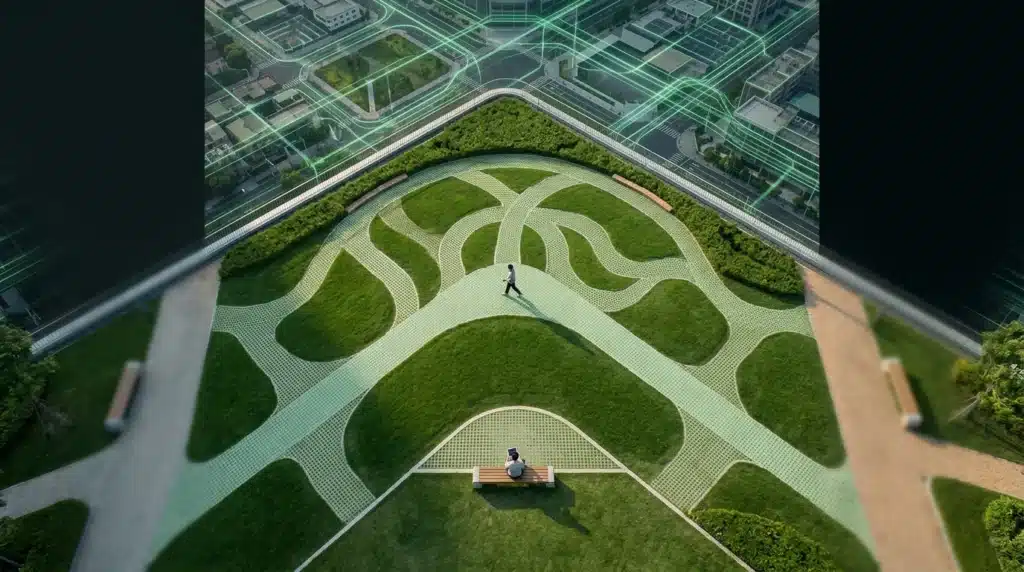
We live our lives through screens, but how often do we consciously choose the terms of that engagement? For most, our digital lifestyle isn’t a deliberate strategy but a default setting—a chaotic blend of habit, convenience, and compulsion. You might feel in control, but powerful algorithms and societal pressures are constantly shaping your relationship with technology, pushing you towards consumption patterns you never explicitly selected.
This dynamic has created distinct philosophies for navigating the modern world. On one end of the spectrum is digital minimalism, a philosophy of intentional and limited use. On the other is hyper-connectivity, an ‘always-on’ approach that embraces the constant flow of information. Between these two poles lies the elusive goal of balanced integration, a state of perpetual negotiation with the tools that vie for our attention. These aren’t just preferences; they are ideologies with profound consequences for our mental health, careers, and social connections.
Understanding these approaches is the first step toward reclaiming your agency in an increasingly digital world. This analysis unpacks the dominant digital lifestyles, placing them in direct comparison. We will dissect the psychological toll and professional benefits of minimalism versus hyper-connectivity, explore practical strategies for achieving a more thoughtful and blended approach, and examine how these personal choices are deeply intertwined with larger economic shifts that are redefining work and society itself.
The Spectrum of Digital Engagement: Defining Key Approaches
Most of us believe we have a handle on our digital lives, a conscious strategy for engagement. We tell ourselves we’re in control. The reality is often a chaotic mix of compulsion and convenience, driven by forces we barely acknowledge. Your digital lifestyle isn’t a deliberate choice as much as it is a default setting you’ve fallen into, a product of habit and advanced design aimed at capturing your attention.
This isn’t about judging your screen time. It’s about dissecting the dominant philosophies that now govern how we interact with the digital world. These approaches are not just preferences; they are distinct ideologies with profound economic and psychological consequences. They represent a basic fork in the road for modern life.
Beyond the Buzzwords: Deconstructing Popular Narratives
Labeling your relationship with technology is the first step toward understanding it. We can group the prevailing approaches into four main categories, each with its own advocates and detractors. Thinking about your digital engagement is like managing a diet; you can feast, fast, or attempt to find a sustainable balance, but every choice has a metabolic cost. What most people miss is how deeply these labels are tied to broader shifts in society and the economy.
- Digital Minimalism: This philosophy advocates for using technology as a tool for specific, high-value activities, while aggressively eliminating everything else. It’s not about Luddite-style rejection but intentionality. Dr. Alistair Finch, a cyber-psychologist at Stanford University, explains, “The minimalist seeks to escape the state of constant, low-grade distraction that defines the hyper-connected individual. The psychological reward is a reclaimed sense of autonomy and focus, but it often requires significant social and professional sacrifices.”
- The Hyper-Connected: Characterized by an “always-on” mentality, this group embraces constant connectivity across multiple devices and platforms. They are early adopters, fluent in the grammar of social media and instant communication. This approach maximizes information flow and social access, but according to a recent Pew Research Center study, 62% of self-identified hyper-connected users report higher levels of anxiety related to algorithmic content filtering.
- Balanced Integration: Arguably the most sought-after but elusive state, this approach aims to blend digital tools into life without letting them take over. It involves setting boundaries—like no-phone dinners or digital detox weekends—while still participating fully in the digital world. It’s a continuous negotiation rather than a fixed state. The challenge here is consistency; how do you maintain balance when digital structures are designed to redefine daily life and break down those very boundaries?
- Digital Nomadism: This is less a philosophy of use and more a complete lifestyle enabled by technology. For the digital nomad, connectivity is the foundation for a location-independent career and life, blending work, travel, and personal time. While romanticized, this path presents unique challenges. As Finch notes, “The digital nomad subverts traditional community structures, which can lead to feelings of profound rootlessness and isolation, even while being more connected—digitally—than ever before.”
Each of these frameworks offers a different answer to the same question: how should we live alongside the powerful technologies we’ve created? The answer you choose, or fall into, dictates more than just your daily habits; it shapes your worldview, your relationships, and your place in a rapidly evolving social order.
Digital Minimalism vs. Hyper-Connectivity: A Head-to-Head Comparison
At the core of modern digital existence lies a underlying conflict: the deliberate scarcity of digital minimalism against the relentless abundance of hyper-connectivity. One philosophy champions intention and focus, treating technology as a precise tool to be used sparingly. The other embraces the constant flow of information, viewing always-on access as a gateway to opportunity and social integration. This isn’t just about how often you check your phone; it’s a profound choice that shapes your mental state, professional output, and social fabric.
Choosing a side is choosing a reality. The minimalist seeks to reclaim time and attention, while the hyper-connected individual aims to maximize reach and responsiveness. The underrated factor here is that neither approach is inherently superior; their value is entirely dependent on an individual’s goals, personality, and professional demands. What most people miss is that these aren’t static labels but active practices that require constant negotiation with the digital world. The struggle is real.
| Aspect | Digital Minimalism | Hyper-Connectivity |
|---|---|---|
| Core Philosophy | Use technology intentionally to support your values. Less is more. | Be always available and engaged. More is more. |
| Pros | Improved focus, better mental health, more free time, deeper real-world connections. | Increased access to information, strong online presence, networking opportunities, feeling “in the loop.” |
| Cons | Potential for social or professional FOMO (Fear Of Missing Out), can be perceived as aloof. | High risk of burnout, anxiety, shallow social interactions, constant distraction. |
| Typical User | Academics, creatives, individuals focused on deep work, people seeking a mental health reset. | Entrepreneurs, social media managers, journalists, remote workers in fast-paced teams. |
| Key Practices | Deleting social media apps, scheduling “offline” hours, turning off notifications, using single-purpose devices. | Multiple social media accounts, push notifications for all apps, participation in numerous online groups, using smart devices for everything. |
Impact on Well-being and Mental Health
The psychological toll of hyper-connectivity is well-documented. A study from the University of California, Irvine, suggests that constant interruptions from notifications contribute to higher stress levels and a persistent feeling of anxiety. This state of “continuous partial attention” prevents the brain from entering restorative states, leading to mental fatigue. Are we engineering our own burnout by refusing to disconnect? The endless stream of curated perfection on social media also fuels social comparison, a known contributor to depression and low self-esteem. It’s a key part of navigating the new normal in our digital lives.
Conversely, digital minimalism directly confronts these issues by creating intentional friction. By removing apps, unsubscribing from newsletters, and disabling notifications, minimalists reclaim their cognitive resources. This isn’t about rejecting technology but curating it. The goal is to move from a reactive to an intentional relationship with your devices, which research from King’s College London correlates with increased life satisfaction and lower reported anxiety. The quiet can be deafening at first, but it often gives way to clarity.
Productivity and Professional Implications
In the professional sphere, the debate intensifies. Hyper-connectivity is often sold as a prerequisite for success in a globalized, 24/7 market. Responsiveness is mistaken for effectiveness. The pressure to answer an email within minutes or be active on a team chat after hours is immense, creating a culture where visibility trumps productive output. This approach fragments the workday into a series of micro-tasks and interruptions, making deep, concentrated work nearly impossible.
Digital minimalism proposes an alternative path centered on “deep work,” a term coined by author Cal Newport. This approach involves dedicating uninterrupted blocks of time to cognitively demanding tasks. Minimalists argue that producing high-quality work in a two-hour focused session is far more valuable than being “available” for eight hours of distracted communication. Managing your digital intake becomes like sorting mail; you don’t stop everything to read junk mail the second it arrives, you batch process it later. This focus on efficiency can help avoid many of the common pitfalls in modern work environments.
Case Studies: Successes and Challenges
Consider the case of a software development team at a tech startup. Initially, they adopted a hyper-connected model using Slack with notifications on for all channels. The result? A 27% increase in self-reported stress and a 40% decrease in lines of clean code committed per day, according to their internal review. After switching to a minimalist-inspired model—instituting “no-meeting Wednesdays” and “async-only” communication policies—the team saw a 55% recovery in productivity metrics within three months. The challenge was overcoming the initial fear that they would miss something urgent.
A freelance journalist specializing in breaking news found that attempting digital minimalism was professionally catastrophic. Missing a key source’s message on a social platform or being 30 minutes late to a developing story meant losing the scoop to a competitor. For her, hyper-connectivity wasn’t a choice but a professional necessity, a clear example of how digital structures redefine daily life and professional demands.
Social Dynamics and Connection Quality
Hyper-connectivity promises a vast social network, but it often delivers a web of weak ties. Maintaining hundreds or thousands of online “friendships” spreads social capital thin, replacing deep, meaningful interaction with performative updates and fleeting likes. The constant documentation of life for an audience can prevent one from actually living it—a phenomenon some sociologists call “spectator living.”
Digital minimalism encourages a radical shift: prioritizing quality over quantity. Instead of broadcasting life to a crowd, minimalists use technology to facilitate direct, one-on-one connections. This might mean deleting social media but making more phone calls, or replacing group chats with scheduled video calls with close friends. The data suggests—though not conclusively—that this strengthens core relationships. It’s a conscious trade-off, exchanging the broad, shallow pond of online acquaintances for the deep, clear well of genuine connection. This re-evaluation of connection is a central theme when we get expert perspectives on shifting societies, forcing us to question what “community” means now.
The minimalist seeks to escape the state of constant, low-grade distraction that defines the hyper-connected individual. The psychological reward is a reclaimed sense of autonomy and focus, but it often requires significant social and professional sacrifices.
— Dr. Alistair Finch, Cyber-psychologist, Stanford University
| Aspect | Digital Minimalism | Hyper-Connectivity |
|---|---|---|
| Core Philosophy | Use technology intentionally to support your values. Less is more. | Be always available and engaged. More is more. |
| Pros | Improved focus, better mental health, more free time, deeper real-world connections. | Increased access to information, strong online presence, networking opportunities, feeling “in the loop.” |
| Cons | Potential for social or professional FOMO (Fear Of Missing Out), can be perceived as aloof. | High risk of burnout, anxiety, shallow social interactions, constant distraction. |
| Typical User | Academics, creatives, individuals focused on deep work, people seeking a mental health reset. | Entrepreneurs, social media managers, journalists, remote workers in fast-paced teams. |
| Key Practices | Deleting social media apps, scheduling “offline” hours, turning off notifications, using single-purpose devices. | Multiple social media accounts, push notifications for all apps, participation in numerous online groups, using smart devices for everything. |
The Blended Approach: Integrating Digital Tools Thoughtfully
Rejecting the false binary of digital asceticism versus total immersion, a third path emerges. This blended approach treats technology not as an enemy to be vanquished or a god to be worshipped, but as a powerful tool to be wielded with intention. It demands more than a simple on/off switch; it requires active, ongoing management. This is the difficult middle ground where most people actually live.
Conscious tech consumption starts with asking a simple question before engaging: “What is my goal here?” This intentionality transforms mindless scrolling into purposeful information gathering. A study from the Palo Alto Research Center found that professionals who scheduled 15-minute “distraction windows” for social media and non-urgent emails actually reported a 19% higher rate of task completion. The underrated factor here is that brief, scheduled access can prevent the larger, unscheduled time-sinks that derail productivity. Is it possible to master our tools without first understanding our own impulses?
Ultimately, this is a philosophy of curation, not deprivation.
This approach extends beyond personal habits into organizational culture. For example, several European tech firms have famously implemented “right to disconnect” policies, which automatically shut down email servers after 6 p.m. to protect employee well-being. This acknowledges that the architecture of our digital lives—something deeply explored in how digital structures redefine daily life—often requires systemic boundaries, not just individual willpower. It’s about building a digital environment that serves human needs, rather than the other way around.
Successfully navigating these new norms means treating your digital life like a carefully tended garden, not a jungle left to grow wild. You must actively prune notifications, cultivate valuable information sources, and weed out distracting apps. The work is never finished, as new tools and platforms constantly vie for your attention, demanding a perpetual state of conscious negotiation.
Economic Shifts and Digital Lifestyles: New Paradigms of Work and Consumption
The seductive narrative of the digital economy is one of liberation—freedom from the 9-to-5 grind, the corner office, and the geographical lottery. Yet, this story conveniently ignores the brutal mechanics of the new systems. For every successful digital nomad posting from a beach in Bali, there are countless others tethered to a system of precarious contracts and algorithmic management. This isn’t just a new way to work; it’s a underlying rewiring of our economic relationships.
The Rise of Location-Independent Work
The concept of tying work to a physical location is rapidly eroding. Propelled by connectivity and a cultural shift, location-independent work has split into two major streams: the gig economy and digital nomadism. The gig economy treats labor as a commodity, sliced into tasks and distributed via platforms. It’s a model built for efficiency. Digital nomadism, is a lifestyle choice, where professionals use technology to perform their jobs from anywhere in the world.
While often conflated, their economic underpinnings are different. A report from the Aspen Institute noted that while the gig economy has expanded economic participation, it often fails to provide a stable income or benefits for over 63% of its participants. The data suggests that for many, the interconnected web of digital work creates more anxiety than autonomy. This is the uncomfortable truth behind the marketing.
Financial Considerations for Digital Nomads
The dream of working from anywhere is often sold with picturesque imagery, but the financial reality is a complex spreadsheet of fluctuating income and logistical hurdles. Aspiring nomads must approach their finances with the rigor of a small business owner. The underrated factor here is the sheer administrative burden. It’s not just about earning money; it’s about managing it across borders, currencies, and tax jurisdictions.
Before making the leap, a brutally honest financial self-audit is necessary. Consider this a basic pre-flight checklist:
- Income Volatility Buffer: Do you have at least 4-6 months of living expenses saved? Freelance income is notoriously inconsistent, and a single dry spell can derail your entire journey.
- Tax Compliance: Have you consulted with a tax professional who understands expatriate and multi-jurisdictional tax law? The “183-day rule” is a common starting point, but every country has its own thorny requirements.
- Healthcare and Insurance: Your domestic health plan is likely useless abroad. Securing global health insurance is not optional; a single medical emergency could be financially catastrophic. Plans can range from $50 to over $400 per month.
- Banking and Currency Exchange: Are your banking solutions equipped for international transfers without incurring exorbitant fees? Services like Wise or Revolut are necessary tools, but you need a primary bank that won’t freeze your account for suspicious foreign activity.
Digital Consumption: Beyond Traditional Commerce
The economic shift isn’t just about how we earn money; it’s about how we spend it. We’ve moved from an economy of ownership to one of perpetual access, primarily through subscription models and curated online marketplaces. Think about it. You don’t own your music (Spotify), your movies (Netflix), or even your software (Adobe Creative Cloud). You rent them.
This model is incredibly efficient for corporations, creating predictable, recurring revenue. But does a subscription for everything liberate us, or does it just create a new form of digital serfdom where we are constantly paying for access we may not even use? It’s like having a gym membership for every facet of your life—the monthly fee drains your account whether you show up or not. These digital structures redefine daily life by turning products into services, fundamentally altering our concept of personal property.
Challenges and Opportunities in the New Digital Economy
This new economic paradigm presents a stark duality. For a small segment of highly skilled workers—coders, specialized consultants, and content creators with established audiences—it offers historic flexibility and earning potential. They can operate globally, tap into diverse markets, and build personal brands that function as small enterprises. They are the winners of this shift.
The challenge, is that this system may be creating a new digital working class with fewer protections and less stability than their industrial-age predecessors. Without the safety nets of traditional employment—like retirement contributions, sick leave, and collective bargaining power—many are left navigating a high-stakes environment alone. Avoiding the worst outcomes requires a deep understanding of these modern market shifts and their hidden dangers.
The long-term sustainability of an economy built on gigs and subscriptions is far from certain, raising critical questions about social safety nets and the future of labor itself.
Navigating the Future: Crafting Your Optimal Digital Path
The economic forces pushing us toward gig work and subscription models are powerful, but they don’t have to be deterministic. Most people don’t consciously choose their digital lifestyle; it accumulates over time like dust, a collection of unexamined apps, notifications, and subscriptions. This passive acceptance is a critical error. Crafting an intentional digital life isn’t about rejecting technology, but about bending it to your will before it bends you out of shape.
The passive approach is a trap.
What most people miss is that a digital strategy is just as important as a financial one. Managing your online presence and consumption is like tending a garden; you must actively prune the weeds—the distracting social media feeds and useless newsletters—to allow what matters to grow. The data suggests an urgent need for this: a recent study from Cambridge University found that 71% of adults report feeling “overwhelmed” by their digital obligations, a sharp increase from just a decade ago. Are the platforms you use daily actually serving your goals, or are you just serving their algorithms? This is a core question explored in how digital structures redefine daily life.
Self-Assessment: Identifying Your Digital Needs and Goals
Before you can build a better digital framework, you need an honest blueprint of your current situation. This isn’t about shame or judgment; it’s about collecting data to make informed decisions. A self-audit forces you to confront the reality of your digital habits, which is the first step toward reclaiming your time and attention. Many find their digital consumption is entirely misaligned with their stated life goals — a classic case of knowing the path but walking in the opposite direction.
Take an hour to answer these questions with total honesty:
- Time Audit: Where does your screen time actually go? Use your phone’s built-in analytics to get a non-negotiable number. How many hours are spent on activities that align with your career, health, or relationship goals versus passive entertainment?
- Value Proposition: List every subscription service and social media platform you use. For each one, write down the specific, tangible value it provides. If you can’t articulate it clearly, it’s likely a candidate for deletion. This forces a hard look at the economic pitfalls of passive consumption.
- Goal Alignment: Write down your top three personal or professional goals for the next year. How does your current digital behavior support or sabotage them? The disconnect can be surprising.
- Boundary Setting: When are you “off limits” to digital intrusions? Define specific times—like during dinner or the first hour of the day—where you will not check notifications. A lack of clear boundaries is a primary driver of digital burnout.
This audit provides a foundation. The goal isn’t a digital detox or a luddite existence, but a deliberate and sustainable engagement with the tools available. The digital landscape will continue to shift, and understanding your own core needs is the only reliable compass for navigating the changes ahead. Your optimal path isn’t a destination; it’s a continuous process of adjustment.
Beyond Choice: The Future of Digital Identity
As we’ve seen, the choice between digital minimalism, hyper-connectivity, or a balanced blend is one of the defining personal decisions of our era. But what happens when it’s no longer a choice? As artificial intelligence, algorithmic management, and economic pressures become more advanced, our digital lifestyles may become less of a personal philosophy and more of a role assigned to us. Will your career path, socioeconomic status, or even your personality profile dictate whether you are permitted the quiet focus of a minimalist or required to endure the relentless demands of the hyper-connected?
The most critical challenge ahead may not be managing our own digital habits, but rather preserving the underlying freedom to choose them at all. The real question is no longer which path to take, but who, or what, will control the map.
Frequently Asked Questions
What are the main differences between a digital minimalist and a hyper-connected individual?
The core difference lies in intention versus availability. A digital minimalist uses technology as a precise tool for specific, high-value tasks, aggressively cutting out the rest to reclaim focus and time. In contrast, a hyper-connected individual embraces constant connectivity, viewing ‘always-on’ access as a gateway to opportunity and information.
Can a balanced digital lifestyle be achieved in today’s world?
Yes, but it is not a static destination; it’s a continuous process of negotiation. Achieving balance requires active management, such as setting firm boundaries like ‘no-phone zones’ or scheduling offline time. It’s about consciously curating your digital environment rather than passively accepting the default settings designed to capture your attention.
How do digital lifestyle choices impact career opportunities and financial stability?
The impact is significant and career-dependent. Hyper-connectivity can be a professional necessity in fast-paced fields like breaking news or sales, where responsiveness is key. Conversely, digital minimalism can enhance productivity in roles requiring deep, focused work, like software development or academic research, potentially leading to higher-quality output and career advancement.
What are the first steps to transition to a more mindful digital lifestyle?
A great first step is to conduct a ‘digital audit.’ Review the apps on your phone and delete those that don’t add significant value. The next key action is to turn off all non-primary notifications to reduce constant interruptions. This creates intentional friction, forcing you to use your devices purposefully rather than reactively.
Are there specific digital tools or apps that support different lifestyle approaches?
Absolutely. Minimalists might use distraction-blocking software like Freedom or Forest, and favor single-purpose devices. The hyper-connected rely on integrated communication platforms like Slack and a full suite of social media apps. Those seeking balance often use screen time trackers built into iOS and Android or calendar apps to schedule their digital detox periods.