Conscious Consumerism: 70% American Shoppers Influence Brands by 2026

The Rise of Conscious Consumerism: How 70% of American Shoppers Are Influencing Brands in 2026 (FINANCIAL IMPACT, RECENT UPDATES)
In an era defined by rapid information flow and increasing global awareness, consumers are no longer just looking for products; they are seeking purpose. This profound shift, often termed conscious consumerism impact, is fundamentally reshaping the retail landscape. By 2026, it is projected that a staggering 70% of American shoppers will base their purchasing decisions on brand values, ethical practices, and environmental responsibility. This isn’t merely a trend; it’s a seismic shift with significant financial implications for businesses across all sectors.
The concept of conscious consumerism is not new, but its acceleration and widespread adoption are unprecedented. What was once a niche movement championed by a few dedicated activists has now become a mainstream expectation. Consumers are increasingly scrutinizing where their products come from, how they are made, and what impact they have on society and the planet. This article will delve deep into the multifaceted aspects of this phenomenon, exploring its origins, its current trajectory, and its future implications for brands, with a particular focus on the financial ramifications and recent updates in this dynamic field.
Understanding the Core of Conscious Consumerism
At its heart, conscious consumerism is about making purchasing choices that align with one’s personal values. It transcends simple price and quality considerations, incorporating a brand’s social, environmental, and ethical footprint into the decision-making process. This means consumers are actively seeking out companies that demonstrate:
- Environmental Responsibility: Brands that minimize their carbon footprint, use sustainable materials, reduce waste, and invest in renewable energy.
- Ethical Labor Practices: Companies that ensure fair wages, safe working conditions, and no child labor throughout their supply chains.
- Social Responsibility: Businesses that contribute positively to their communities, support diversity and inclusion, and engage in philanthropic efforts.
- Transparency: Brands that are open about their operations, sourcing, and impact, providing consumers with the information they need to make informed choices.
- Product Longevity and Quality: A move away from fast fashion and disposable goods towards durable, repairable, and high-quality products.
The driving force behind this shift is a growing awareness of global challenges, from climate change and social inequality to resource depletion. Social media and readily available information have empowered consumers to research brands, share their experiences, and hold companies accountable like never before. This collective awareness fuels the conscious consumerism impact, creating a powerful market force.
The Evolution of Consumer Expectations
Historically, consumers primarily focused on price and functionality. The industrial revolution ushered in an era of mass production, where efficiency and affordability dominated. However, as the negative externalities of unchecked industrial growth became apparent, a nascent environmental movement began to take shape in the mid-20th century. Early forms of conscious consumerism involved boycotts and support for specific ethical brands, but these were often niche activities.
The digital age, however, has democratized conscious consumerism. With a few clicks, consumers can investigate a brand’s supply chain, read reviews about its ethical practices, and compare its sustainability initiatives with competitors. This ease of access to information has dramatically accelerated the movement, making it imperative for brands to adapt or risk losing market share. The expectation is no longer just about a good product, but a good product from a good company. This shift is a significant part of the overall conscious consumerism impact.
The Financial Impact: Why Brands Cannot Ignore Conscious Consumerism
The projection that 70% of American shoppers will be influenced by conscious consumerism by 2026 is not just a statistic; it’s a warning and an opportunity for businesses. The financial ramifications of this trend are substantial and manifest in several critical areas:
Increased Market Share and Brand Loyalty
Brands that genuinely embrace ethical and sustainable practices are finding themselves rewarded with increased market share and fierce customer loyalty. Consumers are willing to pay a premium for products that align with their values. Studies consistently show that a significant percentage of consumers will switch brands to one associated with a good cause or sustainable practices. This translates directly to higher sales volumes and more resilient customer relationships, reducing churn and increasing lifetime value. The positive conscious consumerism impact on brand loyalty is undeniable.
Enhanced Brand Reputation and Reduced Risk
In today’s interconnected world, a single ethical lapse can severely damage a brand’s reputation, leading to boycotts, negative publicity, and significant financial losses. Conversely, a strong commitment to conscious practices can bolster a brand’s image, making it more resilient to crises and more attractive to investors, employees, and partners. Proactive engagement in sustainability and ethics acts as a form of risk mitigation, safeguarding against future regulatory changes, supply chain disruptions, and shifting consumer sentiment.
Attracting and Retaining Talent
The impact of conscious consumerism extends beyond just customers; it also influences the workforce. Younger generations, particularly millennials and Gen Z, prioritize working for companies that have a positive social and environmental impact. Brands with strong ethical credentials are more attractive to top talent, leading to better recruitment, higher employee engagement, and lower turnover rates. This indirect financial benefit is crucial for long-term business success, as human capital is a key driver of innovation and productivity.
Innovation and Efficiency
Embracing sustainability often drives innovation. Companies seeking to reduce their environmental footprint might invest in new technologies, optimize their supply chains, or develop more efficient production processes. These innovations can lead to cost savings, new product development, and a competitive edge. For example, reducing waste not only benefits the environment but also cuts down on material costs. This is a practical demonstration of the financial upside of the conscious consumerism impact.
Access to Capital and Investor Confidence
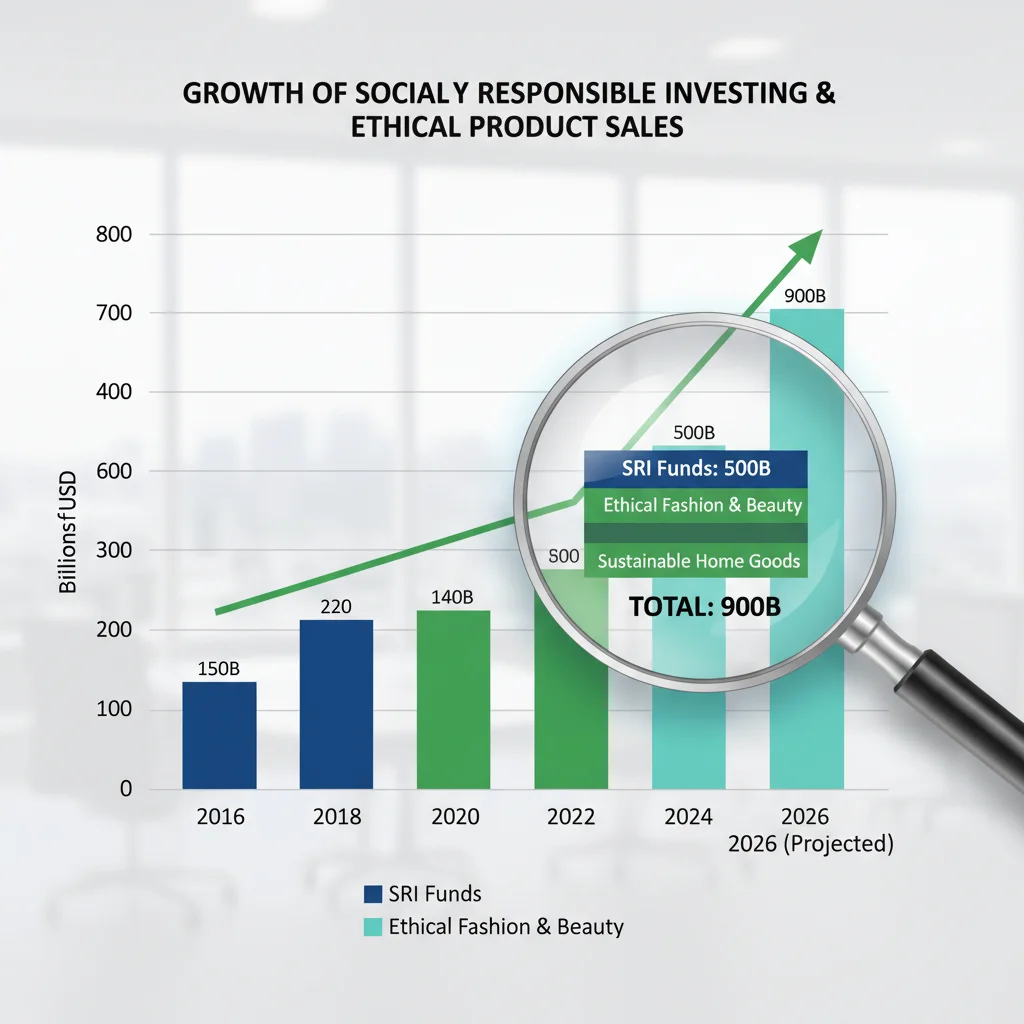
The financial markets are increasingly recognizing the value of ESG (Environmental, Social, and Governance) factors. Socially responsible investing (SRI) funds are growing rapidly, and investors are actively seeking out companies with strong ESG performance. Brands that demonstrate a commitment to conscious practices often find it easier to access capital, attract impact investors, and command higher valuations. This integration of ethical considerations into financial decision-making highlights the profound financial implications of conscious consumerism.
Recent Updates and Key Trends in Conscious Consumerism
The landscape of conscious consumerism is constantly evolving. Staying abreast of the latest trends and updates is crucial for brands looking to effectively engage with this powerful consumer segment. Here are some of the most significant recent developments:
The Rise of Circular Economy Models
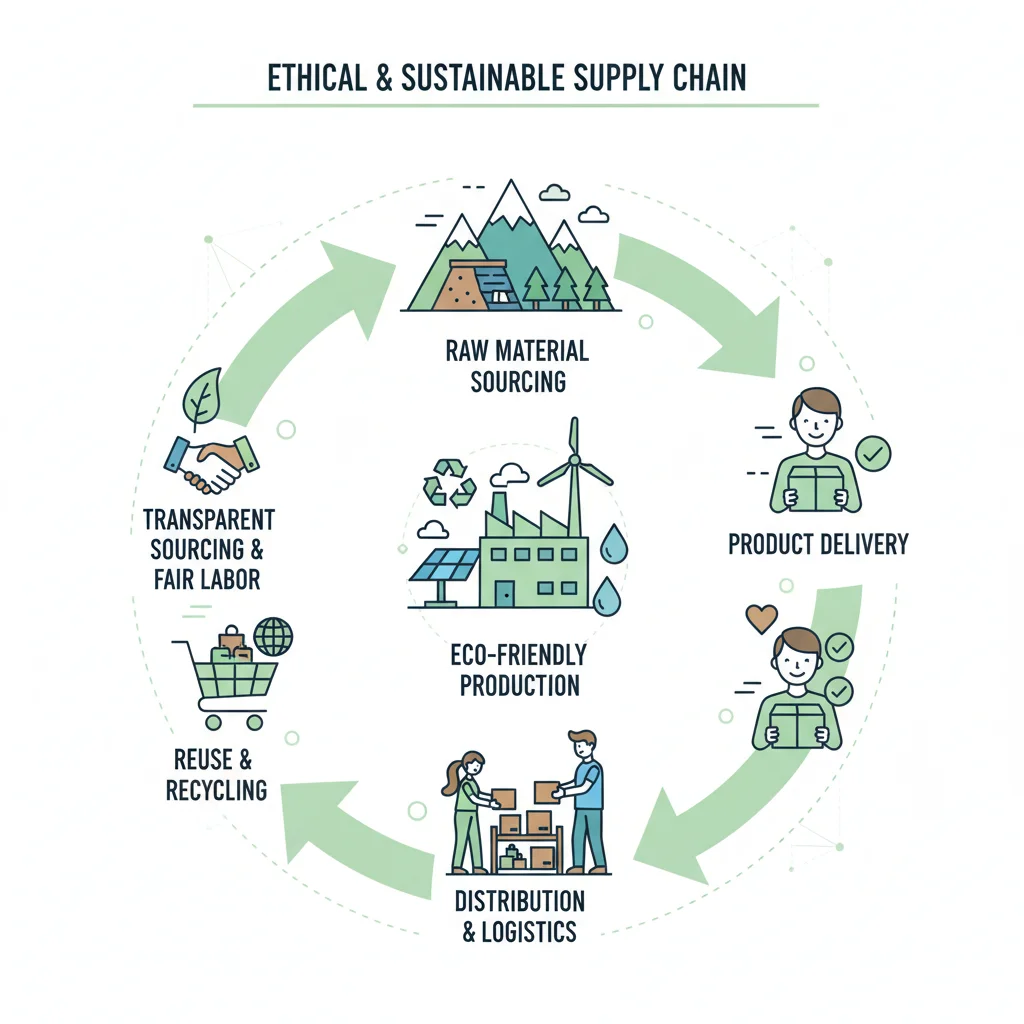
Beyond simply reducing waste, consumers are increasingly interested in brands that embrace circular economy principles. This involves designing products for longevity, repairability, and recyclability, keeping materials in use for as long as possible. Brands offering repair services, take-back programs, or products made from recycled content are gaining significant traction. This shift from a linear "take-make-dispose" model to a circular one represents a major opportunity for innovation and a strong signal of conscious consumerism impact.
Demand for Supply Chain Transparency
Consumers are no longer satisfied with vague statements about ethical sourcing. They demand concrete evidence and transparency across the entire supply chain. Technologies like blockchain are being explored to provide immutable records of product origins, labor conditions, and environmental certifications. Brands that can offer this level of detail build trust and credibility, differentiating themselves in a crowded market.
Focus on Social Justice and Inclusivity
While environmental concerns remain paramount, there’s a growing emphasis on social justice issues. Consumers want to support brands that champion diversity, equity, and inclusion, both within their organizations and through their external actions. This includes fair labor practices, representation in marketing, and support for marginalized communities. Brands that actively take a stand on social issues, rather than remaining neutral, often resonate more deeply with conscious consumers.
The Influence of Gen Z and Millennials
These generations are at the forefront of the conscious consumer movement. Having grown up with constant access to information and facing pressing global challenges, they are inherently more attuned to ethical and environmental issues. As their purchasing power continues to grow, their influence on brand behavior will only intensify. Brands that fail to connect with these demographics on a values-based level risk obsolescence. Understanding their motivations is key to harnessing the conscious consumerism impact.
Greenwashing Scrutiny
As more brands claim to be sustainable or ethical, consumers are becoming increasingly skeptical of "greenwashing" – misleading claims about environmental practices. They are adept at spotting superficial efforts and demand genuine commitment. Brands must back up their claims with verifiable actions, certifications, and measurable impact to avoid backlash and maintain credibility. Authenticity is paramount.
Strategies for Brands to Thrive in the Conscious Consumer Era
For brands to not only survive but thrive in this new landscape, a strategic and authentic approach to conscious consumerism is essential. Here are key strategies:
Integrate Sustainability and Ethics into Core Business Strategy
Conscious practices cannot be an afterthought or a separate CSR department. They must be woven into the very fabric of the business, from product design and sourcing to marketing and corporate governance. This requires a top-down commitment and a cultural shift within the organization. A holistic approach ensures that the conscious consumerism impact is positive and sustainable for the business.
Invest in Supply Chain Transparency and Traceability
Brands need to gain a comprehensive understanding of their entire supply chain, identifying and addressing potential ethical and environmental risks. This may involve closer collaboration with suppliers, independent audits, and leveraging technology to track materials and labor conditions. Communicating these efforts effectively to consumers builds trust.
Develop Sustainable Product Offerings
Innovate to create products that are inherently more sustainable. This could mean using recycled or renewable materials, designing for durability and repair, reducing packaging, or offering circular economy solutions like rental or subscription models. Meeting consumer demand for eco-friendly alternatives is a direct response to the conscious consumerism impact.
Communicate Authentically and Transparently
Honesty is the best policy. Brands should openly share their sustainability journeys, including both successes and challenges. Avoid exaggerated claims and focus on measurable impact. Utilize various channels to communicate these efforts, from product labels and websites to social media and annual impact reports. Storytelling around ethical practices can also be highly effective.
Engage with Stakeholders
Listen to consumers, employees, advocacy groups, and industry experts. Their feedback can provide valuable insights, identify areas for improvement, and help shape more effective conscious strategies. Collaboration with NGOs and other organizations can also amplify a brand’s positive impact.
Measure and Report Impact
What gets measured gets managed. Brands should establish clear metrics for their environmental and social performance and regularly report on their progress. This demonstrates accountability and provides tangible evidence of their commitment, helping to build consumer confidence and trust in their conscious consumerism impact.
Challenges and Opportunities Ahead
While the rise of conscious consumerism presents immense opportunities, it also comes with challenges. The complexity of global supply chains makes complete transparency difficult. The cost of implementing sustainable practices can be higher in the short term, though often yielding long-term financial benefits. Moreover, navigating the fine line between genuine commitment and perceived greenwashing requires careful communication and consistent action.
However, the opportunities far outweigh the challenges. Brands that proactively embrace conscious consumerism are positioning themselves for long-term success. They are building stronger relationships with customers, attracting top talent, reducing operational risks, and fostering innovation. This proactive stance ensures they are not just reacting to market shifts but actively shaping a more sustainable and equitable future.
The Role of Technology in Empowering Conscious Consumers
Technology plays a pivotal role in amplifying the conscious consumerism impact. Mobile apps allow shoppers to scan product barcodes to check ethical ratings, environmental scores, and ingredient lists. AI-powered platforms can analyze a brand’s public data to assess its sustainability performance. Social media platforms provide immediate channels for consumers to voice concerns, share information, and organize collective action. This technological empowerment means that brands are under constant scrutiny, but also have new tools to communicate their efforts effectively.
Furthermore, innovations in sustainable materials, renewable energy, and waste reduction are often driven by technological advancements. From lab-grown alternatives to traditional animal products to advanced recycling techniques, technology is enabling brands to meet conscious consumer demands in ways previously unimaginable. Investing in these technological solutions is becoming increasingly vital for brands aiming to lead in this space.
Governmental and Regulatory Influence
Beyond consumer pressure, governments and regulatory bodies are also beginning to play a more active role in promoting conscious practices. New regulations around carbon emissions, plastic waste, and supply chain due diligence are emerging globally. Brands that are already aligned with conscious consumer principles will find it easier to adapt to these new requirements, potentially gaining a competitive advantage over those who lag. The convergence of consumer demand and regulatory push creates an even stronger imperative for brands to prioritize the conscious consumerism impact.
For instance, extended producer responsibility (EPR) schemes, which hold manufacturers responsible for the entire lifecycle of their products, are becoming more common. This encourages brands to design products that are easier to recycle or reuse, aligning perfectly with circular economy principles favored by conscious consumers. Similarly, labeling requirements for environmental impact or ethical sourcing are becoming more stringent, empowering consumers with more transparent information at the point of purchase.
The Future: A Fully Integrated Approach
Looking towards 2026 and beyond, the distinction between "conscious brands" and "traditional brands" will likely blur. Conscious practices will become the norm, an expected baseline for doing business. Brands that fail to integrate environmental, social, and ethical considerations into their core operations will struggle to remain relevant and competitive. The conscious consumerism impact will transform from a differentiator into a fundamental requirement for market entry.
This future will demand a holistic approach where sustainability and profitability are seen not as opposing forces, but as intrinsically linked. Businesses will need to innovate not just in products, but in their entire business model, seeking to create value for all stakeholders – shareholders, employees, customers, communities, and the planet. This integrated thinking will be the hallmark of successful enterprises in the conscious consumer era.
Conclusion: Embracing the Conscious Consumer Future
The rise of conscious consumerism, with 70% of American shoppers influencing brand decisions by 2026, marks a pivotal moment for the global economy. It’s a powerful signal that consumers are increasingly demanding more than just goods and services; they are demanding responsibility, ethics, and a positive impact from the brands they support. The financial implications are clear: embracing conscious practices is no longer optional but a strategic imperative for long-term viability and growth.
Brands that genuinely commit to environmental stewardship, ethical labor, and social responsibility will not only win the loyalty of a growing segment of the market but will also attract talent, inspire innovation, and secure investor confidence. By focusing on transparency, authenticity, and continuous improvement, businesses can navigate this evolving landscape, capitalize on the immense opportunities, and contribute to a more sustainable and equitable future. The conscious consumerism impact is here to stay, and brands that ignore it do so at their peril.