Smart Home Integration 2026: Seamless Digital Lifestyle Solutions
Smart Home Integration in 2026: 3 Practical Solutions for a Seamless Digital Lifestyle
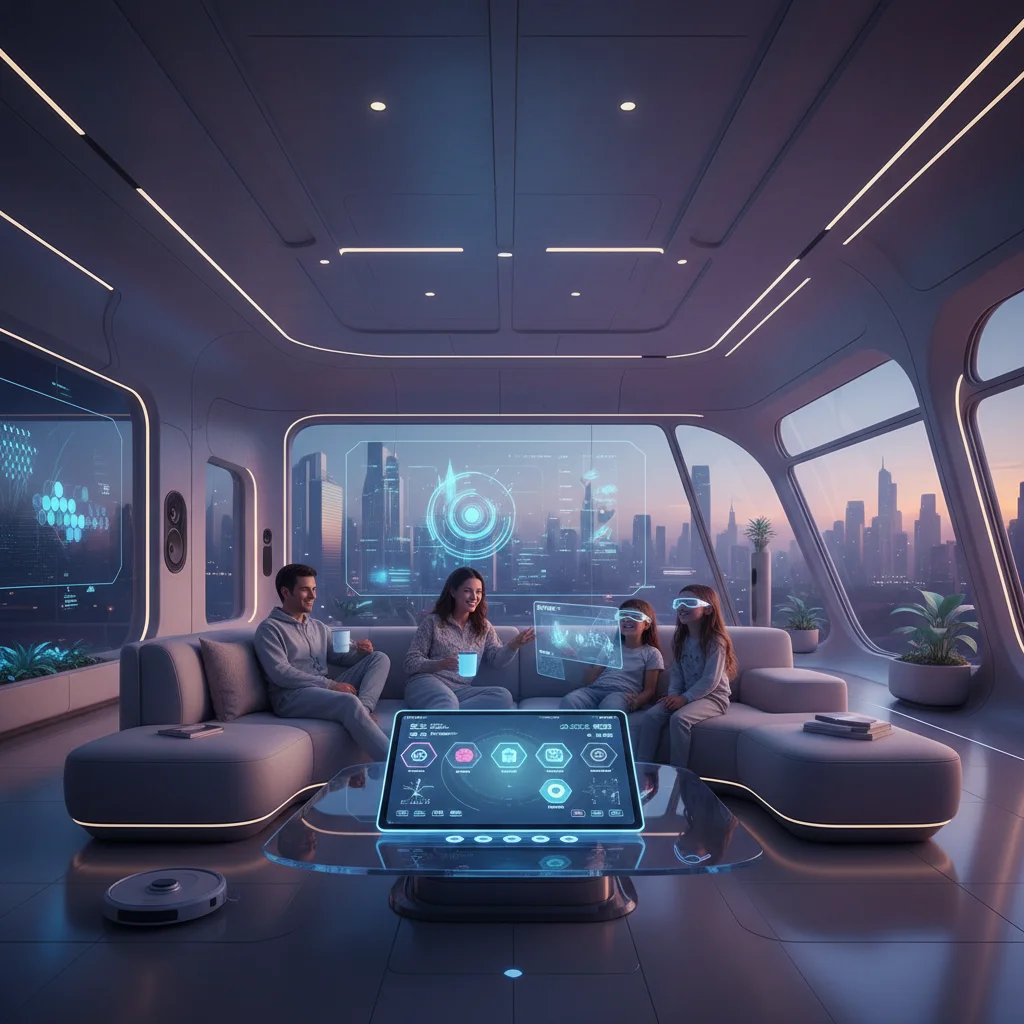
The concept of a ‘smart home’ has evolved dramatically over the past decade, moving from a niche luxury to an increasingly accessible and integral part of modern living. As we look towards 2026, the promise of a truly seamless digital lifestyle powered by advanced Smart Home Integration is not just a dream, but a tangible reality for many. The goal is no longer just about controlling individual devices with an app; it’s about creating an intelligent ecosystem where all your home’s technologies communicate and cooperate harmoniously, anticipating your needs and simplifying your daily routines.
This comprehensive guide will delve into three practical and cutting-edge solutions for Smart Home Integration that are set to define the digital lifestyle of 2026. We’ll explore how these advancements offer unparalleled convenience, enhanced security, and significant energy efficiency, transforming your house into a truly intuitive and responsive living space. Prepare to discover how your home can become a proactive partner in your life, adapting to your preferences and making every day smoother and more efficient.
The Evolution of Smart Home Integration: Beyond Basic Automation
For years, ‘smart home’ often meant a collection of disparate gadgets: a smart thermostat here, a smart speaker there, and a smart lock elsewhere, all often requiring their own apps and offering limited interoperability. This fragmented approach, while providing some benefits, often led to frustration rather than true convenience. The vision for Smart Home Integration in 2026 is fundamentally different. It’s about unification, intelligence, and predictive capabilities.
Modern Smart Home Integration focuses on creating a central nervous system for your home, allowing all devices—from lighting and climate control to security systems and entertainment—to communicate seamlessly and act in concert. This holistic approach means your home isn’t just reacting to your commands; it’s learning your patterns, anticipating your needs, and intelligently automating tasks to enhance your comfort, safety, and efficiency. Imagine your home adjusting the lighting as dusk approaches, pre-cooling the house before your arrival, or even notifying you of unusual activity while you’re away, all without a single prompt from you. This level of proactive intelligence is the hallmark of advanced Smart Home Integration.
The underlying technologies driving this evolution are more robust than ever. Faster and more reliable Wi-Fi 6E, the burgeoning adoption of Matter and Thread protocols for universal compatibility, and the continuous advancements in AI and machine learning are paving the way for a truly interconnected and intelligent home environment. These foundational improvements are making sophisticated Smart Home Integration not only possible but also more stable and user-friendly for the average homeowner.
Furthermore, the focus has shifted from mere gadgetry to practical solutions that address real-world needs. Homeowners are seeking systems that genuinely simplify their lives, reduce their environmental footprint, and provide peace of mind. The three solutions we’ll explore next embody these principles, offering tangible benefits that go far beyond basic automation, truly ushering in a new era of digital living through superior Smart Home Integration.
Solution 1: Unified AI-Powered Control Hubs for Effortless Management
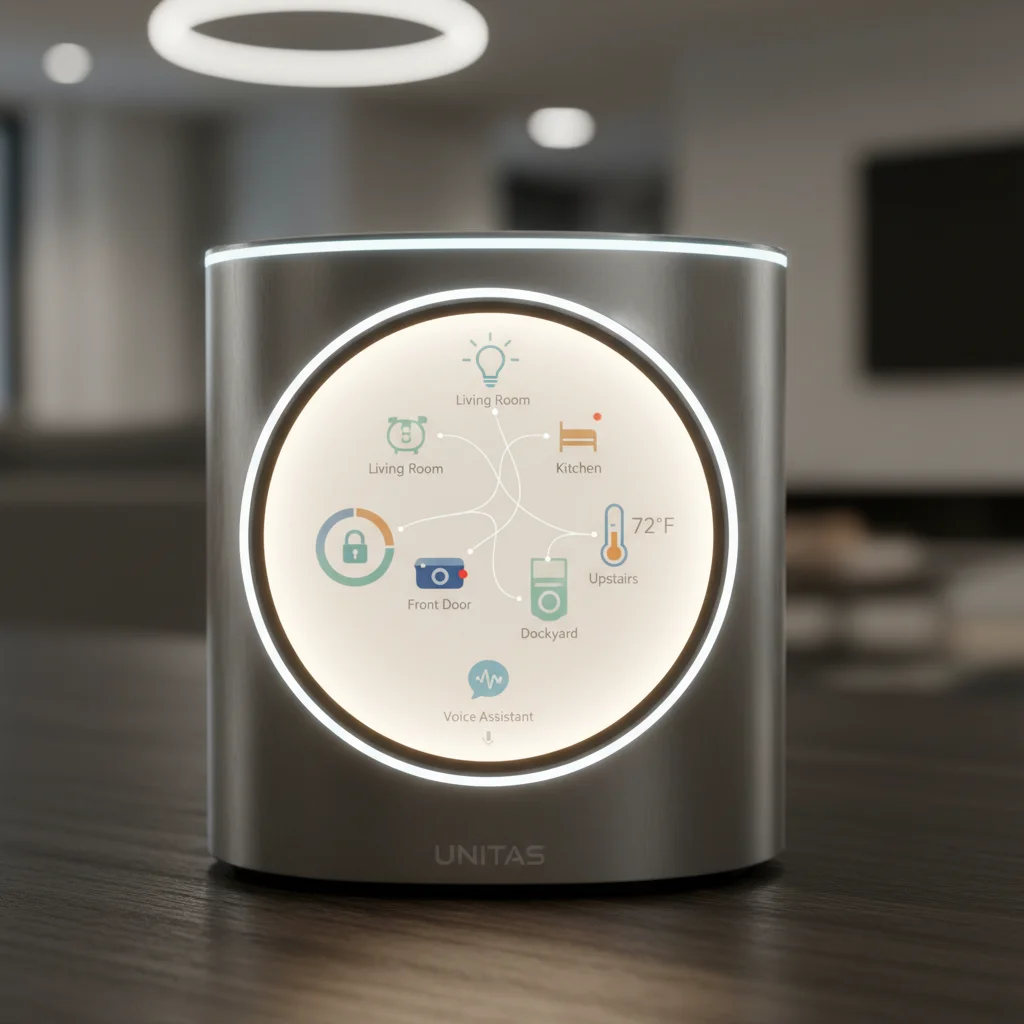
One of the most significant advancements in Smart Home Integration for 2026 is the rise of unified AI-powered control hubs. Gone are the days of juggling multiple apps for different devices. These next-generation hubs serve as the central brain of your smart home, consolidating control over all your connected devices into a single, intuitive interface. But they do more than just centralize; they intelligently learn and adapt to your lifestyle.
These hubs leverage advanced artificial intelligence and machine learning algorithms to observe your habits, preferences, and routines. For example, if you consistently dim the lights and lower the thermostat before bed, the AI will learn this pattern and begin to suggest or even automatically execute these actions for you. If you always listen to a specific playlist while cooking, your smart kitchen speakers might start playing it as soon as you enter the kitchen. This predictive automation moves beyond simple scheduled tasks, making your home truly responsive to the nuances of your daily life through sophisticated Smart Home Integration.
Key Features and Benefits:
- Single-Pane-Of-Glass Control: Manage all your smart devices – lighting, climate, security, entertainment, and even smart appliances – from one dashboard, whether it’s a dedicated touchscreen, your smartphone, or voice commands. This eliminates app fatigue and simplifies interaction with your integrated home.
- Personalized Automation: AI learns your routines and preferences, creating custom automation scenarios without explicit programming. It can adjust environments based on time of day, occupancy, outdoor weather, and even your personal calendar.
- Proactive Problem Solving: These hubs can monitor the performance of your connected devices, alerting you to potential issues before they become major problems. For instance, it might notify you if an air filter needs changing or if an appliance is consuming unusual amounts of power.
- Enhanced Voice Control: While voice assistants have been around, the integration into these hubs makes them far more powerful. You can issue complex multi-device commands, such as ‘Good Morning,’ which could simultaneously open blinds, turn on kitchen lights, start the coffee maker, and play the news.
- Seamless Device Compatibility (Matter/Thread): With the growing adoption of standards like Matter and Thread, these hubs are designed for maximum interoperability, ensuring that devices from different manufacturers can communicate and work together flawlessly, a cornerstone of effective Smart Home Integration.
The beauty of a unified AI-powered control hub lies in its ability to simplify complexity. It takes the myriad of smart devices and orchestrates them into a cohesive, intelligent system that works silently in the background, making your digital lifestyle truly seamless. This level of intelligent automation is a game-changer for homeowners seeking ultimate convenience and efficiency from their Smart Home Integration.
Solution 2: Advanced Biometric and AI-Driven Security Systems
Security has always been a primary concern for homeowners, and Smart Home Integration is revolutionizing this domain. In 2026, advanced biometric and AI-driven security systems are moving far beyond simple motion sensors and traditional alarms, offering unprecedented levels of protection and peace of mind. These systems are not just reactive; they are proactive, intelligent, and deeply integrated into the fabric of your smart home.
Biometric authentication, including facial recognition and fingerprint scanning, is becoming standard for entry points, providing a highly secure and keyless access experience. Imagine approaching your front door, and it seamlessly unlocks as it recognizes your face, while simultaneously disarming the alarm and adjusting the indoor climate to your preference. This level of personalized, secure access is a direct result of sophisticated Smart Home Integration.
Furthermore, AI-driven surveillance cameras are transforming security monitoring. These aren’t just recording devices; they are intelligent observers capable of distinguishing between pets, delivery personnel, known visitors, and potential intruders. They can identify unusual behavior patterns, such as someone loitering around your property, and send immediate, actionable alerts to your devices or even directly to security services. False alarms are dramatically reduced, and genuine threats are identified and addressed with greater speed and accuracy.
Key Features and Benefits:
- Multi-Factor Biometric Access: Utilize facial recognition, fingerprint scanners, and even voice authentication for secure, keyless entry. These systems can be programmed to grant different levels of access to various family members or trusted visitors, enhancing the flexibility of your Smart Home Integration.
- Intelligent Threat Detection: AI-powered cameras and sensors can differentiate between genuine threats and everyday occurrences, minimizing false alarms. They can detect anomalies in behavior, sound, and movement, providing a highly refined security perimeter.
- Automated Response Protocols: In the event of a detected threat, the integrated system can initiate a series of automated responses: locking all doors, activating internal and external sirens, flashing lights, recording high-definition video, and immediately notifying authorities or designated contacts.
- Remote Monitoring and Control: Access live feeds from anywhere in the world, arm or disarm your system, and review event logs directly from your smartphone or integrated hub. This gives you complete control and visibility over your home’s security at all times.
- Integration with Environmental Sensors: Beyond intruders, these systems integrate with smoke, CO, and water leak detectors. In an emergency, they can automatically shut off gas lines, alert emergency services, and even unlock doors for first responders, providing a comprehensive safety net through robust Smart Home Integration.
The peace of mind offered by advanced biometric and AI-driven security systems is invaluable. By leveraging the power of Smart Home Integration, these solutions provide a layered defense that is both highly effective and incredibly user-friendly, ensuring your home and loved ones are protected around the clock.
Solution 3: Predictive Energy Management for Sustainable Living
As environmental consciousness grows and energy costs fluctuate, optimizing home energy consumption is a top priority. Smart Home Integration in 2026 offers sophisticated predictive energy management systems that go beyond simple programmable thermostats, enabling truly sustainable and cost-efficient living. These systems are designed to learn, anticipate, and optimize your energy usage across all connected devices.
At the core of this solution is a central energy management platform that monitors real-time energy consumption from every smart appliance, lighting fixture, and climate control unit. It then uses AI to analyze this data in conjunction with external factors like weather forecasts, energy grid pricing (if applicable), and your personal occupancy patterns. For instance, if a heatwave is predicted, the system might pre-cool your home during off-peak hours when electricity is cheaper, ensuring comfort without incurring high costs. This proactive optimization is a hallmark of intelligent Smart Home Integration.
Furthermore, these systems can identify energy vampires—devices that consume power even when not in use—and suggest or automatically implement solutions, such as smart plugs that cut power when devices are idle. They can also prioritize energy usage, ensuring critical appliances have power during peak times or in the event of grid instability, especially when integrated with home battery storage or solar panels.
Key Features and Benefits:
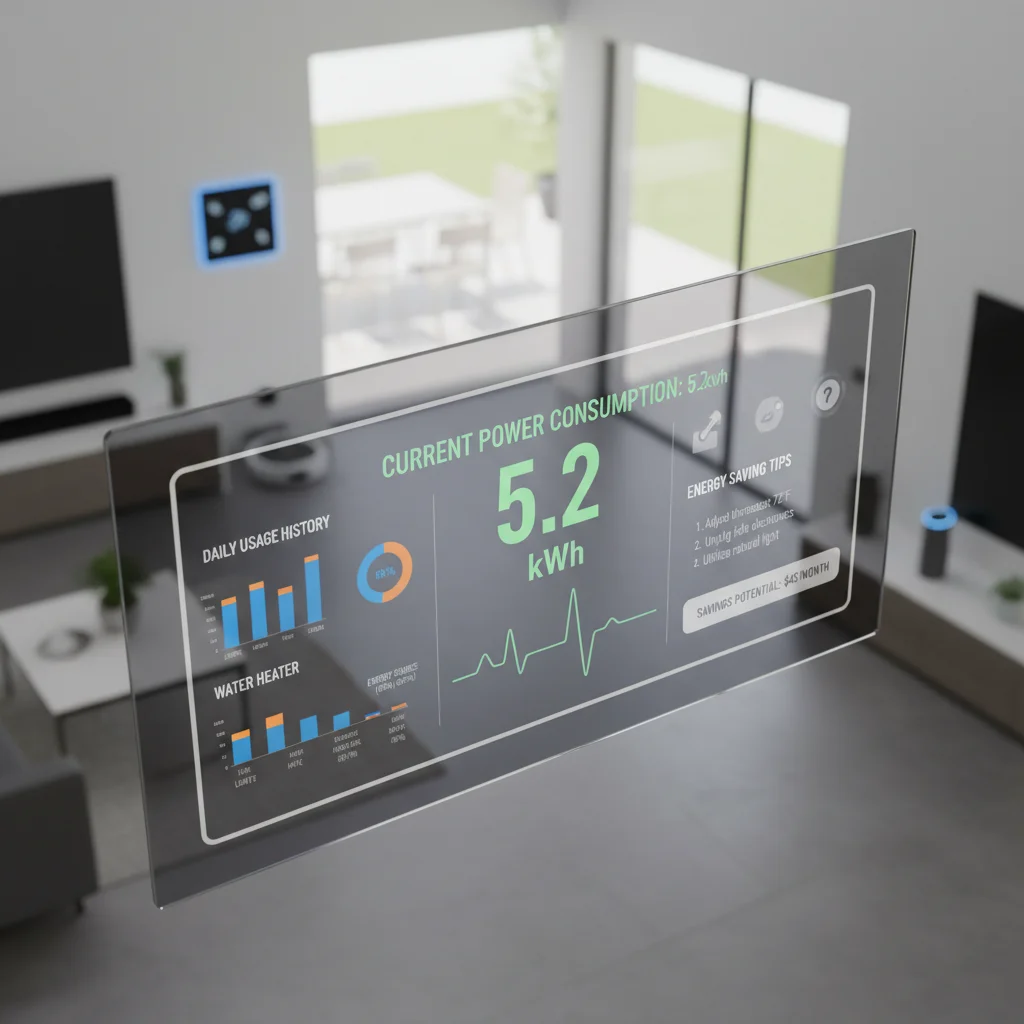
- Real-time Energy Monitoring: Gain granular insight into where and how your home consumes energy, allowing you to identify inefficiencies and make informed decisions.
- AI-Powered Optimization: The system learns your energy habits and external conditions to predict and adjust energy usage for maximum efficiency and cost savings. This includes dynamic thermostat adjustments, smart lighting schedules, and appliance operation based on grid demand and cost.
- Integration with Renewables & Storage: Seamlessly integrate with solar panels, home battery storage systems, and electric vehicle (EV) chargers. The system can intelligently manage energy flow, prioritizing self-consumption of solar power, charging EVs during off-peak hours, and drawing from battery reserves when grid prices are high. This creates a truly self-sufficient and resilient energy ecosystem through advanced Smart Home Integration.
- Personalized Energy Reports & Recommendations: Receive regular reports on your energy consumption, along with tailored recommendations for further savings. These insights empower you to make more sustainable choices.
- Automated Load Shifting: The system can automatically shift energy-intensive tasks, like running the dishwasher or laundry, to times when electricity is cheaper or when solar power generation is abundant, optimizing both cost and environmental impact.
Embracing predictive energy management through advanced Smart Home Integration not only contributes to a greener planet but also significantly reduces your utility bills, making sustainable living more accessible and economically viable for every household. It’s a win-win for your wallet and the environment.
The Future is Integrated: Preparing Your Home for 2026 and Beyond
The landscape of home technology is evolving at an incredible pace, and Smart Home Integration is at the forefront of this transformation. The three solutions discussed—unified AI-powered control hubs, advanced biometric and AI-driven security systems, and predictive energy management—represent the pinnacle of what’s possible in 2026. They move beyond fragmented devices to create a cohesive, intelligent, and responsive living environment that truly understands and caters to your needs.
Adopting these solutions isn’t just about acquiring new gadgets; it’s about investing in a lifestyle that offers unparalleled convenience, enhanced security, and significant contributions to environmental sustainability. The seamless interplay between devices, driven by advanced AI and robust communication protocols, means your home will no longer just be a structure but an active participant in your daily well-being.
Tips for Embracing Next-Gen Smart Home Integration:
- Start with a Strong Foundation: Ensure your home network is robust and capable of handling numerous connected devices. Upgrading to Wi-Fi 6E can provide the necessary bandwidth and stability for extensive Smart Home Integration.
- Prioritize Compatibility: When purchasing new smart devices, look for those that support universal standards like Matter and Thread. This will ensure they can seamlessly integrate with your central hub and other devices, avoiding compatibility headaches in the future.
- Plan Your Ecosystem: Think holistically about what you want your smart home to achieve. Do you prioritize security, energy savings, or pure convenience? A clear vision will help you choose the right hub and devices for your specific needs.
- Consider Professional Installation for Complex Systems: While many smart devices are DIY-friendly, complex whole-home systems, especially those involving security or energy management, may benefit from professional installation to ensure optimal performance and integration.
- Stay Informed: The technology is constantly advancing. Keep an eye on new developments, software updates, and emerging standards to ensure your Smart Home Integration remains cutting-edge and efficient.
The journey towards a fully integrated smart home is an exciting one. By strategically adopting these practical solutions, homeowners can unlock the full potential of their living spaces, creating a digital lifestyle that is not only convenient and secure but also sustainable and forward-thinking. The future of living is intelligent, interconnected, and within reach, thanks to the power of advanced Smart Home Integration.
The Impact of Seamless Digital Living on Daily Life
The profound impact of effective Smart Home Integration extends far beyond mere technological novelty; it fundamentally reshapes daily life, offering a level of comfort, efficiency, and peace of mind previously unimaginable. Consider the cumulative effect of these integrated systems: your morning routine becomes effortlessly orchestrated, your home proactively secures itself when you leave, and your energy consumption is intelligently optimized without conscious effort. This is the promise of a truly seamless digital lifestyle in 2026.
For individuals with busy schedules, Smart Home Integration frees up valuable time and mental bandwidth. No more wondering if you locked the door or turned off the lights; your home handles it. For families, it creates a safer and more harmonious environment, with personalized settings for each member and robust security measures. For the environmentally conscious, it provides tangible ways to reduce carbon footprint and save on utility bills, making sustainable living both practical and rewarding.
Moreover, the accessibility features often built into these integrated systems can be life-changing for elderly individuals or those with disabilities. Voice control, automated lighting, and remote monitoring capabilities can significantly enhance independence and safety within the home. The future of Smart Home Integration is inclusive, designed to benefit everyone.
The true magic of Smart Home Integration lies in its ability to fade into the background, working silently and efficiently to enhance your life without demanding constant attention. It’s about technology serving humanity, rather than the other way around. As these systems become even more sophisticated and ubiquitous, our homes will evolve into intuitive partners, continually adapting to our lives and making every day a little bit better.
Addressing Concerns: Privacy, Security, and Connectivity
While the benefits of advanced Smart Home Integration are compelling, it’s crucial to address common concerns regarding privacy, security, and connectivity. As more devices become interconnected and gather data, questions about data protection and potential vulnerabilities naturally arise. Manufacturers and industry standards are making significant strides to mitigate these risks, but user awareness remains paramount.
Privacy and Data Security:
- Encryption and Secure Protocols: Reputable smart home manufacturers are increasingly implementing end-to-end encryption for data transmission and storage, ensuring that your personal information and home activity remain private. Look for devices and hubs that explicitly state their security measures.
- Local Processing vs. Cloud: Many advanced AI hubs are moving towards more on-device processing for sensitive data, reducing reliance on cloud servers and enhancing privacy. Understand what data is processed locally versus in the cloud for your chosen system.
- User Control Over Data: Good Smart Home Integration platforms provide users with clear controls over their data, including options to review, delete, or limit data collection. Always review privacy policies carefully.
- Regular Software Updates: Timely firmware and software updates are critical for patching security vulnerabilities. Ensure your smart home devices and hub are configured for automatic updates or that you regularly check for them.
Connectivity and Reliability:
- Robust Home Network: As mentioned, a strong and reliable Wi-Fi network (ideally Wi-Fi 6E) is the backbone of any effective Smart Home Integration. Consider mesh Wi-Fi systems for larger homes to eliminate dead zones.
- Redundancy and Offline Capabilities: Some advanced systems offer local processing and limited functionality even if your internet connection goes down. This ensures basic automations and security features remain operational.
- Universal Standards (Matter/Thread): The adoption of these new standards is specifically designed to improve interoperability and reliability across different brands, reducing connection issues and simplifying the setup process for robust Smart Home Integration.
By choosing reputable brands, understanding privacy settings, and maintaining a secure network, homeowners can enjoy the full benefits of Smart Home Integration while minimizing potential risks. The industry is committed to building trust through enhanced security and user-centric design, making the smart home of 2026 not just intelligent, but also safe and dependable.
Conclusion: Embracing the Seamless Digital Lifestyle of 2026
The journey towards a truly seamless digital lifestyle through Smart Home Integration is no longer a futuristic fantasy but a present-day reality rapidly expanding its capabilities. The three practical solutions we’ve explored—unified AI-powered control hubs, advanced biometric and AI-driven security systems, and predictive energy management—are poised to redefine how we interact with our homes in 2026 and beyond.
These innovations offer more than just convenience; they provide a foundation for a more secure, efficient, and personalized living experience. Your home will become an intuitive partner, anticipating your needs, safeguarding your loved ones, and actively contributing to a sustainable future. The fragmentation of past smart home attempts is giving way to a cohesive, intelligent ecosystem where every device works in harmony, driven by sophisticated AI and robust connectivity.
As you consider embarking on or upgrading your own Smart Home Integration journey, remember to prioritize compatibility, plan your ecosystem thoughtfully, and stay informed about the latest advancements. The benefits of a truly integrated smart home—from effortless daily routines to enhanced peace of mind and significant cost savings—are within reach. Embrace the future of living, where technology seamlessly blends into the fabric of your home, creating a digital lifestyle that is truly remarkable.