Smart Home Integration 2026: Efficiency, Privacy, and Financial Impact
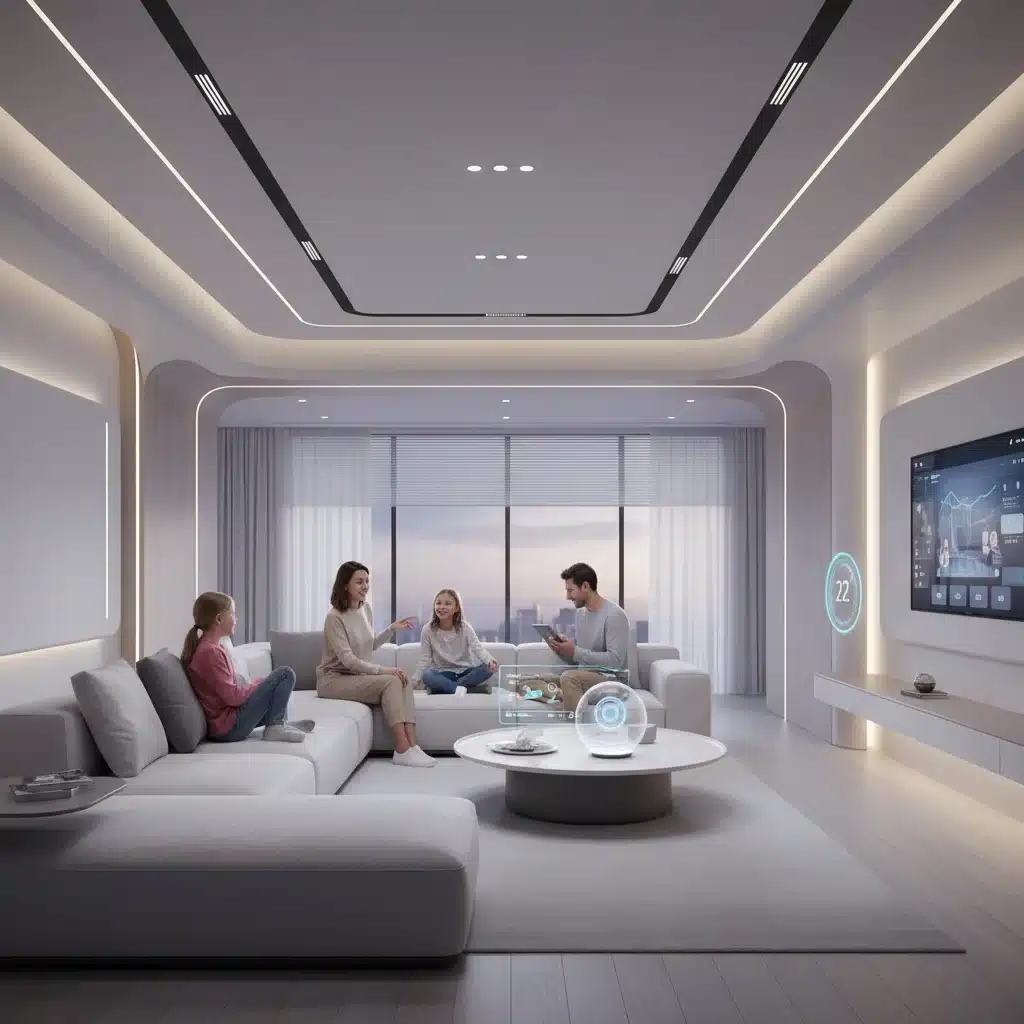
Smart Home Integration in 2026: Maximizing Efficiency and Privacy with 3 Key Strategies (Financial Impact)
The dawn of 2026 brings with it an unprecedented evolution in how we interact with our living spaces. Smart home integration is no longer a luxury; it’s rapidly becoming a fundamental aspect of modern living, promising not just convenience but also significant strides in efficiency, security, and personal well-being. As technology advances, so too do the complexities and opportunities surrounding these interconnected ecosystems. This comprehensive guide will delve into the critical aspects of smart home integration in 2026, focusing on three pivotal strategies to maximize efficiency, safeguard privacy, and understand the profound financial impact of these intelligent systems.
From automated climate control that learns your habits to advanced security systems that anticipate threats, the potential of a truly integrated smart home is immense. However, realizing this potential requires a strategic approach, careful planning, and an understanding of the underlying technologies and their implications. We’ll explore how to navigate the burgeoning market, select the right technologies, and implement solutions that genuinely enhance your lifestyle while offering a tangible return on investment.
The journey towards a fully integrated smart home is multifaceted, touching upon areas from energy consumption and carbon footprint reduction to robust data protection and the appreciation of property value. By 2026, the landscape of smart home technology will be more sophisticated, more interconnected, and more integral to our daily lives than ever before. Let’s embark on this exploration to uncover the future of intelligent living.
Understanding the Evolution of Smart Home Integration by 2026
The concept of a smart home has been around for decades, but the rapid advancements in Artificial Intelligence (AI), Machine Learning (ML), and the Internet of Things (IoT) have propelled smart home integration into a new era. By 2026, we’re not just talking about individual smart devices; we’re envisioning cohesive ecosystems where every component communicates seamlessly, intelligently anticipating needs and reacting to environmental changes with minimal human intervention. This shift from isolated gadgets to integrated systems is the cornerstone of modern smart living.
The Rise of AI-Powered Personalization
One of the most significant developments in smart home integration is the increasing role of AI in personalization. Gone are the days of rigid programming; today’s smart homes learn from your routines, preferences, and even your mood. AI algorithms analyze data from various sensors – light, temperature, motion, sound – to create an environment that is perfectly tailored to your needs. This means your lighting adjusts not just to the time of day, but to your activity; your thermostat anticipates your arrival home and pre-heats or cools accordingly; and your entertainment system suggests content based on your past viewing habits and current time of day. This level of personalization elevates convenience and comfort to an art form.
Interoperability and Open Standards
A persistent challenge in early smart home adoption was the lack of interoperability between devices from different manufacturers. Proprietary ecosystems often locked users into specific brands, limiting choice and hindering true integration. By 2026, the industry is moving towards more open standards and protocols, such as Matter, HomeKit, and Zigbee, fostering a more collaborative environment. This push for interoperability is crucial for seamless smart home integration, allowing devices from various brands to communicate and work together effortlessly. This not only expands consumer choice but also future-proofs smart home investments, ensuring compatibility as new technologies emerge.
Enhanced Connectivity: 5G and Beyond
The advent of 5G and subsequent generations of wireless technology plays a pivotal role in strengthening smart home integration. Higher bandwidth, lower latency, and increased device capacity mean that more devices can communicate faster and more reliably. This is particularly important for applications requiring real-time data processing, such as home security systems with high-definition video streaming, or complex automation routines that depend on instantaneous reactions. The robust connectivity provided by advanced wireless networks ensures that your smart home operates smoothly and efficiently, even with a multitude of interconnected devices.
Strategy 1: Maximizing Efficiency Through Intelligent Automation
The primary allure of smart home integration for many lies in its potential to dramatically enhance efficiency. This isn’t just about saving time; it’s about optimizing resource consumption, reducing waste, and creating a more sustainable living environment. By 2026, intelligent automation will be at the forefront of achieving these goals.
Dynamic Energy Management Systems
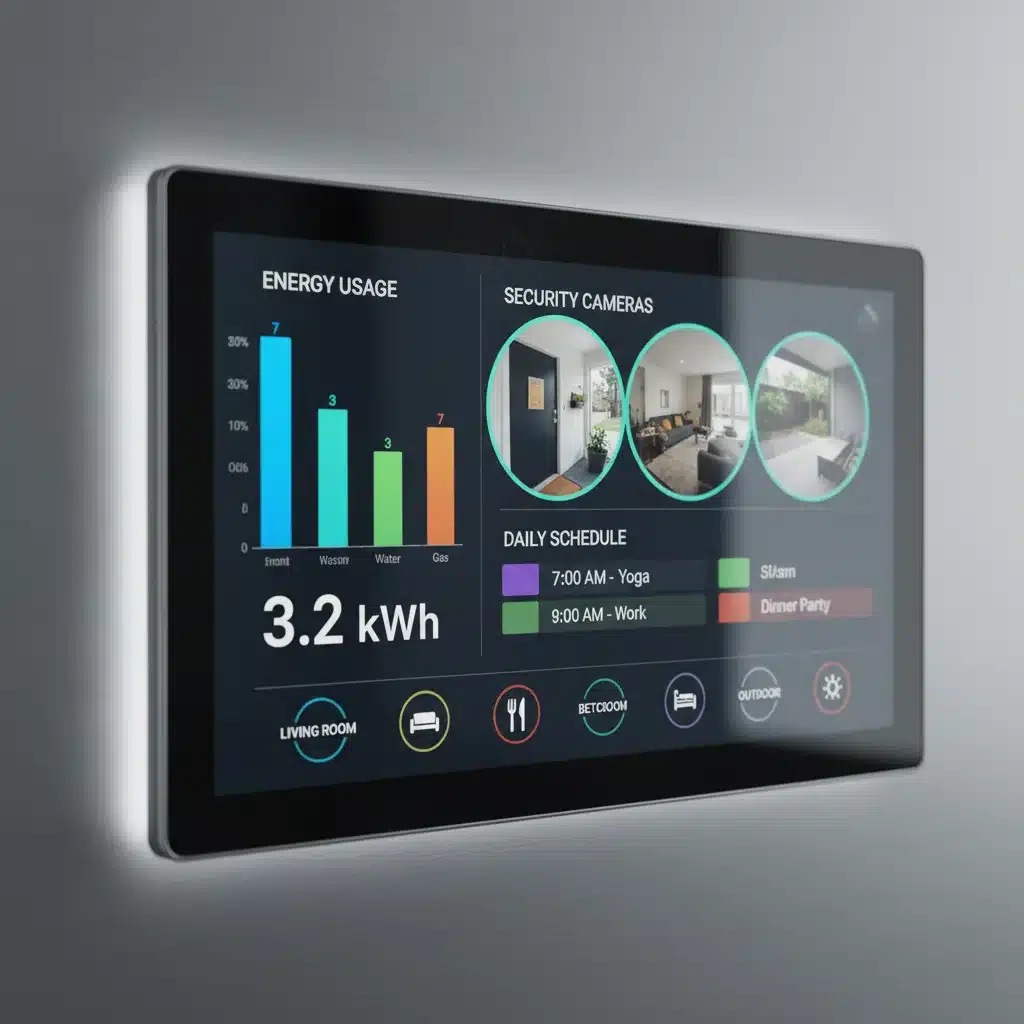
Energy consumption is a significant concern for homeowners, both financially and environmentally. Smart thermostats have been a staple of efficient homes for years, but by 2026, dynamic energy management systems will take this to the next level. These systems integrate with smart grids, solar panels, and even electric vehicle charging stations to intelligently manage your home’s energy flow. They can learn peak and off-peak electricity rates, automatically adjust energy usage to minimize costs, and even sell excess solar energy back to the grid. Predictive algorithms analyze weather patterns, occupancy sensors, and historical data to fine-tune heating, cooling, and lighting, ensuring comfort while drastically cutting utility bills. This advanced smart home integration offers substantial financial benefits and contributes to a greener planet.
Automated Lighting and Climate Control
Beyond simple scheduling, automated lighting and climate control systems in 2026 will be hyper-responsive and adaptive. Smart lighting will not only adjust brightness and color temperature based on natural light availability and time of day but also respond to occupancy, ensuring lights are only on when needed. Similarly, climate control will integrate with window sensors, automatically adjusting when a window is open, or even pre-emptively closing blinds on a sunny day to reduce heat gain. These subtle yet powerful automations, facilitated by deep smart home integration, contribute significantly to energy savings without compromising comfort.
Water Conservation and Leak Detection
Water efficiency is another critical area where smart home integration shines. Smart irrigation systems use local weather data, soil moisture sensors, and plant-specific needs to water your garden precisely, avoiding waste. Inside the home, smart leak detectors can monitor water usage patterns, identify anomalies, and even shut off the main water supply in case of a burst pipe, preventing costly damage. These systems offer peace of mind and contribute to substantial savings on water bills and potential insurance claims, showcasing the direct financial impact of smart technology.
Strategy 2: Fortifying Privacy and Security in a Connected Home
As our homes become increasingly connected, the importance of robust privacy and security measures cannot be overstated. By 2026, a truly intelligent smart home integration prioritizes the protection of personal data and the physical security of your living space. This strategy involves a multi-layered approach, combining advanced technology with user awareness and control.
End-to-End Encryption and Data Anonymization
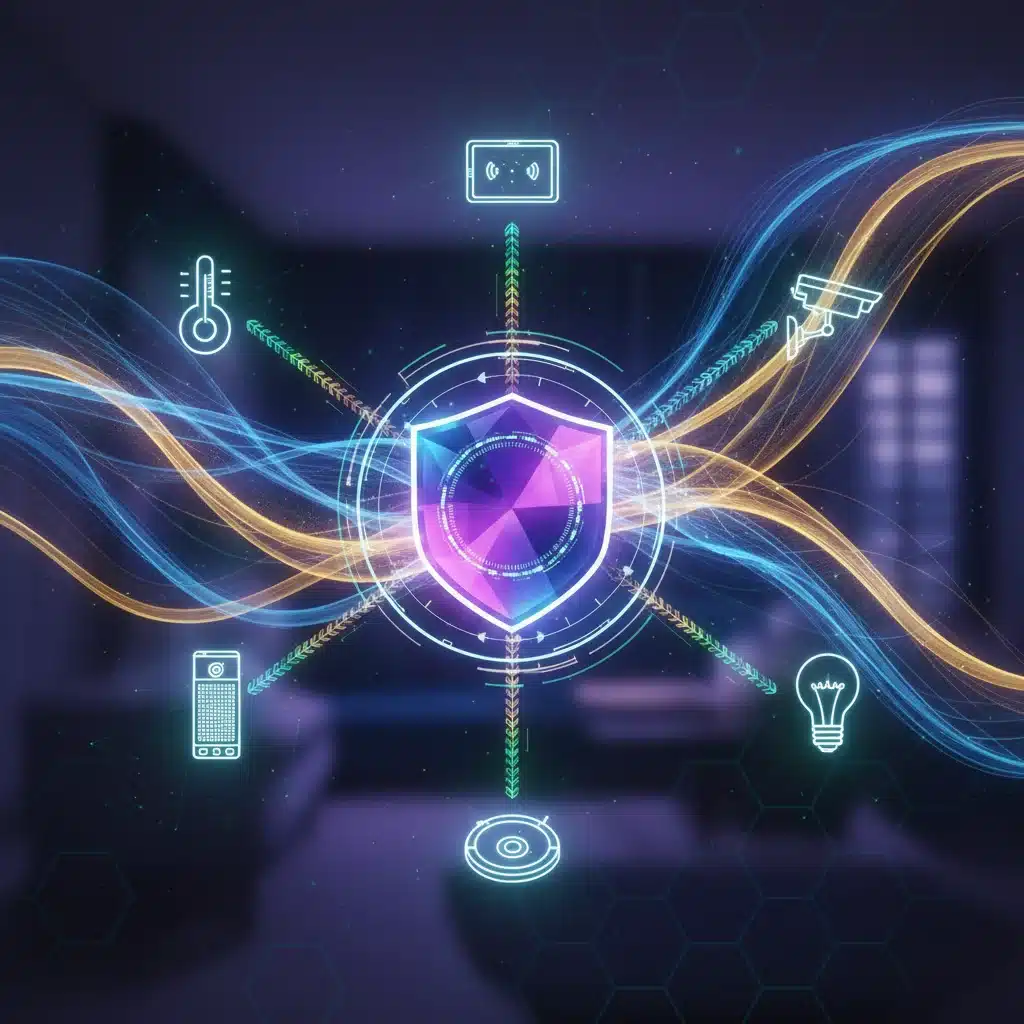
The sheer volume of data generated by smart homes – from voice commands to video feeds and occupancy patterns – makes data security paramount. Leading smart home manufacturers are now implementing end-to-end encryption for all data transmitted between devices and cloud services. This ensures that only authorized users can access sensitive information. Furthermore, advancements in data anonymization techniques mean that personal identifiers can be removed from aggregated data used for system improvements, protecting individual privacy while still allowing for beneficial data analysis. When considering smart home integration, always prioritize brands with transparent data privacy policies and strong encryption protocols.
Advanced Biometric Authentication and Multi-Factor Security
Traditional passwords are no longer sufficient for securing our digital lives, and this extends to our smart homes. By 2026, biometric authentication methods like fingerprint scanning, facial recognition, and voice biometrics will be standard for accessing smart home controls and sensitive areas. These technologies offer a higher level of security, as they are unique to the individual. Coupled with multi-factor authentication (MFA), which might involve a combination of biometrics, a PIN, and a trusted device, unauthorized access becomes significantly more difficult. This robust security framework is crucial for protecting your digital footprint and the physical integrity of your home within a complex smart home integration.
Proactive Threat Detection and AI-Powered Surveillance
Smart security systems are evolving beyond simple motion detection. AI-powered surveillance cameras can differentiate between pets, vehicles, and humans, reducing false alarms. They can also detect unusual patterns of behavior, such as someone loitering outside your property, and send proactive alerts. Integrated with smart locks, alarm systems, and even drone surveillance, these systems offer a formidable defense. Furthermore, network security within the smart home is being enhanced with AI-driven intrusion detection systems that monitor network traffic for suspicious activity, blocking potential cyber threats before they can compromise your devices or data. This holistic approach to security is a cornerstone of effective smart home integration.
Strategy 3: Understanding the Financial Impact and Return on Investment
While the benefits of convenience, efficiency, and security are compelling, the financial implications of smart home integration are a crucial consideration. By 2026, the market offers a wide range of options, from budget-friendly DIY setups to high-end professional installations. Understanding the potential costs and returns is key to making informed decisions.
Initial Investment vs. Long-Term Savings
The upfront cost of a comprehensive smart home system can be substantial, especially for advanced integrations. However, it’s essential to view this as an investment rather than an expense. The long-term savings generated through reduced energy consumption, lower insurance premiums (due to enhanced security), and proactive maintenance can quickly offset the initial outlay. For example, a smart thermostat might cost a few hundred dollars, but studies show it can save homeowners hundreds annually on energy bills. Similarly, advanced leak detection can prevent thousands in water damage. Calculating the return on investment (ROI) requires a careful assessment of your specific usage patterns and the features of the chosen smart home integration.
Increased Property Value and Market Appeal
A well-integrated smart home can significantly increase your property’s market value. As technology becomes more commonplace, buyers increasingly expect smart features. Homes equipped with state-of-the-art energy management, security, and automation systems are more attractive and can command higher prices. This added appeal can be a significant financial benefit, particularly in competitive real estate markets. Furthermore, the perceived modernity and efficiency of a smart home can accelerate the selling process, minimizing time on the market. This aspect of smart home integration provides a tangible financial advantage for homeowners.
Maintenance, Upgrades, and Subscription Models
Beyond the initial purchase, it’s important to factor in ongoing costs associated with smart home integration. This includes potential maintenance for devices, software updates, and, increasingly, subscription fees for premium features. Many smart security systems, for instance, offer cloud storage for video footage or professional monitoring services for a monthly fee. While these subscriptions provide enhanced functionality and peace of mind, they add to the overall cost of ownership. Budgeting for these recurring expenses is vital for a realistic financial assessment. However, the benefits derived, such as continuous security updates and advanced features, often justify these costs, ensuring your smart home remains cutting-edge and secure.
Future Trends and Considerations for Smart Home Integration in 2026
Looking beyond the immediate strategies, several emerging trends will shape the future of smart home integration. These considerations are vital for anyone planning to invest in or upgrade their smart home ecosystem.
Ambient Computing and Invisible Interfaces
The goal of future smart home integration is to make technology disappear into the background. Ambient computing aims for a seamless, intuitive interaction where technology anticipates your needs without explicit commands. Imagine a home that adjusts lighting, temperature, and music based on your presence, activity, and even biometrics, all without you having to touch a screen or utter a voice command. Invisible interfaces, embedded within furniture, walls, or even clothing, will replace visible screens and buttons, making the technology truly ambient and integrated into the fabric of your home.
Health and Wellness Integration
By 2026, smart home integration will extend significantly into health and wellness. Devices capable of monitoring vital signs, sleep patterns, and air quality will become commonplace. Smart beds that track sleep cycles, smart mirrors that analyze skin health, and air purifiers that actively remove pollutants are just the beginning. These systems will not only provide valuable insights into personal health but can also alert caregivers or medical professionals in emergencies, offering a new layer of safety and support, particularly for elderly residents or individuals with chronic conditions. This intersection of smart home and health technology promises a future where our homes actively contribute to our well-being.
Sustainability and Eco-Conscious Integration
As environmental awareness grows, so too will the demand for eco-conscious smart home integration. This goes beyond energy efficiency to encompass water recycling systems, smart waste management that optimizes recycling and composting, and even homes built with sustainable, smart materials that adapt to environmental conditions. Integration with local smart grids will allow homes to become active participants in energy conservation efforts, shifting consumption during peak times and drawing power from renewable sources. The financial benefits here are twofold: reduced utility costs and the potential for government incentives for eco-friendly homes.
Implementing Your Smart Home Integration Strategy
Embarking on or expanding your smart home integration journey requires careful planning. Here are practical steps to ensure success:
- Assess Your Needs and Priorities: What problems are you trying to solve? Is it energy savings, security, convenience, or a combination? Your priorities will dictate the type of systems you invest in.
- Start Small and Expand: You don’t need to automate your entire home overnight. Begin with a few key devices, like a smart thermostat or smart lighting, and gradually expand your system as you become more comfortable and identify additional needs.
- Choose Compatible Ecosystems: Research devices and platforms that are known for their interoperability. Look for certifications like Matter or compatibility with major platforms like Apple HomeKit, Google Home, or Amazon Alexa to ensure seamless smart home integration.
- Prioritize Security and Privacy: Always choose reputable brands with strong security features, clear privacy policies, and a track record of regular software updates. Understand how your data is collected, stored, and used.
- Plan for Network Infrastructure: A robust home network is the backbone of any smart home. Ensure you have a reliable Wi-Fi router, potentially mesh Wi-Fi for larger homes, and consider wired connections for critical devices where possible.
- Budget Wisely: Account for initial purchase costs, professional installation (if needed), and potential ongoing subscription fees. Look for opportunities to save energy and reduce insurance premiums to offset costs.
- Stay Updated: The smart home landscape is constantly evolving. Keep an eye on new technologies, software updates, and security patches to ensure your system remains efficient, secure, and compatible.
Conclusion: The Intelligent Future of Living with Smart Home Integration
By 2026, smart home integration will have transformed our residences into intelligent, responsive, and highly personalized environments. The three key strategies outlined – maximizing efficiency through intelligent automation, fortifying privacy and security, and understanding the financial impact – are not merely suggestions but essential pillars for building a truly intelligent home. The benefits extend far beyond simple convenience, touching upon significant financial savings, enhanced personal safety, and a reduced environmental footprint.
As we move forward, the convergence of AI, IoT, and advanced connectivity will continue to push the boundaries of what’s possible in our homes. The smart home of 2026 is a dynamic, learning entity, constantly adapting to our lives and making them better. By embracing these strategies and staying informed about emerging trends, homeowners can unlock the full potential of smart home integration, creating living spaces that are not only smarter but also more sustainable, secure, and profoundly impactful on our daily well-being. The future of intelligent living is here, and it’s more integrated than ever before.