American Dream Evolution: Cultural Shifts 2026
The concept of the American Dream has long been a cornerstone of American identity, a powerful narrative promising prosperity, opportunity, and upward mobility. For generations, it conjured images of homeownership, stable employment, a nuclear family, and a comfortable retirement. However, as we approach 2026, it’s increasingly clear that the traditional blueprint of the American Dream is undergoing a profound and multifaceted transformation. Economic shifts, technological advancements, evolving social values, and global interconnectedness are all contributing to a redefinition of what success and happiness truly mean in the United States.
Understanding this American Dream Evolution is not just an academic exercise; it’s crucial for policymakers, businesses, educators, and individuals alike. It impacts everything from housing markets and career paths to family structures and personal well-being. This article delves into six critical cultural indicators that are shaping the American Dream in 2026, offering recent updates and insider knowledge to provide a comprehensive understanding of this dynamic shift.
The idea of the American Dream has always been fluid, adapting to the socio-economic realities of each era. From the agrarian ideals of early America to the post-war industrial boom, its definition has never been static. What we are witnessing now, however, feels less like a gentle evolution and more like a significant paradigm shift. The aspirations of younger generations, particularly Gen Z and younger Millennials, diverge significantly from those of their parents and grandparents. This divergence is driven by a complex interplay of factors, including student debt, housing unaffordability, climate change anxiety, and a growing emphasis on experiences over material possessions.
As we navigate these changes, recognizing the underlying cultural currents becomes paramount. These indicators act as barometers, signaling where society is heading and what challenges and opportunities lie ahead. By examining them, we can gain a clearer picture of the emerging American Dream and how individuals and institutions can adapt to thrive within it. The narrative of individual success is broadening to include collective well-being, sustainability, and personal fulfillment, challenging the long-held belief that purely financial prosperity is the ultimate measure of a successful life. This article aims to provide a robust framework for understanding this complex and ongoing American Dream Evolution.
1. The Shifting Landscape of Homeownership: Beyond the White Picket Fence
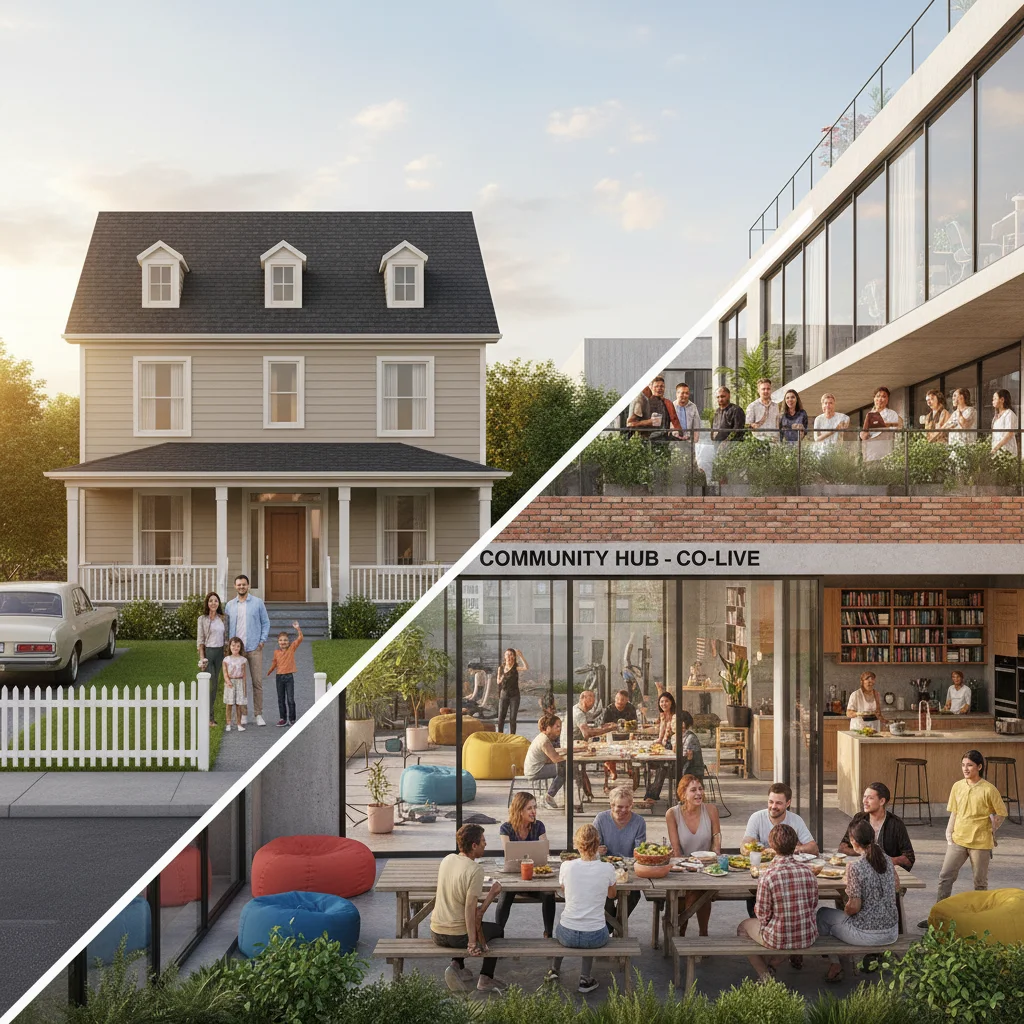
Historically, owning a home with a yard and a white picket fence was perhaps the most iconic symbol of the American Dream. It represented stability, wealth accumulation, and a tangible stake in the community. However, this ideal is becoming increasingly unattainable for a significant portion of the population, particularly younger generations. The confluence of soaring housing prices, stagnant wage growth relative to inflation, and substantial student loan debt has made traditional homeownership a distant dream for many.
Recent data indicates a continued decline in homeownership rates among young adults, with many opting for long-term renting or alternative living arrangements. This isn’t just an economic constraint; it’s a cultural shift. The stigma once associated with renting has largely faded, replaced by a recognition of its flexibility and reduced financial burden. Furthermore, the rise of urban living, with its emphasis on convenience and accessibility to amenities, often makes renting a more practical and desirable option than owning a sprawling suburban property.
Insider knowledge suggests that the housing market in 2026 will continue to be characterized by high demand and limited supply, especially in desirable urban and suburban areas. This will further push innovative housing solutions to the forefront. We are already seeing a rise in co-living spaces, multi-generational households, and compact, minimalist dwellings. These alternatives are not merely concessions to economic realities; for many, they represent a conscious choice aligned with new values. They offer community, shared resources, and a smaller environmental footprint, appealing to a generation more concerned with experiences and sustainability than with accumulating traditional assets.
The definition of ‘home’ is expanding beyond the single-family detached house. It now encompasses a broader spectrum of living situations, reflecting diverse needs and preferences. The emphasis is shifting from owning a specific type of property to securing a stable, comfortable, and community-oriented living environment. This profound change in housing aspirations is a significant indicator of the ongoing American Dream Evolution. It forces a re-evaluation of what constitutes financial security and personal success when the traditional markers are no longer universally accessible or even universally desired.
The implications of this shift are far-reaching. It impacts urban planning, real estate development, and even financial products. Lenders are beginning to explore alternative financing models, and cities are rethinking zoning laws to accommodate denser, more diverse housing options. For individuals, it means redefining their personal milestones and seeking satisfaction in ways that may not involve a mortgage. This cultural indicator alone highlights how deeply the traditional American Dream is being re-evaluated and reshaped by current realities and emerging values, underscoring the dynamic nature of the American Dream Evolution.
2. Redefining Career Success: Beyond the Corporate Ladder
For decades, the American Dream was inextricably linked to a linear career path: landing a stable job, climbing the corporate ladder, earning promotions, and retiring with a substantial pension. This trajectory promised financial security and social recognition. However, the modern workforce, particularly in 2026, is characterized by unprecedented fluidity, technological disruption, and a growing emphasis on personal fulfillment over rigid corporate advancement.
The gig economy, once a niche phenomenon, has become a mainstream reality. More individuals are embracing freelance work, contract roles, and entrepreneurial ventures, valuing autonomy and flexibility over traditional job security. This shift is driven by a desire for work-life balance, the ability to pursue passion projects, and a rejection of hierarchical corporate structures. The pandemic accelerated this trend, demonstrating the viability of remote work and empowering employees to demand more from their employers.
Insider knowledge reveals that companies are struggling to retain talent that prioritizes purpose, flexibility, and a healthy work environment over solely high salaries. The ‘Great Resignation’ was not just a temporary blip; it signaled a fundamental change in employee expectations. Career success is no longer solely measured by title or income but by impact, personal growth, and the alignment of work with individual values. Many are choosing roles that offer social impact, environmental sustainability, or creative expression, even if it means a less conventional career path or a different income bracket.
Furthermore, continuous learning and skill adaptation are no longer optional but essential. The rapid pace of technological change means that a single career path pursued for 40 years is increasingly rare. Individuals are expected to reskill and upskill constantly, embracing lifelong learning as a core component of their professional journey. This creates both challenges and opportunities, fostering a dynamic and adaptable workforce but also requiring significant personal investment in education and development.
The concept of ‘retirement’ is also being reimagined. For many, it’s not about a complete cessation of work but a transition to more passion-driven projects, part-time consulting, or second careers. This reflects a desire to remain engaged and contribute meaningful work throughout their lives, blurring the lines between work and leisure. This fundamental re-evaluation of what constitutes a successful career is a powerful testament to the ongoing American Dream Evolution, moving away from a singular definition of professional achievement to a more diverse and personal one.
3. The Evolution of Family Structures and Relationships
The traditional nuclear family – a married heterosexual couple with 2.5 children – was once the idealized image at the heart of the American Dream. While still prevalent, this model is far from the only, or even the dominant, family structure in 2026. Demographic shifts, changing social norms, and increased acceptance of diverse lifestyles have led to a rich tapestry of family configurations.
Marriage rates have been declining, while the average age of first marriage continues to rise. More individuals are choosing to remain single, pursue partnerships without marriage, or have children outside of traditional marital structures. Single-parent households, blended families, same-sex parent families, and multi-generational households are increasingly common and widely accepted. The definition of ‘family’ has broadened significantly, emphasizing emotional bonds and mutual support over biological ties or legal contracts.
Insider knowledge suggests that this evolution is driven by several factors. Economic pressures often make traditional family formation challenging, as individuals prioritize financial stability before starting a family. Increased educational and career opportunities for women have also played a significant role, empowering them to delay marriage and childbirth or to pursue alternative life paths. Moreover, a greater societal acceptance of LGBTQ+ relationships and diverse family models has expanded the cultural understanding of what a family can be.
The focus has shifted from adhering to a prescribed family model to creating supportive and loving relationships, regardless of their structure. The emphasis is on chosen family, community networks, and flexible support systems that cater to individual needs. This has implications for everything from parental leave policies to housing design and social services, which must now cater to a far more diverse range of family units.
This cultural indicator highlights a move away from rigid societal expectations towards greater individual autonomy and inclusivity in personal relationships. The American Dream, in this context, is less about fitting into a specific family mold and more about finding personal happiness and connection in ways that resonate with individual values. This embrace of diversity in family structures is a profound aspect of the ongoing American Dream Evolution, reflecting a more inclusive and adaptable society.
4. The Rise of Experientialism and Conscious Consumption
Material possessions were once central to the American Dream: a new car, the latest gadgets, designer clothes. The accumulation of goods was a visible manifestation of success and prosperity. However, in 2026, there’s a discernible shift towards valuing experiences over possessions and embracing more conscious consumption patterns.
Younger generations, in particular, are prioritizing travel, unique adventures, cultural events, and skill development over the acquisition of material wealth. The rise of social media has played a role here, as sharing experiences online has become a form of social currency. But beyond digital validation, there’s a genuine desire for personal growth, learning, and memorable moments that contribute to a richer life narrative.
Concurrently, there’s a growing awareness of environmental and social issues, leading to a rise in conscious consumption. Consumers are increasingly scrutinizing the ethical and environmental impact of the products they buy. This means favoring sustainable brands, supporting local businesses, opting for repairs over replacements, and reducing overall consumption. Minimalism, once a fringe lifestyle, has gained widespread appeal, advocating for a decluttered life focused on essentials and quality over quantity.
Insider knowledge indicates that businesses that fail to adapt to these new consumer values will struggle. Authenticity, transparency, and a genuine commitment to social and environmental responsibility are becoming non-negotiable for many consumers. The American Dream is no longer about simply ‘keeping up with the Joneses’ by accumulating more stuff; it’s about making thoughtful choices that align with personal values and contribute to a better world.
This shift has implications for industries ranging from retail and manufacturing to tourism and education. It signals a move away from a purely materialistic definition of success towards one that emphasizes personal fulfillment, ethical living, and a sense of purpose. This profound re-evaluation of what brings joy and meaning is a significant driver of the American Dream Evolution, pushing society towards a more sustainable and experience-rich future.
The pursuit of happiness is being redefined not by what one owns, but by what one experiences and how one contributes to the collective good. This cultural indicator reflects a deeper yearning for meaning beyond the superficial, fundamentally reshaping aspirations within the evolving American Dream. It’s about living a life that is rich in experiences, mindful in its impact, and aligned with a broader sense of global citizenship.
5. The Growing Importance of Mental Health and Well-being
In previous iterations of the American Dream, the focus was often on outward achievements – financial success, professional accolades, and material possessions. The unspoken expectation was often to push through challenges, maintain a stoic demeanor, and prioritize work above all else. However, 2026 marks a significant cultural shift where mental health and overall well-being are not only openly discussed but are increasingly seen as fundamental components of a fulfilling life.
There’s a growing recognition that true success cannot be achieved at the expense of one’s mental and emotional health. The stigma surrounding mental health issues is slowly eroding, replaced by an understanding that seeking help, practicing self-care, and maintaining a healthy work-life balance are signs of strength, not weakness. This shift is particularly pronounced among younger generations who are more vocal about their struggles and more proactive in advocating for supportive environments.
Insider knowledge reveals that workplaces are increasingly being pressured to offer comprehensive mental health support, flexible work arrangements, and a culture that prioritizes employee well-being. Companies that fail to do so risk losing top talent and facing decreased productivity. Burnout, once a badge of honor for some, is now widely recognized as a serious issue that undermines both individual potential and organizational effectiveness. The American Dream is no longer about grinding tirelessly until retirement; it’s about building a life that is sustainable, balanced, and conducive to long-term health and happiness.
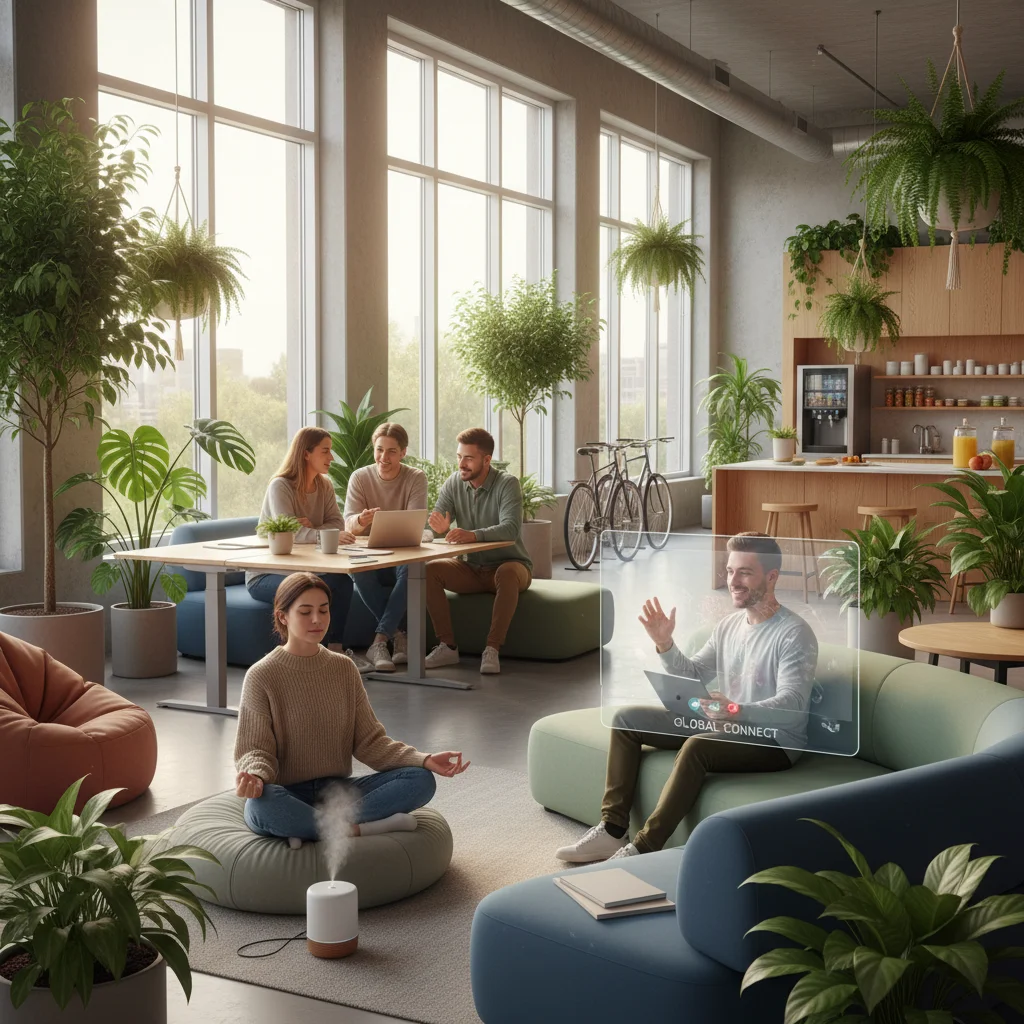
This cultural indicator extends beyond the workplace into personal lives. There’s a greater emphasis on mindfulness, meditation, therapy, and other wellness practices. Conversations about emotional intelligence, resilience, and stress management are becoming commonplace. The pursuit of happiness is now explicitly linked to a holistic approach to well-being, encompassing physical, mental, and emotional health.
The implications are profound, impacting healthcare systems, educational curricula, and even urban design, with a greater focus on green spaces and community well-being initiatives. This re-prioritization of mental health and well-being fundamentally alters the definition of what it means to be ‘successful’ and ‘living the dream.’ It signals a more compassionate and self-aware society, deeply influencing the ongoing American Dream Evolution towards a more balanced and internally rich existence.
6. Community and Social Impact: Beyond Individualism
The traditional American Dream often emphasized individualism and self-reliance: pulling oneself up by one’s bootstraps to achieve personal success. While individual achievement remains valued, 2026 sees a growing emphasis on community, collective well-being, and social impact as integral parts of a meaningful life. There’s a recognition that individual success is often intertwined with the health and prosperity of the wider community and the planet.
Younger generations are particularly driven by a desire to contribute to something larger than themselves. They are more likely to support causes they believe in, engage in activism, and seek employment with organizations that align with their social values. This isn’t just about philanthropy; it’s about integrating social responsibility into daily life and career choices. The concept of ‘giving back’ is moving from an optional extra to a core component of a fulfilling life.
Insider knowledge suggests that businesses with strong Corporate Social Responsibility (CSR) programs and genuine commitments to ethical practices are gaining a competitive edge. Consumers and employees alike are drawn to organizations that demonstrate a positive impact on society and the environment. This extends to local communities, with a renewed interest in supporting local businesses, participating in community initiatives, and fostering strong neighborhood ties.
The pandemic further highlighted the importance of community and mutual support. People reconnected with their neighbors, formed mutual aid networks, and recognized the resilience that comes from collective action. This experience reinforced the idea that individual well-being is deeply connected to the well-being of the collective.
This cultural indicator signifies a move away from a purely self-centric view of success towards one that embraces interdependence and collective responsibility. The American Dream is evolving to include a dimension of social contribution, where personal fulfillment is found not just in individual accomplishments but also in making a positive difference in the world. This shift towards community and social impact is a powerful force driving the American Dream Evolution, fostering a more interconnected and empathetic society.
Conclusion: The Dynamic Future of the American Dream
The American Dream, far from being static, is a living, breathing concept that continually adapts to the changing tides of society. As we look towards 2026, the six cultural indicators discussed – the shifting landscape of homeownership, the redefinition of career success, the evolution of family structures, the rise of experientialism and conscious consumption, the growing importance of mental health and well-being, and the emphasis on community and social impact – paint a clear picture of a dream in flux.
The traditional markers of success are being re-evaluated, challenged, and often replaced by new aspirations rooted in flexibility, purpose, well-being, and collective responsibility. This American Dream Evolution is not a decline but a transformation, reflecting a more diverse, aware, and adaptable populace. It’s a dream that is less about a prescribed path and more about individual agency in defining a life that is personally fulfilling and socially conscious.
For individuals, understanding these shifts means embracing adaptability, continually learning, and defining success on their own terms. For institutions, it necessitates a critical re-evaluation of policies, products, and services to align with these emerging values. The future of the American Dream is not about abandoning its core tenets of opportunity and aspiration, but about expanding its definition to encompass a broader, more inclusive, and sustainable vision of success for all. The journey of the American Dream continues, ever-evolving, ever-responding to the spirit of its people.