Gig Economy 2026: Financial Impact & Flexible Work Growth
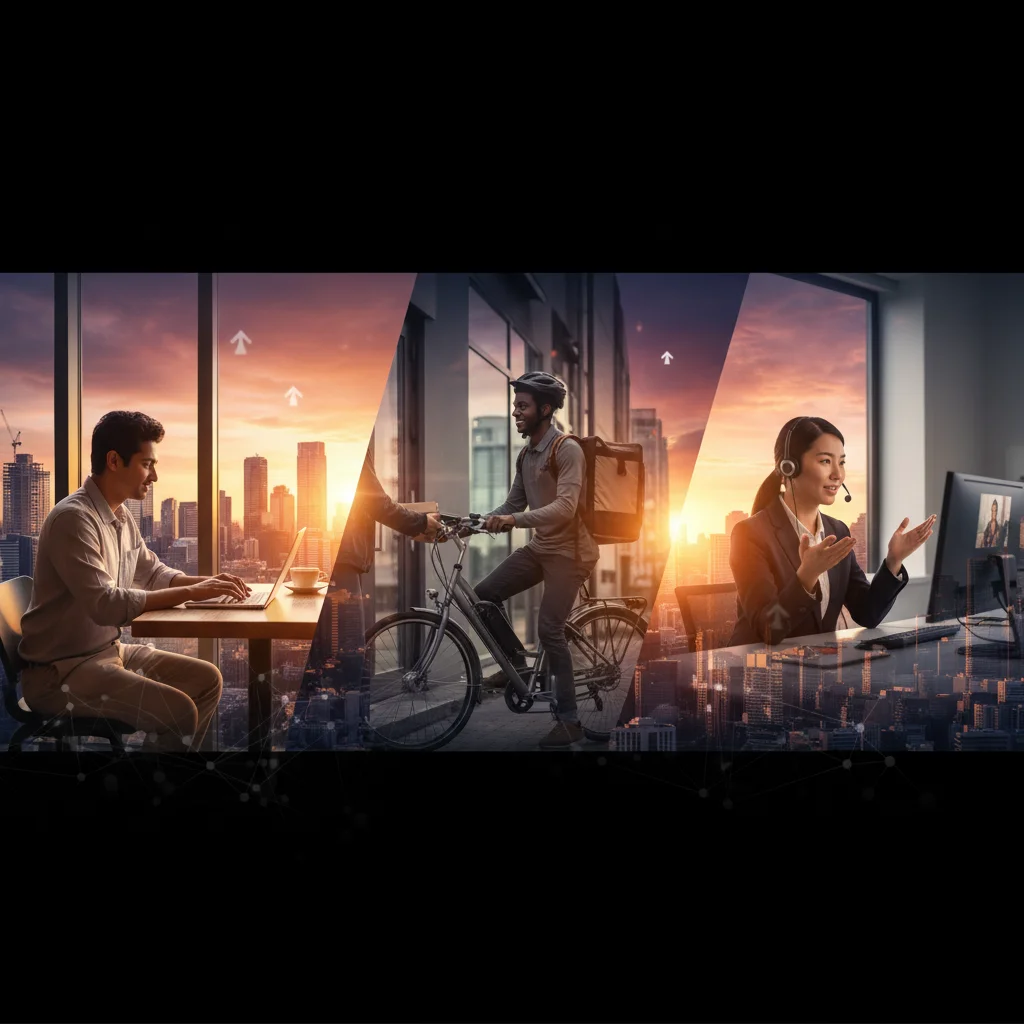
The landscape of work is undergoing a profound transformation, with the gig economy emerging as a dominant force. As we look towards the future, specifically to 2026, projections indicate a significant surge in flexible work arrangements. This shift is not merely a trend; it’s a fundamental recalibration of how Americans approach their careers and financial well-being. Insider knowledge suggests that by 2026, we could see an astounding 20% more Americans choosing flexible work, profoundly altering the economic fabric of the nation. This article delves deep into the Gig Economy 2026 trajectory, exploring the financial implications, the driving forces behind this growth, and what individuals and businesses need to know to thrive in this evolving environment.
The allure of autonomy, flexibility, and the potential for diversified income streams continues to draw more individuals into the gig economy. From freelance writers and graphic designers to rideshare drivers and online tutors, the spectrum of gig work is vast and ever-expanding. But what does this mean for the broader economy? How will traditional employment structures adapt? And what are the hidden financial considerations for those embarking on this path?
Understanding the Surge: Why More Americans are Choosing Flexible Work
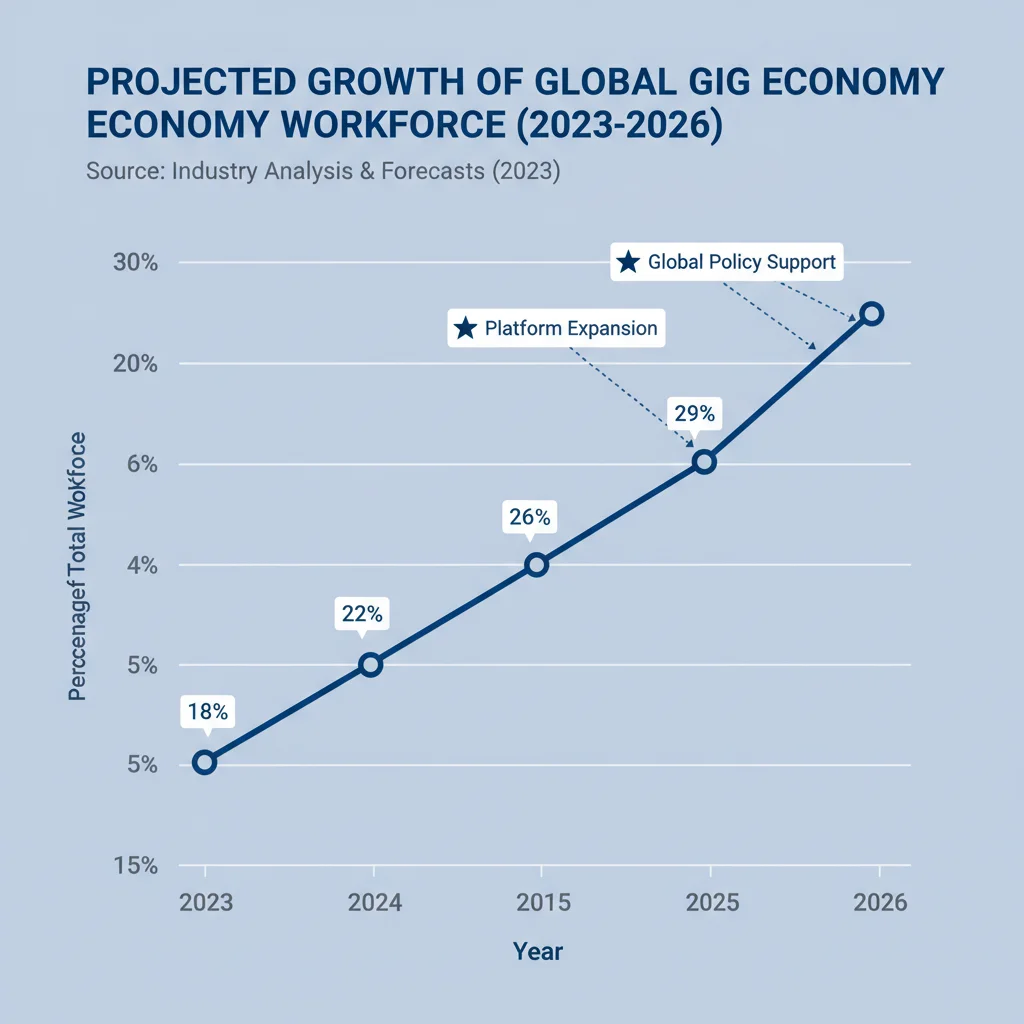
The projected 20% increase in Americans opting for flexible work by 2026 is not an arbitrary figure; it’s a culmination of various socio-economic factors and technological advancements. The COVID-19 pandemic acted as a catalyst, accelerating the adoption of remote work and demonstrating the viability of non-traditional employment models. However, the roots of this trend run deeper, driven by a desire for greater work-life balance, control over one’s schedule, and the pursuit of passion projects outside of a conventional 9-to-5 job.
Technological Enablers
The proliferation of digital platforms has been instrumental in facilitating the growth of the Gig Economy 2026. These platforms act as intermediaries, connecting freelancers with clients and projects across various industries. From Upwork and Fiverr for creative and professional services to Uber and DoorDash for on-demand tasks, technology has democratized access to work opportunities, lowering barriers to entry for many. Advancements in communication tools, cloud computing, and project management software have also made it easier for individuals to work remotely and collaborate effectively, regardless of their physical location.
Generational Shifts and Changing Values
Millennials and Gen Z, who now form a significant portion of the workforce, often prioritize flexibility, purpose, and personal growth over traditional career ladders. They are less bound by the conventional notions of employment and more open to exploring diverse income streams. This generational shift in values aligns perfectly with the opportunities offered by the gig economy, where individuals can curate their careers, pursue multiple interests, and adapt their work to their lifestyle rather than the other way around.
Economic Pressures and Diversification of Income
For many, the gig economy is not just a choice but a necessity. The rising cost of living, stagnant wages in some sectors, and the desire for financial stability have pushed individuals to seek additional income streams. Gig work provides a supplementary income source, allowing people to pay off debt, save for major purchases, or simply weather economic uncertainties. This economic diversification is a key driver behind the projected growth of the Gig Economy 2026.
The Financial Impact of the Gig Economy 2026: Opportunities and Challenges
The expansion of the gig economy presents a dual-sided financial coin, offering both unprecedented opportunities for individuals and businesses, alongside unique challenges that require careful navigation. Understanding these financial dynamics is crucial for anyone looking to engage with or be impacted by the Gig Economy 2026.
For Individuals: Increased Earning Potential and Autonomy
One of the most attractive aspects of gig work is the potential for increased earning potential. Freelancers can often set their own rates, choose projects that align with their skills, and take on as much or as little work as they desire. This autonomy can lead to a higher hourly wage compared to some traditional jobs, especially for those with specialized skills in high demand. Moreover, the ability to work for multiple clients simultaneously can diversify income streams, reducing reliance on a single employer and potentially leading to greater financial resilience.
However, this financial freedom comes with significant responsibilities. Gig workers are typically responsible for their own taxes, health insurance, retirement savings, and other benefits traditionally provided by employers. This requires a strong understanding of personal finance, budgeting, and tax planning. The absence of paid time off, sick leave, and unemployment benefits also means that income can be inconsistent, necessitating careful financial management and the creation of an emergency fund.
For Businesses: Agility, Cost Savings, and Access to Talent
Businesses stand to benefit significantly from the growing Gig Economy 2026. The ability to tap into a flexible workforce allows companies to scale their operations up or down as needed, reducing fixed labor costs associated with full-time employees. This agility is particularly valuable in dynamic markets where demand can fluctuate rapidly. Businesses can hire gig workers for specific projects or tasks, avoiding the long-term commitments and overheads of traditional employment.
Furthermore, the gig economy provides access to a global talent pool. Companies are no longer restricted by geographical boundaries when seeking specialized skills. This can lead to higher quality work, innovative solutions, and a more diverse range of perspectives. Small and medium-sized enterprises (SMEs) especially benefit from this model, as they can access expert talent that might otherwise be unaffordable for full-time employment.
However, businesses also face challenges. Managing a distributed workforce requires effective communication strategies, clear project guidelines, and robust performance tracking systems. Ensuring compliance with labor laws and classification of gig workers (as independent contractors versus employees) is another complex area that businesses must navigate carefully to avoid legal repercussions. Maintaining company culture and fostering a sense of belonging among a flexible workforce can also be a unique challenge.
Navigating the Legal and Regulatory Landscape of the Gig Economy
As the Gig Economy 2026 continues its expansion, the legal and regulatory frameworks surrounding it are struggling to keep pace. The traditional employer-employee relationship, defined by centuries of labor law, doesn’t always fit neatly with the independent contractor model prevalent in gig work. This creates significant complexities for both gig workers and the platforms that connect them to opportunities.
Worker Classification: The Central Debate
The primary legal challenge revolves around worker classification. Are gig workers independent contractors or employees? The distinction has profound implications for benefits, taxes, and worker protections. If classified as employees, gig workers would be entitled to minimum wage, overtime pay, unemployment insurance, workers’ compensation, and the right to unionize – benefits largely absent for independent contractors.
Various states and the federal government have attempted to address this issue, often leading to a patchwork of regulations. For instance, California’s AB5 law aimed to reclassify many gig workers as employees, sparking intense debate and legal battles. The outcome of these legislative efforts will significantly shape the financial landscape for gig workers and the operational models of gig platforms in the coming years leading up to and beyond 2026.
Benefits and Protections for Gig Workers
One of the most pressing concerns for gig workers is the lack of traditional benefits. Access to affordable healthcare, retirement savings plans, and paid leave remains a significant hurdle. Innovative solutions are emerging, such as portable benefits models where benefits are tied to the individual worker rather than a single employer, allowing them to carry benefits from one gig to another. However, widespread implementation of such systems is still in its nascent stages.
The financial stability of a gig worker can be precarious without these safety nets. A sudden illness or injury could lead to a complete loss of income. As the Gig Economy 2026 grows, there will be increasing pressure on policymakers to develop comprehensive solutions that provide adequate protections without stifling the flexibility that makes gig work attractive.
Preparing for the Gig Economy 2026: Insider Knowledge for Success
For individuals and businesses looking to thrive in the expanding Gig Economy 2026, strategic preparation and adaptation are paramount. Insider knowledge suggests that success will hinge on a combination of skill development, financial acumen, and an understanding of evolving market demands.
For Aspiring Gig Workers and Freelancers:
- Develop In-Demand Skills: Continuously invest in learning new skills that are highly valued in the gig economy. Data analytics, digital marketing, AI proficiency, specialized coding, and advanced content creation are just a few examples. Online courses, certifications, and workshops can be invaluable.
- Build a Strong Personal Brand and Portfolio: In a competitive market, your personal brand is your currency. A professional online presence, a compelling portfolio showcasing your best work, and strong testimonials are essential for attracting clients.
- Master Financial Management: This cannot be overstated. Understand self-employment taxes, set aside funds for retirement and healthcare, and create a robust emergency fund. Consider consulting with a financial advisor specializing in independent contractors.
- Network Effectively: Connect with other freelancers, join professional communities, and actively seek out opportunities. Referrals are a powerful source of new work in the gig economy.
- Embrace Continuous Learning and Adaptability: The gig economy is dynamic. Be prepared to adapt to new technologies, changing client needs, and emerging platforms.

For Businesses and Employers:
- Refine Your Talent Acquisition Strategy: Integrate gig workers into your talent pipeline. Develop clear processes for onboarding, managing, and offboarding contractors.
- Understand and Comply with Regulations: Stay updated on worker classification laws at both federal and state levels to mitigate legal risks. Seek legal counsel when necessary.
- Invest in Project Management Tools: Effective remote collaboration and project tracking are crucial when working with a distributed gig workforce.
- Foster a Hybrid Work Culture: If you combine traditional employees with gig workers, create an inclusive culture that values contributions from all members, regardless of their employment status.
- Focus on Clear Communication and Expectations: Define project scopes, deliverables, timelines, and payment terms explicitly to avoid misunderstandings and ensure successful outcomes.
The Future of Work: Beyond 2026
The projected growth of the Gig Economy 2026 is not an endpoint but a significant milestone in the ongoing evolution of work. Looking beyond 2026, we can anticipate even more profound changes. Artificial intelligence and automation will continue to reshape job roles, potentially creating new categories of gig work that don’t even exist today. The demand for highly specialized skills will likely intensify, further solidifying the value of independent experts.
Policy discussions around universal basic income, portable benefits, and new forms of social safety nets for independent workers will also gain traction. As a larger percentage of the population participates in flexible work, the societal infrastructure will need to adapt to support this new reality. Education systems may also need to evolve, focusing more on transferable skills, entrepreneurial thinking, and continuous learning to prepare future generations for a career landscape dominated by flexible and project-based work.
The rise of decentralized autonomous organizations (DAOs) and blockchain technology could also introduce new models for organizing and compensating gig work, offering greater transparency and control to freelancers. The traditional concept of a ‘job’ might become increasingly fluid, replaced by a series of ‘gigs’ or ‘projects’ that contribute to an individual’s overall career portfolio.
Conclusion: Embracing the Flexible Future
The Gig Economy 2026 represents a pivotal moment in the history of work. With 20% more Americans choosing flexible work, the financial impact will be substantial, touching every facet of the economy from individual savings to corporate strategies. This growth is driven by a powerful combination of technological innovation, shifting workforce demographics, and evolving economic pressures. While opportunities for autonomy, increased earnings, and business agility abound, so do challenges related to financial stability, worker protections, and regulatory compliance.
Successfully navigating this future requires foresight, adaptability, and a commitment to continuous learning. For individuals, it means taking ownership of their financial well-being and skill development. For businesses, it involves embracing flexible talent models while ensuring legal compliance and fostering effective collaboration. The trajectory towards a more flexible, project-based workforce is clear, and by understanding its nuances, we can collectively shape a more resilient, dynamic, and equitable future of work.
The insights shared here are designed to provide a comprehensive understanding of the Gig Economy 2026, offering both a broad overview and specific considerations for those directly involved. As the world of work continues to transform, staying informed and proactive will be the keys to unlocking the immense potential that this new era of flexible employment promises.