Digital Transformation 2026: Boosting US Productivity by 2% – Latest Insights & Financial Impact

Digital Transformation’s 2026 Impact: Boosting US Productivity by an Estimated 2% (Recent Updates, Financial Impact)
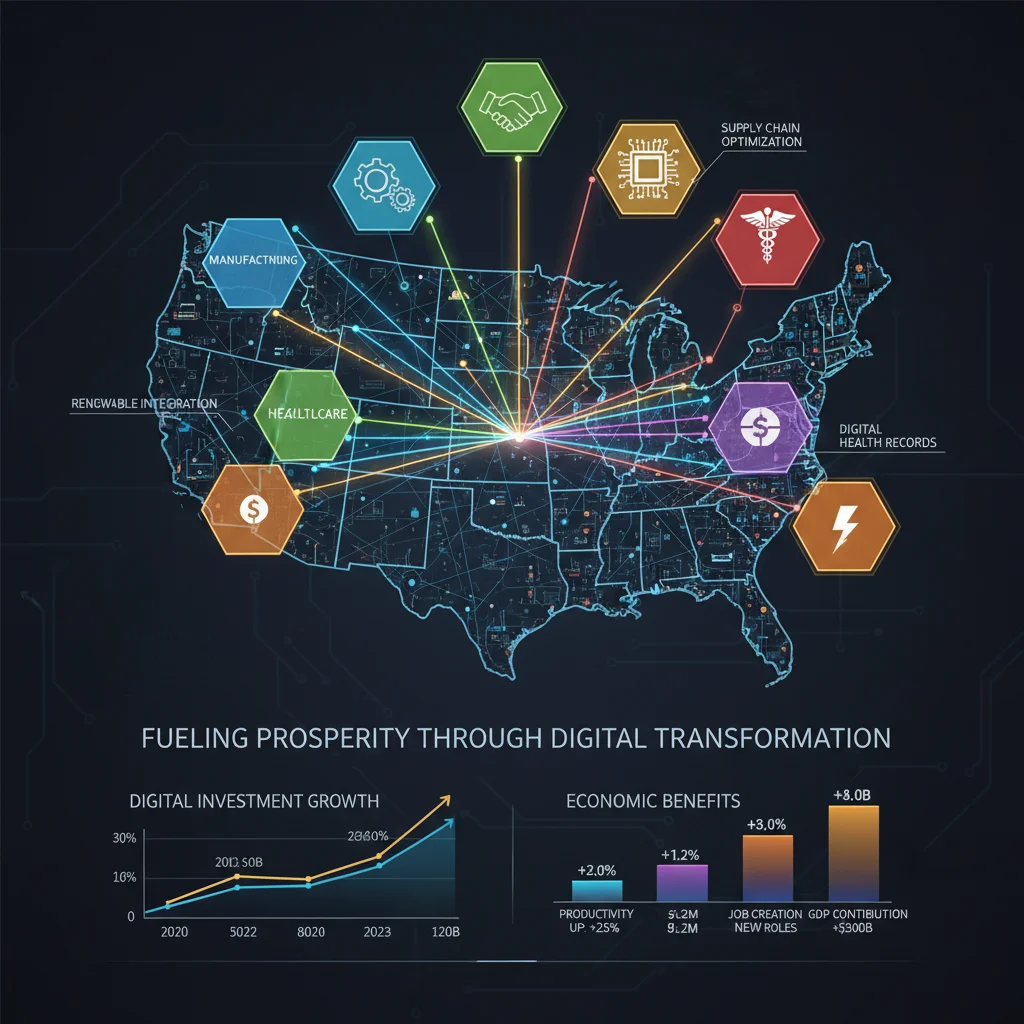
The landscape of global business is in a perpetual state of flux, driven by an relentless wave of technological innovation. At the forefront of this evolution is digital transformation impact, a phenomenon that is not merely changing how businesses operate but fundamentally reshaping entire economies. For the United States, the implications are particularly significant, with projections indicating a substantial 2% boost in national productivity by 2026 attributable to these widespread digital shifts. This isn’t just an abstract economic forecast; it represents a tangible shift in efficiency, competitiveness, and ultimately, the prosperity of the nation.
Understanding the multifaceted nature of this digital transformation impact requires a deep dive into the underlying technologies, the strategic choices businesses are making, and the broader economic ramifications. From artificial intelligence and machine learning to cloud computing, data analytics, and the Internet of Things, the tools of digital transformation are empowering companies to optimize processes, innovate products and services, and engage with customers in unprecedented ways. This article will explore the key drivers behind this projected productivity surge, examine the financial implications for various sectors, and provide insights into how businesses can best position themselves to harness the full potential of this transformative era.
The Core Drivers of Digital Transformation Impact on US Productivity
The projected 2% increase in US productivity by 2026 is not a random occurrence but the result of several powerful and interconnected digital forces. These forces are fundamentally altering the way work is performed, decisions are made, and value is created across industries.
Artificial Intelligence (AI) and Machine Learning (ML)
At the heart of the digital transformation impact lies the exponential growth and adoption of Artificial Intelligence and Machine Learning. These technologies are no longer confined to research labs; they are actively deployed in everyday business operations. AI-powered automation is streamlining repetitive tasks, from customer service chatbots to robotic process automation (RPA) in manufacturing and back-office functions. This frees up human capital to focus on more complex, creative, and strategic endeavors, directly contributing to higher output per worker. ML algorithms are enabling predictive analytics, allowing businesses to anticipate market trends, optimize supply chains, personalize customer experiences, and identify potential risks before they materialize. The ability to extract actionable insights from vast datasets, previously unimaginable, is a cornerstone of enhanced productivity.
Cloud Computing and Scalable Infrastructure
The advent of cloud computing has democratized access to powerful IT infrastructure, making it a critical driver of digital transformation impact. Businesses, regardless of size, can now leverage scalable computing resources, storage, and software applications without the prohibitive upfront costs and maintenance complexities of traditional on-premise systems. This flexibility allows for rapid deployment of new technologies, faster iteration of products and services, and the ability to scale operations up or down based on demand. Cloud platforms facilitate remote work, foster collaboration among geographically dispersed teams, and provide the backbone for advanced data processing and AI applications, all of which contribute to a more agile and productive workforce.
Advanced Data Analytics and Business Intelligence
Data has been dubbed the new oil, and its refinement through advanced analytics is propelling significant productivity gains. Businesses are collecting more data than ever before, from customer interactions and operational metrics to sensor data from IoT devices. The digital transformation impact here is the ability to process, analyze, and interpret this deluge of information to make more informed, data-driven decisions. Business intelligence tools provide dashboards and visualizations that offer real-time insights into performance, allowing managers to identify bottlenecks, optimize resource allocation, and uncover new opportunities. This proactive approach to decision-making minimizes inefficiencies and maximizes output.
The Internet of Things (IoT) and Connected Devices
The proliferation of IoT devices is creating a hyper-connected environment where physical objects can collect and exchange data. In manufacturing, IoT sensors monitor equipment performance, enabling predictive maintenance and reducing downtime. In logistics, connected vehicles optimize routes and track shipments in real-time. In healthcare, wearable devices monitor patient health, leading to more proactive care. The continuous stream of data from IoT devices feeds into AI and analytics systems, creating a feedback loop that constantly refines processes and improves operational efficiency, thereby amplifying the digital transformation impact on productivity.
Enhanced Collaboration and Communication Tools
Modern digital collaboration platforms (e.g., Slack, Microsoft Teams, Zoom) have revolutionized how teams work together, especially in the era of remote and hybrid work models. These tools facilitate seamless communication, document sharing, project management, and virtual meetings, breaking down geographical barriers and fostering a more integrated workflow. The ability to collaborate efficiently, share knowledge instantly, and work asynchronously across different time zones significantly boosts collective productivity and accelerates project completion. This shift towards more fluid and connected work environments is a critical aspect of the ongoing digital transformation impact.
Financial Implications and Economic Forecasts for 2026
The projected 2% productivity boost is not merely an academic statistic; it translates into significant financial and economic benefits for the United States. This digital transformation impact will ripple through various sectors, influencing GDP growth, corporate profitability, and investment strategies.
Increased GDP and Economic Growth
A 2% increase in productivity across an economy the size of the US represents a substantial boost to the Gross Domestic Product (GDP). Higher productivity means more goods and services can be produced with the same amount of labor and capital, leading to greater national output and economic growth. This growth, in turn, can fuel job creation, increase consumer spending, and enhance the nation’s global competitiveness. The cumulative effect of these productivity gains over several years can be transformative, solidifying the US position as a leader in innovation and economic resilience.
Enhanced Corporate Profitability and Competitiveness
For individual businesses, the digital transformation impact on productivity directly translates into improved profitability. By automating tasks, optimizing resource allocation, and making data-driven decisions, companies can reduce operational costs, increase output quality, and accelerate time-to- market for new products and services. This enhanced efficiency allows them to offer more competitive pricing, invest in research and development, and expand into new markets. Businesses that successfully embrace digital transformation will gain a significant competitive edge over those that lag, leading to a reallocation of market share and a more dynamic business environment.
Strategic Investments and Capital Allocation
The pursuit of productivity gains through digital transformation is driving substantial investment in technology. Companies are allocating significant capital towards AI infrastructure, cloud services, cybersecurity solutions, and digital skills training for their workforce. This investment cycle creates a positive feedback loop, stimulating growth in the technology sector itself and fostering further innovation. Government policies and private sector initiatives are also aligning to support this trend, recognizing the long-term economic benefits of a digitally mature economy. Understanding where these investments are being made provides crucial insight into the future trajectory of the digital transformation impact.

Sector-Specific Impacts and Transformations
While the digital transformation impact is broad, its manifestation varies significantly across different sectors of the US economy. Each industry faces unique challenges and opportunities in leveraging digital technologies for productivity enhancement.
Manufacturing and Industry 4.0
The manufacturing sector is undergoing a profound transformation, often referred to as Industry 4.0. This involves the integration of IoT, AI, robotics, and cloud computing to create smart factories. Productivity gains come from predictive maintenance reducing machine downtime, automated quality control minimizing defects, optimized supply chains ensuring just-in-time delivery, and robotic automation accelerating production lines. The ability to collect and analyze real-time data from the factory floor allows for continuous process improvement and greater operational efficiency, showcasing a direct digital transformation impact.
Healthcare and Life Sciences
In healthcare, digital transformation is revolutionizing patient care, administrative processes, and medical research. Electronic health records (EHRs) improve data accessibility and reduce medical errors. AI is assisting in diagnostics, drug discovery, and personalized treatment plans, leading to more effective and efficient care. Telemedicine has expanded access to medical consultations, especially in remote areas. Predictive analytics helps manage disease outbreaks and optimize hospital resource allocation. These innovations contribute to better health outcomes and a more productive healthcare system, demonstrating a vital digital transformation impact.
Retail and E-commerce
The retail sector has been dramatically reshaped by digital transformation, with e-commerce leading the charge. Productivity gains here stem from automated inventory management, AI-powered customer service, personalized marketing campaigns, and optimized logistics. Data analytics allows retailers to understand customer behavior better, predict demand, and tailor offerings, reducing waste and increasing sales efficiency. The seamless integration of online and offline experiences (omnichannel retail) further enhances customer satisfaction and operational productivity, highlighting the pervasive digital transformation impact.
Financial Services
Financial institutions are leveraging digital transformation to enhance security, streamline operations, and improve customer experience. AI and machine learning are used for fraud detection, risk assessment, and algorithmic trading. Robotic process automation (RPA) handles repetitive back-office tasks, freeing up human staff for more complex client interactions. Mobile banking and digital payment systems offer greater convenience and efficiency for customers. The ability to process vast amounts of financial data quickly and accurately is a key driver of productivity in this sector, underscoring the significant digital transformation impact.
Agriculture and Food Production
Even traditional sectors like agriculture are experiencing a profound digital transformation impact. Precision agriculture utilizes IoT sensors, drones, and AI to monitor crop health, optimize irrigation, and apply fertilizers more efficiently. This leads to higher yields, reduced resource consumption, and less environmental impact. Automation in harvesting and processing further boosts productivity, ensuring a more efficient and sustainable food supply chain.
Challenges and Considerations for Sustaining Digital Transformation Impact
While the benefits of digital transformation are clear, its successful implementation and sustained impact are not without challenges. Businesses and policymakers must address several key areas to maximize the projected 2% productivity boost.
Workforce Reskilling and Upskilling
One of the most critical challenges is ensuring that the workforce possesses the necessary skills to thrive in a digitally transformed economy. Automation and AI will displace some jobs, but they will also create new ones requiring different skill sets, particularly in areas like data science, AI engineering, cybersecurity, and digital marketing. Extensive reskilling and upskilling initiatives are essential to mitigate job displacement and ensure that human capital remains a productive asset. Investment in education and corporate training programs will be vital to harnessing the full digital transformation impact.
Cybersecurity and Data Privacy
As businesses become more digitized and interconnected, they also become more vulnerable to cyber threats. Data breaches, ransomware attacks, and intellectual property theft can have devastating financial and reputational consequences. Robust cybersecurity measures and strict data privacy protocols are paramount to maintaining trust and ensuring the secure operation of digital systems. Failing to address these concerns could undermine the very benefits of digital transformation, hindering its positive digital transformation impact.
Ethical AI and Responsible Innovation
The increasing reliance on AI raises important ethical considerations, including algorithmic bias, transparency, and accountability. Ensuring that AI systems are developed and deployed responsibly, with fairness and human oversight, is crucial. Addressing these ethical dimensions is not just about compliance; it’s about building public trust and ensuring that technological advancements serve the broader societal good, thereby reinforcing a positive digital transformation impact.
Investment in Infrastructure and Connectivity
Reliable and high-speed internet connectivity is the foundation of digital transformation. While urban areas generally have good access, significant disparities persist in rural regions. Continued investment in broadband infrastructure, including 5G deployment, is necessary to ensure equitable access to digital opportunities across the entire US, allowing all businesses and communities to benefit from the digital transformation impact.
Organizational Culture and Change Management
Technology alone cannot drive transformation. A successful digital transformation impact requires a fundamental shift in organizational culture, embracing agility, experimentation, and continuous learning. Leaders must champion digital initiatives, foster a culture of innovation, and effectively manage the change process to overcome resistance and ensure widespread adoption of new tools and workflows. Without this cultural shift, even the most advanced technologies may fail to deliver their full productivity potential.
Strategies for Businesses to Maximize Digital Transformation Impact
For businesses looking to fully capitalize on the projected productivity gains, a strategic and proactive approach to digital transformation is essential. It’s not enough to simply adopt new technologies; they must be integrated thoughtfully and aligned with overarching business objectives.
Develop a Clear Digital Strategy
The first step is to articulate a clear and comprehensive digital strategy that aligns with the company’s vision and goals. This involves identifying specific business challenges that digital solutions can address, defining key performance indicators (KPIs) to measure success, and outlining a roadmap for technology adoption. A well-defined strategy ensures that investments in digital tools contribute directly to productivity improvements and strategic objectives, maximizing the digital transformation impact.
Prioritize Data-Driven Decision Making
To truly harness the power of digital transformation, businesses must cultivate a culture of data-driven decision-making. This means investing in data collection infrastructure, advanced analytics tools, and the talent to interpret complex data. By relying on insights derived from data rather than intuition, companies can optimize operations, personalize customer experiences, and identify new revenue streams, leading to a more profound digital transformation impact on productivity.
Invest in Employee Training and Development
The workforce is the most critical asset in any digital transformation journey. Businesses must commit to continuous learning, providing employees with opportunities to acquire new digital skills. This includes training in AI literacy, data analysis, cloud platforms, and cybersecurity awareness. Empowering employees with the right skills not only enhances individual productivity but also fosters a more innovative and adaptable workforce, strengthening the overall digital transformation impact.
Embrace Agility and Experimentation
The digital landscape is constantly evolving, requiring businesses to adopt an agile mindset. This involves being open to experimentation, embracing iterative development, and being willing to pivot strategies based on new information and technological advancements. Companies that are too rigid in their approach risk being left behind. Fostering a culture that encourages calculated risks and learns from failures is key to sustained innovation and maximizing the digital transformation impact.
Foster Strategic Partnerships
No single company can possess all the expertise required for comprehensive digital transformation. Forming strategic partnerships with technology providers, startups, academic institutions, and even competitors can accelerate innovation and provide access to specialized knowledge and resources. Collaborative ecosystems can lead to shared learning, co-creation of solutions, and a more robust collective digital transformation impact across industries.
Conclusion: The Future of US Productivity Driven by Digital Transformation
The projection of a 2% boost in US productivity by 2026 due to digital transformation impact underscores a pivotal moment in economic history. This isn’t a fleeting trend but a fundamental re-engineering of how businesses create value, how economies grow, and how societies function. From the pervasive influence of AI and cloud computing to the granular insights provided by data analytics and IoT, digital technologies are creating an unprecedented era of efficiency and innovation.
While the benefits are immense, realizing this full potential requires concerted effort from all stakeholders. Businesses must be proactive in developing robust digital strategies, investing in their workforce’s skills, and fostering agile organizational cultures. Policymakers must ensure supportive infrastructure, address ethical considerations, and create regulatory frameworks that encourage innovation while safeguarding privacy and security. The challenges are significant, but the rewards—in terms of economic growth, competitive advantage, and improved quality of life—are even greater.
The journey of digital transformation impact is continuous. As new technologies emerge and existing ones mature, the landscape will continue to evolve. Businesses and leaders who embrace this perpetual state of change, who prioritize learning and adaptation, and who strategically leverage digital tools will be the ones that not only survive but thrive in the economy of tomorrow. The 2% productivity boost by 2026 is just the beginning; it’s a testament to the enduring power of digital transformation to reshape the future of US productivity and beyond.