The Gig Economy’s Cultural Impact: How 40% of Americans are Navigating Flexible Work in 2026
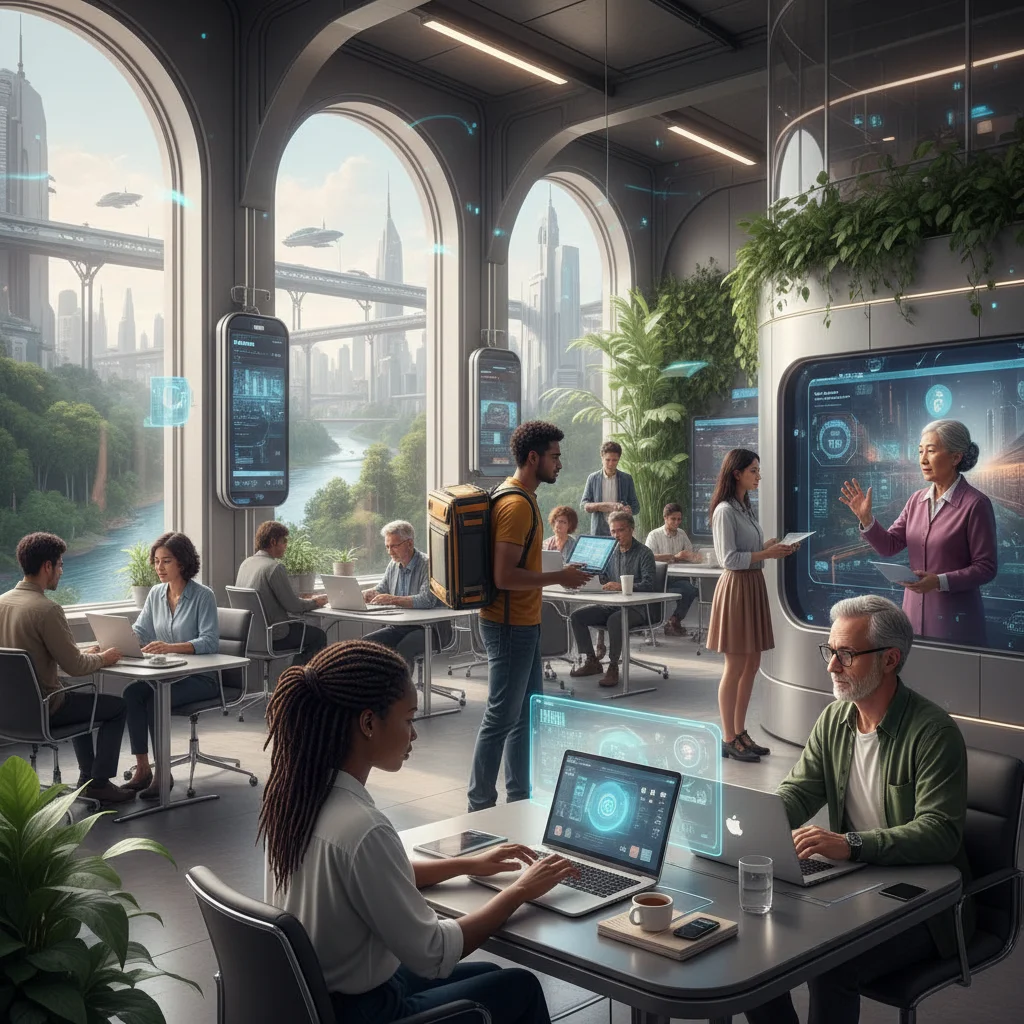
The American workforce is in the midst of a profound transformation, one that extends far beyond economic indicators and employment statistics. We are witnessing a fundamental shift in how people define work, careers, and even their identities. Central to this paradigm shift is the burgeoning gig economy, a flexible work model that is rapidly becoming the norm for millions. By 2026, it’s projected that a staggering 40% of the American workforce will be engaged in some form of flexible work, from freelancing and contract jobs to part-time gigs and temporary assignments. This isn’t just a trend; it’s a cultural revolution with far-reaching implications for individuals, businesses, and society as a whole.
The Gig Economy Cultural Impact is undeniable. It’s redefining traditional notions of employment, challenging the 9-to-5 grind, and fostering a new generation of independent professionals. This comprehensive article delves into the multifaceted cultural impact of this seismic shift, offering insider knowledge and recent updates to provide a clear picture of what the future of work truly looks like.
The Rise of the Independent Worker: A Historical Perspective
To truly grasp the current state of the gig economy, it’s crucial to understand its origins and evolution. While the term ‘gig economy’ gained prominence in the 21st century, the concept of independent work is as old as civilization itself. Artisans, craftsmen, and itinerant laborers have always existed. However, the modern gig economy, fueled by technological advancements and changing societal values, is distinct.
The internet, particularly the advent of platforms like Uber, Airbnb, and Upwork, has been the primary catalyst. These platforms created unprecedented access to a global talent pool and a vast market for services, effectively democratizing work. Suddenly, individuals could leverage their skills and assets to generate income on their own terms, without the traditional gatekeepers of employment.
Initially, the gig economy was often seen as a temporary solution – a way to earn extra cash or bridge employment gaps. However, as the benefits of flexibility, autonomy, and diverse work experiences became more apparent, a significant portion of the workforce began to embrace it as a primary career path. The 2008 financial crisis also played a role, pushing many into independent work as traditional jobs became scarce, and many discovered the resilience and adaptability it offered.
Today, the gig economy encompasses a wide spectrum of activities, from ride-sharing and food delivery to highly specialized consulting, creative services, and tech development. It’s no longer confined to low-skill jobs; highly skilled professionals are increasingly opting for contract work, valuing the freedom and control it provides over a traditional corporate ladder. This diversification is a key aspect of the Gig Economy Cultural Impact.
Redefining Career Paths and Professional Identity
One of the most significant cultural impacts of the gig economy is its redefinition of what a ‘career’ means. Traditionally, a career was often envisioned as a linear progression within a single company or industry, marked by promotions, fixed salaries, and long-term benefits. The gig economy shatters this mold, introducing a more fluid, portfolio-based approach to professional development.
From Ladders to Lattices: Navigating a Non-Linear Career
Gig workers often build careers that resemble a lattice rather than a ladder. They move horizontally across different projects, industries, and skill sets, acquiring diverse experiences and continually learning new things. This non-linear path can be incredibly enriching, fostering adaptability, creativity, and a broader understanding of various business functions. It encourages individuals to become lifelong learners, constantly upskilling and reskilling to remain competitive in a dynamic market.
The Entrepreneurial Mindset: Every Gig Worker is a Business
For many, becoming a gig worker is akin to becoming a small business owner. They are responsible for their own marketing, client acquisition, project management, financial planning, and professional development. This fosters an entrepreneurial mindset, even in those who may not have initially considered themselves business-savvy. This shift empowers individuals with greater control over their professional destiny but also places a higher onus on self-reliance and proactive management.
Personal Branding in the Gig Age
In a world where resumes are often replaced by portfolios and online profiles, personal branding has become paramount for gig workers. Their reputation, skills, and unique value proposition must be clearly articulated and consistently presented across various platforms. This emphasis on personal branding encourages self-awareness and strategic communication, transforming how individuals present themselves in the professional sphere. The Gig Economy Cultural Impact here is about individual empowerment and self-marketing.
The Evolution of Work-Life Balance into Work-Life Integration
The traditional concept of work-life balance often implied a strict separation between one’s professional and personal lives. The gig economy, with its inherent flexibility, blurs these lines, leading to a new paradigm: work-life integration.
Flexibility as the New Currency
The ability to set one’s own hours, choose projects, and work from anywhere is a powerful draw for many gig workers. This flexibility allows individuals to tailor their work schedules around personal commitments, family needs, or other passions. Parents can work around school schedules, caregivers can manage responsibilities, and individuals can pursue hobbies or travel without being constrained by a traditional office setup. This increased autonomy is a core component of the Gig Economy Cultural Impact.
The Double-Edged Sword of Autonomy
While autonomy is highly valued, it comes with its own set of challenges. The absence of clear boundaries between work and personal life can lead to overwork, burnout, and difficulty disconnecting. Gig workers often feel pressure to be constantly available, fearing that turning down work might jeopardize future opportunities. Establishing healthy boundaries and practicing self-care becomes even more critical in this environment.
The Rise of the Digital Nomad and Location Independence
The gig economy has fueled the rise of the digital nomad – individuals who leverage remote work opportunities to live and work from anywhere in the world. This lifestyle, once a niche dream, is becoming increasingly accessible, transforming travel into a viable complement to professional life. This global mobility has profound cultural implications, fostering cross-cultural understanding and diversifying local economies in popular digital nomad hubs.

Societal and Economic Repercussions: Beyond the Individual
The Gig Economy Cultural Impact extends beyond individual workers, influencing broader societal structures and economic landscapes.
Changing Urban and Rural Dynamics
With less reliance on traditional office spaces, the gig economy can contribute to shifting population dynamics. Urban centers might see a decrease in daily commuter traffic, while rural areas or smaller towns could experience an influx of remote workers seeking a different quality of life. This could lead to revitalization in some areas and new challenges in others, such as increased demand for reliable internet infrastructure and local services.
Impact on Benefits and Social Safety Nets
One of the most debated aspects of the gig economy is its impact on worker benefits and social safety nets. Traditional employment typically includes benefits like health insurance, retirement plans, paid time off, and unemployment insurance. Gig workers often lack these protections, placing the onus on them to secure their own benefits. This raises critical questions about how society can adapt its social safety nets to adequately support a workforce increasingly composed of independent contractors. Policy discussions around portable benefits and new forms of worker classification are ongoing and crucial for the long-term sustainability of this model.
The Evolution of Education and Skill Development
The rapid pace of technological change and the flexible nature of gig work demand continuous learning and skill development. Traditional education systems are being challenged to adapt to these new realities, with a greater emphasis on vocational training, online courses, micro-credentials, and lifelong learning initiatives. The gig economy encourages a proactive approach to skill acquisition, as workers must constantly update their capabilities to remain competitive and relevant. This educational shift is a significant part of the Gig Economy Cultural Impact.
The Psychological and Emotional Landscape of Gig Work
The cultural shift towards gig work also has profound psychological and emotional dimensions, shaping how individuals perceive security, community, and purpose.
Autonomy vs. Uncertainty
While autonomy is a major draw, the inherent uncertainty of gig work can be a source of stress. Fluctuating income, the constant need to find new clients, and the lack of a traditional safety net can create anxiety. Developing resilience, financial planning skills, and a strong professional network become essential coping mechanisms for navigating this landscape.
Community and Connection in a Dispersed Workforce
For many, traditional workplaces provided a sense of community and social connection. In a dispersed gig economy, maintaining these connections requires more intentional effort. Co-working spaces, online communities, professional associations, and networking events play a crucial role in fostering a sense of belonging and combating potential isolation. The development of these new forms of community is a fascinating aspect of the Gig Economy Cultural Impact.
Finding Purpose and Meaning in Project-Based Work
The project-based nature of gig work can offer diverse opportunities to find meaning and purpose. Individuals can choose projects that align with their values, passions, and long-term goals, leading to a greater sense of fulfillment. However, it also requires individuals to be proactive in seeking out these opportunities and to define their own sense of purpose outside of a traditional corporate framework.

The Future is Flexible: Navigating 2026 and Beyond
As we look towards 2026 and beyond, the gig economy is not just a temporary phenomenon but a foundational element of the future of work. The 40% projection is a testament to its enduring appeal and structural integration into the American economy. Understanding and adapting to its cultural impact will be crucial for individuals, businesses, and policymakers alike.
For Individuals: Embracing Lifelong Learning and Adaptability
Individuals thriving in this new landscape will be those who embrace lifelong learning, cultivate diverse skill sets, and are highly adaptable. Developing strong personal branding, financial literacy, and a robust professional network will be indispensable. The ability to manage one’s own career trajectory, rather than relying on an employer, will define success.
For Businesses: Rethinking Talent Acquisition and Management
Businesses must adapt their talent acquisition and management strategies to effectively engage with the gig workforce. This includes developing clear contract agreements, fostering positive relationships with independent contractors, and leveraging technology to streamline project management. Companies that can effectively integrate gig talent into their operations will gain a significant competitive advantage. The Gig Economy Cultural Impact on business models is profound.
For Policymakers: Crafting Inclusive and Supportive Frameworks
Policymakers face the complex challenge of creating regulatory frameworks that support both the flexibility of the gig economy and the well-being of its workers. This involves exploring innovative solutions for portable benefits, worker classification, and fair labor practices that reflect the unique nature of independent work. The goal should be to foster an environment where both innovation and worker protection can thrive.
Case Studies: Real-World Examples of Gig Economy Success
To illustrate the tangible Gig Economy Cultural Impact, let’s consider a few hypothetical, yet representative, case studies:
Case Study 1: The Freelance Graphic Designer
Sarah, a graphic designer, left her corporate job to pursue freelancing. She now works with clients from various industries, designing everything from branding guides to website layouts. This allows her to live in a smaller, more affordable town, spend more time with her young children, and pursue her passion for painting in her free time. Her income fluctuates, but she has built a strong portfolio and a network of recurring clients, giving her a sense of control and fulfillment she didn’t find in her previous role.
Case Study 2: The Part-Time Consultant
Mark, a seasoned marketing professional, retired from his full-time position but wasn’t ready to stop working entirely. He now offers his expertise as a part-time consultant to startups, advising them on growth strategies. This allows him to stay engaged, share his knowledge, and earn supplemental income without the demands of a full-time commitment. He enjoys the intellectual stimulation and the freedom to travel extensively.
Case Study 3: The Multi-Platform Creator
Lena is a content creator who leverages multiple gig platforms. She writes articles for online publications, creates short-form video content for brands, and manages social media for small businesses. Her diverse income streams provide stability, and she enjoys the creative freedom to explore different types of content creation. She has built a strong personal brand and a community of followers who appreciate her unique perspective, showcasing the entrepreneurial spirit inherent in the Gig Economy Cultural Impact.
Challenges and Criticisms of the Gig Economy
While the gig economy offers numerous advantages, it’s also important to acknowledge its criticisms and challenges. These issues are part of the broader Gig Economy Cultural Impact and require thoughtful consideration:
Income Instability and Lack of Benefits
As mentioned, income can be unpredictable for gig workers, and the absence of traditional benefits like health insurance, paid leave, and retirement plans remains a significant concern. This can lead to financial precarity for some, especially those without robust savings or alternative insurance options. Addressing this gap is crucial for ensuring the long-term equity and sustainability of the gig model.
Worker Classification and Labor Rights
The legal classification of gig workers (as independent contractors versus employees) is a contentious issue. The debate often centers on whether gig workers receive adequate labor protections, such as minimum wage, overtime pay, and the right to unionize. Different jurisdictions are grappling with how to balance the flexibility sought by platforms and workers with the need to protect against exploitation.
Lack of Career Progression and Training
While some gig workers thrive on the non-linear career path, others may miss the structured career progression, mentorship opportunities, and formal training programs often provided by traditional employers. Gig workers are largely responsible for their own professional development, which can be a burden for those who lack the resources or guidance to invest in upskilling.
Isolation and Mental Health
The independent nature of gig work can sometimes lead to feelings of isolation, especially for those who primarily work remotely. The lack of a traditional team environment can impact mental well-being. Building deliberate strategies for social connection and mental health support is vital for gig workers.
Market Saturation and Competition
As more individuals enter the gig economy, certain sectors can become saturated, leading to increased competition and downward pressure on rates. Gig workers must continuously differentiate themselves and adapt to market demands to maintain a competitive edge, highlighting the dynamic nature of the Gig Economy Cultural Impact.
The Path Forward: A Balanced Perspective
The gig economy, with its projected 40% American workforce participation by 2026, is an irreversible force. Its cultural impact is multifaceted, bringing both immense opportunities and significant challenges. A balanced perspective is essential to harness its potential while mitigating its drawbacks.
For individuals, it’s about empowerment through skill development, proactive financial planning, and intentional community building. For businesses, it’s about strategic talent management and ethical engagement with independent contractors. For society, it’s about evolving social safety nets and regulatory frameworks to reflect the changing nature of work.
The ongoing dialogue about fair compensation, worker protections, and the future of benefits will shape the trajectory of the gig economy. As technology continues to advance and societal values evolve, the flexibility and autonomy offered by gig work will likely remain highly attractive. The key lies in creating an ecosystem where this flexibility is paired with security, fostering a resilient, adaptable, and equitable workforce for the 21st century and beyond. The Gig Economy Cultural Impact is not just about how we work, but how we live, connect, and thrive in an ever-changing world.