Gen Z’s Digital Activism: Reshaping American Politics by 2026
The 2026 Shift: How Gen Z’s Digital Activism is Redefining American Political Discourse (RECENT UPDATES, INSIDER KNOWLEDGE)
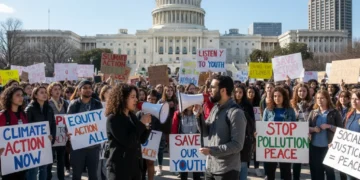
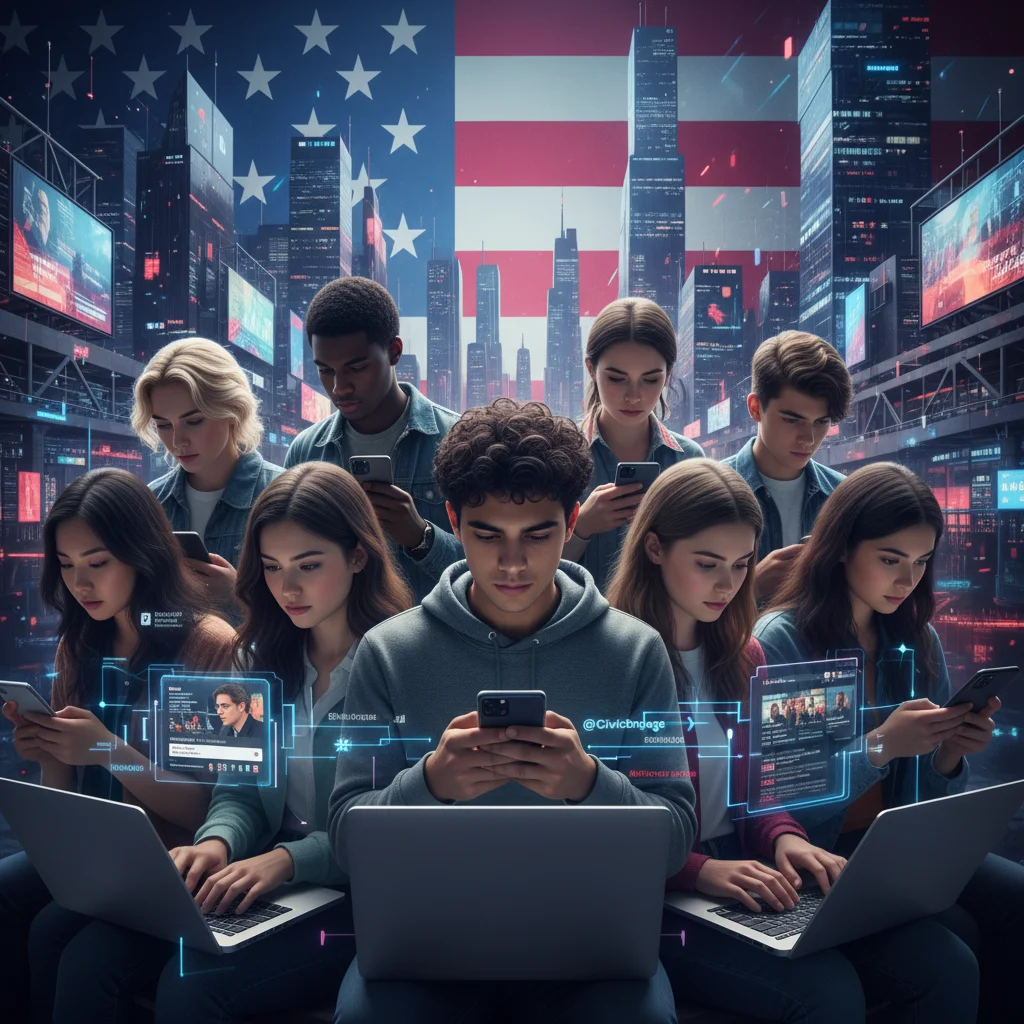
In the rapidly evolving landscape of American politics, a new and formidable force has emerged, poised to fundamentally redefine the very fabric of political discourse by 2026: Generation Z. This demographic, often characterized by its digital native status and inherent connectivity, is not merely observing the political arena; they are actively, innovatively, and often disruptively shaping it. The era of passive political engagement is rapidly fading, replaced by a vibrant, always-on form of Gen Z activism politics that leverages every available digital tool to demand change, hold power accountable, and mobilize movements at unprecedented speeds. This comprehensive exploration delves into the intricate mechanisms of Gen Z’s digital activism, examining how their unique approaches are setting the stage for a transformative shift in American political power and priorities.
The political landscape of 2026 will undoubtedly bear the indelible mark of Gen Z. Their formative years have been shaped by a confluence of global crises—climate change, economic instability, social injustice, and a pervasive sense of political disillusionment—all amplified and processed through the lens of digital media. Unlike previous generations that might have viewed political action as something reserved for traditional institutions or specific events, Gen Z perceives political engagement as an integrated, continuous aspect of daily life. Their activism is not confined to ballot boxes or protest lines; it thrives in the comments section, on TikTok feeds, in viral memes, and within meticulously curated online communities. This omnipresent engagement ensures that political issues are always on the agenda, always open for discussion, and always subject to their collective scrutiny.
Understanding this demographic is crucial for any political strategist, policymaker, or citizen hoping to navigate the future. Gen Z possesses a distinct set of values, a unique communication style, and an unparalleled mastery of digital platforms that differentiate their political impact. They are not easily swayed by traditional campaign rhetoric or top-down messaging. Instead, they seek authenticity, demand transparency, and prioritize issues that directly affect their future and the future of the planet. Their collective voice, amplified by digital networks, is becoming an undeniable force, capable of catapulting niche issues into national conversations, organizing rapid-response campaigns, and holding elected officials to account in real-time. The 2026 elections, and indeed the entire political cycle leading up to them, will serve as a stark testament to the profound influence of Gen Z activism politics.
The Digital DNA of Gen Z Activism: Platforms and Strategies
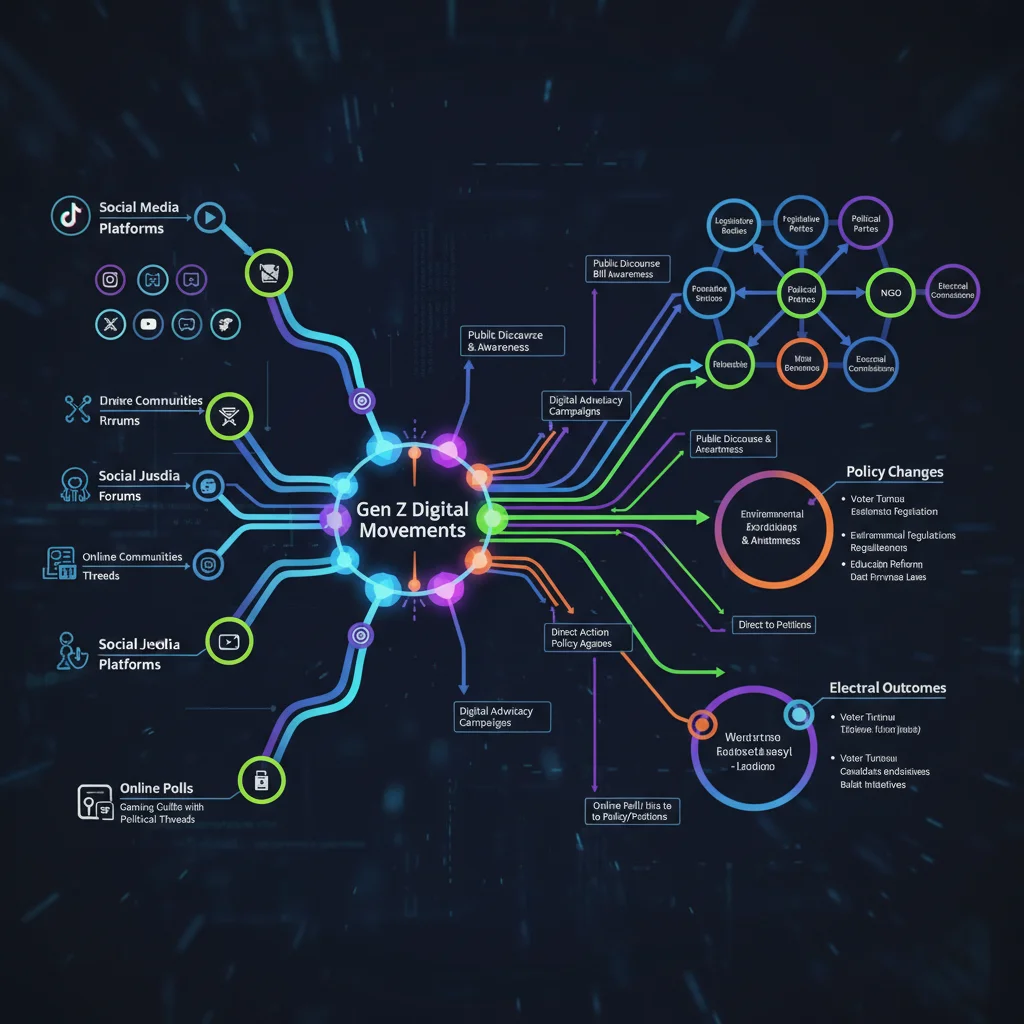
At the heart of Gen Z’s political power lies their inherent fluency with digital platforms. For them, social media is not just a tool for entertainment or social connection; it is a primary avenue for information dissemination, community building, and political organizing. Platforms like TikTok, Instagram, Twitter (now X), and even Discord and Reddit have become vital battlegrounds for ideas, mobilization hubs for movements, and direct channels for engaging with political processes. This digital DNA allows for a type of activism that is agile, decentralized, and incredibly responsive to current events.
The Rise of TikTok as a Political Powerhouse
Once dismissed as a platform purely for dance challenges and short-form comedy, TikTok has rapidly evolved into a significant political force, especially for Gen Z. Its algorithm, designed for rapid content consumption and virality, makes it an ideal vehicle for political messaging. Young activists use TikTok to create educational content, explain complex policy issues in digestible formats, share personal stories related to political topics, and organize calls to action. The platform’s ability to turn obscure issues into viral sensations overnight means that political narratives can shift and gain traction with unprecedented speed. Political campaigns and advocacy groups that fail to understand or engage with TikTok risk alienating a significant portion of the youth electorate.
Instagram and Visual Storytelling
Instagram continues to be a crucial platform for Gen Z activism politics, particularly through its emphasis on visual storytelling. Infographics, short videos, and compelling imagery are used to convey political messages, highlight injustices, and rally support. The visual nature of Instagram allows for emotional connections and quick absorption of information, making it effective for raising awareness and generating empathy. Activists leverage features like Stories, Reels, and Live sessions to provide real-time updates from protests, share interviews, and engage directly with their followers, creating a sense of immediacy and shared purpose.
Twitter (X) and Real-Time Discourse
Despite its evolving nature, Twitter (X) remains a vital platform for real-time political discourse and rapid-response activism. Gen Z uses it to track breaking news, engage in debates, amplify marginalized voices, and hold public figures accountable. Hashtag movements originating on Twitter can quickly gain national and even international prominence, forcing traditional media outlets and politicians to address issues they might otherwise ignore. The platform’s capacity for direct engagement with policymakers and journalists makes it an indispensable tool for influencing the political conversation.
Beyond the Mainstream: Discord, Reddit, and Niche Communities
While mainstream platforms capture much of the attention, Gen Z’s political organizing also thrives in more niche, community-driven spaces like Discord and Reddit. These platforms allow for deeper, more focused discussions and highly coordinated actions. Discord servers, for instance, can be private hubs for organizing protests, developing campaign strategies, or sharing sensitive information securely. Reddit’s subreddits, dedicated to specific political causes or candidates, foster strong communities where information is vetted, strategies are debated, and collective action is planned. These less visible spaces are often where the seeds of larger movements are sown and nurtured.
The Issues Driving Gen Z’s Political Engagement
Gen Z’s political priorities reflect the unique challenges and global interconnectedness of their upbringing. Their activism is not monolithic, but several key issues consistently animate their engagement and drive their demands for systemic change.
Climate Change and Environmental Justice
Perhaps no issue galvanizes Gen Z more profoundly than climate change. Having grown up witnessing its escalating impacts, they view it as an existential threat demanding urgent and transformative action. Their activism extends beyond advocating for renewable energy; it encompasses environmental justice, highlighting how climate change disproportionately affects marginalized communities. They push for policies that address both ecological degradation and social inequity, making climate action a central pillar of their political identity.
Racial Justice and Equity
The Black Lives Matter movement, significantly amplified by Gen Z, underscored their deep commitment to racial justice and equity. This generation is acutely aware of systemic racism and police brutality, using their platforms to educate, organize protests, and demand legislative reforms. Their activism in this area is characterized by a nuanced understanding of intersectionality, recognizing how race intersects with other forms of oppression.
Economic Inequality and Social Safety Nets
Facing a precarious economic future marked by student debt, rising living costs, and stagnant wages, Gen Z is highly attuned to issues of economic inequality. They advocate for policies that strengthen social safety nets, expand access to affordable education and healthcare, and ensure a more equitable distribution of wealth. Discussions around universal basic income, higher minimum wages, and student loan forgiveness resonate deeply within this demographic.
Mental Health Awareness and Access
Distinguishing themselves from previous generations, Gen Z has openly embraced discussions around mental health. They advocate for increased access to mental healthcare services, destigmatization of mental illness, and policies that support overall well-being. For them, mental health is not just a personal issue but a societal responsibility, with political implications for healthcare funding and educational support.
LGBTQ+ Rights and Inclusivity
Gen Z is the most diverse and inclusive generation to date, and their activism strongly reflects this. They are staunch advocates for LGBTQ+ rights, pushing for policies that ensure equality, protection, and acceptance for all gender identities and sexual orientations. Their digital spaces often serve as safe havens and organizing hubs for LGBTQ+ youth and their allies, solidifying their collective political power.
The Impact on Traditional Political Structures by 2026
The influence of Gen Z activism politics extends far beyond viral trends; it is actively forcing traditional political structures to adapt or risk obsolescence. By 2026, this pressure will have manifested in several significant ways.
Shifting Campaign Strategies
Political campaigns are increasingly recognizing the imperative of engaging Gen Z on their own terms. This means moving beyond traditional advertisements and embracing highly personalized, authentic, and platform-specific content. Campaigns now invest in social media influencers, create short-form video content, and engage in direct, often unscripted, interactions online. The days of simply buying television ads and expecting results are over; success in 2026 will hinge on a campaign’s ability to genuinely connect with Gen Z voters in their digital ecosystems.
Demanding Authenticity and Transparency
Gen Z has a highly developed BS detector. They are skeptical of polished political rhetoric and demand authenticity from their leaders. This translates into a preference for politicians who are perceived as genuine, who directly address their concerns, and who are transparent about their motivations and actions. Any perceived hypocrisy or lack of sincerity is quickly called out and amplified online, potentially damaging a candidate’s credibility irreparably.
Decentralization of Power and Information
One of the most significant impacts of Gen Z’s digital activism is the decentralization of political power and information. Traditional gatekeepers—mainstream media, political parties, and established institutions—no longer hold exclusive control over narratives. Information flows horizontally, peer-to-peer, and often bypasses traditional channels entirely. This means that grassroots movements can gain traction rapidly, and alternative viewpoints can challenge dominant narratives with unprecedented force. By 2026, this shift will necessitate a more adaptable and responsive political system, less reliant on top-down control.
Increased Voter Turnout and Political Participation
While Gen Z’s voter turnout in past elections has been a mixed bag, their consistent digital engagement suggests a growing political consciousness that could translate into higher participation rates by 2026. The accessibility of online voter registration, information about candidates, and peer-to-peer encouragement all contribute to lowering the barriers to entry for political participation. As more Gen Z individuals reach voting age and as their issues gain prominence, their collective electoral power will become undeniable.
Challenges and Criticisms of Digital Activism
Despite its many strengths, Gen Z activism politics is not without its challenges and criticisms. Understanding these limitations is crucial for a balanced perspective on its long-term impact.
The Echo Chamber Effect and Polarization
Digital platforms, while excellent for community building, can also create echo chambers where individuals are primarily exposed to like-minded views. This can lead to increased polarization, making it harder to find common ground and engage in constructive dialogue across ideological divides. Gen Z, like other demographics, is susceptible to these algorithmic biases, potentially hindering their ability to build broader coalitions.
Slacktivism and Performative Activism
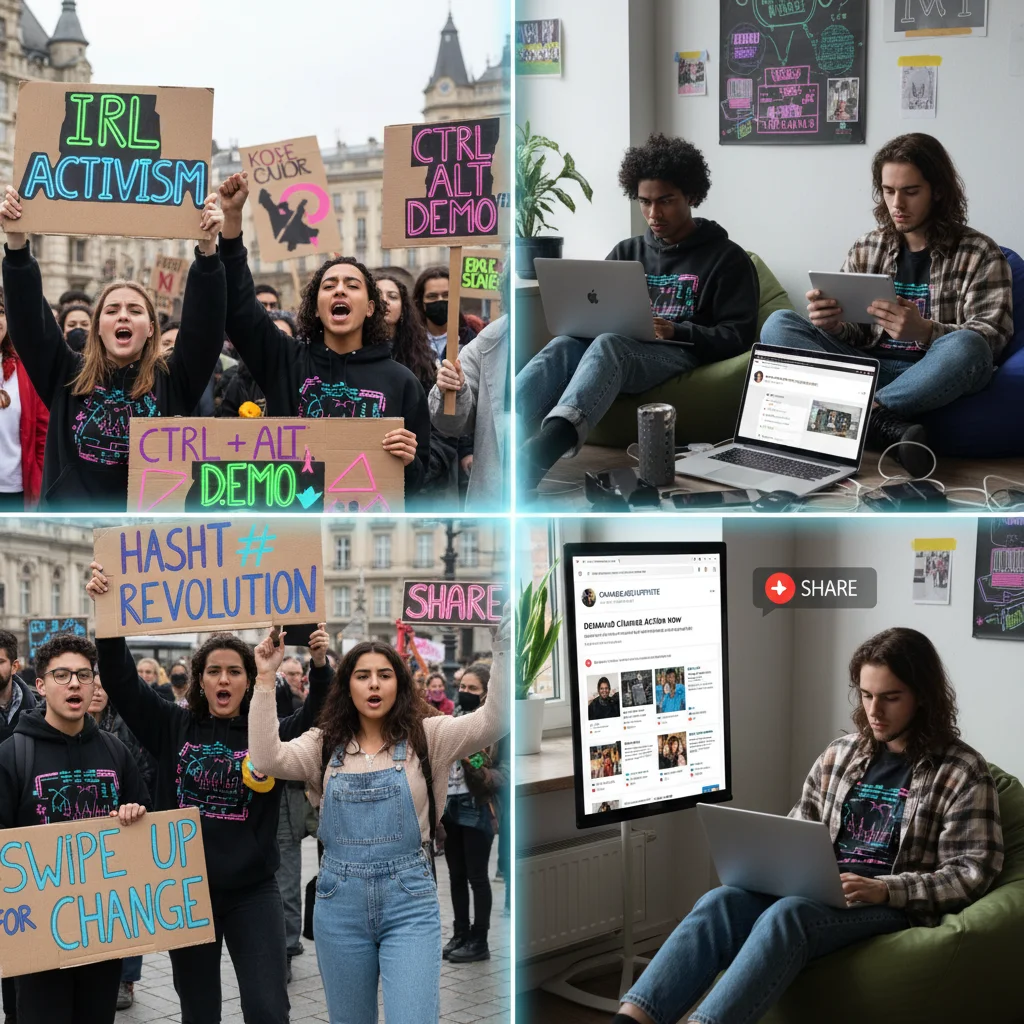
A common criticism leveled against digital activism is the concept of ‘slacktivism’ or ‘performative activism’ – the idea that online engagement (liking, sharing, commenting) can substitute for meaningful, tangible action. While digital amplification is crucial, critics argue that it sometimes lacks the depth and sustained effort required for fundamental change. Gen Z activists are increasingly aware of this critique and are working to bridge the gap between online advocacy and real-world impact, but the challenge remains.
Misinformation and Disinformation
The same digital channels that facilitate rapid information sharing also make it susceptible to misinformation and disinformation. Gen Z, while digitally savvy, is not immune to fabricated narratives or misleading content. The speed at which false information can spread online poses a significant threat to informed political discourse and can undermine genuine activist efforts. Critical digital literacy is paramount for navigating this complex information environment.
Burnout and Mental Health Toll
The constant exposure to global crises, social injustices, and online negativity can take a significant toll on the mental health of young activists. The pressure to be always ‘on,’ to respond to every injustice, and to maintain an active online presence can lead to burnout. Recognizing and addressing the mental health implications of sustained digital activism is an emerging challenge for Gen Z and their allies.
The Future Landscape: 2026 and Beyond
Looking ahead to 2026, it is clear that Gen Z activism politics will continue to be a dominant force, shaping not only election outcomes but also the very nature of political engagement in America. The trends we observe today are merely precursors to a more deeply integrated and influential role for this generation.
Integration of AI and New Technologies
As technology continues to advance, Gen Z activists will undoubtedly integrate new tools like AI into their strategies. This could range from using AI for sophisticated data analysis to identify key voter demographics, to leveraging AI-generated content for highly personalized political messaging, or even employing AI to detect and counter disinformation campaigns. The technological frontier of activism is constantly expanding, and Gen Z will be at its forefront.
Emphasis on Local and Grassroots Movements
While Gen Z engages with national and global issues, there is also a growing recognition of the importance of local activism. Digital tools make it easier than ever to organize at the grassroots level, influencing local elections, school board decisions, and community policies. This bottom-up approach will complement their broader national efforts, creating a more comprehensive and impactful political presence.
Cross-Generational Alliances
While this article focuses on Gen Z, their success will increasingly depend on forging cross-generational alliances. As their political power grows, so too will the need to collaborate with older generations who possess institutional knowledge and resources. Bridging generational divides, both online and offline, will be crucial for translating digital momentum into lasting policy change.
Policy Impact and Legislative Agendas
By 2026, the consistent pressure from Gen Z’s digital activism will likely lead to a more pronounced shift in legislative agendas. Issues like climate action, mental healthcare reform, student debt relief, and racial justice will move from the periphery to the center of political debate, forcing policymakers to respond with concrete legislative proposals. The electoral success of candidates who champion these issues will further solidify their importance.
The Evolution of Political Identity
Gen Z’s political identity is fluid and intersectional, often defying traditional party lines. They are less likely to align strictly with one political party and more likely to support candidates and causes that reflect their values, regardless of partisan affiliation. This independent streak will continue to challenge the two-party system, pushing for more diverse political representation and a broader spectrum of policy solutions. The traditional political spectrum may find itself increasingly inadequate to capture the nuances of Gen Z’s political landscape.
Conclusion: A New Era of Political Engagement
The year 2026 stands as a significant marker in the ongoing evolution of American politics, largely thanks to the transformative power of Gen Z activism politics. This generation, armed with digital fluency, a strong sense of social justice, and an unwavering commitment to authenticity, is not just participating in politics; they are actively reimagining it. From the viral campaigns on TikTok to the strategic organizing in Discord servers, Gen Z is demonstrating that political power no longer resides solely in traditional institutions but is increasingly distributed across interconnected digital networks.
Their impact is multifaceted: they are shifting campaign strategies, forcing issues onto the national agenda, demanding greater transparency from leaders, and fostering a more decentralized and responsive political discourse. While challenges such as misinformation and the potential for ‘slacktivism’ persist, Gen Z is continually adapting, learning, and refining their approaches to maximize their influence.
For anyone involved in American politics—whether as a politician, a strategist, an activist, or an engaged citizen—understanding and engaging with Gen Z’s digital activism is no longer optional; it is essential. Their values, their methods, and their sheer numerical strength guarantee that their voice will not only be heard but will fundamentally reshape the American political landscape for decades to come. The 2026 shift is not just about a new generation voting; it’s about a new paradigm of political engagement taking hold, driven by the relentless, innovative, and digitally native spirit of Gen Z.