Gen Z Consumer Behavior 2026: 3 Unexpected Trends Reshaping the US Market
The year is 2026, and the landscape of consumer behavior in the United States continues its relentless evolution, primarily driven by the ascendant economic power of Generation Z. This demographic, comprising individuals born roughly between 1997 and 2012, is not just a new generation; it’s a paradigm shift. Having grown up in a world saturated with digital information, social media, and unprecedented global challenges, their values, expectations, and purchasing habits are fundamentally different from those of their predecessors. For businesses to thrive in this rapidly changing environment, understanding these nuances is not merely advantageous; it’s existential. This deep dive into Gen Z Consumer Trends for 2026 will unveil three unexpected patterns that are poised to redefine how brands connect, communicate, and ultimately convert this influential cohort. We’re moving beyond the superficial understanding of digital native and into the heart of their motivations, their skepticism, and their unwavering demand for authenticity.
The economic impact of Gen Z is already substantial and is projected to grow exponentially. As they enter their prime earning and spending years, their collective purchasing power is set to dramatically reshape market dynamics across virtually every sector. While many businesses have begun to acknowledge Gen Z’s presence, a deeper, more nuanced understanding of their evolving values is crucial. This article aims to provide that insider knowledge, moving beyond common assumptions to highlight surprising shifts that demand immediate strategic attention. We will explore how their relationship with brands is becoming increasingly complex, driven by factors that extend far beyond price or traditional advertising.
Navigating the Gen Z market requires agility, foresight, and a genuine commitment to understanding a generation that values purpose as much as product. Their digital fluency means they are hyper-aware and hyper-critical, capable of discerning genuine intent from performative marketing. Therefore, the strategies that worked for Millennials or Gen X will likely fall flat. The future of consumer engagement hinges on anticipating these shifts and adapting proactively. Let’s delve into the three unexpected Gen Z Consumer Trends that will be paramount in 2026.
1. The Rise of ‘Conscious Consumption with a Conscience’: Beyond Greenwashing
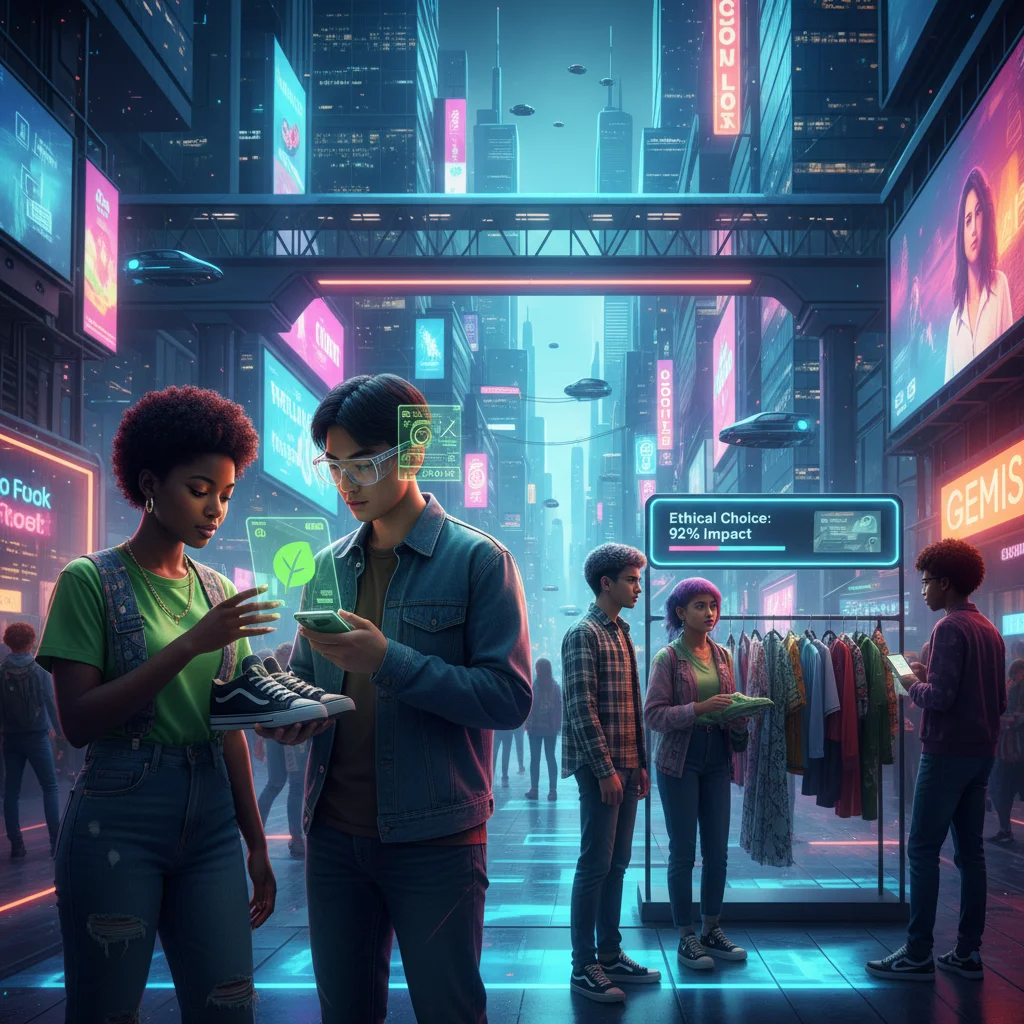
For years, marketers have understood that Gen Z cares about sustainability. However, by 2026, this concern will have evolved beyond simple eco-friendliness into a sophisticated and often skeptical ‘conscious consumption with a conscience.’ This trend signifies a deeper, more critical examination of a brand’s entire value chain, from ethical labor practices and supply chain transparency to genuine environmental impact and corporate social responsibility. Gen Z consumers are becoming increasingly adept at spotting greenwashing and will actively penalize brands that fail to live up to their stated values.
Authenticity and Transparency as Non-Negotiables
The first unexpected layer of this trend is the absolute demand for authenticity and transparency. It’s no longer enough for a brand to simply state they are sustainable; they must prove it. Gen Z consumers are actively seeking out detailed information about product origins, manufacturing processes, labor conditions, and environmental footprint. Technologies like blockchain for supply chain tracking, detailed impact reports, and accessible certifications will become standard expectations, not just value-adds. Brands that can provide verifiable proof of their ethical and sustainable practices will gain a significant competitive edge.
This goes beyond basic certifications. Gen Z wants to understand the ‘why’ and the ‘how’ behind a brand’s claims. They are performing their own research, cross-referencing information, and relying on peer reviews and independent analyses to validate a brand’s integrity. Companies that are willing to be vulnerable about their challenges and committed to continuous improvement will often be favored over those that project an image of unattainable perfection.
The ‘Pay More for Purpose’ Paradox
Another surprising facet is the ‘pay more for purpose’ paradox. While Gen Z is often perceived as budget-conscious, particularly given current economic uncertainties, they are demonstrably willing to pay a premium for products and services from brands that align with their ethical and social values. This isn’t a universal rule, but where values intersect, price elasticity increases significantly. However, this willingness is contingent on genuine impact. They are not merely paying for a logo; they are investing in a mission. This means brands must clearly articulate their purpose and demonstrate tangible positive contributions to society or the environment.
This willingness to pay more for purpose also extends to supporting local businesses and small enterprises that embody community values and sustainable practices. The narrative of ‘supporting small’ or ‘buying local’ resonates deeply, as it often implies a more direct connection to ethical sourcing and responsible production. This trend challenges traditional mass-market strategies and encourages a more localized, community-centric approach to branding and distribution.
Beyond Environmentalism: Social Equity and Inclusivity
Furthermore, ‘conscious consumption’ for Gen Z extends far beyond environmental concerns to encompass social equity and inclusivity. Brands that champion diversity, advocate for social justice, and demonstrate genuine commitment to equitable practices within their workforce and marketing will win significant favor. This isn’t about tokenism; it’s about systemic change. Gen Z expects brands to take a stand on important social issues, not just remain neutral. Their purchasing decisions are increasingly becoming a form of activism, a way to align their spending with their beliefs.
This means that brand messaging needs to be inclusive, representative, and authentic. Brands must demonstrate that they understand and value diverse perspectives, and that their internal structures reflect these values. Companies that are perceived as tone-deaf or performative in their social justice efforts face significant backlash, which can rapidly erode brand trust and loyalty. The expectation is for brands to be active participants in creating a more just and equitable world, not just passive observers.

2. The ‘De-Influencer’ Effect and Hyper-Niche Communities: Trust Reimagined
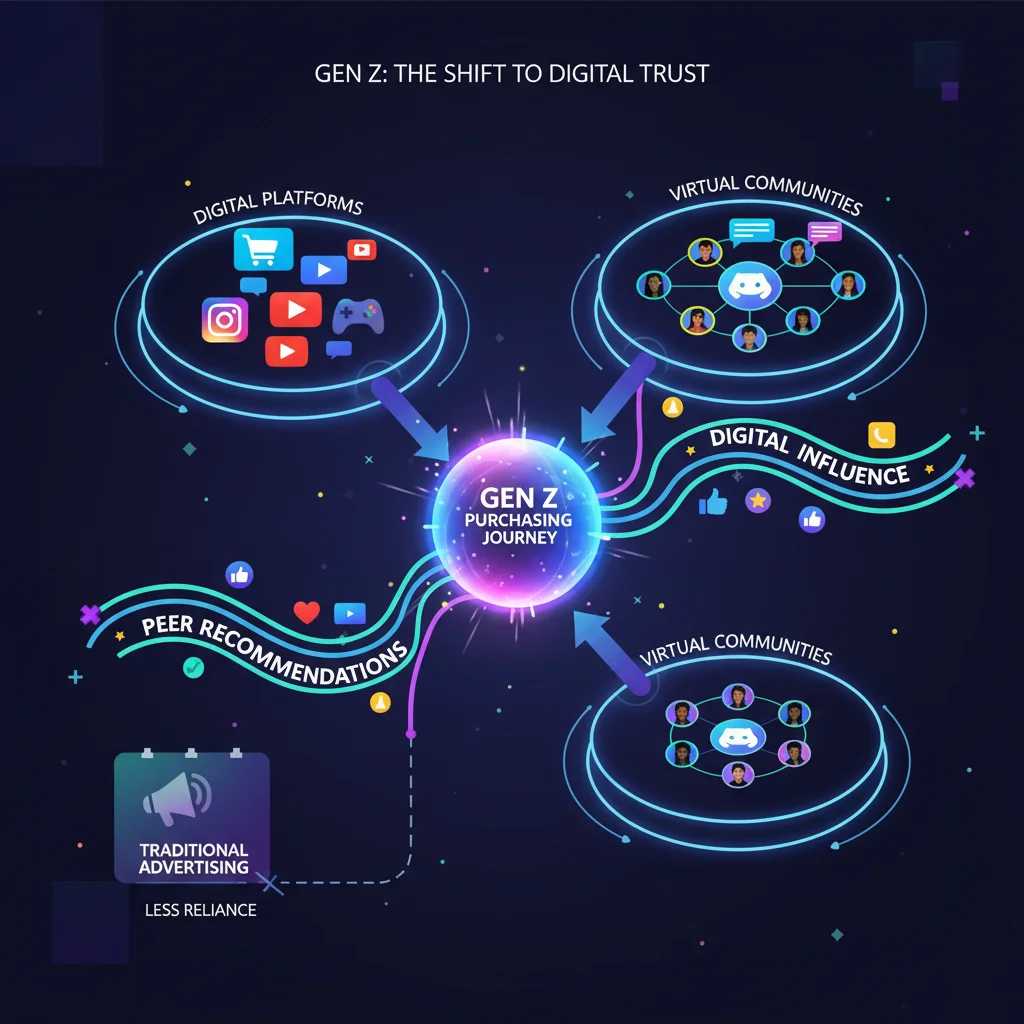
The age of the macro-influencer is waning for Gen Z. By 2026, we will observe a significant shift towards the ‘de-influencer’ effect and the profound impact of hyper-niche online communities on purchasing decisions. This trend reflects Gen Z’s inherent skepticism towards traditional advertising and their preference for authentic, unfiltered perspectives from relatable sources. They are actively seeking out voices that challenge conventional consumerism and offer genuine, often critical, reviews.
The Rise of De-Influencing
De-influencing is perhaps the most unexpected and impactful development in this space. Instead of promoting products, de-influencers actively advise against certain purchases, citing reasons like poor quality, ethical concerns, or simply identifying products that are overhyped or unnecessary. This trend stems from Gen Z’s desire for authenticity and their strong anti-consumerist leanings in certain areas. They are wary of sponsored content and can quickly identify when an influencer’s recommendation is driven by monetary gain rather than genuine belief.
This doesn’t mean Gen Z is entirely immune to influence, but the nature of that influence has changed dramatically. They value honesty, even if that honesty means being told not to buy something. Brands can leverage this by fostering genuine relationships with micro and nano-influencers who align with their values and are known for their integrity, even if it means occasionally acknowledging product limitations or alternatives. The goal is to build trust through transparency, not just promotion.
Hyper-Niche Communities as Trust Hubs
Complementing the de-influencer trend is the increasing reliance on hyper-niche online communities. These are not broad social media groups but highly specific forums, Discord servers, private subreddits, and specialized interest groups where members share detailed knowledge, offer unbiased opinions, and collectively vet products and services. Whether it’s a community dedicated to sustainable fashion, specific gaming hardware, or niche hobbies, these groups serve as powerful trust hubs where word-of-mouth recommendations (or warnings) spread rapidly and carry significant weight.
For brands, penetrating these communities requires a delicate and respectful approach. Overt advertising is often met with hostility. Instead, successful engagement involves genuine participation, offering value without direct sales pitches, and listening intently to community feedback. Brands that can authentically contribute to these conversations, perhaps by providing educational content or acting as a resource, will build credibility and eventually earn the trust of these influential groups. This is a long-game strategy that prioritizes relationship building over immediate conversion.
Peer-to-Peer Validation Over Brand Messaging
Ultimately, Gen Z places far greater trust in peer-to-peer validation than in traditional brand messaging. A recommendation from a trusted peer, even an online acquaintance within a niche community, holds more sway than a celebrity endorsement or a polished advertisement. This means that user-generated content (UGC), authentic reviews, and testimonials become incredibly powerful marketing tools. Brands should actively encourage and facilitate UGC, providing platforms for customers to share their genuine experiences, both positive and constructive.
The implications for marketing strategies are profound. It necessitates a shift from broadcast advertising to more granular, community-centric engagement. Brands must become facilitators of conversations rather than just creators of campaigns. They need to empower their most enthusiastic customers to become advocates, understanding that these organic endorsements are the most potent form of marketing for this generation. This also means being prepared for honest feedback and engaging with it constructively, as Gen Z values responsiveness and accountability.
3. The ‘Experience Economy 2.0’: Hyper-Personalization and Digital Immersion
The experience economy isn’t new, but for Gen Z in 2026, it’s evolving into ‘Experience Economy 2.0’, characterized by an unprecedented demand for hyper-personalization and seamless digital immersion. This goes beyond simple customization; it’s about crafting unique, memorable interactions that blend the physical and digital worlds, making every touchpoint feel tailor-made for the individual.
Hyper-Personalization as Standard
Gen Z has grown up with algorithms curating their digital lives, from social media feeds to streaming recommendations. As a result, they expect brands to anticipate their needs, preferences, and even moods. By 2026, basic personalization (like addressing them by name) will be table stakes. Hyper-personalization will involve leveraging data (with explicit consent and transparent privacy practices) to offer truly bespoke product recommendations, customized content, and even dynamically adjusted pricing or loyalty rewards based on individual behavior and context.
This level of personalization requires sophisticated AI and machine learning capabilities, but it also demands a deep understanding of customer journeys. Brands that excel will be those that can create a seamless, intuitive experience across all channels, where every interaction feels like a natural extension of the customer’s personal preferences. Think personalized virtual showrooms, AI-driven style advisors, or subscription boxes that evolve with changing tastes and needs.
The challenge lies in achieving this without infringing on privacy. Gen Z is acutely aware of data privacy issues and expects brands to be transparent about how their data is collected and used. Trust is paramount, and any perception of misuse can quickly lead to disengagement. Brands must clearly communicate the value proposition of data sharing – how it directly enhances their personal experience – and provide easy-to-use controls for managing their data.
Seamless Digital-Physical Blending (Phygital Experiences)
The line between the digital and physical worlds is increasingly blurred for Gen Z. In 2026, ‘phygital’ experiences will be the norm, where online interactions seamlessly enhance offline experiences, and vice-versa. This might include augmented reality (AR) try-ons for clothing or furniture, interactive in-store digital displays that provide product information and personalized recommendations, or virtual events that offer exclusive digital merchandise and community interaction.
The physical store, far from being obsolete, transforms into an experiential hub. It becomes a place for discovery, community, and hands-on engagement, often integrated with digital tools. For example, a customer might scan a QR code in-store to access a product’s full sustainability report, watch a video of its creation, or even connect with an online community discussing the product. Conversely, online platforms might offer virtual tours of manufacturing facilities or immersive 3D product explorations that feel almost tangible.
Gamification and Interactive Content
Finally, the ‘Experience Economy 2.0’ for Gen Z will heavily lean into gamification and interactive content. Growing up with video games and interactive apps, Gen Z expects engagement, not just consumption. Brands that can integrate game-like elements into their marketing, loyalty programs, or even product usage will capture their attention more effectively. This could involve earning points for sustainable choices, unlocking exclusive content through interactive challenges, or participating in brand-sponsored virtual events within metaverse platforms.
Interactive content, such as polls, quizzes, user-generated challenges, and live streams with real-time Q&A, fosters a sense of participation and ownership. It allows Gen Z to feel like they are co-creating the brand experience rather than passively receiving it. This interactivity not only increases engagement but also provides valuable data for further hyper-personalization, creating a virtuous cycle of tailored experiences.
Implications for Businesses: Navigating the 2026 Landscape
These three Gen Z Consumer Trends are not isolated phenomena; they are interconnected, forming a complex web of expectations that brands must untangle. The implications for businesses are far-reaching and demand a strategic overhaul in many areas:
- Re-evaluate Brand Purpose: Is your brand’s purpose genuinely aligned with ethical, sustainable, and inclusive values? Can you transparently demonstrate this commitment across your entire operation? Authenticity is paramount.
- Invest in Transparency and Traceability: Prepare to provide detailed, verifiable information about your products’ origins, production methods, and social/environmental impact. Blockchain and advanced data analytics will be key enablers.
- Shift Marketing Spend: Move away from broad, interruptive advertising towards targeted engagement within hyper-niche communities. Foster relationships with micro-influencers and de-influencers who prioritize authenticity over promotion.
- Empower User-Generated Content: Create platforms and incentives for customers to share their genuine experiences. User reviews and peer recommendations are more powerful than ever.
- Prioritize Data-Driven Hyper-Personalization: Invest in AI and machine learning to deliver truly bespoke experiences, but always with a focus on data privacy and transparent consent.
- Design Seamless Phygital Experiences: Integrate digital tools into physical retail spaces and enhance online interactions with immersive, tangible elements. The future is a blended reality.
- Embrace Gamification and Interactivity: Transform passive consumption into active engagement through game-like elements, challenges, and interactive content that allows Gen Z to participate and co-create.
- Cultivate Community: Understand that Gen Z seeks belonging. Brands can foster this by creating spaces (digital and physical) where their audience can connect, share, and feel heard.
Conclusion: The Future is Now for Gen Z Consumer Trends
The consumer landscape of 2026, shaped by the evolving values and behaviors of Gen Z, promises to be one of profound transformation. The unexpected trends of ‘conscious consumption with a conscience,’ the ‘de-influencer’ effect within hyper-niche communities, and the ‘Experience Economy 2.0’ driven by hyper-personalization and digital immersion signal a clear message to businesses: adapt or be left behind. This generation demands authenticity, transparency, purpose, and highly personalized, engaging experiences.
Successfully navigating these Gen Z Consumer Trends requires more than just a superficial understanding; it demands a fundamental shift in business philosophy, marketing strategy, and technological investment. Brands that can genuinely connect with Gen Z’s core values, earn their trust through transparent practices, and deliver seamless, personalized, and interactive experiences will not only survive but thrive in the dynamic market of 2026 and beyond. The future of consumer behavior is already here, and it’s being written by Gen Z.