Demographic Shifts 2026: Aging US Population and Economic Growth Impact
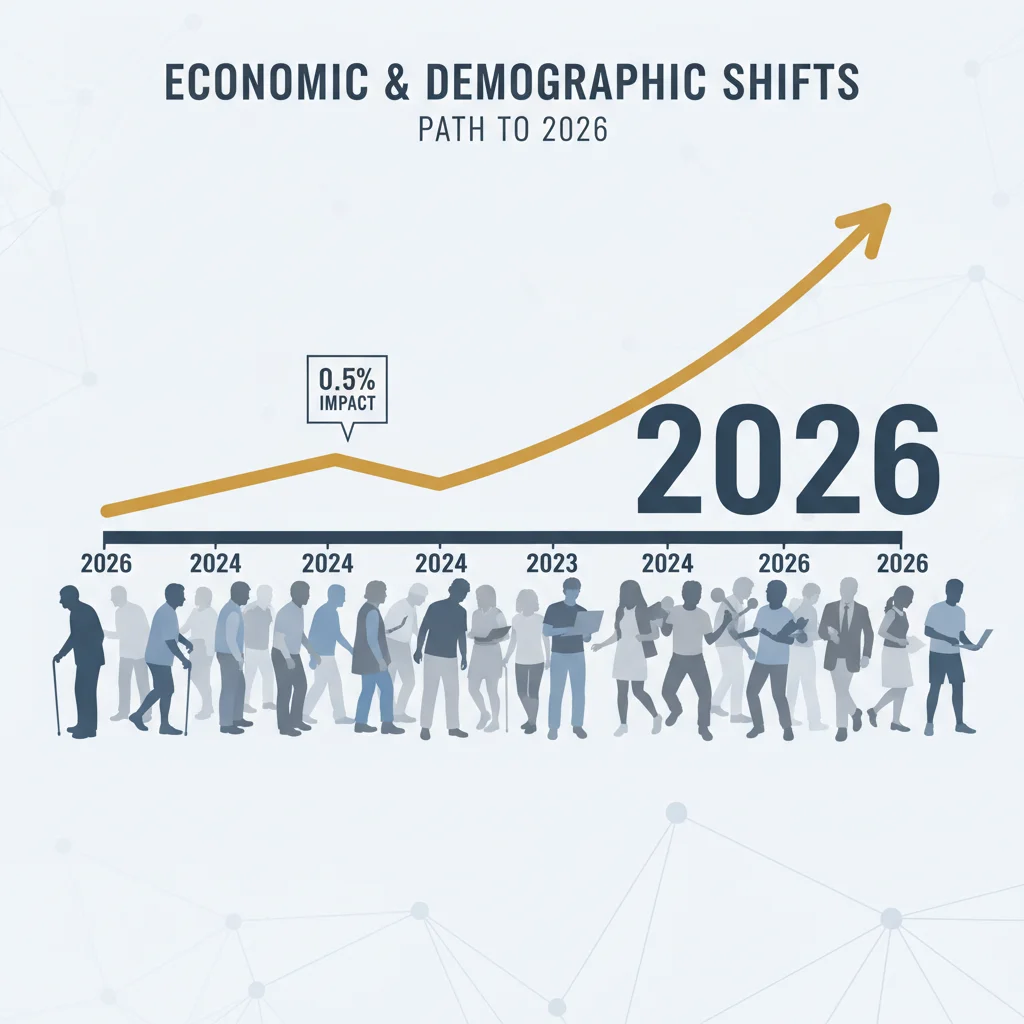
The United States stands at the precipice of a significant demographic transformation. By 2026, the ongoing trend of an aging population is projected to exert a tangible influence on the nation’s economic trajectory, potentially reducing overall economic growth by as much as 0.5%. This isn’t just a statistical blip; it represents a profound shift with far-reaching implications for every facet of American society, from labor markets and consumer spending to innovation and public policy. Understanding the intricacies of these demographic shifts and their economic consequences is paramount for businesses, policymakers, and individuals alike.
The concept of an aging US economy is not new, but its acceleration and the specificity of its projected impact by 2026 demand urgent attention. This article will delve deep into the mechanisms through which an older population affects economic vitality, explore the challenges it presents, and identify potential strategies to mitigate negative effects and harness new opportunities. We will analyze the interplay of declining birth rates, increased life expectancy, and the retirement of the baby boomer generation, all contributing to a demographic landscape unlike any the US has seen before. The 0.5% reduction in growth might seem modest on paper, but in an economy the size of the United States, it translates into hundreds of billions of dollars, affecting everything from wage growth to investment returns.
Understanding the Demographic Tsunami: What Defines an Aging US Economy?
An aging US economy is characterized by a higher proportion of older individuals relative to younger ones. Several factors contribute to this phenomenon. Firstly, advancements in healthcare, nutrition, and public health have significantly increased life expectancy. People are living longer, healthier lives than ever before. While a triumph of modern society, this also means more years spent in retirement or semi-retirement, potentially drawing on public resources and social security rather than contributing directly to the labor force.
Secondly, birth rates in the US have been steadily declining for decades. Factors such as increased access to education and career opportunities for women, rising costs of raising children, and changing societal norms have led to smaller family sizes. A lower birth rate means fewer young people entering the workforce in the future, creating a demographic imbalance where the number of retirees grows faster than the number of active workers.
Finally, the sheer size of the baby boomer generation (those born between 1946 and 1964) reaching retirement age is a monumental factor. This large cohort is transitioning out of the full-time workforce, creating a significant demographic bulge in the older age brackets. This combination of increased longevity, decreased fertility, and the retirement of a massive generation forms the core of the demographic shift we are observing and its impending impact on the aging US economy.
The ripple effects of this demographic tsunami are extensive. Economists and demographers have been studying these trends for years, and the consensus is clear: the structure of the economy will need to adapt. From the demand for goods and services to the supply of labor and the burden on social welfare programs, the implications are profound. Ignoring these shifts is not an option; proactive planning and innovative solutions are essential to navigate this new economic reality.
The 0.5% Economic Growth Impact: Deconstructing the Numbers
The projection of a 0.5% reduction in economic growth by 2026 due to an aging US economy is derived from complex economic models that consider various factors. Primarily, this figure reflects a deceleration in labor force growth and, consequently, a slowdown in overall productivity gains. Economic growth is fundamentally driven by two main components: the growth of the labor force and the growth of labor productivity. When the labor force shrinks or grows at a slower pace, sustaining high levels of economic expansion becomes inherently more challenging.
Declining Labor Force Participation
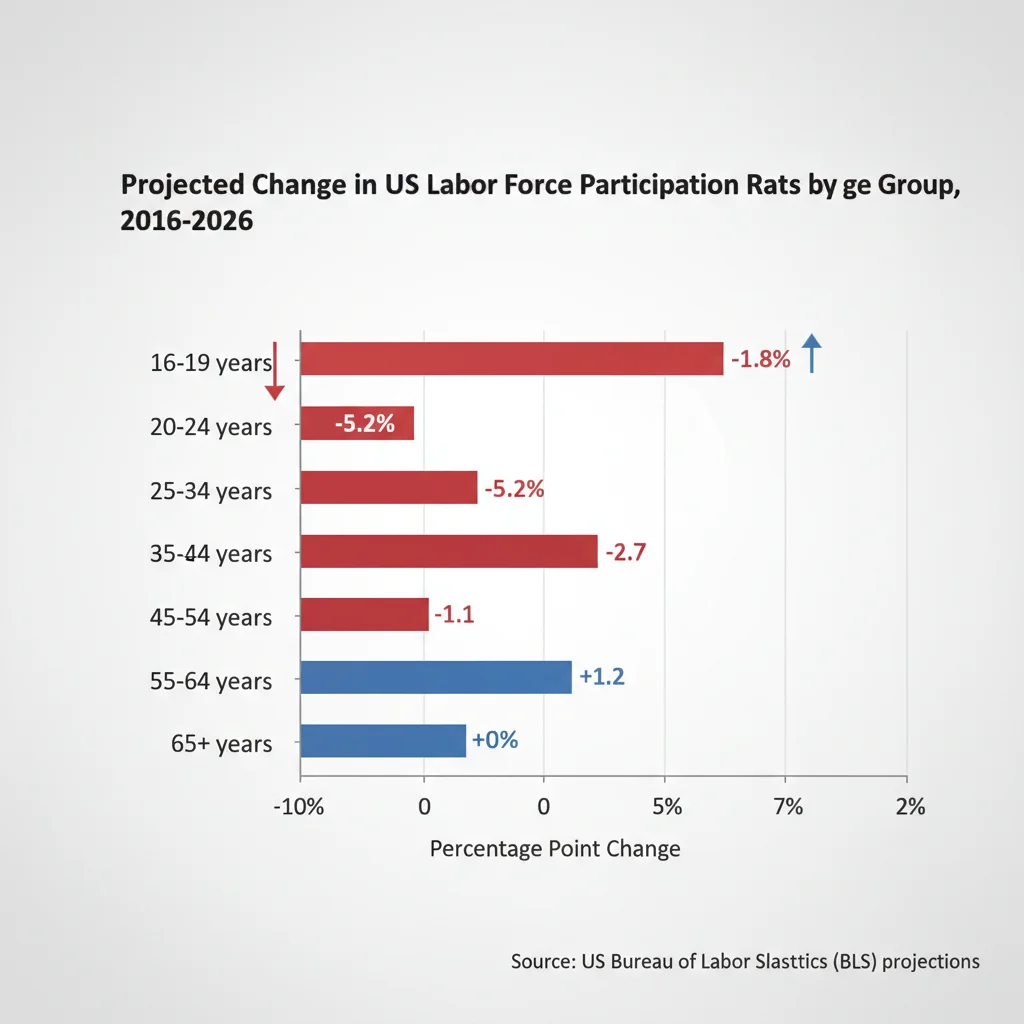
As more individuals enter retirement, the overall labor force participation rate tends to decline. This means fewer workers are available to produce goods and services, which directly impacts the nation’s productive capacity. While many older adults continue to work past traditional retirement age, their numbers are often insufficient to offset the larger trend. Furthermore, those who do continue to work may do so on a part-time basis, contributing less to aggregate labor supply.
Productivity Growth Challenges
The impact on productivity is more nuanced. Some argue that an older workforce might be less adaptable to new technologies or less physically capable, potentially hindering productivity. However, others counter that older workers bring invaluable experience, institutional knowledge, and mentorship, which can enhance overall productivity. The net effect often depends on the specific industry, the nature of work, and the investments made in reskilling and upskilling programs for older adults. Nonetheless, if the overall labor pool is shrinking, maintaining a high rate of productivity growth across the entire economy becomes a steeper uphill battle.
Changes in Savings and Investment
An aging US economy can also influence savings and investment patterns. As people approach and enter retirement, their savings behavior often shifts from accumulation to decumulation. This can potentially reduce the aggregate pool of national savings available for investment, which is crucial for capital formation and long-term economic growth. Lower investment can lead to slower adoption of new technologies and reduced expansion of productive capacity.
The 0.5% figure, therefore, serves as a stark reminder of the economic headwinds generated by these demographic shifts. It’s a call to action for policymakers and businesses to develop strategies that can either counteract these trends or adapt to them in a way that minimizes negative consequences and maximizes potential benefits.
Impact on Key Economic Sectors
The ripple effect of an aging US economy will not be uniform across all sectors. Some industries will face significant challenges, while others may find new opportunities for growth and innovation.
Healthcare and Social Services
Perhaps the most obvious impact will be on the healthcare and social services sectors. An older population typically requires more extensive medical care, from routine check-ups to specialized treatments for chronic conditions. This will lead to increased demand for doctors, nurses, home healthcare aides, and geriatric specialists. Pharmaceutical companies, medical device manufacturers, and long-term care facilities will also see significant growth. However, this increased demand will also place immense pressure on healthcare financing systems, particularly Medicare and Medicaid, necessitating reforms and innovative solutions to manage costs.
Labor Market Dynamics
The labor market will experience profound changes. With fewer young entrants and more retirements, industries heavily reliant on manual labor or a continuous influx of new talent may face acute labor shortages. Construction, manufacturing, and certain service industries could struggle to find sufficient workers. This could lead to upward pressure on wages in these sectors, but also to increased automation and a greater reliance on technology to fill labor gaps. Businesses will need to rethink recruitment strategies, potentially focusing on retaining older workers, attracting skilled immigrants, and investing in automation.
Consumer Spending and Retail
Consumer spending patterns will also shift. Older adults tend to spend differently than younger demographics. While they may spend less on certain categories like consumer electronics or fast fashion, they often spend more on healthcare, travel, leisure activities, and home maintenance. This presents opportunities for businesses catering to the needs and preferences of an older demographic – the so-called ‘silver economy’. Retailers, hospitality providers, and financial services companies will need to adapt their product offerings and marketing strategies to appeal to this growing consumer segment.
Real Estate and Housing
The real estate market will also feel the effects. Demand for accessible housing, senior living communities, and smaller, low-maintenance homes may increase. Conversely, demand for larger family homes might stagnate or decline in some areas. Urban planning will need to consider the needs of an older population, including public transportation, walkable communities, and accessible infrastructure.
Challenges and Policy Implications for an Aging US Economy
Addressing the challenges posed by an aging US economy requires a multi-pronged approach involving significant policy adjustments and innovative societal responses. The 0.5% growth reduction is not inevitable if proactive measures are taken.
Social Security and Medicare Solvency
One of the most pressing concerns is the long-term solvency of Social Security and Medicare. With a shrinking ratio of workers to retirees, these pay-as-you-go systems face increasing strain. Potential solutions include raising the retirement age, adjusting benefit formulas, increasing payroll taxes, or diversifying funding sources. Political will and bipartisan cooperation will be crucial to implement sustainable reforms.
Workforce Development and Retention
To counteract labor force shrinkage, policies aimed at enhancing workforce participation among older adults are vital. This includes promoting flexible work arrangements, combating age discrimination, investing in lifelong learning and reskilling programs, and creating work environments that accommodate the needs of older workers. Encouraging longer working lives, even on a part-time basis, can help maintain productivity and reduce the burden on social safety nets.
Immigration Policy
Immigration has historically played a significant role in replenishing the US labor force and mitigating demographic imbalances. Thoughtful immigration policies that attract skilled workers and integrate them effectively into the economy could help offset some of the demographic headwinds. This is a complex political issue, but its economic relevance to an aging US economy cannot be overstated.
Innovation and Automation
Accelerating innovation and the adoption of automation will be critical for maintaining productivity growth in the face of a smaller labor force. Investments in artificial intelligence, robotics, and other advanced technologies can help increase output per worker, thereby offsetting the impact of fewer workers. Policymakers can support this through research and development incentives, education in STEM fields, and fostering an environment conducive to technological advancement.
Healthcare Cost Management
Managing the escalating costs of healthcare for an older population is another major challenge. This will require a focus on preventive care, promoting healthy aging, leveraging technology for more efficient healthcare delivery (e.g., telehealth), and exploring alternative payment models. The goal is to ensure high-quality care without bankrupting the system.
Opportunities in an Aging US Economy: The Silver Economy
While the challenges are substantial, an aging US economy also presents significant opportunities, particularly in the emergence of the ‘silver economy’. This term refers to the economic activity related to the needs and demands of older consumers.
New Markets and Products
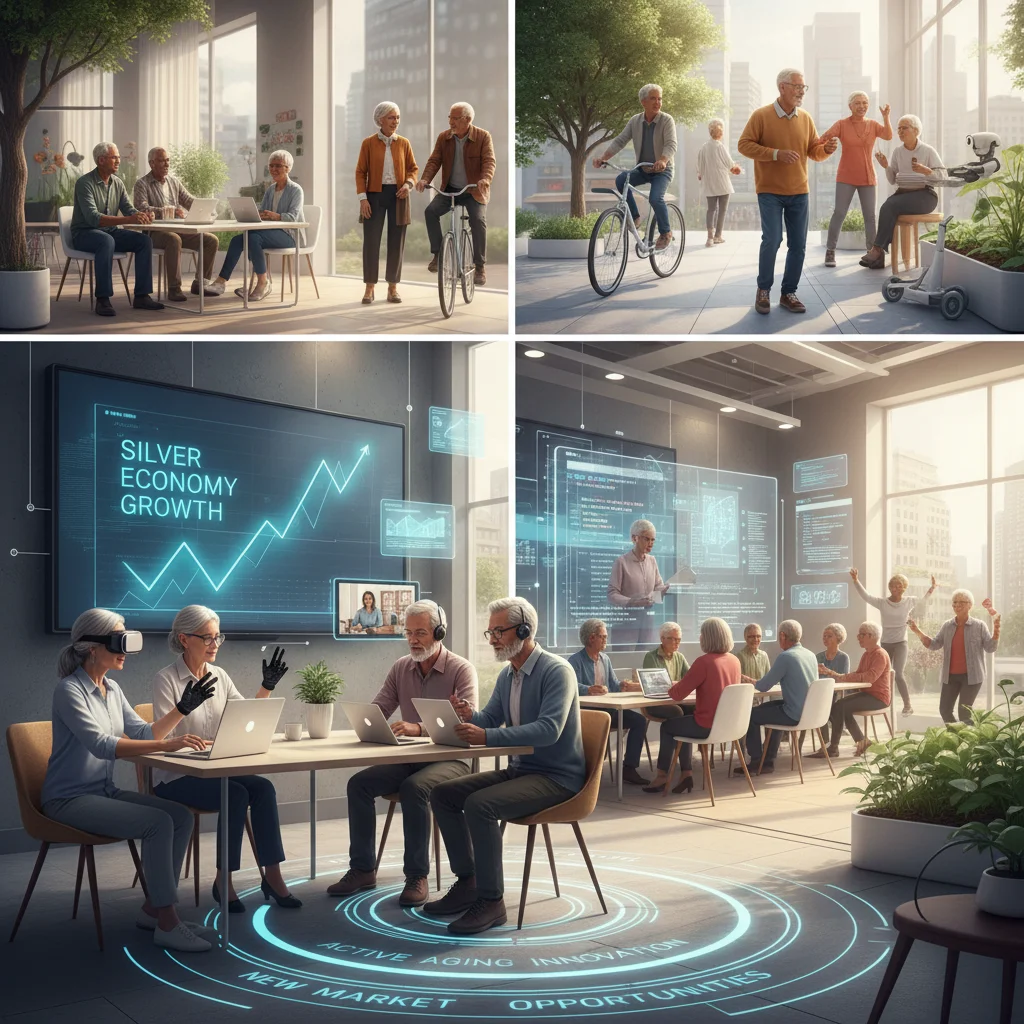
The sheer size and increasing affluence of the older demographic create new market opportunities. This includes products and services tailored to active lifestyles, health and wellness, travel, education, and technology that enhances independence and connectivity. Businesses that innovate in areas like age-friendly housing, personalized healthcare, assistive technologies, and specialized financial planning will thrive.
Experience and Mentorship
Older workers represent a vast reservoir of experience and knowledge. Companies can leverage this by creating mentorship programs, consulting roles, or flexible work arrangements that allow experienced professionals to share their expertise with younger generations. This intergenerational knowledge transfer can boost productivity and foster a more resilient workforce.
Entrepreneurship Among Seniors
A growing number of older adults are choosing to start their own businesses, often leveraging their years of experience and accumulated capital. This ‘senior entrepreneurship’ can contribute to job creation and innovation, adding dynamism to the economy. Policies that support small business development and provide resources for older entrepreneurs can unlock this potential.
Volunteerism and Community Engagement
Beyond formal economic contributions, older adults often play a crucial role in volunteerism and community engagement. Their contributions to non-profits, schools, and civic organizations provide invaluable social capital, which indirectly supports economic well-being and community resilience. Policies that encourage and facilitate such engagement can yield significant societal benefits.
Preparing for 2026 and Beyond: Strategies for Resilience
The 0.5% potential reduction in economic growth by 2026 due to an aging US economy is a forecast, not a fixed destiny. Proactive strategies can help mitigate the negative impacts and capitalize on the opportunities. Here are some key areas of focus:
Individual Preparedness
- Financial Planning: Individuals need to prioritize long-term financial planning, including robust retirement savings and understanding healthcare costs.
- Lifelong Learning: Continuous skill development and adaptation to new technologies are crucial for career longevity and employability.
- Healthy Lifestyles: Investing in personal health and well-being can extend productive years and reduce healthcare burdens.
Business Adaptation
- Workforce Strategies: Companies should develop inclusive hiring practices, flexible work options, and training programs that cater to a multi-generational workforce.
- Product and Service Innovation: Businesses must innovate to meet the evolving needs and preferences of an older consumer base, focusing on accessibility, convenience, and health.
- Automation and Technology: Investing in automation and AI can enhance productivity and compensate for potential labor shortages.
Government and Policy Responses
- Fiscal Reforms: Addressing the long-term solvency of Social Security and Medicare is paramount through considered and sustainable reforms.
- Education and Training: Government support for lifelong learning, vocational training, and STEM education can ensure a skilled and adaptable workforce.
- Infrastructure Development: Investing in age-friendly infrastructure, including public transport and accessible urban design, will be essential.
- Immigration Reform: Developing sensible immigration policies that address labor market needs while fostering integration.
- Research and Development: Continued investment in R&D for healthcare, automation, and sustainable technologies.
The demographic shifts leading to an aging US economy are undeniable. The projected 0.5% impact on economic growth by 2026 serves as a powerful indicator of the challenges ahead. However, it also highlights the urgent need for strategic foresight and collaborative action. By understanding these trends, embracing innovation, and implementing thoughtful policies, the United States can navigate this demographic transition successfully, transforming potential headwinds into opportunities for a more resilient, inclusive, and prosperous future.
The conversation around an aging population must move beyond simply identifying problems. It must encompass a vision of a society where older adults are valued contributors, where economic systems are robust enough to support all generations, and where innovation continuously improves quality of life. The next few years will be critical in shaping how the US adapts to this new demographic reality, and the choices made today will determine the economic landscape of tomorrow.
Conclusion: A Call to Action for a Resilient Future
The journey towards 2026 and beyond, with an aging US economy, is not merely about managing decline but about reimagining growth. The 0.5% projected reduction in economic growth serves as a powerful metric, compelling us to look closely at our systems and structures. It underscores the necessity for comprehensive strategies that address not only the immediate fiscal pressures but also the broader societal implications.
Ultimately, the strength of the US economy in the face of demographic shifts will depend on its adaptability and willingness to innovate. Embracing a multi-generational workforce, fostering new industries within the silver economy, and ensuring the sustainability of social safety nets are not just economic imperatives; they are societal responsibilities. By working together – individuals, businesses, and government – we can transform the challenges of an aging population into a catalyst for a more robust, equitable, and dynamic future for the United States.