Decoding Gen Z’s Spending Habits: 5 Cultural Shifts Impacting Consumer Behavior in the US by 2026
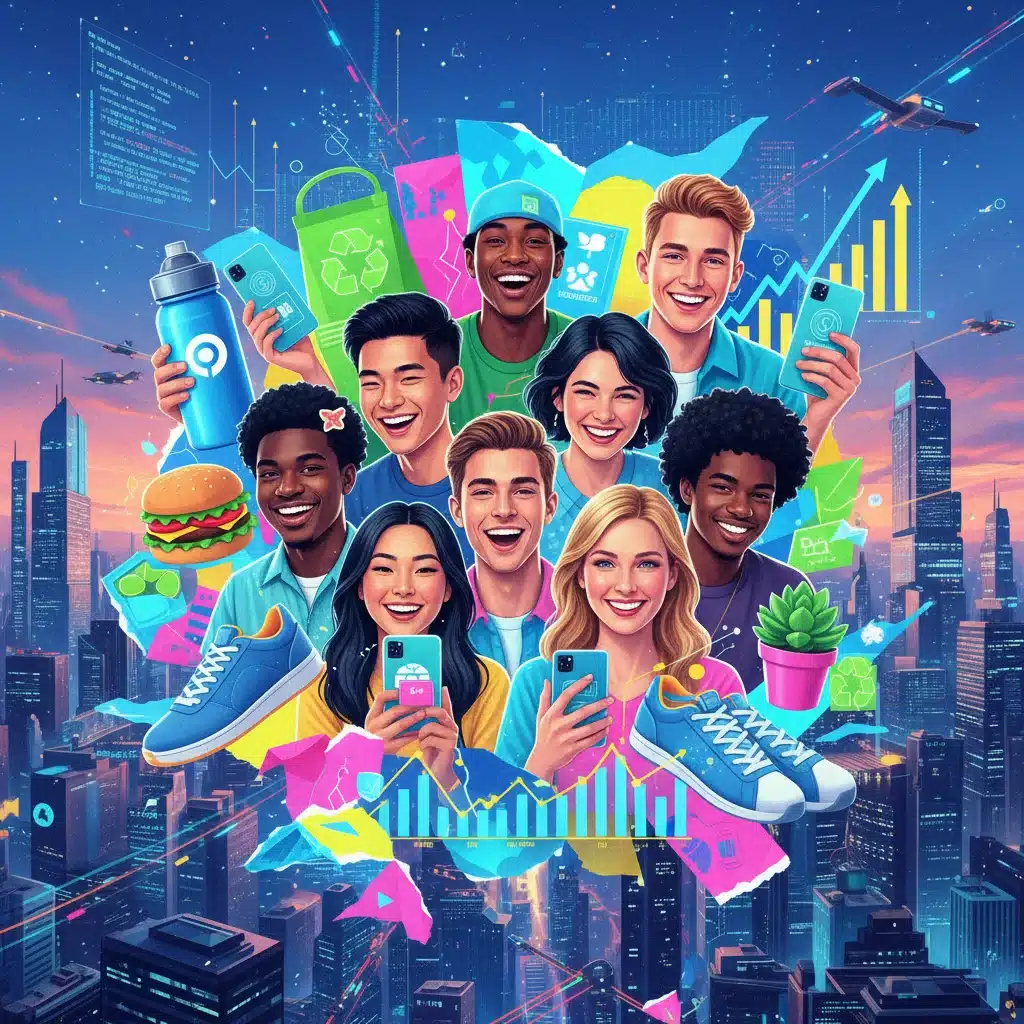
Decoding Gen Z’s Spending Habits: 5 Cultural Shifts Impacting Consumer Behavior in the US by 2026
Gen Z, born between the late 1990s and early 2010s, represents a formidable economic force. As the first truly digital-native generation, their formative years have been shaped by unprecedented technological advancement, global connectivity, and significant societal shifts. Understanding their unique approach to consumption is not merely an academic exercise; it’s a strategic imperative for businesses aiming to thrive in the coming years. By 2026, Gen Z’s purchasing power will have solidified, and their distinctive Gen Z spending habits will dictate market trends across various sectors in the US.
This comprehensive analysis delves into five pivotal cultural shifts that are profoundly influencing Gen Z’s consumer behavior. We will explore how these shifts manifest in their purchasing decisions, their expectations from brands, and the broader economic landscape they are helping to sculpt. From their digital fluency to their unwavering commitment to social values, Gen Z is redefining what it means to be a consumer, demanding authenticity, transparency, and purpose from the brands they choose to support.
The conventional wisdom of marketing and sales often struggles to keep pace with the rapid evolution of this demographic. Unlike previous generations, Gen Z doesn’t just adapt to technology; they live and breathe it. This inherent digital literacy has profound implications for how they discover products, evaluate brands, and ultimately make purchases. Moreover, their experiences growing up in a world grappling with climate change, social injustice, and economic instability have instilled in them a unique set of values that directly inform their Gen Z spending habits.
For businesses, ignoring these shifts is a perilous path. Conversely, those that genuinely understand and cater to Gen Z’s evolving preferences stand to gain a significant competitive advantage. This article aims to provide a roadmap for navigating this dynamic consumer landscape, offering insights into how to connect with, engage, and retain this crucial demographic.
1. The Hyper-Connected, Digital-First Paradigm: Redefining Discovery and Purchase
The most defining characteristic of Gen Z is their intrinsic connection to the digital world. They are the first generation to have never known a world without the internet, smartphones, or social media. This hyper-connectivity isn’t just about communication; it fundamentally reshapes their entire consumer journey, from product discovery to post-purchase engagement. Their Gen Z spending habits are inextricably linked to their digital existence.
Social Media as the New Search Engine and Shopping Mall
For Gen Z, platforms like TikTok, Instagram, and YouTube are not just for entertainment; they are primary sources for product research, reviews, and even direct purchases. Influencers and content creators hold immense sway, often serving as trusted advisors. Brands that fail to establish a strong, authentic presence on these platforms risk becoming invisible to this demographic. The traditional funnel of awareness, consideration, and conversion is often collapsed, with inspiration leading almost instantaneously to purchase through integrated shopping features on social apps.
Consider the rise of ‘TikTok Made Me Buy It’ trends. These viral phenomena demonstrate the power of short-form video content and peer recommendations in driving impulse purchases among Gen Z. The authenticity of user-generated content often resonates more deeply than polished brand advertisements. This means businesses need to shift from solely broadcasting messages to fostering communities and encouraging organic content creation around their products.
Seamless E-commerce and Mobile-First Experiences
Gen Z expects frictionless online shopping experiences. Slow loading times, complicated checkout processes, or non-responsive websites are immediate deterrents. Mobile-first design is not optional; it’s a prerequisite. They are comfortable making significant purchases directly from their phones, and they expect all aspects of the shopping experience – from browsing to customer service – to be optimized for mobile devices. The convenience factor is paramount, and any friction can lead to abandoned carts and lost sales.
Furthermore, the integration of augmented reality (AR) and virtual try-on features is becoming increasingly important. These technologies bridge the gap between online and offline shopping, allowing Gen Z to visualize products in their own space or on themselves before committing to a purchase. This reduces uncertainty and enhances the overall shopping experience, directly influencing their Gen Z spending habits.
The Blurring Lines Between Online and Offline
While digitally native, Gen Z also appreciates unique in-store experiences. However, their expectations for physical retail are different. They seek experiential retail that offers more than just products – think interactive displays, personalized services, and opportunities for social connection. “Click and collect” options, where they can order online and pick up in-store, are also highly valued, combining the convenience of online shopping with the immediacy of physical retail.
The physical store can serve as a showroom, a community hub, or a content creation studio. Brands that successfully integrate their online and offline presence, offering a cohesive omnichannel experience, will be best positioned to capture Gen Z’s attention and loyalty. This seamless integration is critical to understanding evolving Gen Z spending habits.
2. Values-Driven Consumption: Purpose Over Product
Unlike previous generations, Gen Z is not just buying products; they are buying into values. Their purchasing decisions are heavily influenced by a brand’s ethical stance, social responsibility, and environmental impact. This shift from purely transactional consumption to values-driven consumption is a significant cultural force reshaping the market.
Sustainability and Ethical Sourcing
Gen Z is acutely aware of environmental issues and demands that brands demonstrate a genuine commitment to sustainability. This includes everything from eco-friendly packaging and ethical sourcing of materials to transparent supply chains and reduced carbon footprints. Greenwashing – making unsubstantiated claims about environmental practices – is quickly called out and can severely damage a brand’s reputation.
They are willing to pay a premium for sustainable products and often prioritize brands that align with their environmental values. This extends beyond just the product itself to the entire lifecycle, including manufacturing processes and end-of-life disposal. Brands that can authentically communicate their sustainable practices will resonate strongly with Gen Z and influence their Gen Z spending habits positively.
Social Justice and Inclusivity
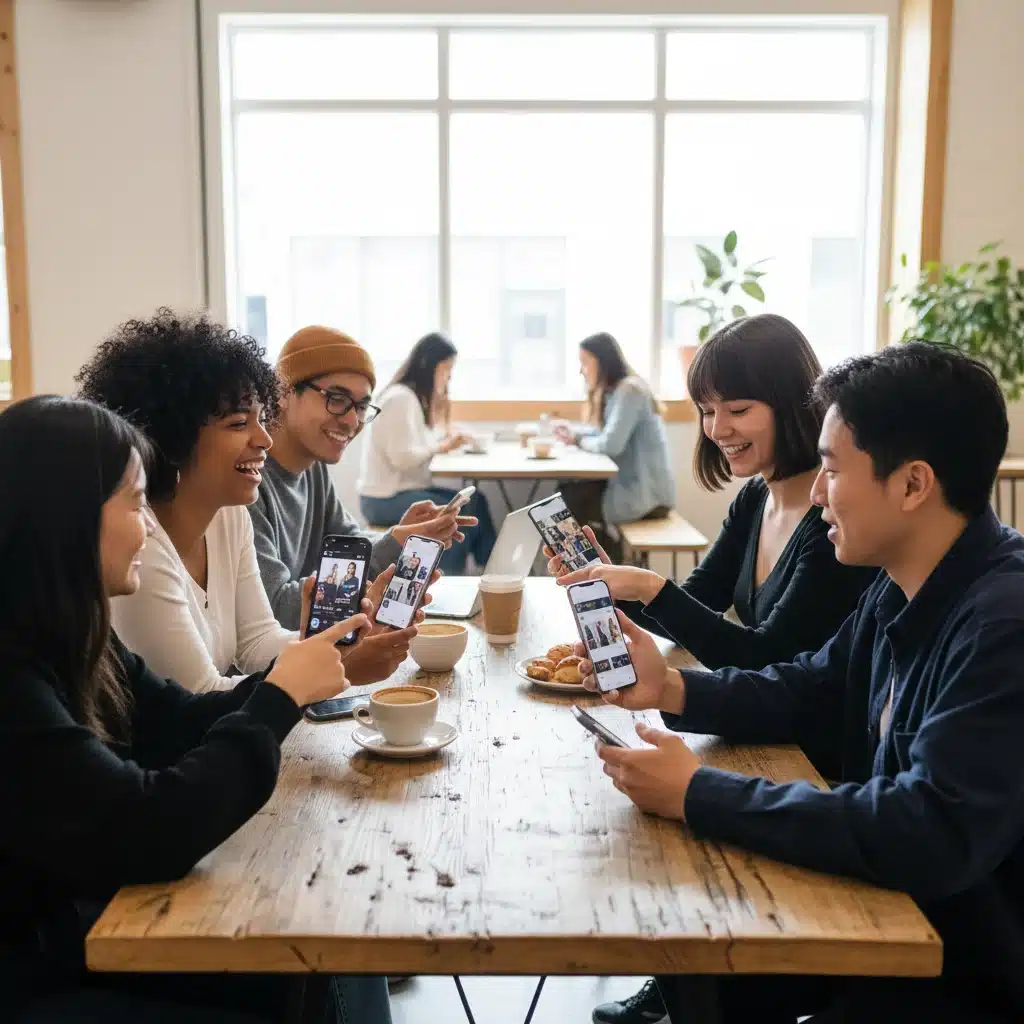
Gen Z is the most diverse generation yet, and they expect brands to reflect this diversity in their marketing, product offerings, and internal practices. They are passionate about social justice issues, including racial equality, LGBTQ+ rights, and gender equity. Brands that take a stand on these issues, and back up their statements with action, earn Gen Z’s respect and loyalty. Conversely, brands perceived as exclusionary or tone-deaf risk alienating this powerful consumer group.
Authenticity is key. Gen Z can spot performative activism from a mile away. They expect brands to genuinely integrate inclusivity into their core values and operations, not just as a marketing tactic. This means diverse representation in advertising, inclusive product ranges, and a commitment to equitable workplace practices. These factors significantly shape Gen Z spending habits.
Transparency and Authenticity
In an age of information overload and distrust, transparency is paramount for Gen Z. They want to know how products are made, where ingredients come from, and what a brand stands for. They value authenticity over perfection and are often more forgiving of brands that admit mistakes and learn from them, rather than those that project an unattainable image of flawlessness. User-generated content and genuine reviews often hold more weight than highly produced advertisements.
Brands that are open about their processes, their challenges, and their mission will build stronger trust with Gen Z. This transparency extends to pricing, ethical labor practices, and the overall impact of the business on society. This deep desire for transparency directly impacts where Gen Z chooses to spend their money.
3. Experience Over Ownership: The Rise of the Subscription Economy and Sharing Culture
While previous generations often prioritized ownership of physical goods, Gen Z places a higher value on experiences and access. This cultural shift is fueling the growth of the subscription economy, sharing platforms, and a preference for services over outright possession. This directly impacts Gen Z spending habits.
Subscription Services for Everything
From streaming entertainment (Netflix, Spotify) to curated boxes of goods (beauty products, snacks, clothing rentals), Gen Z is comfortable with subscription models. They appreciate the convenience, personalization, and perceived value of having access to a wide array of services and products without the burden of ownership. This trend is not limited to digital services; physical goods are also increasingly being offered through subscription or rental models.
The appeal lies in the flexibility and the ability to discover new things without a large upfront investment. Brands that can integrate a subscription component into their offerings, providing ongoing value and a sense of community, are likely to attract Gen Z consumers. This model aligns with their desire for curated experiences and reduces the commitment of full ownership.
The Sharing and Circular Economy
Driven by both economic pragmatism and environmental consciousness, Gen Z embraces the sharing economy. Platforms for ride-sharing, short-term rentals, and even peer-to-peer lending are popular. They are also keen on the circular economy, opting for pre-owned items, clothing rentals, and repairing rather than replacing. This reduces waste and offers a more sustainable consumption model.
Resale platforms for fashion, electronics, and other goods are booming, allowing Gen Z to access desired items at a lower cost while contributing to a more sustainable consumption cycle. Brands that facilitate or integrate with these circular economy models will find favor with Gen Z, demonstrating an understanding of their Gen Z spending habits.
Prioritizing Experiences
Beyond material possessions, Gen Z often prioritizes spending on experiences – travel, concerts, unique dining, and skill-building workshops. These experiences offer opportunities for social connection, personal growth, and content creation for their social media profiles. Brands that can offer memorable experiences, either directly or as part of a product offering, will resonate more deeply.
Marketing efforts should highlight the experiential aspects of products and services, emphasizing how they contribute to a richer, more fulfilling life rather than just fulfilling a material need. This shift in priority from ‘having’ to ‘doing’ is a cornerstone of Gen Z’s consumer philosophy.
4. Financial Prudence and Savvy Decision-Making in an Uncertain World
Having grown up during periods of economic instability (the 2008 recession, the COVID-19 pandemic), Gen Z tends to be more financially cautious and savvy than their predecessors. They are acutely aware of student loan debt, the rising cost of living, and the importance of financial planning. This pragmatism profoundly influences their Gen Z spending habits.
Value for Money and Smart Shopping
While willing to pay for values and quality, Gen Z is also highly price-sensitive and adept at finding the best deals. They are not afraid to shop around, compare prices across multiple platforms, and utilize discount codes and loyalty programs. They are also more likely to research product longevity and return on investment, prioritizing durable goods that will last over trendy, disposable items.
Brands need to be transparent about their pricing and justify any premium with clear value propositions, whether it’s through superior quality, ethical production, or unique features. Offering student discounts, loyalty programs, and accessible payment options (like ‘buy now, pay later’ services) can also appeal to their financial prudence.
Financial Literacy and Early Investing
Gen Z shows a greater interest in financial literacy and early investing compared to previous generations. Many are actively learning about stocks, cryptocurrency, and personal finance management. They are looking for tools and resources that can help them manage their money effectively and build wealth for the future. This indicates a long-term perspective on their finances.
Financial institutions and fintech companies have a unique opportunity to engage this demographic by providing accessible, educational, and user-friendly platforms that cater to their financial goals. Understanding their financial aspirations is key to understanding their broader Gen Z spending habits.

Side Hustles and Entrepreneurial Spirit
Many Gen Z individuals are engaged in side hustles, whether it’s freelancing, content creation, or selling goods online. This entrepreneurial spirit not only provides additional income but also fosters a sense of independence and control over their financial futures. This extra income often contributes to their discretionary Gen Z spending habits.
Brands can tap into this by offering products and services that support entrepreneurship, creative pursuits, or skill development. Platforms that enable them to monetize their talents or connect with opportunities will be highly valued. This demographic is less likely to rely solely on traditional employment models and is constantly seeking diverse income streams.
5. The Quest for Individuality and Personalization
In a hyper-connected world, Gen Z strives to express their unique identity. They reject one-size-fits-all approaches and actively seek out products and experiences that allow for personalization and self-expression. This desire for individuality is a powerful driver of their Gen Z spending habits.
Customization and Bespoke Products
Gen Z is drawn to brands that offer customization options, allowing them to create products that reflect their personal style and preferences. This can range from customizable clothing and accessories to personalized tech gadgets and unique home decor. The ability to put their own stamp on an item makes it more meaningful and valuable to them.
Brands that invest in tools or platforms that enable customers to design their own products, or that offer a wide range of variations, will appeal strongly to this demographic. This isn’t just about aesthetics; it’s about owning something that feels truly unique and reflective of who they are.
Niche Communities and Micro-Trends
While social media can create mass trends, Gen Z often gravitates towards niche communities and micro-trends that allow them to connect with like-minded individuals and explore specific interests. They are comfortable moving between different subcultures and are often early adopters of emerging styles and aesthetics. This shapes their Gen Z spending habits by influencing the specific brands and products they seek out.
For marketers, this means moving beyond broad demographic targeting to understanding the specific interests and values that coalesce around these niche communities. Authentic engagement within these spaces, rather than broad advertising, is far more effective. Collaborating with micro-influencers who genuinely belong to these communities can also yield significant results.
Fluid Identity and Self-Expression
Gen Z views identity as fluid and multifaceted. They are less confined by traditional labels and are open to exploring various facets of themselves. This manifests in their fashion choices, their interests, and their consumption patterns. They are not afraid to experiment and use products as a form of self-expression, often blending styles and trends in unique ways.
Brands that celebrate individuality, offer gender-neutral options, and promote self-acceptance will resonate deeply. Marketing messages should focus on empowerment and the celebration of diverse identities, rather than trying to fit consumers into predefined boxes. This approach acknowledges the complexity of Gen Z spending habits and their desire for personal freedom.
Conclusion: Adapting to the Gen Z Consumer Landscape by 2026
The cultural shifts impacting Gen Z’s spending habits are profound and will continue to redefine the consumer landscape in the US by 2026. This generation is not just a demographic to be targeted; they are a force shaping the future of commerce.
To successfully engage Gen Z, businesses must move beyond superficial tactics and embrace a holistic approach that aligns with their core values and behaviors. This includes:
- Embracing Digital Fluency: Creating seamless, mobile-first, and social-commerce-driven experiences.
- Prioritizing Values: Demonstrating genuine commitment to sustainability, social justice, and transparency.
- Offering Experiences and Access: Shifting focus from pure ownership to providing valuable experiences and flexible access through subscription and sharing models.
- Understanding Financial Prudence: Offering value, transparency in pricing, and supporting financial literacy.
- Celebrating Individuality: Providing customization options and acknowledging fluid identities and diverse self-expression.
The brands that truly understand and adapt to these five cultural shifts will not only capture a significant market share but also build lasting loyalty with a generation that is poised to be the most influential consumer group for decades to come. The future of retail and branding hinges on decoding and responding to the evolving Gen Z spending habits.