Gen Alpha’s Influence: Reshaping Consumer Behavior & Social Norms by 2026

In the ever-evolving tapestry of human generations, a new cohort is rapidly emerging, poised to redefine not just markets but the very fabric of society: Generation Alpha. Born roughly between 2010 and 2024, these individuals are the first generation to be entirely born in the 21st century, growing up in an era defined by ubiquitous digital technology, artificial intelligence, and unprecedented global connectivity. By 2026, the oldest Alphas will be in their mid-teens, and their collective Gen Alpha influence will be undeniably evident, reshaping consumer behavior and social norms in profound and often surprising ways.
“\n + ““\n + “
Unlike any generation before them, Gen Alpha has never known a world without smartphones, social media, or instant information. They are true digital natives, a concept that goes beyond mere familiarity with technology; it signifies an intrinsic understanding and integration of digital tools into every aspect of their lives. This innate digital fluency, coupled with unique social and economic circumstances, is what makes their impending influence so significant.
“\n + “
Who is Generation Alpha? Defining the Digital-First Cohort
“\n + “
To understand the Gen Alpha influence, we must first grasp their defining characteristics. This generation is a product of its environment, an environment characterized by several key factors:
“\n + “
- “\n + “
- Digital Immersion: From infancy, Alphas have been exposed to screens, interactive apps, and digital content. They learn, play, and socialize in digital spaces, making technology an extension of their natural world.
- Global Connectivity: Social media, online gaming, and streaming platforms have erased geographical boundaries, exposing Alphas to diverse cultures and perspectives from a young age. This fosters a global mindset and a greater sense of interconnectedness.
- Parental Influence (Millennials): The majority of Gen Alpha are children of Millennials, a generation known for its progressive values, emphasis on experiences over possessions, and digital savviness. This parental influence significantly shapes Alpha’s upbringing and worldview.
- Personalization Expectation: Having grown up with algorithms tailoring content and recommendations to their preferences, Alphas expect highly personalized experiences in all facets of life, from education to entertainment and commerce.
- Environmental and Social Consciousness: Witnessing global challenges like climate change and social inequality through accessible media, many Alphas are developing a strong sense of social responsibility and a desire for brands and institutions to reflect these values.
“\n + “
“\n + “
“\n + “
“\n + “
“\n + “
“\n + “
These foundational traits are not just anecdotes; they are powerful indicators of how Gen Alpha influence will manifest in the coming years, particularly as they mature into a significant demographic force.
“\n + “
Reshaping Consumer Behavior: The Alpha Shopping Revolution
“\n + “
By 2026, Gen Alpha will be directly influencing billions in spending, both through their own nascent purchasing power and, more significantly, through their sway over household decisions. Their approach to consumption is fundamentally different from previous generations:
“\n + “
The Power of "Pester Power" and "Kidfluence"
“\n + “
Even at young ages, Gen Alpha already exerts considerable influence over family purchasing decisions. This isn’t just about toys; it extends to electronics, travel, food choices, and even fashion. Parents, often Millennials, are more likely to involve their children in decision-making processes, valuing their input and digital expertise. Brands that fail to acknowledge this "kidfluence" risk missing a crucial target.
“\n + “
Digital-First Shopping Journeys
“\n + “
For Alphas, the line between online and offline shopping is virtually non-existent. They expect seamless omnichannel experiences, where they can discover products on TikTok, research reviews on YouTube, and potentially purchase via a voice assistant or an AR-enhanced app. Physical stores will need to offer immersive, experiential elements to remain relevant, complementing their digital counterparts.
“\n + “
Values-Driven Consumption: Beyond Price and Quality
“\n + “
More than previous generations, Alphas are likely to prioritize brands that align with their values. Sustainability, ethical sourcing, diversity, and social responsibility will not just be "nice-to-haves" but non-negotiable expectations. Brands with authentic commitments to these areas will gain loyalty, while those perceived as greenwashing or exploitative will face significant backlash. This shift will force companies to re-evaluate their entire supply chains and corporate ethics.
“\n + “
\n + “
Experience Over Ownership
“\n + “
While not entirely unique to Gen Alpha, their Millennial parents have instilled a preference for experiences over material possessions. This will likely translate into Alphas valuing subscriptions, shared services, and access rather than outright ownership. Think gaming subscriptions, streaming services, and potentially even fashion rental or shared mobility solutions as they age. The focus will be on what a product or service enables them to do, rather than simply possessing it.
“\n + “
The Rise of "Shoppertainment"
“\n + “
Traditional advertising holds little sway over Alphas. They are accustomed to entertainment integrated with commerce. Live shopping, influencer marketing (particularly from their peers or relatable creators), and interactive brand experiences that feel like games will be far more effective. Brands will need to become content creators themselves, offering engaging narratives and utility rather than just product pushes.
“\n + “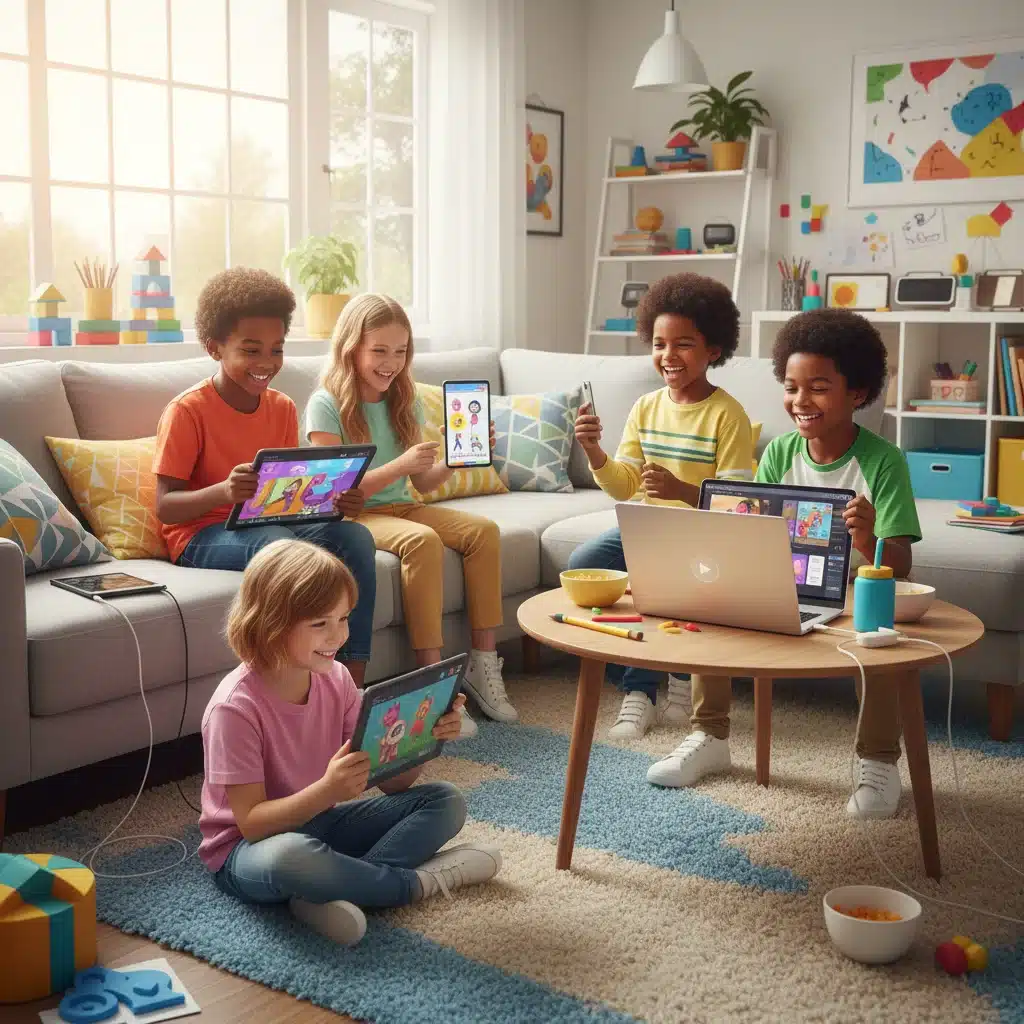 “\n + “
Transforming Social Norms: A New Era of Interaction and Identity
“\n + “
Beyond consumption, Gen Alpha influence will profoundly reshape social norms, communication, and identity. Their upbringing in a hyper-connected, diverse world has instilled a unique perspective on social interactions and expectations.
“\n + “
Fluid Identities and Inclusivity
“\n + “
Growing up with diverse online communities and a greater understanding of different cultures, genders, and backgrounds, Alphas are likely to embrace more fluid definitions of identity. Traditional gender roles, racial stereotypes, and social hierarchies will be increasingly challenged. Inclusivity will not just be a buzzword; it will be an inherent expectation, influencing everything from language use to representation in media and marketing.
“\n + “
Hyper-Visual Communication
“\n + “
Accustomed to platforms like TikTok, Instagram, and YouTube, Alphas communicate primarily through visuals – short videos, memes, emojis, and images. Text-heavy communication may feel outdated or inefficient to them. This shift demands that businesses and educators adapt their communication strategies to be more visually engaging and concise.
“\n + “
Privacy Paradox: Public Lives, Private Data
“\n + “
Alphas are growing up with their entire lives potentially documented online. This creates a complex relationship with privacy. While they may share personal moments openly, they are also likely to be highly aware of data security and the implications of their digital footprint. They will demand greater transparency from platforms and brands regarding how their data is collected and used, leading to a new era of digital ethics.
“\n + “
Collaborative and Community-Oriented
“\n + “
Online gaming, collaborative content creation, and shared digital experiences foster a strong sense of community and collaboration among Alphas. They are comfortable working in distributed teams and valuing collective achievements. This could translate into new forms of social organization, activism, and professional collaboration in the future.
“\n + “
Mental Wellness and Digital Detox
“\n + “
While deeply immersed in the digital world, there’s a growing awareness, often championed by their Millennial parents, about the importance of mental health and the potential downsides of excessive screen time. As Alphas mature, there may be a counter-movement towards intentional digital detoxes or a more mindful approach to technology use, balancing connectivity with well-being. This awareness itself will become a social norm, influencing product design and digital service offerings.
“\n + “
Implications for Businesses and Marketers by 2026
“\n + “
Understanding the impending Gen Alpha influence is not merely an academic exercise; it’s a strategic imperative for businesses aiming to thrive in the coming years. By 2026, companies need to have already laid the groundwork for engaging this generation effectively.
“\n + “
Authenticity and Transparency are Paramount
“\n + “
Alphas have an innate ability to sniff out inauthenticity. Brands must be genuinely transparent about their values, production processes, and social impact. Empty promises or performative activism will be met with skepticism and rejection. Authenticity will be the cornerstone of brand loyalty.
“\n + “
Personalization at Scale
“\n + “
Generic marketing messages will be ignored. Alphas expect highly personalized experiences, from product recommendations to customer service. Leveraging AI and data analytics to deliver tailored content and offers will be crucial, but always with a keen eye on data privacy.
“\n + “
Building Immersive Digital Experiences
“\n + “
Beyond traditional websites, brands need to explore augmented reality (AR), virtual reality (VR), and the metaverse to create immersive and interactive experiences. These platforms will be natural habitats for Alphas, offering new avenues for engagement, discovery, and commerce.
“\n + “
Focus on Education and Edutainment
“\n + “
Alphas are curious and value learning. Brands that can seamlessly integrate educational content or "edutainment" into their offerings will resonate strongly. This could involve tutorials, behind-the-scenes content, or interactive learning games related to their products or values.
“\n + “ “\n + “
Partnering with "Kidfluencers" and Creators
“\n + “
The traditional celebrity endorsement will be less impactful than endorsements from relatable "kidfluencers" or micro-influencers who genuinely connect with Alpha audiences. Brands need to identify and collaborate with creators who authentically embody their values and resonate with this demographic.
“\n + “
Prioritizing Social and Environmental Impact
“\n + “
Corporate Social Responsibility (CSR) will move from being a separate department to an integrated part of a brand’s core identity. Brands that demonstrate genuine commitment to sustainability, ethical practices, and social justice will gain a competitive edge. This isn’t just about marketing; it’s about fundamental business operations.
“\n + “
Designing for Inclusivity and Accessibility
“\n + “
Given their global and diverse exposure, Alphas will expect products, services, and marketing to be inclusive and accessible to everyone, regardless of background, ability, or identity. Brands need to ensure their offerings reflect this broad perspective.
“\n + “
Challenges and Opportunities for Society
“\n + “
The Gen Alpha influence extends far beyond commerce, touching upon education, politics, and social structures. Their unique characteristics present both challenges and unparalleled opportunities for societal advancement.
“\n + “
Education System Transformation
“\n + “
Traditional rote learning methods will become increasingly obsolete. Alphas thrive on interactive, personalized, and project-based learning that leverages technology. Educational institutions must adapt rapidly, integrating AI, VR, and collaborative digital tools to prepare this generation for a future that demands critical thinking, creativity, and adaptability.
“\n + “
The Future of Work
“\n + “
As Alphas enter the workforce, they will expect flexible, purpose-driven roles that leverage their digital skills and collaborative nature. Entrepreneurship, remote work, and portfolio careers may become even more prevalent. Companies will need to foster cultures of innovation, autonomy, and social responsibility to attract and retain this talent.
“\n + “
Evolving Political Landscape
“\n + “
Alphas, having grown up with global issues at their fingertips, are likely to be politically engaged, but perhaps in different ways. Their activism may manifest through online movements, digital petitions, and consumer boycotts, demanding swift action on issues they care about. Political discourse will need to become more transparent, responsive, and digitally savvy to engage them.
“\n + “
Mental Health and Digital Well-being
“\n + “
The constant connectivity and pressure of online life pose significant mental health challenges. Society must prioritize digital literacy, foster critical thinking about online content, and develop robust support systems to help Alphas navigate the complexities of their digital existence. This includes designing technology that promotes well-being, rather than solely engagement.
“\n + “
Innovation and Problem Solving
“\n + “
Armed with unparalleled access to information and tools, Alphas have the potential to be the most innovative and problem-solving generation yet. Their comfort with technology and collaborative mindset can lead to breakthroughs in science, technology, and social challenges. Society must nurture their curiosity and provide platforms for their creativity.
“\n + “
Preparing for the Alpha Future: A Call to Action
“\n + “
The emergence of Generation Alpha is not a distant phenomenon; their influence is already palpable and will only intensify by 2026. Businesses, educators, policymakers, and parents must recognize that this generation is not just a younger version of those before them; they are a distinct cohort with unique expectations, values, and ways of interacting with the world. Ignoring the Gen Alpha influence is not an option.
“\n + “
To effectively engage with Gen Alpha, organizations must:
“\n + “
- “\n + “
- Embrace Digital Transformation: Beyond just having an online presence, it means integrating digital tools and experiences seamlessly into every touchpoint.
- Prioritize Values and Purpose: Authenticity, sustainability, and social responsibility must be at the core of brand identity and operations.
- Foster Personalization and Co-creation: Offer tailored experiences and opportunities for Alphas to contribute and shape products/services.
- Invest in Experiential and Immersive Content: Move beyond passive consumption to interactive and engaging experiences.
- Champion Inclusivity and Diversity: Ensure all offerings and communications reflect the diverse world Alphas inhabit.
- Understand "Kidfluence": Recognize and cater to the significant role children play in household purchasing decisions.
“\n + “
“\n + “
“\n + “
“\n + “
“\n + “
“\n + “
“\n + “
The Gen Alpha influence is not a trend; it’s a fundamental shift. By proactively understanding and adapting to their characteristics, we can not only prepare for the future but actively shape a more innovative, equitable, and digitally fluent world alongside them. The next few years will be critical in establishing the foundations for how this powerful generation will continue to reshape our world for decades to come.