Conscious Consumerism Trends 2026: Ethical Market Decisions Explored

The Rise of Conscious Consumerism: 5 Ethical Trends Driving US Market Decisions in 2026 (INSIDER KNOWLEDGE)
In an era defined by rapid change and increasing global awareness, the landscape of consumer behavior is undergoing a profound transformation. No longer are purchasing decisions solely dictated by price, quality, or convenience. Today, a powerful force known as conscious consumerism trends is reshaping the US market, compelling businesses to reconsider their practices and consumers to scrutinize their choices with unprecedented rigor. As we look towards 2026, these ethical considerations are not just niche preferences; they are becoming mainstream drivers of market decisions, influencing everything from product development to brand loyalty.
The shift towards conscious consumerism is a multifaceted phenomenon, fueled by a growing understanding of environmental impact, social justice, and corporate responsibility. Consumers, especially younger generations, are increasingly educated and empowered, using their purchasing power as a form of activism. They demand transparency, authenticity, and a demonstrable commitment to ethical practices from the brands they support. This isn’t merely about avoiding harm; it’s about actively seeking out products and services that contribute positively to society and the planet.
For businesses, understanding these evolving conscious consumerism trends is not just a competitive advantage; it’s a necessity for long-term viability. Brands that fail to adapt risk alienating a significant and growing segment of the market. Conversely, those that embrace and genuinely integrate ethical principles into their core operations stand to build deeper trust, foster stronger customer relationships, and unlock new avenues for innovation and growth.
This article delves into five critical ethical trends that are poised to dominate US market decisions in 2026. Drawing on insider knowledge and forward-looking analysis, we will explore the nuances of each trend, provide examples of their manifestation, and offer insights into how businesses can effectively navigate this evolving terrain. From the circular economy to radical transparency, these trends represent not just a shift in consumer preference, but a fundamental redefinition of what it means to be a responsible business in the 21st century.
1. The Ascendancy of the Circular Economy: From Linear to Regenerative
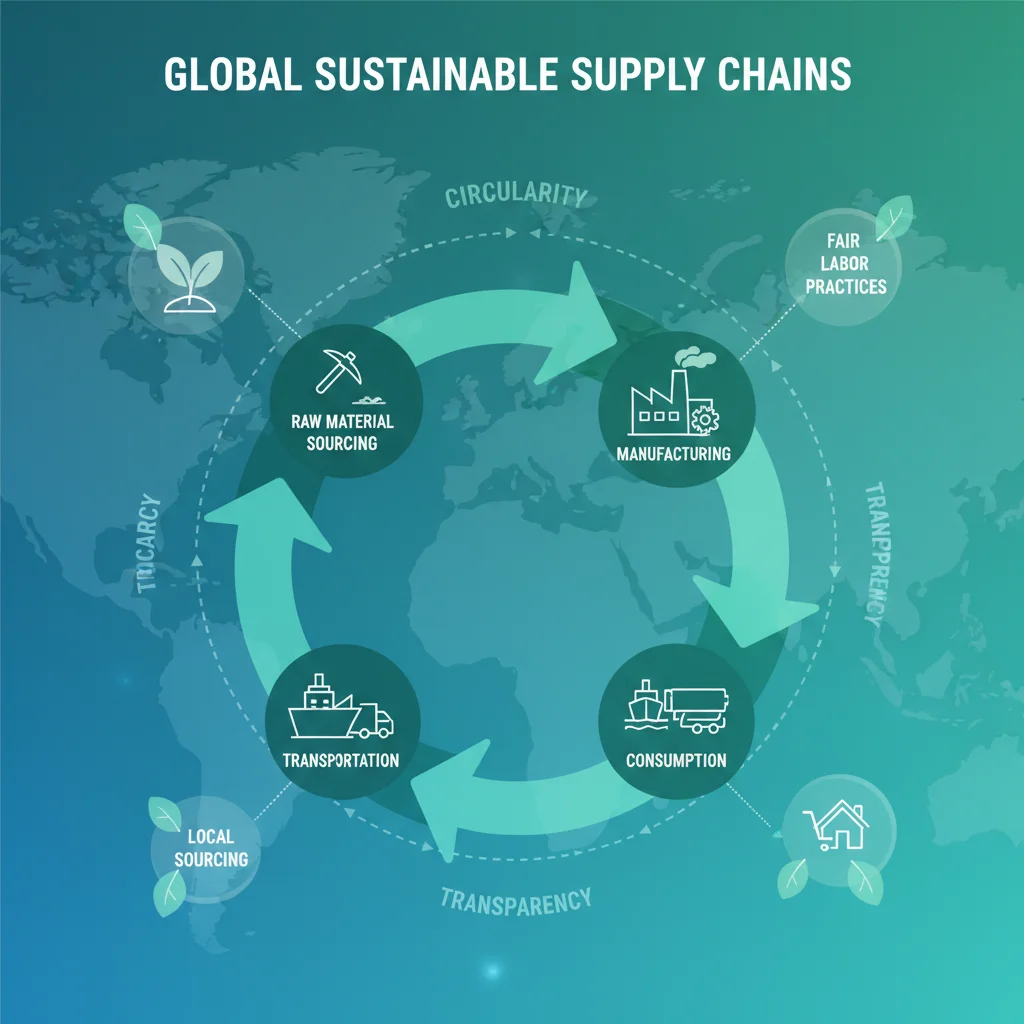
One of the most impactful conscious consumerism trends gaining momentum is the widespread adoption and expectation of the circular economy. Traditionally, our economic model has been linear: take, make, use, dispose. This approach is inherently unsustainable, leading to resource depletion, excessive waste, and environmental degradation. The circular economy, in contrast, is a restorative and regenerative system by design, aiming to keep products, components, and materials at their highest utility and value at all times.
In 2026, US consumers will increasingly prioritize brands that demonstrate a genuine commitment to circular principles. This goes beyond simple recycling; it encompasses product design for longevity, repairability, and recyclability, as well as business models that promote reuse, refurbishment, and remanufacturing. Consumers are becoming acutely aware of the lifecycle of their purchases and are seeking to minimize their personal footprint.
Key Aspects of the Circular Economy Trend:
- Product-as-a-Service (PaaS) Models: Instead of buying outright, consumers lease or subscribe to products, with the company retaining ownership and responsibility for maintenance, upgrades, and end-of-life management. Examples include clothing rental services, appliance subscriptions, and software-as-a-service models extending to physical goods. This aligns perfectly with conscious consumerism trends by reducing individual waste and promoting efficient resource use.
- Take-Back Programs and Reverse Logistics: Brands are implementing robust programs that allow consumers to return used products, packaging, or components for proper recycling, refurbishment, or upcycling. This requires significant investment in reverse logistics capabilities but builds immense trust and loyalty among conscious consumers.
- Design for Durability, Repairability, and Modularity: Products are being engineered with repair in mind, offering easily replaceable parts, access to repair guides, and extended warranties. Modular designs allow for component upgrades rather than full product replacement, reducing waste and extending product life.
- Upcycling and Waste Valorization: Creative businesses are transforming waste materials into new, higher-value products. This not only diverts waste from landfills but also creates unique and often artisanal goods that appeal to consumers looking for distinctive and sustainable items.
The implications for businesses are profound. It requires a fundamental rethinking of product design, supply chains, and customer relationships. Companies that successfully transition towards circular models will not only meet consumer demand but also unlock new revenue streams, improve resource efficiency, and enhance their brand reputation as leaders in ethical practices. This embrace of the circular economy is a cornerstone of future conscious consumerism trends.
2. Radical Transparency and Traceability: Knowing the Full Story
In an age of information, consumers are no longer content with vague claims of sustainability or ethical sourcing. They demand radical transparency and end-to-end traceability for the products they buy. This means knowing precisely where materials come from, who made the product, under what conditions, and what its environmental and social impact is at every stage of its lifecycle. This trend is a direct response to past greenwashing and opaque supply chains.
By 2026, expect consumers to wield sophisticated tools and platforms to verify claims. Blockchain technology, QR codes, and detailed product passports will become commonplace, allowing consumers to scan a product and instantly access information about its origin, certifications, carbon footprint, and labor practices. Brands that provide this level of detail will build unparalleled trust, while those that withhold information will face skepticism and potential backlash.
How Radical Transparency Shapes Markets:
- Blockchain for Supply Chain Verification: This technology provides an immutable, verifiable record of a product’s journey from raw material to finished good. It helps authenticate claims of fair trade, organic sourcing, and ethical labor, directly addressing concerns central to conscious consumerism trends.
- Comprehensive Product Labeling: Beyond nutritional facts, labels will include detailed information on environmental impact (e.g., water usage, carbon emissions), social impact (e.g., living wages, community investment), and material sourcing.
- Open Communication Channels: Brands will engage in open dialogues with consumers, sharing both successes and challenges in their ethical journey. This includes publishing sustainability reports, engaging on social media, and inviting consumer feedback and scrutiny.
- Ethical Audits and Certifications: Independent third-party certifications (e.g., B Corp, Fair Trade, Organic, Leaping Bunny) will continue to gain importance, serving as trusted indicators of ethical practices. Consumers will actively seek out these seals of approval.
For businesses, radical transparency necessitates a complete overhaul of supply chain management and data sharing. It demands collaboration with suppliers, investment in tracking technologies, and a willingness to be vulnerable and open. While challenging, the reward is a deeply loyal customer base that values integrity above all else, making this a pivotal element of future conscious consumerism trends.

3. Social Justice and DEI (Diversity, Equity, and Inclusion) as Non-Negotiables
The scope of conscious consumerism trends has expanded significantly beyond environmental concerns to encompass a strong focus on social justice and DEI (Diversity, Equity, and Inclusion). Consumers are increasingly aware of systemic inequalities and expect brands to not only avoid contributing to them but to actively work towards creating a more equitable world. This trend is particularly salient in the US market, where social movements have brought these issues to the forefront of public consciousness.
In 2026, consumers will scrutinize a brand’s commitment to social justice in various ways: their internal hiring practices, representation in advertising, fair labor practices across their supply chain, and their stance on societal issues. Lip service is no longer enough; tangible action and measurable impact are demanded. Brands that authentically embed DEI principles into their core values and operations will resonate deeply with conscious consumers.
Manifestations of the Social Justice and DEI Trend:
- Equitable Labor Practices: Consumers demand that workers throughout the supply chain, from raw material extraction to manufacturing, are paid living wages, work in safe conditions, and have their rights protected. This includes a focus on ethical sourcing from regions with fair labor standards.
- Diverse and Inclusive Representation: Advertising, marketing, and product development must reflect the diversity of the consumer base. This means featuring people of all races, ethnicities, genders, sexual orientations, abilities, and body types in authentic and respectful ways.
- Community Investment and Philanthropy: Brands are expected to give back to the communities they operate in, whether through charitable donations, volunteer programs, or supporting local initiatives that address social inequalities.
- Internal DEI Initiatives: Consumers are interested in a brand’s internal culture – are they fostering a diverse workforce, promoting equitable opportunities, and creating an inclusive environment for all employees? This extends to leadership representation and pay equity.
- Advocacy and Stance on Social Issues: Brands are increasingly expected to take a stand on important social and political issues, aligning their values with those of their conscious consumers. This requires careful navigation but can build powerful brand loyalty.
For businesses, this trend requires an internal audit of practices, from hiring to marketing to supply chain ethics. It necessitates a genuine commitment to social good that is integrated into the brand’s DNA, rather than being an afterthought. Authenticity is key; consumers are adept at detecting performative activism. Embracing social justice and DEI is not just good for society; it’s a critical component of successful engagement with modern conscious consumerism trends.
4. Hyper-Personalization and Values Alignment: Brands as Extensions of Self
As consumers become more conscious, their purchasing decisions are increasingly reflecting their personal values and identity. In 2026, hyper-personalization will evolve beyond merely recommending products based on past purchases; it will extend to aligning brands with a consumer’s ethical framework. People want to buy from brands that mirror their beliefs, making their consumption an extension of their personal advocacy. This amplifies the impact of conscious consumerism trends.
This trend means that brands need to understand not just what consumers buy, but why they buy it. It requires a deeper dive into psychographics, ethical priorities, and lifestyle choices. Brands that can authentically communicate how their values align with those of their target audience will forge stronger, more meaningful connections.
The Role of Hyper-Personalization in Ethical Choices:
- Values-Based Marketing: Messaging will move beyond product features to highlight shared values, whether it’s environmental stewardship, human rights, animal welfare, or community support. Brands will tell compelling stories that resonate with the ethical sensibilities of their audience.
- Curated Ethical Choices: Retailers and platforms will offer personalized recommendations based on a consumer’s stated ethical preferences (e.g., vegan, cruelty-free, fair trade certified, locally sourced). This simplifies the ethical shopping journey.
- Community Building Around Shared Values: Brands will foster communities where like-minded consumers can connect, share, and advocate for causes. This builds brand loyalty that goes beyond transactional relationships, creating a powerful network of conscious consumerism trends advocates.
- Co-Creation and Customization: Allowing consumers to customize products or participate in their design process, particularly with ethical considerations in mind (e.g., choosing sustainable materials, supporting specific social causes with a purchase), deepens their investment and sense of ownership.
- Ethical Subscription Boxes: Curated boxes that deliver products aligning with specific ethical themes (e.g., zero-waste, organic beauty, artisanal fair trade goods) provide convenience and discovery for conscious consumers.
For businesses, this shift requires sophisticated data analytics, a clear articulation of brand values, and a commitment to living those values authentically. It’s about building a brand identity that is not just appealing but deeply resonant with the ethical worldview of its customers. This trend solidifies the idea that purchasing is a personal statement, directly impacting the direction of conscious consumerism trends.
5. Regenerative Practices and Net-Positive Impact: Beyond Sustainability
While sustainability aims to minimize harm and maintain current ecological balance, the emerging trend of regenerative practices goes a step further. It seeks to actively restore and replenish natural systems and communities, creating a net-positive impact. In 2026, the most forward-thinking conscious consumerism trends will move beyond ‘doing less bad’ to ‘doing good’ and healing the planet and its people.
This means brands will not only reduce their carbon footprint but actively sequester carbon. They won’t just avoid pollution but will clean up existing environmental damage. They won’t just pay fair wages but will invest in community development and ecological restoration projects. Consumers will increasingly look for brands that are not just sustainable, but regenerative in their approach.
Examples of Regenerative Practices:
- Regenerative Agriculture: Brands sourcing ingredients will prioritize farms that employ practices like no-till farming, cover cropping, and rotational grazing. These methods improve soil health, increase biodiversity, enhance water cycles, and sequester atmospheric carbon, making a tangible net-positive impact.
- Carbon Sequestration Initiatives: Companies will invest in projects that actively remove carbon from the atmosphere, such as reforestation, direct air capture technologies, or wetland restoration. This moves beyond carbon neutrality to carbon negativity.
- Water Restoration and Stewardship: Beyond reducing water usage, brands will engage in projects that replenish aquifers, restore damaged aquatic ecosystems, and ensure access to clean water for communities in their supply chain.
- Biodiversity Enhancement: Businesses will actively support initiatives that protect and restore biodiversity, from supporting wildlife habitats to funding conservation efforts in their sourcing regions.
- Community Empowerment and Ecosystem Restoration: Integrating social and environmental regeneration, brands will invest in programs that empower local communities to restore their natural environments, creating a symbiotic relationship between people and planet.
Embracing regenerative practices requires significant innovation, investment, and a long-term vision. It challenges businesses to redefine their role in the world, moving from mere economic actors to stewards of the planet and society. Brands that successfully adopt and communicate their regenerative efforts will become beacons of ethical leadership, attracting the most discerning and globally conscious consumers, thereby setting new benchmarks for conscious consumerism trends.
Navigating the Future: Implications for Businesses and Consumers
The trajectory of conscious consumerism trends towards 2026 is clear: consumers are demanding more from brands, and their expectations are only set to rise. For businesses, this is not a passing fad but a fundamental shift that requires strategic adaptation and genuine commitment. Ignoring these trends is no longer an option; embracing them offers a pathway to sustainable growth and a stronger brand identity.
For Businesses:
- Integrate, Don’t Isolate: Ethical practices cannot be siloed within a CSR department. They must be integrated into every aspect of the business, from design and procurement to marketing and human resources.
- Invest in Transparency and Traceability: Develop robust systems to track your supply chain and be prepared to share that information openly with consumers. Authenticity builds trust.
- Rethink Business Models: Explore circular economy principles, product-as-a-service models, and take-back programs to reduce waste and create new value.
- Champion Social Justice: Ensure fair labor practices, promote DEI internally and externally, and take a stand on issues that align with your brand’s values.
- Aim for Regeneration: Move beyond sustainability to actively create a net-positive impact on the environment and communities.
- Communicate Authentically: Tell your ethical story with honesty and passion. Highlight your efforts, challenges, and successes.
For Consumers:
- Educate Yourself: Learn about the issues behind the products you buy. Understand certifications, supply chains, and environmental impacts.
- Vote with Your Wallet: Consciously choose to support brands that align with your values. Your purchasing power is a powerful tool for change.
- Demand More: Don’t settle for vague claims. Ask brands for transparency, evidence of ethical practices, and a commitment to continuous improvement.
- Support Innovative Solutions: Seek out and champion businesses that are leading the way in circularity, regenerative practices, and social justice.
- Engage and Advocate: Share your insights, provide feedback to brands, and advocate for policies that promote ethical consumption.
The rise of conscious consumerism trends is more than just a market shift; it’s a societal evolution. It signals a collective desire for a more responsible, equitable, and sustainable future. As we move towards 2026, the brands that thrive will be those that not only understand these ethical impulses but embody them, proving that profit and purpose can, and must, coexist.
The journey towards a fully conscious market is ongoing, but the direction is undeniable. Businesses have an unprecedented opportunity to innovate and lead, while consumers have the power to shape this future with every decision they make. By working together, we can build an economy that truly serves people and the planet, driven by the unwavering force of conscious consumerism.