Nostalgia Marketing: Tapping American Heritage for 2026 Brand Success
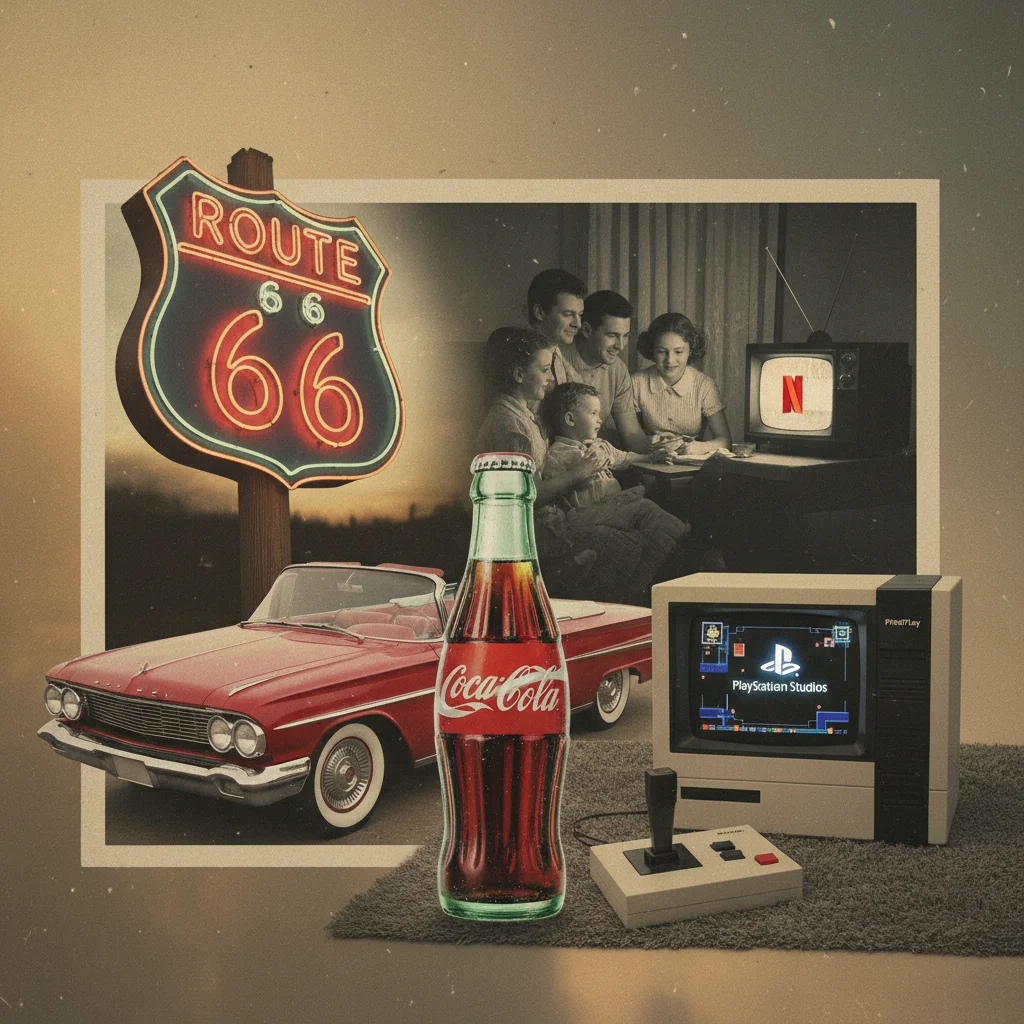
In the ever-evolving landscape of consumer engagement, one strategy continues to prove its enduring power: nostalgia marketing. As we look towards 2026, brands are increasingly recognizing the profound emotional connection that can be forged by deftly weaving elements of American heritage into their campaigns. This isn’t just about throwing back to simpler times; it’s a sophisticated nostalgia marketing strategy that taps into collective memories, cultural touchstones, and a deep-seated longing for authenticity. The financial implications are significant, with companies reporting substantial returns on investment from campaigns that successfully evoke a sense of the past.
What makes this approach so potent, particularly in the current climate? The answer lies in consumer psychology. In an age of rapid technological advancement and constant change, there’s a natural human inclination to seek comfort and familiarity. American heritage offers a rich tapestry of such elements – from iconic brands and classic entertainment to cherished traditions and historical moments. Brands that understand how to authentically integrate these elements into their modern messaging are not just selling products; they are selling feelings, memories, and a connection to a shared cultural identity. This article delves deep into the mechanisms behind this powerful trend, offering insider knowledge and practical insights into how your brand can harness the compelling force of nostalgia marketing strategy to thrive in 2026 and beyond.
The Psychological Underpinnings of Nostalgia Marketing
At its core, nostalgia is a sentimental longing or wistful affection for the past, typically for a period or place with happy personal associations. For marketers, this isn’t merely a vague emotional state; it’s a powerful psychological trigger that can influence consumer behavior in profound ways. Research consistently shows that nostalgia can enhance mood, increase self-esteem, strengthen social bonds, and even reduce feelings of loneliness. When a brand successfully evokes these positive emotions, it creates a powerful, subconscious connection with the consumer, transcending mere transactional relationships.
In 2026, consumers are savvier than ever. They are bombarded with advertisements and are increasingly skeptical of overt sales pitches. A well-executed nostalgia marketing strategy, however, doesn’t feel like a sales pitch. It feels like a shared experience, a fond remembrance, or a comforting embrace. This is particularly true when brands tap into collective cultural memories, such as those associated with American heritage. Think of the enduring appeal of classic Coca-Cola advertisements, the resurgence of vinyl records, or the renewed interest in retro video games. These aren’t just fads; they are manifestations of a deeper psychological need for connection to a perceived ‘golden age’.
Moreover, nostalgia often serves as a psychological coping mechanism. In times of uncertainty or rapid change, reflecting on the past can provide a sense of stability and reassurance. The past, even if idealized, represents a known quantity. Brands that can offer this sense of stability through their messaging are providing more than just a product; they are offering emotional comfort. This emotional resonance is a key differentiator in a crowded marketplace, allowing brands to build deeper loyalty and stand out from competitors. Understanding these psychological underpinnings is the first step in crafting an effective nostalgia marketing strategy that resonates with today’s consumers.
Why American Heritage Resonates Now More Than Ever
American heritage is a vast and varied concept, encompassing everything from iconic historical moments and figures to classic pop culture, enduring traditions, and pioneering innovations. For brands, this rich tapestry provides an almost inexhaustible source of inspiration for a nostalgia marketing strategy. But why is it particularly potent in 2026?
Firstly, there’s a generational aspect. Millennial and Gen X consumers, now firmly in their prime earning years, are increasingly looking back at the cultural touchstones of their youth. This includes everything from 80s and 90s fashion and music to classic American TV shows and films. Brands that can authentically revive or reference these elements are directly speaking to a demographic with significant purchasing power and a strong emotional attachment to these eras.
Secondly, there’s a broader societal trend towards valuing authenticity and provenance. Consumers are increasingly interested in the story behind a product, its origins, and its connection to real history. American heritage, whether celebrating craftsmanship, innovation, or enduring cultural values, provides a powerful narrative framework. Brands that highlight their long history, their ‘made in America’ roots, or their connection to classic American ideals can leverage this desire for authenticity.
Furthermore, American heritage often evokes themes of resilience, innovation, and community – values that resonate deeply across various demographics. From the pioneering spirit of early American entrepreneurs to the cultural revolutions of the 20th century, there are countless narratives that can be reinterpreted and presented in a fresh, engaging way. A strategic nostalgia marketing strategy doesn’t just copy the past; it reimagines it, making it relevant and appealing to contemporary audiences while retaining its core emotional power.
Consider the enduring appeal of brands like Levi’s, Harley-Davidson, or Coca-Cola. Their success isn’t solely based on product quality; it’s deeply intertwined with their historical narratives and their embodiment of certain American ideals. In 2026, more brands are realizing that tapping into this shared cultural memory is a shortcut to establishing trust and emotional connection with discerning consumers. This isn’t just about selling a product; it’s about selling a piece of a cherished past.
Key Components of a Successful Nostalgia Marketing Strategy
Implementing an effective nostalgia marketing strategy requires more than just slapping a ‘retro’ label on a product. It demands careful planning, a deep understanding of your target audience, and an authentic approach. Here are the key components that brands are leveraging for success in 2026:
1. Authentic Storytelling
The foundation of any successful nostalgia campaign is authentic storytelling. Consumers can spot inauthenticity a mile away. Brands must delve into their own history, or the broader American heritage, to unearth genuine narratives that resonate. This could involve highlighting the brand’s founding story, showcasing vintage advertisements, or featuring historical figures and events that align with the brand’s values. The goal is to create a compelling narrative that transports consumers back in time, evoking genuine emotions rather than superficial sentimentality.
For example, a food brand might share old family recipes or stories of how their products were made generations ago. An apparel brand might highlight the evolution of their designs over decades, linking them to specific cultural movements. The key is to ensure the story feels genuine and is seamlessly integrated into the brand’s current identity. Disconnected historical references will fall flat; a well-integrated narrative builds trust and deepens emotional connection.
2. Product Reimagination and Limited Editions
One of the most tangible ways to implement a nostalgia marketing strategy is through product development. This doesn’t necessarily mean bringing back outdated products; it often involves reimagining classic designs or creating limited-edition ‘throwback’ packaging. Think of sneaker brands re-releasing iconic models with modern technology, or beverage companies bringing back vintage can designs for a limited time. These product strategies tap into the desire for both the new and the familiar, creating excitement and a sense of urgency.
Limited editions are particularly effective because they leverage scarcity, making the nostalgic item even more desirable. When consumers know an item is only available for a short period, they are more likely to act quickly, driven by the fear of missing out on a piece of their past. This approach also allows brands to test the waters with nostalgic offerings without fully committing to a permanent product line, gathering valuable consumer feedback in the process.
3. Experiential Marketing and Events
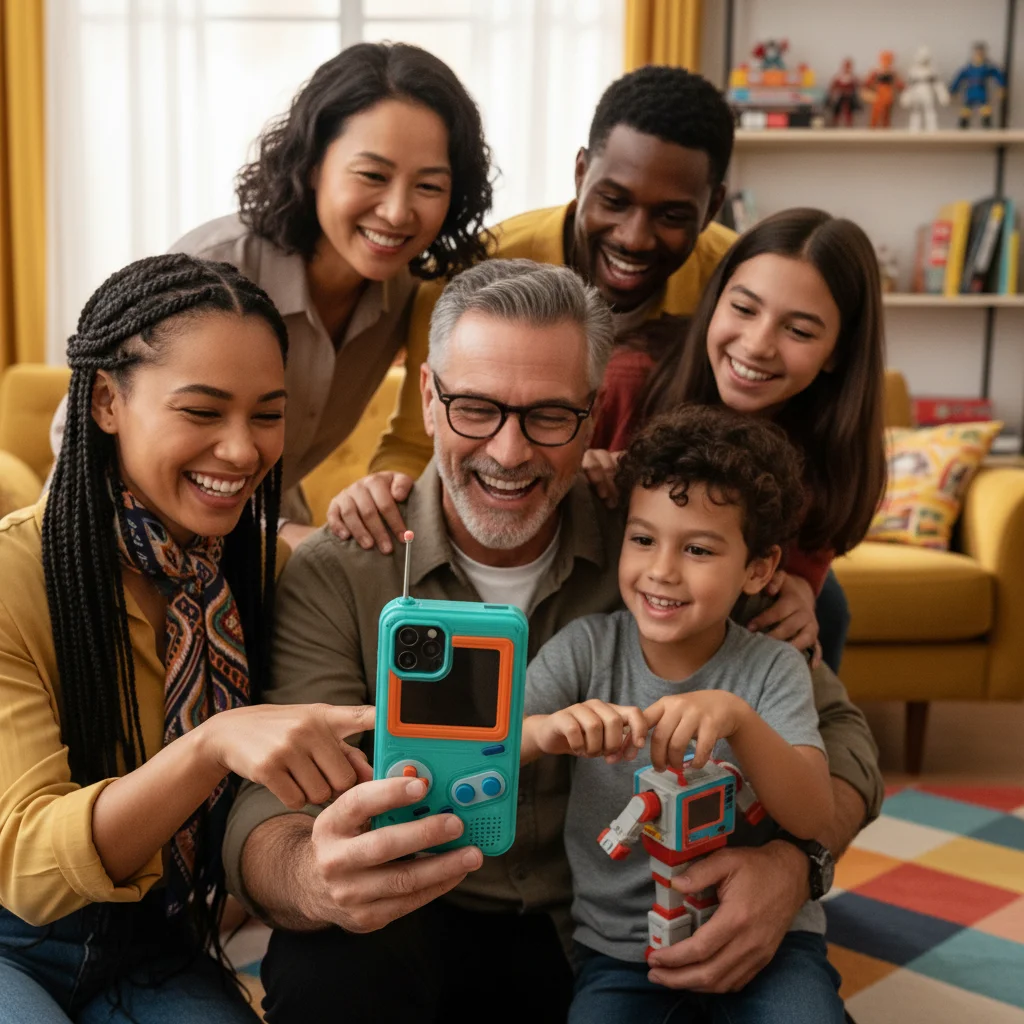
Beyond products and packaging, experiential marketing offers a powerful avenue for a nostalgia marketing strategy. Brands are creating immersive experiences that transport consumers back to specific eras. This could involve pop-up shops designed to look like vintage diners, music festivals featuring artists from a bygone era, or interactive installations that celebrate historical American achievements. These experiences are highly shareable, generating significant social media buzz and word-of-mouth marketing.
Such events allow consumers to not just recall memories, but to actively relive them, or even create new ‘nostalgic’ memories if they didn’t experience the original era firsthand. For younger generations, these experiences offer a window into a past they may only know through stories or media, creating a sense of discovery and fascination. The tactile, sensory nature of experiential marketing makes the nostalgic connection even stronger, forging deeper bonds between the brand and its audience.
4. Digital Integration and Social Media
While nostalgia looks to the past, its most effective execution in 2026 often leverages modern digital platforms. Social media is a natural fit for a nostalgia marketing strategy, with platforms like Instagram and TikTok thriving on visual content and trends. Brands can run campaigns encouraging users to share their own nostalgic memories, photos, or videos using specific hashtags. This user-generated content acts as powerful social proof and amplifies the campaign’s reach.
Digital archives, interactive timelines, and virtual reality experiences can also be used to bring American heritage to life online. Imagine a brand creating a VR experience that allows users to walk through a historical factory or attend a virtual concert from a past decade. These digital integrations make nostalgia accessible and engaging for a wider, digitally-native audience, blending the best of the past with the innovations of the present.
Financial Impact and ROI of Nostalgia Marketing
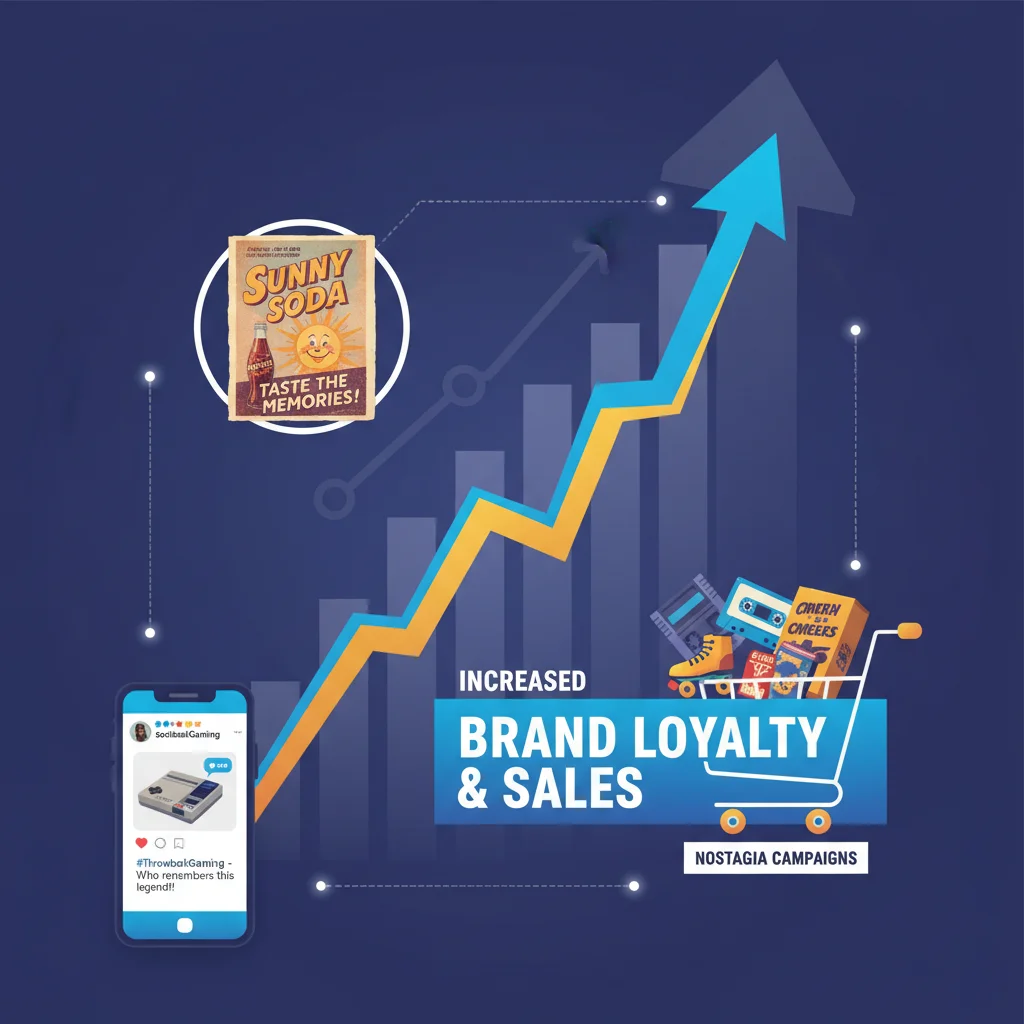
The beauty of a well-executed nostalgia marketing strategy is not just in its emotional appeal, but also in its tangible financial returns. In 2026, businesses are seeing significant ROI from these campaigns, translating into increased sales, enhanced brand loyalty, and improved market share.
One of the primary financial benefits is increased purchasing intent. When consumers feel a strong emotional connection to a brand through nostalgia, they are more likely to choose that brand over competitors, even if the price point is slightly higher. This emotional premium allows brands to maintain healthy profit margins while fostering a dedicated customer base. The ‘feel-good factor’ translates directly into sales, as consumers are often willing to pay for the emotional comfort and positive associations that nostalgic products or campaigns provide.
Furthermore, nostalgia campaigns often generate significant media attention and social media engagement, leading to organic reach that traditional advertising struggles to achieve. When a campaign goes viral because it perfectly captures a collective memory, the brand benefits from widespread exposure without incurring additional advertising costs. This earned media is incredibly valuable, amplifying the campaign’s message and reaching new audiences who might not have been exposed to the brand otherwise.
Another crucial financial aspect is improved brand loyalty and advocacy. Customers who feel a deep, nostalgic connection to a brand are more likely to become repeat purchasers and brand advocates. They will not only continue to buy the product but will also recommend it to friends and family, effectively becoming unpaid marketers. This long-term loyalty reduces customer acquisition costs and creates a stable revenue stream, which is invaluable in a volatile market.
Finally, a strong nostalgia marketing strategy can help brands differentiate themselves in a crowded market. By tapping into unique aspects of American heritage, brands can carve out a distinct identity that is difficult for competitors to replicate. This differentiation can lead to premium pricing opportunities and a stronger competitive advantage, ultimately bolstering the brand’s financial standing. The financial impact is clear: investing in a thoughtful nostalgia strategy is not just a creative endeavor, but a sound business decision with measurable returns.
Insider Knowledge: Trends and Predictions for 2026
As we move deeper into 2026, several key trends are emerging within the realm of nostalgia marketing strategy, offering insider knowledge for brands looking to stay ahead of the curve:
1. Hyper-Niche Nostalgia
Beyond broad cultural references, brands are increasingly targeting hyper-niche nostalgic segments. This involves focusing on very specific subcultures, regional histories, or micro-eras that resonate deeply with a particular audience. For example, instead of general 80s nostalgia, a brand might focus on specific 80s arcade culture or regional music scenes. This approach allows for highly targeted campaigns that create incredibly strong bonds with niche communities, leading to intense loyalty and advocacy.
2. Sustainability and Nostalgia Intersection
A fascinating trend is the intersection of nostalgia and sustainability. Consumers are increasingly valuing products that are built to last, can be repaired, or are part of a circular economy. This aligns perfectly with the nostalgic ideal of quality craftsmanship and products from a time when things were often made to be durable. Brands are leveraging this by highlighting the longevity and timelessness of their products, positioning them as an antidote to fast fashion or disposable culture. This fusion of values provides a powerful double appeal: a connection to the past and a commitment to a better future.
3. Interactive and Personalized Nostalgia
The future of nostalgia marketing strategy is increasingly interactive and personalized. Brands are moving beyond one-way communication to create experiences where consumers can actively engage with their past. This could involve AI-powered tools that curate personalized nostalgic content based on a user’s birth year or interests, or interactive digital museums that allow users to explore historical brand assets. The more personalized and interactive the nostalgic experience, the deeper the emotional connection will be.
4. The Rise of ‘Comfort Culture’
In a world that often feels overwhelming, there’s a growing ‘comfort culture’ where consumers seek solace and familiarity. Nostalgia fits perfectly into this trend, offering a sense of emotional security. Brands that can position themselves as providers of comfort – whether through familiar tastes, cozy aesthetics, or reassuring narratives – will find a receptive audience. This goes beyond simple product features; it’s about providing an emotional sanctuary in a chaotic world.
Challenges and How to Overcome Them
While the potential of a nostalgia marketing strategy is immense, it’s not without its challenges. Brands must navigate these carefully to ensure success:
1. Avoiding Inauthenticity and Trivialization
The biggest pitfall is inauthenticity. Consumers are quick to dismiss campaigns that feel like a cynical attempt to cash in on the past without genuine respect or understanding. Brands must avoid trivializing historical elements or using them out of context. This requires thorough research and a commitment to genuine storytelling. Partnering with cultural historians or community leaders can help ensure authenticity.
2. Balancing Old and New
A successful nostalgia strategy doesn’t just rehash the past; it subtly blends it with modern sensibilities. The challenge is finding the right balance. Too much old, and the brand risks appearing outdated and irrelevant. Too much new, and the nostalgic connection is lost. The key is to use nostalgic elements as a foundation, then build upon them with contemporary design, functionality, or messaging that appeals to today’s consumers.
3. Appealing Across Generations
While certain nostalgic elements might resonate strongly with one generation, they might be completely foreign to another. Brands need to decide whether to target a specific nostalgic demographic or to find universal themes within American heritage that can appeal to a broader audience. Multi-faceted campaigns that include elements for different age groups can help bridge this gap, ensuring a wider reach and sustained engagement.
4. Avoiding Stereotypes and Exclusion
American heritage, like any broad cultural concept, has diverse interpretations. Brands must be careful to avoid stereotypes or inadvertently excluding certain groups when invoking the past. A truly effective nostalgia marketing strategy is inclusive, celebrating the rich and varied tapestry of American history and culture in a way that resonates positively with a wide audience. This often means focusing on universal themes of community, innovation, and progress, rather than narrow or potentially divisive historical references.
Conclusion: The Enduring Power of Nostalgia for Brands in 2026
As we navigate the complexities of the modern marketplace, the nostalgia marketing strategy, particularly when rooted in the rich tapestry of American heritage, stands out as an exceptionally powerful tool for brands in 2026. It’s more than just a trend; it’s a deep dive into human psychology, leveraging our innate desire for comfort, familiarity, and connection to a shared past. Brands that authentically tap into these emotions are not just selling products; they are fostering deep emotional bonds, building unwavering loyalty, and creating memorable experiences that resonate long after the initial purchase.
From the psychological comfort it offers in uncertain times to its proven financial returns in terms of increased sales and brand advocacy, the benefits are undeniable. The insider knowledge points towards a future of hyper-niche, interactive, and sustainably-minded nostalgic campaigns that seamlessly blend the best of yesteryear with the innovations of today. By embracing authentic storytelling, reimagining classic products, crafting immersive experiences, and strategically integrating digital platforms, brands can unlock the full potential of this evergreen marketing approach.
The journey into American heritage offers a treasure trove of inspiration, allowing brands to differentiate themselves, build trust, and forge lasting relationships with consumers across generations. As the world continues to evolve at a dizzying pace, the comforting embrace of the past, expertly woven into a forward-looking brand narrative, will remain a cornerstone of successful marketing. Brands that master this delicate art of balancing remembrance with relevance will not only survive but thrive, securing their place in the hearts and minds of consumers for years to come.