New Frugality: Reshaping US Consumer Values 2026
Exploring the ‘New Frugality’: 3 Cultural Norms Reshaping US Consumer Values in 2026
The economic landscape of the United States is in a constant state of flux, and with it, the very fabric of consumer behavior. As we look towards 2026, a significant shift is underway, giving rise to what experts are calling the ‘New Frugality’. This isn’t merely about cutting costs; it’s a profound re-evaluation of values, priorities, and what truly constitutes a fulfilling life. The New Frugality US movement is more than a fleeting trend; it’s a cultural metamorphosis that will redefine how Americans spend, save, and perceive worth.
In an era marked by economic uncertainties, environmental concerns, and a growing desire for authenticity, consumers are increasingly moving away from conspicuous consumption towards more mindful and sustainable practices. This article delves into three pivotal cultural norms that are shaping this ‘New Frugality’ and influencing US consumer values in significant ways. Understanding these shifts is crucial for businesses, policymakers, and individuals alike, as they offer a glimpse into the future of American commerce and lifestyle.
The traditional narrative of American consumerism, often characterized by a drive for accumulation and status through possessions, is being challenged. Younger generations, in particular, are leading the charge, but the sentiment is permeating across demographics. This isn’t just about tightened belts; it’s about a conscious decision to prioritize experiences over possessions, quality over quantity, and sustainability over fleeting trends. The New Frugality US is a complex interplay of economic necessity, ethical considerations, and a renewed focus on personal well-being.
We will explore how these cultural norms manifest in everyday purchasing decisions, from the types of products consumers seek to the channels they use for shopping. We’ll examine the underlying psychological and sociological drivers behind these changes, providing a comprehensive understanding of this evolving consumer landscape. Prepare to discover how a more deliberate, value-driven approach to consumption is becoming the new normal.
Cultural Norm 1: The Rise of Conscious Consumption and Value-Driven Spending
One of the most defining characteristics of the New Frugality US is the pronounced shift towards conscious consumption. Consumers are no longer content with simply buying products; they want to understand the entire lifecycle of what they purchase. This extends beyond basic price considerations to encompass ethical sourcing, environmental impact, labor practices, and the overall societal contribution of a brand. This norm is deeply rooted in a growing awareness of global challenges and a desire to make a positive impact through personal choices.
This isn’t to say that price is irrelevant; rather, it’s now one factor among many in a more complex decision-making process. Value-driven spending means that consumers are willing to pay a premium for products that align with their personal values, such as sustainability, fair trade, or local production. Conversely, they are increasingly likely to boycott brands that do not meet their ethical standards, even if those brands offer lower prices.
Evidence of this trend is widespread. The demand for organic, locally sourced, and ethically produced goods continues to climb. Consumers are actively seeking out companies with strong corporate social responsibility (CSR) initiatives and transparent supply chains. They are using apps and online resources to research products and brands, making informed decisions rather than impulsive ones. This scrutiny extends to every sector, from food and fashion to technology and travel.
The impact on businesses is profound. Brands that fail to adapt to this new paradigm risk losing market share and consumer trust. Authenticity and transparency are paramount. Marketing messages that merely tout features or price points are less effective than those that communicate a brand’s values and its commitment to social and environmental responsibility. Companies are being challenged to not only produce quality goods but also to tell compelling stories about their origins and impact.
For example, the slow fashion movement, which emphasizes durable, timeless pieces over fast, disposable trends, is gaining traction. Consumers are investing in fewer, higher-quality items that last longer, reducing waste and supporting ethical manufacturing. Similarly, in the food industry, there’s a growing preference for plant-based diets and products from companies that prioritize animal welfare and sustainable farming practices. These choices reflect a deeper commitment to personal health and planetary well-being, integral to the New Frugality US.
Furthermore, the concept of ‘eco-friendly’ or ‘green’ products has evolved. It’s no longer enough for a product to simply claim to be sustainable; consumers demand verifiable proof and genuine commitment. Certifications, third-party endorsements, and detailed impact reports are becoming increasingly important. This elevates the standard for environmental claims and pushes companies towards more genuinely sustainable practices.
The rise of conscious consumption also means a decline in impulse buying. Consumers are more deliberate, often planning their purchases in advance and researching alternatives. This leads to fewer, but more meaningful, acquisitions. The overall effect is a reduction in overall consumption volume but an increase in the value placed on each purchase, aligning perfectly with the core tenets of the New Frugality US.
This shift also fuels the growth of the circular economy, where products are designed for durability, reuse, and recycling. Consumers are increasingly interested in repair services, second-hand markets, and product-as-a-service models, all of which extend the life of goods and reduce waste. This holistic approach to consumption is a cornerstone of the evolving consumer landscape.
Cultural Norm 2: The Prioritization of Experiences Over Possessions
Another significant cultural shift driving the New Frugality US is the increasing prioritization of experiences over material possessions. While owning tangible goods once served as a primary indicator of status and success, a growing segment of the population, particularly millennials and Gen Z, is finding greater fulfillment in travel, personal development, unique events, and shared moments with loved ones. This reorientation of values is reshaping spending patterns across various industries.
This trend isn’t just about having fun; it’s about investing in memories, personal growth, and social connections. In a world saturated with digital content and fleeting trends, authentic experiences offer a sense of novelty and depth that material goods often cannot. The rise of social media also plays a role, as individuals often share their experiences online, garnering social capital through adventures rather than acquisitions.
The impact on the economy is evident in the booming travel and hospitality sectors, the proliferation of experiential retail, and the growing popularity of subscription services that offer access to diverse activities or learning opportunities. Consumers are allocating larger portions of their discretionary income to concerts, festivals, workshops, outdoor adventures, and unique dining experiences. This contrasts sharply with previous generations’ propensity to spend on luxury cars, designer clothes, or larger homes as primary status symbols.
For businesses, this means a need to pivot from selling products to curating experiences. Retailers are transforming their physical spaces into interactive showrooms or community hubs. Brands are collaborating with experience providers to offer bundled packages that combine their products with memorable activities. The focus is on creating emotional connections and lasting impressions, rather than just transactional exchanges.
Consider the growth of the ‘staycation’ trend, where individuals explore local attractions and unique activities close to home, rather than always seeking exotic international travel. This reflects a desire for novel experiences without the high cost and environmental impact of long-distance journeys, further illustrating the pragmatic aspect of the New Frugality US. Similarly, the popularity of escape rooms, cooking classes, and DIY workshops speaks to a craving for engaging, hands-on experiences.
This shift also encourages a more minimalist lifestyle, where clutter is reduced, and living spaces are designed for functionality and comfort rather than showcasing numerous possessions. The emphasis moves from what one owns to what one does, and how those actions contribute to personal well-being and connection. This contributes to a broader sense of freedom from the perceived burden of excessive ownership.
Moreover, the sharing economy, discussed further below, complements this trend by providing access to experiences without the need for ownership. Renting a vacation home, car-sharing for a road trip, or borrowing tools for a project all align with the desire for the experience or utility without the long-term commitment and cost of possession. This seamless integration of experience-seeking and resource-sharing is a hallmark of the evolving consumer mindset.
The psychological underpinnings of this trend are significant. Research suggests that experiences tend to bring more lasting happiness than material purchases because they are often shared with others, become part of one’s identity, and are less prone to hedonic adaptation (the tendency to return to a baseline level of happiness after a positive event). This understanding is driving consumers to make choices that they believe will genuinely enhance their lives, rather than just provide temporary gratification.
As 2026 approaches, expect to see even more innovation in the experience economy, with brands finding creative ways to offer unique, personalized, and memorable moments that resonate with the value-driven consumer of the New Frugality US.

Cultural Norm 3: The Embrace of Resource Sharing and Collaborative Consumption
The third major cultural norm reshaping US consumer values under the umbrella of the New Frugality US is the widespread embrace of resource sharing and collaborative consumption. Fueled by technological advancements, environmental consciousness, and a desire for affordability, the sharing economy has moved from a niche concept to a mainstream practice. Consumers are increasingly comfortable with and actively seeking out opportunities to share, rent, or borrow goods and services rather than owning them outright.
This shift is fundamentally altering traditional notions of ownership and access. Why buy a power drill that you’ll use only a few times a year when you can rent one from a neighbor or a local tool library? Why own a car that sits idle for 95% of the time when you can use ride-sharing services or car-sharing platforms? This pragmatic approach to resource utilization is a cornerstone of the new consumer mindset.
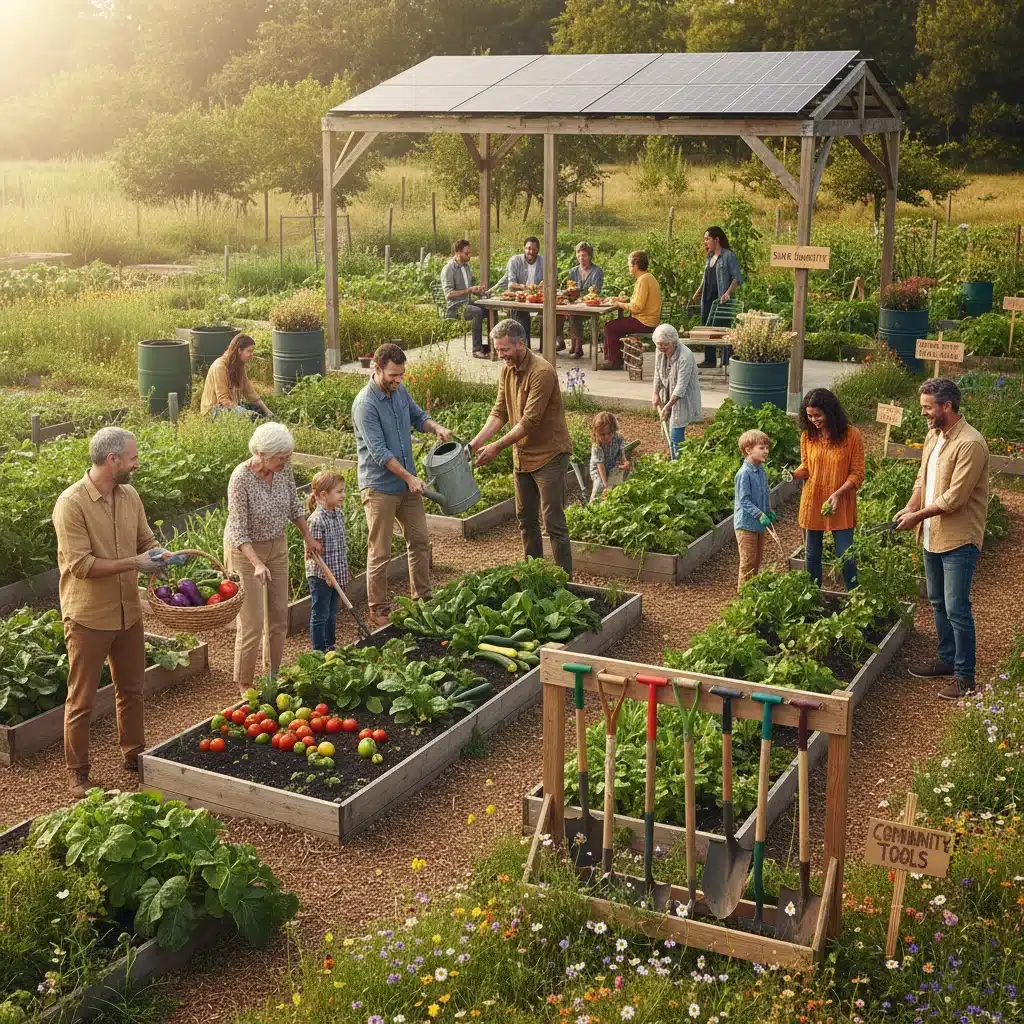
Platforms like Airbnb, Uber, Lyft, and various equipment rental services are prime examples of this norm in action. Beyond these established giants, countless smaller initiatives are emerging, from peer-to-peer clothing rental apps to community-based sharing networks for everything from kitchen appliances to garden tools. These services offer not only cost savings but also convenience and access to a wider range of resources without the burden of maintenance, storage, or depreciation.
The environmental benefits are also a significant driver. By sharing resources, overall consumption is reduced, leading to less waste, lower carbon footprints, and a more sustainable allocation of materials. This aligns perfectly with the conscious consumption trend, demonstrating how these cultural norms are interconnected and mutually reinforcing within the New Frugality US framework.
For businesses, this presents both challenges and opportunities. Traditional product manufacturers may see a decline in sales of certain goods, but they also have the chance to innovate by offering subscription models, rental services, or designing products specifically for durability and multi-user access. The focus shifts from selling units to providing utility and access.
Furthermore, the collaborative consumption model fosters a sense of community and trust. Interacting with neighbors for tool sharing or participating in local skill-sharing networks builds social capital and strengthens community bonds. This human element is an often-overlooked but powerful aspect of the sharing economy, appealing to a desire for connection in an increasingly fragmented world.
The growth of refurbished and second-hand markets also falls under this umbrella. Consumers are actively seeking out pre-owned items, whether it’s clothing from thrift stores, electronics from certified refurbishers, or furniture from online marketplaces. This not only saves money but also extends the life cycle of products, reducing demand for new manufacturing. The stigma once associated with second-hand goods has largely dissipated, replaced by a sense of savvy and sustainability.
As we move towards 2026, expect to see even more sophisticated and specialized sharing platforms emerge. From shared office spaces to shared electric vehicles and communal living arrangements, the concept of collective ownership and access will continue to expand, fundamentally altering how individuals interact with goods and services. The New Frugality US is not about deprivation; it’s about smart, efficient, and socially conscious resource management.
This cultural norm also encourages ingenuity in problem-solving. Faced with a need, consumers are more likely to first consider borrowing, renting, or finding a shared solution before resorting to a new purchase. This fosters a mindset of resourcefulness and adaptability, which is increasingly valuable in an unpredictable economic climate. The long-term implications for manufacturing, retail, and urban planning are vast, as cities and businesses adapt to a less ownership-centric society.
The Interconnectedness of the New Frugality US Norms
It’s crucial to understand that these three cultural norms – conscious consumption, prioritization of experiences, and resource sharing – are not isolated phenomena. They are deeply interconnected and mutually reinforcing, forming a cohesive framework for the New Frugality US. A consumer who prioritizes experiences might also be inclined to use car-sharing services to reach their travel destination, thereby embracing resource sharing. This same consumer is likely to choose eco-friendly accommodations, demonstrating conscious consumption.
The underlying thread connecting these norms is a re-evaluation of what truly constitutes value and well-being. Material wealth, while still important, is being redefined. It’s less about the sheer volume of possessions and more about the quality, ethical provenance, and utility of what one consumes, alongside the richness of one’s life experiences and the efficiency of resource use. This holistic perspective is driving a more deliberate and thoughtful approach to financial decisions and lifestyle choices.
The implications for businesses are multifaceted. Success in this evolving landscape requires more than just offering competitive prices. It demands genuine engagement with consumer values, transparent operations, innovative service models, and a willingness to adapt to a less ownership-driven economy. Companies that can authentically align with the principles of sustainability, ethical production, and experiential value will be best positioned to thrive.
Furthermore, technology plays a pivotal role in enabling these shifts. Digital platforms facilitate conscious research, enable seamless sharing and rental services, and connect individuals to a vast array of experiential opportunities. The digital infrastructure supports and accelerates the adoption of these new frugal practices, making them accessible and convenient for a broad audience.
The New Frugality US also reflects a growing skepticism towards traditional advertising and marketing. Consumers are savvier, more informed, and less swayed by superficial messaging. They seek authenticity, peer reviews, and verifiable claims. Word-of-mouth and social proof carry significant weight, underscoring the importance of building strong, trust-based relationships with customers.
This cultural movement is not about a temporary recession-driven pullback; it represents a more fundamental, long-term shift in consumer ethos. It’s a response to economic realities, certainly, but also to a deeper societal yearning for purpose, connection, and a more sustainable way of living. As 2026 unfolds, these norms will continue to solidify their place in the American cultural landscape, guiding consumer decisions for years to come.
Navigating the Future: Implications for Businesses and Individuals
The emergence of the New Frugality US presents both challenges and opportunities for various stakeholders. For businesses, the imperative is clear: adapt or be left behind. This involves a strategic re-thinking of product development, marketing, supply chain management, and customer engagement. Brands must move beyond transactional relationships to foster communities, provide authentic value, and demonstrate a commitment to social and environmental responsibility.
Companies should consider:
- Product Innovation: Focusing on durability, repairability, and multi-functional designs that align with conscious consumption and resource sharing.
- Service Models: Exploring subscription services, rental options, and product-as-a-service models to cater to the access-over-ownership preference.
- Transparency and Ethics: Implementing transparent supply chains, ethical labor practices, and clear environmental impact reporting to build trust with value-driven consumers.
- Experiential Marketing: Creating engaging brand experiences, events, and partnerships that offer more than just a product, catering to the prioritization of experiences.
- Community Building: Fostering online and offline communities around shared values, allowing consumers to connect and share knowledge and resources.
For individuals, understanding the New Frugality US offers a pathway to greater financial resilience, personal fulfillment, and a more sustainable lifestyle. Embracing these norms can lead to reduced debt, a lower environmental footprint, and a stronger sense of purpose. It encourages mindful spending, thoughtful saving, and an appreciation for non-materialistic forms of wealth.
This cultural shift also has broader societal implications. It could lead to more resilient local economies, reduced waste generation, and a greater emphasis on community well-being. As consumers collectively demand more ethical and sustainable practices, it places pressure on industries and governments to respond with policies and innovations that support these evolving values.
The journey towards 2026 will undoubtedly bring further evolution and refinement of these norms. However, the foundational principles of conscious consumption, experiential value, and collaborative resource use are firmly established. They represent a powerful force shaping the future of consumption in the United States, marking a definitive departure from past patterns and ushering in an era of more thoughtful, purposeful living.
In conclusion, the New Frugality US is not a fleeting trend but a fundamental re-calibration of consumer values. By understanding and adapting to these three cultural norms, businesses can innovate and thrive, while individuals can cultivate a lifestyle that is both economically prudent and personally enriching. The future of American consumerism is not about less, but about more meaningful and sustainable choices.