Youth Activism 2026: How 65% of Young Americans are Shaping Policy and Culture (INSIDER KNOWLEDGE)
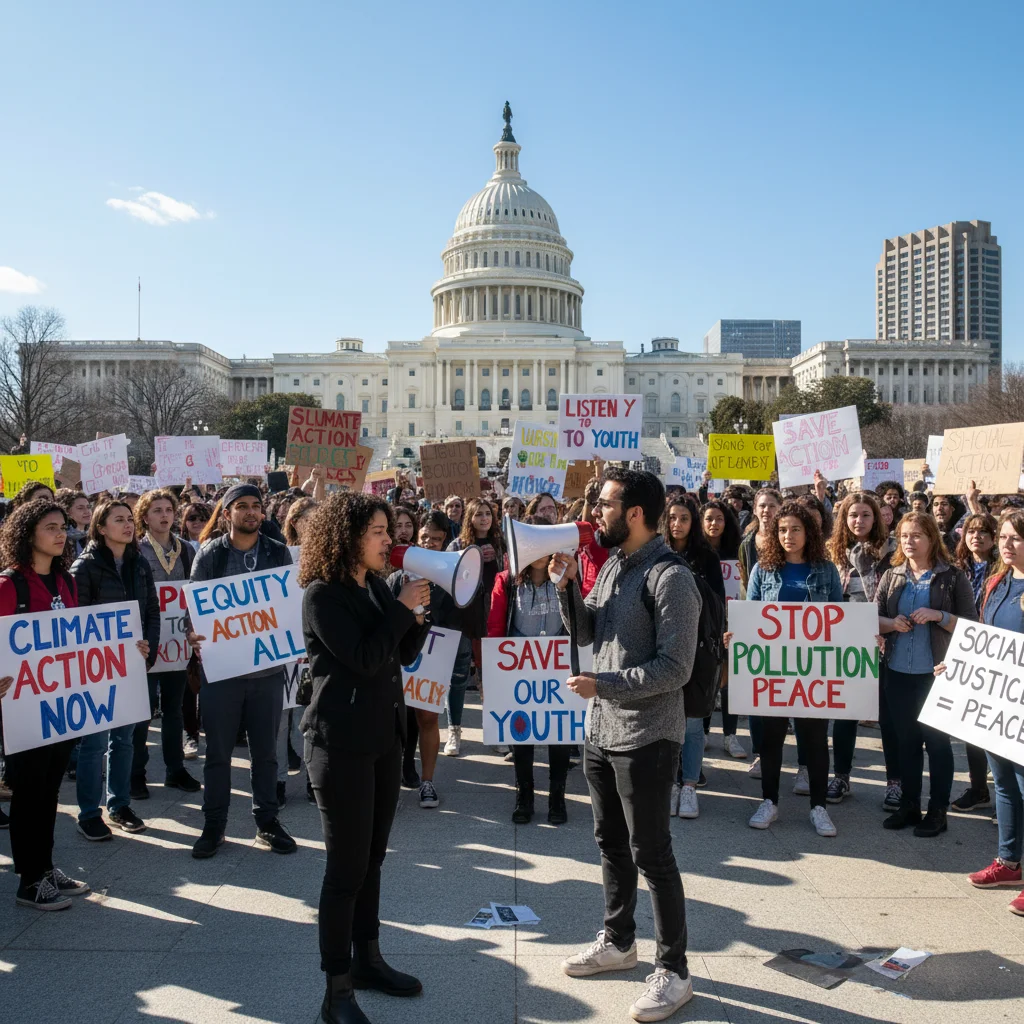
In 2026, the landscape of American policy and culture is being profoundly reshaped by a force that is often underestimated yet undeniably powerful: its youth. Far from being apathetic, young Americans are demonstrating an unprecedented level of engagement, with a staggering 65% actively participating in various forms of activism. This isn’t just a fleeting trend; it’s a fundamental shift, indicating a generation determined to forge a future that aligns with their values. This comprehensive exploration delves into the core of Youth Activism 2026, examining the driving forces behind this surge, the key issues galvanizing young people, their innovative strategies, and the tangible impact they are having on both the political sphere and the broader cultural narrative. Understanding this phenomenon is crucial for anyone seeking to comprehend the trajectory of American society in the coming years.
The Resurgence of Youth Engagement: A New Era of Activism
The narrative of an disengaged youth has been thoroughly debunked by the realities of 2026. This generation, often labeled Gen Z and the younger millennials, has come of age in a period marked by significant global challenges and domestic instability. From climate change and economic inequality to social justice and political polarization, the issues are complex and deeply personal. Unlike previous generations who might have felt detached from the political process, today’s young Americans see direct connections between policy decisions and their daily lives, as well as their future prospects. This realization has fueled a potent desire for change, leading to a vibrant and multifaceted movement of Youth Activism 2026.
What distinguishes this current wave of youth activism from those of the past? Several factors stand out. Firstly, access to information and communication technologies has democratized activism. Social media platforms are not just tools for communication; they are organizing hubs, awareness generators, and powerful platforms for amplifying voices. Young people are adept at leveraging these digital spaces to mobilize, educate, and pressure institutions. Secondly, there’s a strong emphasis on intersectionality. Activists understand that issues like racial justice, environmental protection, and economic fairness are interconnected, and their advocacy reflects this holistic perspective. Finally, there’s a palpable sense of urgency. Many young people feel that the stakes are higher than ever, driving them to take immediate and sustained action.
The 65% figure isn’t just about attending protests; it encompasses a wide spectrum of engagement. It includes voting, volunteering for campaigns, signing petitions, participating in online advocacy, organizing community events, boycotting brands, and engaging in civil disobedience. This broad participation underscores a fundamental belief that change is possible and that their collective voice holds significant power. The rise of Youth Activism 2026 is not merely a statistical anomaly but a reflection of a generation ready to lead and redefine what it means to be an active citizen.
Key Issues Driving Youth Activism in 2026
The issues that galvanize young Americans are diverse, yet several themes consistently emerge as central to their activism. These are not merely abstract concerns but deeply felt injustices and anxieties that shape their worldview and motivate their actions.
Climate Change and Environmental Justice
Perhaps no issue resonates more deeply with young people than climate change. Having grown up witnessing extreme weather events, rising sea levels, and the stark realities of environmental degradation, they understand the existential threat it poses. Their activism extends beyond demanding policy changes; it encompasses advocating for environmental justice, recognizing that marginalized communities often bear the disproportionate burden of pollution and climate impacts. Young activists are pushing for aggressive renewable energy policies, conservation efforts, and corporate accountability, often employing direct action and sophisticated lobbying tactics to achieve their goals.
Racial and Social Justice
The fight for racial and social justice remains a cornerstone of Youth Activism 2026. Fueled by a heightened awareness of systemic inequalities and historical injustices, young people are at the forefront of movements demanding police reform, an end to discrimination, and equitable opportunities for all. They are vocal proponents of diversity, equity, and inclusion across all sectors of society, from education and employment to media representation. Their activism often highlights the lived experiences of marginalized communities, challenging dominant narratives and pushing for a more just and inclusive society.
Economic Inequality and Workers’ Rights
Many young Americans face significant economic hurdles, including student debt, rising housing costs, and stagnant wages. This has led to a strong focus on economic justice. Youth Activism 2026 sees young people advocating for policies that address wealth disparities, promote fair labor practices, strengthen unions, and ensure access to affordable education and healthcare. They are questioning the fundamental structures of capitalism and proposing alternative economic models that prioritize collective well-being over corporate profits. The push for a living wage and increased worker protections is a common thread in their economic advocacy.
Gun Control and Safety
Tragically, many young people have grown up in an era defined by mass shootings and pervasive gun violence. This has transformed them into powerful advocates for stricter gun control measures. Their activism is often deeply personal, driven by experiences of fear and loss. They have organized massive rallies, lobbied lawmakers, and raised public awareness, consistently challenging the status quo and demanding legislative action to create safer communities and schools. Their persistence has undeniably shifted the national conversation on gun safety.
Reproductive Rights and Healthcare Access
The ongoing debates surrounding reproductive rights and access to comprehensive healthcare are also critical drivers of Youth Activism 2026. Young people are staunch defenders of bodily autonomy and advocate for policies that ensure universal access to healthcare services, including mental health support and reproductive care. They recognize these issues as fundamental human rights and are actively working to counteract efforts to restrict these freedoms, often through grassroots organizing and legal challenges.
Innovative Strategies and Tactics of Youth Activists
The efficacy of Youth Activism 2026 stems not only from its passionate commitment but also from its innovative and adaptable strategies. Young activists are not content with traditional methods alone; they are constantly experimenting with new approaches to maximize their impact.
Digital Mobilization and Social Media Savvy
The digital realm is arguably the most potent tool in the arsenal of young activists. Platforms like TikTok, Instagram, X (formerly Twitter), and YouTube are used not just for sharing information but for organizing, fundraising, and building broad coalitions. Viral campaigns, educational infographics, and live streams of protests or events are common. This digital fluency allows for rapid dissemination of messages, instant mobilization, and the ability to reach a global audience, bypassing traditional media gatekeepers. They are also adept at using data analytics to understand engagement and refine their messaging.
Intersectional Coalition Building
Recognizing the interconnectedness of various social issues, young activists are masters of coalition building. They actively seek partnerships with diverse groups, including environmental organizations, racial justice advocates, labor unions, and LGBTQ+ rights groups. This intersectional approach amplifies their collective power, allowing them to address complex problems from multiple angles and present a united front. These coalitions are often built on shared values and a common vision for a more equitable society, making them remarkably resilient.
Creative Protests and Direct Action
While traditional marches and rallies remain important, young activists are also employing highly creative and attention-grabbing forms of protest. These can range from artistic installations and performance art designed to provoke thought, to strategic boycotts and civil disobedience aimed at disrupting business as usual. The goal is often to generate media attention, force public discourse, and exert direct pressure on decision-makers. These tactics are carefully planned to be impactful while often maintaining a commitment to non-violence.

Youth-Led Organizations and Grassroots Movements
A significant aspect of Youth Activism 2026 is the proliferation of youth-led organizations. These groups are often founded and run by young people themselves, giving them autonomy and ensuring that their priorities and perspectives are central. These grassroots movements are highly adaptable, responsive to local needs, and capable of fostering leadership skills among their members. They are building sustainable structures that can continue to drive change long-term, moving beyond single-issue campaigns to broader systemic transformations.
Engaging with Policy Makers and Electoral Politics
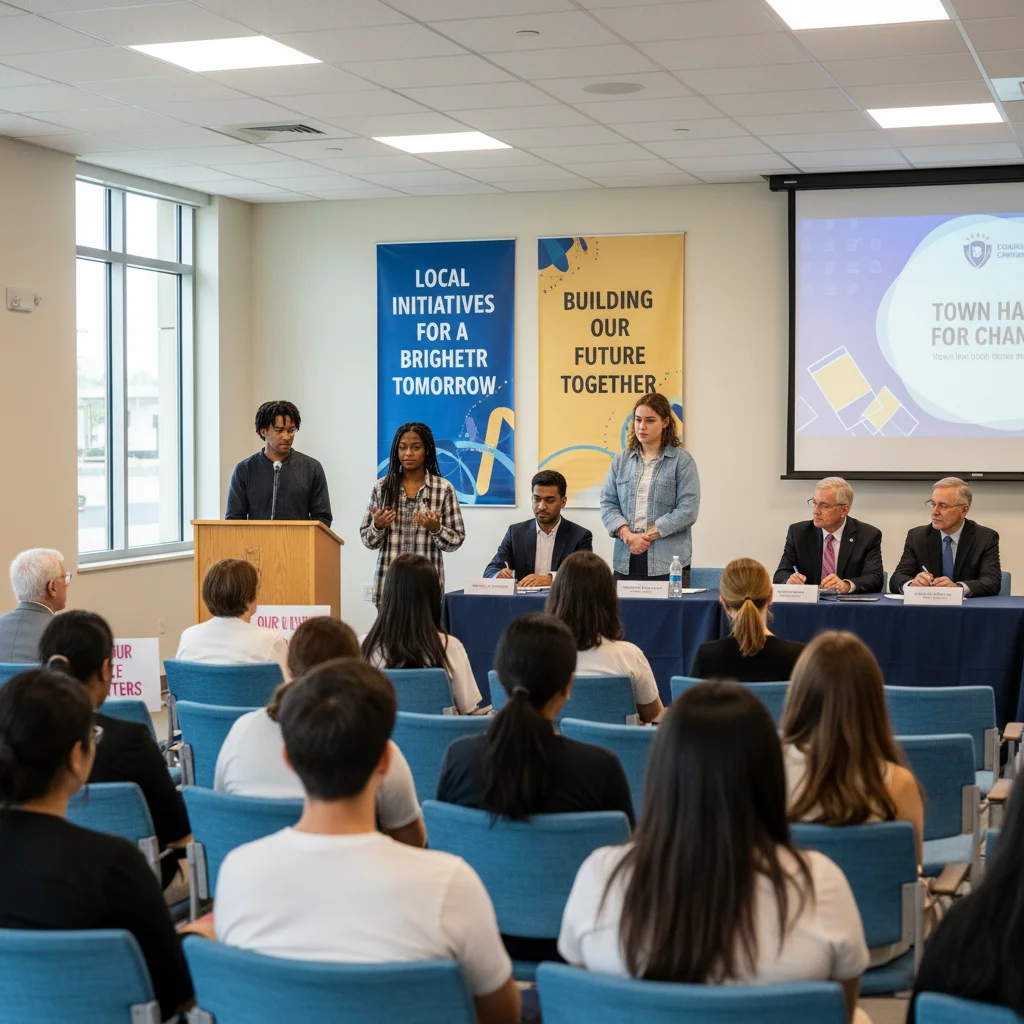
While some youth activism focuses on direct action outside traditional political channels, a growing number of young people are also strategically engaging with electoral politics. This includes registering voters, volunteering for campaigns, running for local office, and lobbying elected officials. They understand that sustained change often requires legislative action and are committed to holding politicians accountable. This shift underscores a growing maturity in the movement, recognizing the need to influence policy from both inside and outside the established system.
The Impact of Youth Activism 2026: Policy and Cultural Shifts
The widespread engagement of young Americans is not merely theoretical; it is translating into tangible policy changes and significant cultural shifts. The influence of Youth Activism 2026 is undeniable, shaping the national agenda and redefining societal norms.
Policy Victories and Legislative Influence
Across various states and at the federal level, young activists have contributed to significant policy victories. In environmental policy, their persistent advocacy has pushed for stronger climate legislation, increased investment in renewable energy, and stricter regulations on polluters. On social justice fronts, their efforts have led to reforms in policing, expanded voting rights, and greater protections for marginalized communities. While progress can be slow and challenging, the sustained pressure from youth movements is undeniably moving the needle on critical issues. They are not just asking for a seat at the table; they are demanding to set the agenda.
Shifting Public Opinion and Cultural Norms
Beyond legislative wins, youth activism is profoundly impacting public opinion and cultural norms. Young people are challenging long-held assumptions and sparking conversations about systemic injustices that were once considered taboo. Their embrace of diversity, inclusion, and environmental stewardship is permeating mainstream culture, influencing everything from corporate social responsibility initiatives to media representation. Brands are increasingly aware of the values of younger consumers, leading them to adopt more ethically and environmentally conscious practices. The cultural landscape of 2026 is one where social consciousness is not just admirable but often expected, largely due to the persistent efforts of young activists.
Empowering Future Generations of Leaders
One of the most enduring impacts of Youth Activism 2026 is the cultivation of a new generation of leaders. Through their involvement in various movements, young people are developing critical skills in organizing, communication, strategic planning, and advocacy. They are learning how to navigate complex political landscapes, build consensus, and inspire action. This experience is preparing them to take on leadership roles in all sectors of society, ensuring that the progressive values they champion today will continue to influence decision-making in the decades to come. The leadership pipeline is being robustly filled by individuals who have honed their skills on the front lines of social change.
Challenges and the Path Forward
Despite their significant achievements, young activists face numerous challenges. These include the risk of burnout, the need for sustainable funding, navigating political polarization, and countering misinformation campaigns. The fight for systemic change is rarely easy or linear, and maintaining momentum requires resilience and strategic adaptation.
However, the future of Youth Activism 2026 appears bright and resilient. As this generation continues to mature and gain more influence, their impact is only expected to grow. The lessons learned from previous campaigns are being applied to new challenges, and the networks built are becoming stronger and more interconnected. Mentorship from older activists, combined with the innovative spirit of the youth, creates a powerful synergy that promises continued progress.
For organizations, policymakers, and businesses, understanding and engaging with this demographic is no longer optional; it is essential. Ignoring the voices of young Americans is to ignore the future. Their energy, idealism, and commitment to justice are not just shaping the present but are laying the groundwork for a more equitable, sustainable, and inclusive society for generations to come. The 65% engagement rate is a testament to their power and a clear signal that they are a force to be reckoned with.
The Digital Ecosystem of Youth Activism
The digital realm has become an indispensable ecosystem for Youth Activism 2026. It’s not merely a platform for communication but a dynamic space where movements are born, strategies are refined, and solidarity is forged. Young activists are digital natives, and their comfort with technology translates into sophisticated online campaigns that often outpace traditional media cycles.
Platforms like TikTok, for instance, are used for more than just entertainment. Short, impactful videos can explain complex policy issues, debunk misinformation, and call viewers to action within seconds. Instagram serves as a visual hub for sharing personal stories, protest imagery, and educational infographics that are easily digestible and shareable. X (formerly Twitter) remains a critical tool for real-time updates, direct engagement with public figures, and trend-setting hashtags that can quickly elevate an issue to national prominence. Discord servers and encrypted messaging apps facilitate secure and organized communication among activists, allowing for rapid response and coordinated actions.
Furthermore, young activists are adept at using data and analytics to inform their digital strategies. They track engagement metrics, identify influential voices, and tailor their content to specific audiences. This data-driven approach ensures that their messages resonate and their calls to action are effective. Online fundraising tools have also revolutionized their ability to secure resources, often through small, consistent donations from a broad base of supporters, bypassing traditional funding mechanisms and maintaining independence.
However, the digital landscape also presents challenges. The spread of misinformation, online harassment, and the risk of digital surveillance are real threats. Young activists are constantly learning to navigate these complexities, developing strategies for digital security, fact-checking, and fostering positive online communities. Despite these challenges, the digital ecosystem remains a cornerstone, enabling Youth Activism 2026 to scale its efforts and reach audiences that would have been unimaginable a decade ago.
Educational Advocacy and Curriculum Reform
Beyond traditional political and social issues, a significant portion of Youth Activism 2026 is focused on educational advocacy and curriculum reform. Young people are acutely aware of the role education plays in shaping societal values and opportunities, and they are demanding changes that reflect a more inclusive, relevant, and critical approach to learning.
Activists are pushing for curricula that accurately represent diverse histories, including the perspectives of marginalized communities that have historically been overlooked or misrepresented. They advocate for comprehensive sex education, mental health awareness programs, and critical thinking skills to combat misinformation. There’s a strong desire for education to be more practical, preparing students not just for academic success but for active citizenship and addressing real-world challenges.
This advocacy extends to challenging book bans, promoting intellectual freedom, and advocating for increased funding for public education. They are organizing student walkouts, forming student unions, and engaging with school boards and parent-teacher associations to voice their concerns. The goal is to create learning environments that are equitable, empowering, and reflective of the diverse society they inhabit. This aspect of Youth Activism 2026 highlights a long-term vision for societal change, recognizing that transforming education is key to transforming the future.
The impact of this educational activism is already being seen in some school districts and universities, where student demands have led to revised curricula, new mental health services, and greater student representation in decision-making processes. This demonstrates that young people are not just focused on national policy but are also deeply committed to improving their immediate educational environments, understanding that change begins at home.
The Intersection of Culture and Commerce
The influence of Youth Activism 2026 extends deeply into the realms of culture and commerce. This generation’s values are not only shaping political discourse but also consumer behavior and corporate responsibility. Young people are highly conscious consumers, and their purchasing decisions are often guided by ethical considerations, environmental impact, and a company’s stance on social justice issues.
This has forced many businesses to re-evaluate their practices. Companies are increasingly expected to demonstrate genuine commitment to sustainability, fair labor practices, and diversity. Those that fail to meet these expectations risk boycotts, negative social media campaigns, and a significant loss of market share among younger demographics. Conversely, brands that authentically align with progressive values can gain immense loyalty and advocacy from this powerful consumer base.
Moreover, youth activists are actively challenging cultural norms and stereotypes. Through art, music, film, and digital content, they are promoting inclusivity, body positivity, mental health awareness, and diverse representations of identity. They are dismantling traditional beauty standards, questioning gender roles, and advocating for a more nuanced and empathetic understanding of human experience. This cultural activism is not always explicit protest; sometimes, it’s simply the act of living authentically and creating content that reflects a more progressive worldview.
The entertainment industry, in particular, has seen a significant shift, with a greater demand for diverse storytelling and creators. Young activists are using their collective voice to push for more inclusive casting, accurate portrayals of different communities, and narratives that challenge existing power structures. This intersection of culture and commerce signifies that Youth Activism 2026 is not just about changing laws; it’s about fundamentally altering the fabric of society, one purchase and one story at a time.
Conclusion: A Resilient Force for Change
The landscape of American society in 2026 is undeniably marked by the powerful presence of youth activism. With 65% of young Americans actively engaged, their collective voice is a formidable force, driving both policy innovation and profound cultural shifts. From the urgent calls for climate action and racial justice to the relentless pursuit of economic equity and educational reform, young people are not merely observers of history; they are its active architects.
Their innovative use of digital platforms, their commitment to intersectional coalition building, and their willingness to engage in diverse forms of advocacy demonstrate a sophisticated and resilient approach to social change. While challenges remain, the dedication and strategic acumen of this generation promise a continued and expanding influence. Understanding Youth Activism 2026 is not just about acknowledging a demographic trend; it’s about recognizing the leading edge of social and political evolution in America. Their vision, energy, and unwavering commitment to a better future are shaping the nation in ways that will resonate for decades to come, proving that the power of principled action, when wielded by a united generation, is truly limitless.