Digital Preservation US Communities: Adapting Culture by 2026
Digital Cultural Preservation in the Digital Age: How US Communities are Adapting by 2026 (Practical Solutions)
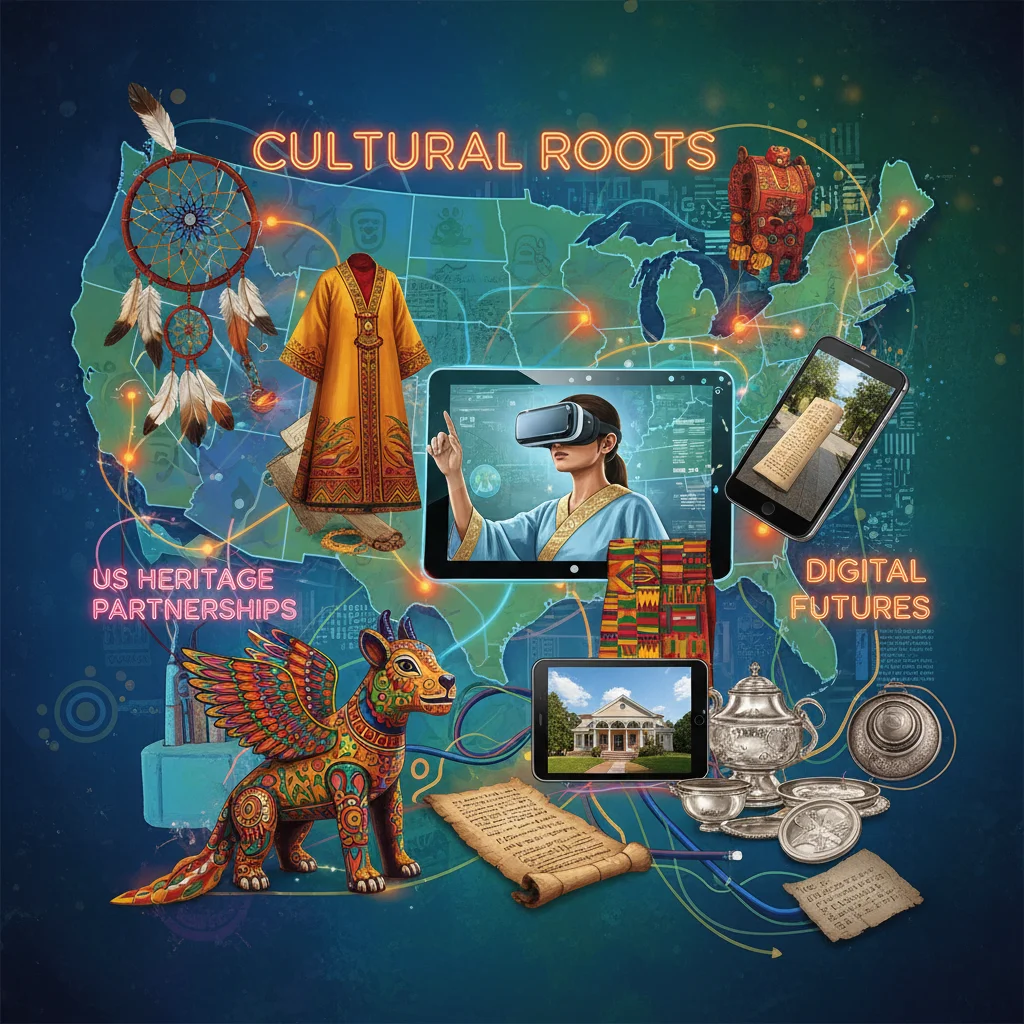
In an era defined by rapid technological advancement, the concept of cultural preservation has undergone a profound transformation. What once relied solely on physical archives, oral traditions, and tangible artifacts now increasingly embraces the boundless possibilities of the digital realm. By 2026, US communities are not just adapting to this shift; they are actively innovating, developing, and implementing practical solutions to ensure their unique cultural heritage endures for future generations. This comprehensive exploration delves into the strategies, challenges, and triumphs of Digital Cultural Preservation efforts across the United States, offering insights into how technology is reshaping our understanding and safeguarding of history.
The Imperative for Digital Cultural Preservation
The urgency for Digital Cultural Preservation cannot be overstated. Traditional methods, while invaluable, face inherent vulnerabilities: degradation of physical materials, loss of oral histories due to generational gaps, and the limitations of physical access. Digitalization offers a robust, scalable, and accessible alternative. It allows for the creation of immutable records, the dissemination of cultural knowledge to a global audience, and the engagement of younger generations through interactive platforms. The year 2026 marks a critical juncture where many communities have moved beyond initial pilot programs to established, sustainable digital preservation frameworks.
Addressing the Challenges of Traditional Preservation
- Physical Deterioration: Books, photographs, and textiles are susceptible to environmental damage, pests, and natural decay. Digital copies eliminate this physical vulnerability.
- Limited Access: Unique artifacts or archives may be stored in remote locations or have restricted access. Digitalization democratizes access, making heritage available to researchers, educators, and the public worldwide.
- Loss of Oral Histories: As elders pass, their invaluable stories and knowledge can be lost forever. Digital recordings, transcriptions, and multimedia presentations capture these narratives for posterity.
- Disaster Preparedness: Natural disasters (fires, floods, earthquakes) pose an existential threat to physical collections. Digital backups, stored in multiple secure locations, offer a critical layer of protection.
Key Strategies for Digital Cultural Preservation in US Communities by 2026
US communities are employing a multi-faceted approach to Digital Cultural Preservation. These strategies encompass technological innovation, community engagement, and strategic partnerships, all aimed at creating a resilient and accessible digital heritage landscape.
1. Comprehensive Digitization Programs
At the core of any Digital Cultural Preservation initiative is the systematic digitization of cultural assets. By 2026, many communities have established dedicated digitization labs or partnered with specialized institutions to convert physical materials into high-resolution digital formats.
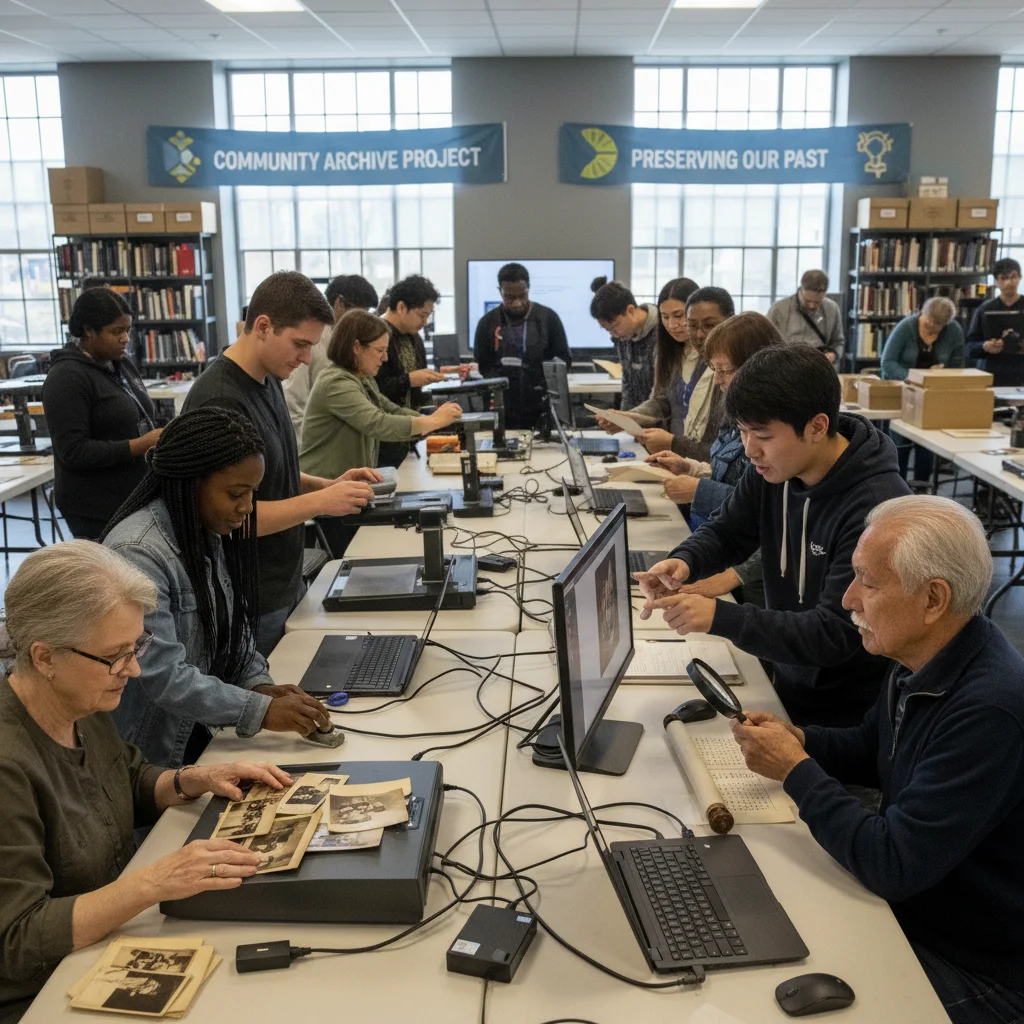
- Document and Image Scanning: Libraries, historical societies, and tribal archives are using professional-grade scanners to create high-fidelity digital copies of documents, photographs, maps, and artworks. Emphasis is placed on metadata creation to ensure discoverability and context.
- Audio and Video Conversion: Oral histories, traditional music, ceremonial recordings, and historical film footage are being converted from analog formats (cassettes, VHS, film reels) to lossless digital audio and video files. This often involves specialized equipment and expertise to restore and enhance older recordings.
- 3D Scanning and Photogrammetry: For tangible objects, particularly artifacts, sculptures, and architectural elements, 3D scanning and photogrammetry are revolutionizing preservation. These techniques create detailed three-dimensional models that can be rotated, examined, and even reproduced via 3D printing, offering an unprecedented level of interaction and study.
2. Building Robust Digital Repositories and Archives
Digitization is only the first step. Effective Digital Cultural Preservation relies on secure, well-organized, and accessible digital repositories. By 2026, communities are investing in sustainable infrastructure.
- Cloud Storage Solutions: Many communities are leveraging reputable cloud storage providers with robust security protocols and redundancy measures to store vast quantities of digital data, ensuring its safety and accessibility from anywhere.
- Digital Asset Management (DAM) Systems: These systems are crucial for organizing, categorizing, and managing digital assets. DAMs allow for detailed metadata tagging, version control, and search functionalities, making it easier for users to find and utilize cultural content.
- Adherence to Archival Standards: Communities are increasingly adopting international archival standards (e.g., OAIS – Open Archival Information System) to ensure the long-term viability, authenticity, and integrity of their digital collections. This includes format migration strategies to adapt to evolving technologies.
3. Innovative Engagement Through Digital Platforms
Beyond mere storage, Digital Cultural Preservation by 2026 is deeply focused on engaging the public and making heritage come alive. This involves leveraging a variety of digital platforms and interactive experiences.
- Online Portals and Databases: Many communities have launched user-friendly online portals that serve as central hubs for their digital collections. These platforms often feature search functions, curated exhibits, and educational resources, making heritage accessible to a broad audience.
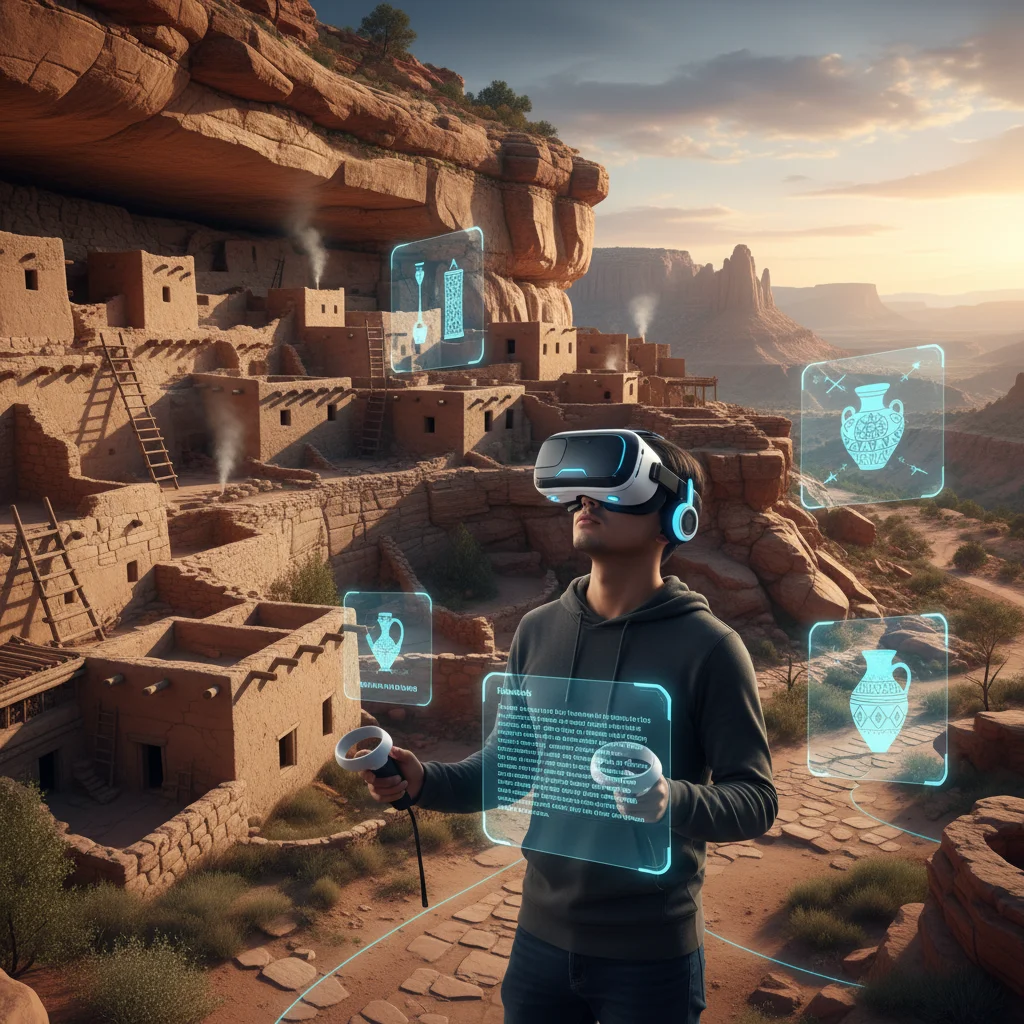
- Virtual and Augmented Reality (VR/AR): VR and AR technologies are transforming how people interact with cultural heritage. Communities are creating immersive VR experiences that allow users to explore historical sites, interact with 3D models of artifacts, or witness historical events reenacted. AR applications can overlay digital information onto physical spaces, enriching on-site visits to historical landmarks.
- Interactive Storytelling and Digital Exhibits: Beyond static images, communities are developing interactive digital exhibits that combine text, audio, video, and 3D models to tell compelling stories about their heritage. These often incorporate gamification elements to appeal to younger audiences.
- Social Media and Crowdsourcing: Social media platforms are used not only for promotion but also for engagement, allowing communities to share snippets of their heritage, solicit memories, and even crowdsource image identification or transcription efforts, fostering a sense of collective ownership.
4. Community-Led Initiatives and Partnerships
The success of Digital Cultural Preservation often hinges on strong community involvement and strategic partnerships. By 2026, many initiatives are grassroots-driven, supported by collaborations.
- Tribal Digital Heritage Projects: Native American tribes across the US are leading efforts to digitize and preserve their languages, oral traditions, sacred sites, and cultural artifacts, often with a focus on self-determination and cultural sovereignty. These projects frequently involve community elders and youth working together.
- Local Historical Society Collaborations: Small historical societies, often with limited resources, are partnering with universities, public libraries, and technology companies to gain access to digitization equipment, expertise, and funding.
- Educational Partnerships: K-12 schools and universities are collaborating with local cultural institutions to integrate digital heritage into curricula, providing students with hands-on experience in digitization, metadata creation, and digital storytelling. This also helps to cultivate the next generation of preservationists.
- Volunteer Programs: Many Digital Cultural Preservation projects rely heavily on volunteers for tasks such as scanning, transcribing, and metadata entry, fostering a strong sense of community ownership and participation.
Case Studies: Exemplary Digital Cultural Preservation in Action by 2026
Across the US, various communities are demonstrating innovative approaches to Digital Cultural Preservation. These examples showcase the diversity of efforts and the transformative power of technology.
The ‘Ancestral Voices’ Project – A Native American Community
In a southwestern US state, a Native American community has launched the ‘Ancestral Voices’ project. By 2026, this initiative has successfully digitized thousands of hours of oral histories, traditional songs, and ceremonial recordings, many of which were on deteriorating analog tapes. They’ve also created a secure, tribally-controlled digital archive accessible only to community members, ensuring cultural sensitivity and sovereignty. A public-facing portal features select stories and language lessons, promoting cultural revitalization among younger generations and educating non-native audiences about their rich heritage. The project uses advanced AI for speech-to-text transcription for language preservation, a critical component of Digital Cultural Preservation.
‘Historic Main Street VR’ – A Small Town Revitalization
A small town in the Midwest, grappling with dwindling tourism, has revitalized its downtown through the ‘Historic Main Street VR’ project. Leveraging 3D scanning and photogrammetry, they’ve created a highly accurate virtual reality experience of their main street as it appeared in the early 20th century. Visitors, both physical and virtual, can don VR headsets to walk through the historic street, enter digitally reconstructed shops, and interact with virtual characters recounting local anecdotes. This project has not only preserved the architectural history but also created a unique tourist attraction, demonstrating the economic benefits of Digital Cultural Preservation.
‘The Great Migration Digital Archive’ – An Urban Community
An urban community on the East Coast, rich in African American history, has established ‘The Great Migration Digital Archive’. This collaborative effort between local universities, community centers, and residents aims to collect, digitize, and share personal stories, family photographs, letters, and documents related to the Great Migration. The archive is built on a robust Digital Asset Management system, allowing for rich metadata and contextualization. It serves as a vital resource for academic research, genealogical exploration, and community storytelling, highlighting the power of Digital Cultural Preservation to connect past and present.
Technologies Driving Digital Cultural Preservation by 2026
The pace of technological innovation is a key enabler for advanced Digital Cultural Preservation. By 2026, several technologies have matured and become more accessible, allowing for sophisticated and efficient preservation methods.
Artificial Intelligence (AI) and Machine Learning (ML)
- Automated Metadata Generation: AI algorithms can analyze digital content (images, audio, text) to automatically generate descriptive metadata, significantly reducing the manual effort required for large collections.
- Optical Character Recognition (OCR) and Handwriting Recognition (HWR): Advanced OCR and HWR are making historical documents, even handwritten ones, searchable and machine-readable, unlocking vast amounts of previously inaccessible information.
- Language Translation and Revitalization: AI-powered tools are assisting in the translation of historical texts and the revitalization of endangered languages by providing learning tools and automated transcription services.
- Predictive Analytics for Preservation: ML models can analyze environmental data to predict potential degradation risks for physical artifacts, allowing for proactive preservation measures.
Blockchain Technology for Authenticity and Provenance
While still emerging in the cultural sector, blockchain technology is being explored by 2026 for its potential to ensure the authenticity and provenance of digital cultural assets. By creating an immutable, distributed ledger, blockchain can record the creation, ownership, and modification history of digital artifacts, providing an unprecedented level of trust and security for Digital Cultural Preservation.
High-Performance Computing and Cloud Infrastructure
The sheer volume of data generated by comprehensive digitization projects necessitates robust computing power and storage. Cloud infrastructure offers scalable, cost-effective solutions for storing, processing, and serving digital cultural heritage content, making it accessible to communities regardless of their local IT capacity.
Funding and Sustainability for Digital Cultural Preservation
Ensuring the long-term viability of Digital Cultural Preservation initiatives requires sustainable funding models and strategic planning. By 2026, communities are exploring diverse funding avenues.
- Government Grants: Federal agencies (e.g., NEH, IMLS) and state humanities councils remain significant sources of funding for digital preservation projects.
- Private Philanthropy and Foundations: Private donors and cultural foundations are increasingly recognizing the importance of digital heritage and providing substantial support.
- Crowdfunding and Community Fundraising: Grassroots efforts are often supplemented by crowdfunding campaigns, engaging the broader community in financial support.
- Public-Private Partnerships: Collaborations with technology companies, museums, and educational institutions can provide access to resources, expertise, and funding.
- Endowments and Sustainable Models: Some larger institutions and communities are establishing endowments specifically for digital preservation, ensuring perpetual funding for maintenance, migration, and future digitization efforts.
The Future of Digital Cultural Preservation Beyond 2026
As we look beyond 2026, the landscape of Digital Cultural Preservation will continue to evolve. Emerging technologies and changing societal needs will shape its trajectory.
- Greater Interoperability: Efforts will intensify to create more interconnected digital archives, allowing for seamless sharing and discovery of cultural heritage across different institutions and communities.
- Enhanced Immersive Experiences: As VR/AR technologies become more sophisticated and affordable, the creation of highly realistic and interactive cultural experiences will become more widespread, offering deeper engagement with heritage.
- Ethical Considerations and Digital Rights: Increased focus will be placed on the ethical implications of digitization, including intellectual property rights, cultural sensitivity, and equitable access, especially for indigenous communities.
- Citizen Preservation Science: The role of citizen scientists and community members in contributing to and curating digital heritage will expand, fostering a more inclusive and participatory approach to preservation.
- Integration with Smart Cities: Digital cultural assets may become integrated into smart city initiatives, enriching public spaces with historical context and cultural narratives through augmented reality and interactive displays.
Conclusion: A Digitally Enriched Heritage for All
By 2026, US communities have demonstrated a remarkable commitment to Digital Cultural Preservation. Through innovative technologies, collaborative efforts, and a deep understanding of their unique heritage, they are not only safeguarding the past but also actively shaping a future where cultural knowledge is accessible, engaging, and resilient. The journey of digital preservation is continuous, demanding ongoing adaptation and investment. However, the progress made by US communities by 2026 offers a compelling vision: a world where our shared human story, in all its diverse and intricate forms, is preserved not just for a select few, but for every generation to discover, learn from, and cherish. The digital age, far from eroding tradition, is proving to be its most powerful ally, ensuring that the echoes of history resonate vibrantly in the interconnected world of tomorrow.