The Evolution of US Travel Culture: 3 Post-Pandemic Shifts Driving Experiential Tourism in 2026

The global pandemic of 2020 irrevocably altered countless aspects of human behavior, and perhaps few more profoundly than the way we travel. What was once a routine escape or a casual exploration has morphed into something far more intentional, meaningful, and often, transformative. As we look towards 2026, the landscape of US travel culture is not just recovering; it’s evolving, driven by seismic shifts that prioritize depth over breadth, connection over consumption, and responsibility over recklessness. The era of pure sightseeing is giving way to a burgeoning demand for experiential US travel, where the journey itself is as enriching as the destination.
This article delves into three pivotal post-pandemic shifts that are not only reshaping how Americans travel but are also setting the stage for a new golden age of experiential tourism. From the insatiable desire for authentic cultural immersion to the urgent embrace of sustainable practices and the innovative integration of technology, these trends are defining the future of exploration within the United States. Understanding these dynamics is crucial for both travelers seeking richer experiences and the travel industry aiming to meet these evolving demands.
The Genesis of Change: Why Post-Pandemic Travel is Different
Before the pandemic, travel often revolved around checklists: visiting famous landmarks, snapping iconic photos, and perhaps indulging in luxury. While these elements still hold appeal, the extended periods of lockdown and restriction fostered a deep introspection among potential travelers. People re-evaluated their priorities, yearning for genuine human connection, a deeper understanding of diverse cultures, and a more profound engagement with the natural world. This introspection catalyzed a shift from passive observation to active participation, laying the groundwork for the rise of experiential US travel.
The forced pause also highlighted the fragility of our planet and the interconnectedness of global communities. This awareness has translated into a greater demand for responsible tourism, where travelers consider their environmental footprint and the socio-economic impact of their visits. Furthermore, the rapid acceleration of digital transformation during the pandemic has seamlessly integrated technology into every facet of our lives, including how we plan, experience, and remember our travels.
These foundational changes are not fleeting trends; they represent a fundamental recalibration of values. As we navigate the mid-2020s, these shifts will continue to mature, solidifying experiential US travel as the dominant paradigm. Let’s explore the three most significant drivers in detail.
Shift 1: The Quest for Authentic Immersion and Local Connection
One of the most profound transformations in US travel culture is the escalating desire for authentic immersion. Travelers are no longer content with merely observing a destination; they want to live it, breathe it, and connect with it on a personal level. This means moving beyond tourist traps and seeking out experiences that offer genuine insights into local life, culture, and traditions. The demand for experiential US travel is fueled by a yearning for stories, not just sights, and for interactions that transcend superficial encounters.
Beyond the Postcard: Embracing Local Lifestyles
This shift manifests in various ways. Travelers are increasingly opting for homestays or boutique accommodations that offer a more intimate glimpse into local communities, rather than staying in generic hotel chains. They are seeking out local guides who can share personal anecdotes and hidden gems, providing a narrative that guidebooks often miss. Food tours focused on regional specialties, cooking classes with local chefs, and workshops in traditional crafts are gaining immense popularity. These activities are not just about learning a skill; they are about understanding the cultural context, the history, and the people behind them.
Consider the traveler who chooses to spend a week on a working farm in Vermont, learning about sustainable agriculture and participating in daily chores, rather than simply driving through the scenic countryside. Or the urban explorer who joins a graffiti art workshop in a vibrant Brooklyn neighborhood, gaining an appreciation for street art and the community that fosters it. These are prime examples of the deep, meaningful engagement that defines the new experiential US travel landscape.
The Rise of Micro-Tourism and Niche Experiences
Another facet of this shift is the rise of micro-tourism, where travelers explore smaller, lesser-known towns and regions, contributing directly to local economies and discovering unique cultural nuances. This decentralization of tourism helps to alleviate overtourism in popular hotspots while simultaneously enriching the travel experience. Niche experiences, tailored to specific interests like birdwatching, genealogy research, historical reenactments, or even ghost hunting, are also flourishing. These specialized tours cater to individuals seeking highly personalized and engaging adventures, further solidifying the experiential trend.
The psychological impact of the pandemic, which emphasized the importance of community and human connection, has undoubtedly played a role in this evolution. Travelers are seeking to rebuild those connections, not just within their personal lives, but also through their interactions with new places and people. This desire for authentic connection is a powerful force driving the future of experiential US travel.
Shift 2: Sustainability and Responsible Tourism at the Forefront
The second major shift is the growing consciousness around sustainability and responsible tourism. The pandemic provided a stark reminder of humanity’s impact on the environment and the delicate balance of ecosystems. Consequently, travelers are now more attuned to the ethical implications of their choices, demanding that their adventures align with their values of environmental stewardship and social responsibility. This shift is not merely a passing fad; it represents a fundamental re-evaluation of how we interact with the places we visit, making sustainable experiential US travel a burgeoning sector.
Minimizing Impact, Maximizing Benefit
Sustainable travel encompasses a broad spectrum of practices, from reducing carbon footprints to supporting local economies and preserving cultural heritage. Travelers are actively seeking out accommodations that prioritize eco-friendly operations, such as those powered by renewable energy, utilizing water conservation methods, or sourcing local produce. They are increasingly opting for modes of transport that minimize emissions, including trains, electric vehicles, and even bicycles for shorter distances.
The concept of ‘leave no trace’ has moved beyond the realm of hardcore outdoor enthusiasts and into mainstream travel consciousness. This means respecting natural environments, disposing of waste properly, and avoiding activities that could harm wildlife or sensitive ecosystems. Furthermore, travelers are becoming more aware of the social impact of their visits, preferring businesses that employ local staff, pay fair wages, and contribute positively to the community.
The Rise of Eco-Tourism and Volunteerism
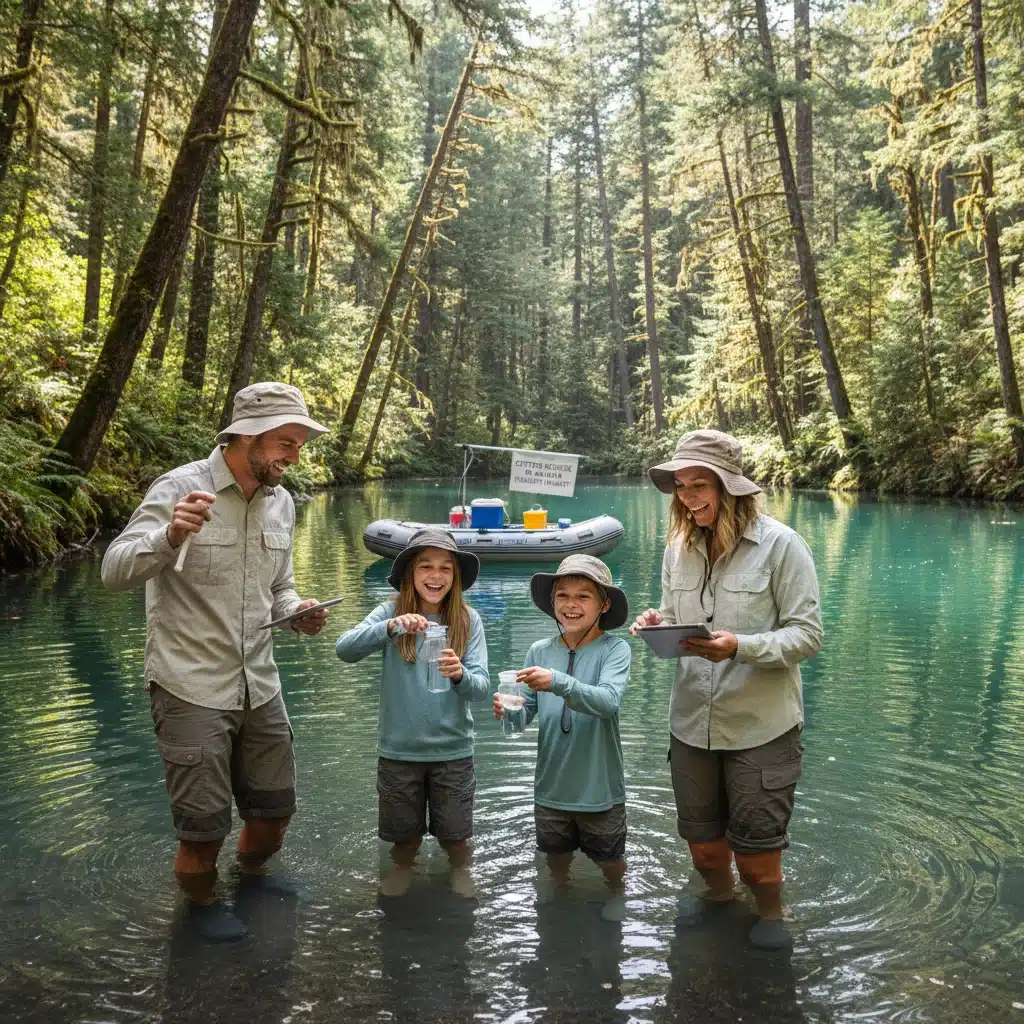
Eco-tourism, which focuses on responsible travel to natural areas that conserves the environment and improves the well-being of local people, is experiencing a significant surge. This includes everything from wildlife observation tours led by conservationists to stays in eco-lodges that actively contribute to local conservation efforts. Volunteer tourism, or ‘voluntourism,’ is also gaining traction, where travelers dedicate a portion of their trip to contributing to a cause, such as environmental restoration, community development, or animal welfare. These types of trips offer an unparalleled sense of purpose and fulfillment, embodying the core principles of experiential US travel.
Government agencies and tourism boards are also playing a crucial role in promoting sustainable practices. Many national parks and protected areas are implementing stricter guidelines for visitors and offering educational programs to foster environmental awareness. The industry as a whole is recognizing that sustainability is not just a moral imperative but also a business necessity, as travelers increasingly prioritize ethical choices. This collective effort is paving the way for a more responsible and rewarding future for experiential US travel.
Shift 3: Technology as an Enabler of Enhanced Experiences
The third significant shift is the pervasive integration of technology, not as a replacement for human interaction, but as a powerful enabler of enhanced and personalized travel experiences. From the initial planning stages to the in-destination activities and post-trip reflections, technology is transforming every aspect of experiential US travel. The pandemic accelerated digital adoption across all demographics, making travelers more comfortable and reliant on digital tools for seamless and enriched journeys.
Personalized Planning and Augmented Reality
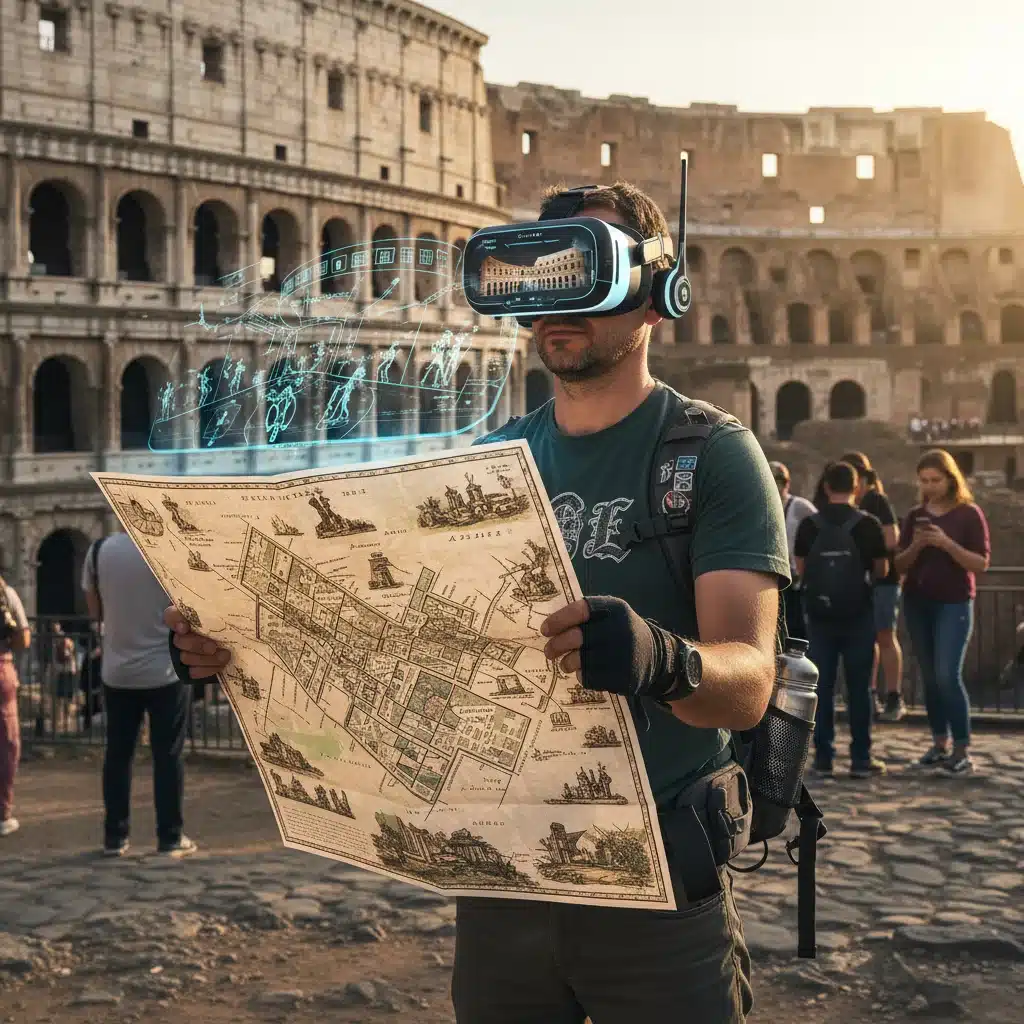
Artificial intelligence (AI) and machine learning are revolutionizing trip planning, offering hyper-personalized recommendations based on individual preferences, past travel history, and real-time data. Travelers can now use AI-powered platforms to discover unique off-the-beaten-path destinations, find local events that align with their interests, and even create dynamic itineraries that adapt to changing conditions. Virtual reality (VR) and augmented reality (AR) are also becoming increasingly sophisticated tools. While VR can offer immersive previews of destinations, helping travelers make informed decisions, AR can enhance the in-destination experience. Imagine using your smartphone to overlay historical facts onto a landmark, or to identify flora and fauna in a national park, enriching your understanding without disrupting the natural environment. These technologies are making experiential US travel more accessible and informative.
Seamless Navigation and Digital Storytelling
Beyond planning, technology is simplifying the logistics of travel. Mobile apps for navigation, translation, and contactless payments are now standard, streamlining the journey and allowing travelers to focus more on the experience itself. Wearable technology, such as smartwatches, can provide real-time updates, health monitoring, and even act as digital boarding passes, further enhancing convenience. Digital storytelling tools, including interactive maps, audio guides, and personalized video diaries, allow travelers to capture and share their experiential US travel adventures in richer, more engaging ways, inspiring others and preserving memories.
The Connected Traveler and Smart Destinations
The concept of ‘smart destinations’ is also gaining traction, where cities and regions leverage technology to improve visitor experiences, manage resources efficiently, and promote sustainable tourism. This includes smart transportation systems, real-time crowd monitoring, and interactive information kiosks. The connected traveler, equipped with an array of digital tools, can seamlessly navigate these smart environments, accessing information and services at their fingertips. This symbiotic relationship between technology and destination management is crucial for facilitating the kind of rich, immersive experiences that define modern experiential US travel.
It’s important to note that while technology enhances the experience, it doesn’t replace the core human desire for authentic connection. Instead, it acts as a bridge, enabling deeper engagement with culture, nature, and people, ultimately making experiential US travel more accessible, personalized, and impactful.
The Interplay of Shifts: A Holistic Approach to Experiential US Travel
These three shifts – the quest for authentic immersion, the embrace of sustainability, and the integration of technology – are not isolated phenomena. Rather, they are deeply interconnected, forming a holistic framework for the future of experiential US travel. A truly authentic experience often involves engaging with local communities in a way that is respectful and sustainable. Technology can facilitate both the discovery of these authentic opportunities and the adoption of more eco-friendly practices.
For instance, an app might connect a traveler with a local artisan for a craft workshop (authenticity), while also providing information on how to reach the workshop via public transport to reduce carbon emissions (sustainability). The artisan, in turn, might use digital platforms to showcase their work and reach a wider audience, contributing to their economic well-being and the preservation of cultural heritage. This synergy creates a virtuous cycle where each shift reinforces the others, leading to more meaningful and responsible journeys.
Challenges and Opportunities for the Travel Industry
For the travel industry, these shifts present both challenges and immense opportunities. Businesses that can adapt to these evolving demands by offering genuinely authentic, sustainably-minded, and technologically-enhanced experiences will thrive. This requires a move away from mass tourism models towards more bespoke, niche offerings. Investment in local partnerships, eco-certified practices, and innovative digital solutions will be key to success.
Moreover, educating travelers about responsible practices and the benefits of experiential US travel will be crucial. Transparent communication about sustainable initiatives and the positive impact of tourist dollars on local communities can build trust and loyalty. The industry must also ensure that technology is used ethically and inclusively, bridging digital divides rather than creating new ones.
Looking Ahead: The Future of Experiential US Travel in 2026 and Beyond
As we project forward to 2026, the trajectory of experiential US travel is clear. It will be characterized by a deeper sense of purpose, a greater appreciation for local cultures, and a stronger commitment to environmental and social responsibility. Travelers will increasingly seek out opportunities to learn, grow, and contribute positively during their journeys. The days of passive consumption are giving way to active engagement, where every trip is an opportunity for personal enrichment and global citizenship.
The United States, with its vast geographical diversity, rich cultural tapestry, and innovative spirit, is uniquely positioned to lead this charge. From immersive culinary adventures in New Orleans to indigenous cultural exchanges in the Southwest, from volunteer conservation efforts in national parks to tech-enhanced historical explorations in colonial cities, the possibilities for experiential US travel are boundless. The industry, from large corporations to small local businesses, must continue to innovate and collaborate to meet these evolving demands, ensuring that travel remains a force for good.
Ultimately, the evolution of US travel culture post-pandemic is a reflection of a broader societal shift towards mindfulness, connection, and responsibility. It’s a testament to our innate human desire to explore, to understand, and to belong, but now with a heightened awareness of our impact on the world around us. Embracing these shifts will not only lead to more fulfilling travel experiences but will also contribute to a more sustainable and interconnected future for all.