
The Evolving Family Unit: 4 US Demographic Shifts Redefining Household Structures by 2026
The concept of the ‘traditional family’ in the United States has been undergoing a profound transformation for decades. What once was largely defined by a married heterosexual couple with children is now a vibrant tapestry of diverse household arrangements. As we approach 2026, the pace of this evolution is not slowing down; in fact, several significant US demographic shifts are accelerating, reshaping the very fabric of American society. Understanding these changes is crucial for policymakers, businesses, and individuals alike, as they influence everything from housing markets and consumer spending to social support systems and community planning. This comprehensive analysis delves into four pivotal demographic shifts that are fundamentally redefining US family structures and household dynamics by 2026.
The American family, an institution often romanticized and idealized, is in a constant state of flux. Historical narratives often paint a picture of a monolithic family unit, but the reality has always been more complex. However, the last half-century, and particularly the last two decades, have seen an unprecedented diversification. Economic pressures, shifting social norms, technological advancements, and evolving individual aspirations have all played a role in this redefinition. Our focus here is not just on cataloging these changes but on understanding their implications and projecting their continued trajectory towards 2026. The interplay of these forces creates a dynamic environment where the ‘average’ American household is increasingly difficult to define, emphasizing the need for flexible and inclusive societal approaches. These US demographic shifts are not merely statistical anomalies; they represent fundamental changes in how Americans live, love, and form communities. Recognizing and adapting to these evolving US family demographics is paramount for a resilient and thriving society.
1. Delayed Marriage and Declining Marriage Rates: A New Life Course Trajectory
One of the most impactful US demographic shifts is the persistent trend of delayed marriage and, consequently, declining overall marriage rates. For generations, marriage was often viewed as a foundational rite of passage into adulthood. However, data unequivocally shows that younger generations are postponing marriage, or opting out of it entirely, at unprecedented rates. This shift has profound implications for household formation and the very definition of a family unit within US family demographics.
The Shifting Timeline of Adulthood
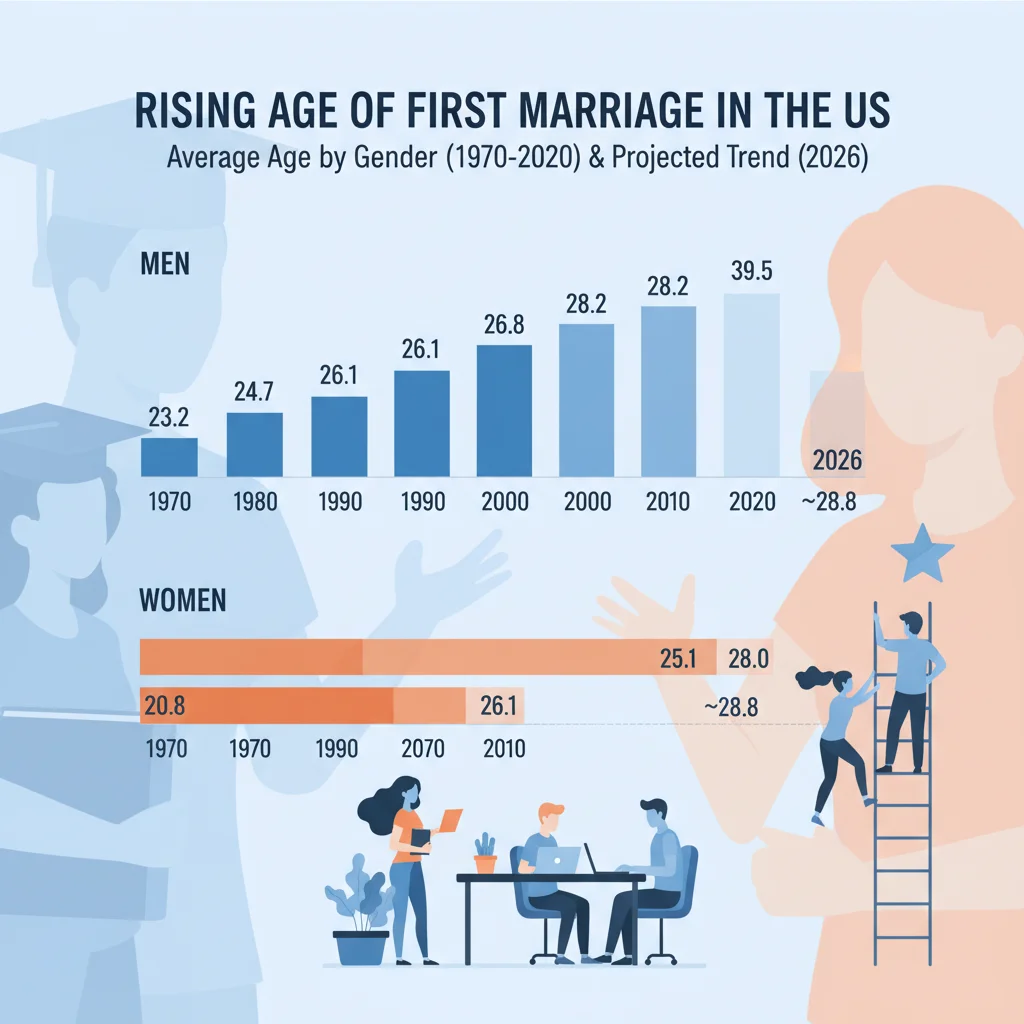
In the mid-20th century, the average age for a first marriage was in the early 20s. By 2023, the median age for first marriage in the U.S. had risen significantly, reaching approximately 30 for men and 28 for women. Projections for 2026 suggest this upward trend will continue, albeit perhaps at a slightly slower pace. Several factors contribute to this delay. Economically, young adults face higher student debt, a more competitive job market, and a higher cost of living, particularly housing. These financial pressures often lead individuals to prioritize career establishment and financial stability before considering marriage. The idea of being ‘financially ready’ for marriage and starting a family has become a significant hurdle for many. This economic reality is a powerful driver of current US family demographics.
Educational Attainment and Career Focus
Increased access to higher education for both men and women means more years spent in schooling, often followed by a period of career development. For women, in particular, educational and professional aspirations have expanded dramatically, offering pathways to independence and fulfillment that do not necessarily hinge on marriage or early childbearing. This pursuit of personal and professional goals often extends into what was traditionally considered prime marrying age, pushing back the timeline for marital commitment. The focus on individual achievement before partnership is a hallmark of these evolving US family demographics.
Changing Social Norms and Individualism
Societal expectations around marriage have also evolved. There’s less social pressure to marry young, and a greater acceptance of diverse life paths. Individualism, a core tenet of American culture, has strengthened, emphasizing personal growth, self-discovery, and the pursuit of individual happiness. For many, marriage is now seen as a capstone event, something to be entered into after significant personal development, rather than a starting point for adult life. This cultural shift directly influences the composition of US family structures.
Impact on Household Structures
The delay in marriage contributes to a rise in single-person households and cohabiting couples (discussed further below). It also means that when people do marry, they are often older, more established, and may have different expectations for their relationships and family life. This shift also impacts fertility rates, as later marriages often correlate with fewer children or delayed childbearing, further shaping the overall US demographic landscape. The ripple effect of delayed marriage is felt across numerous aspects of society, from consumer markets to social policy.
2. The Rise of Cohabitation as a Dominant Household Type
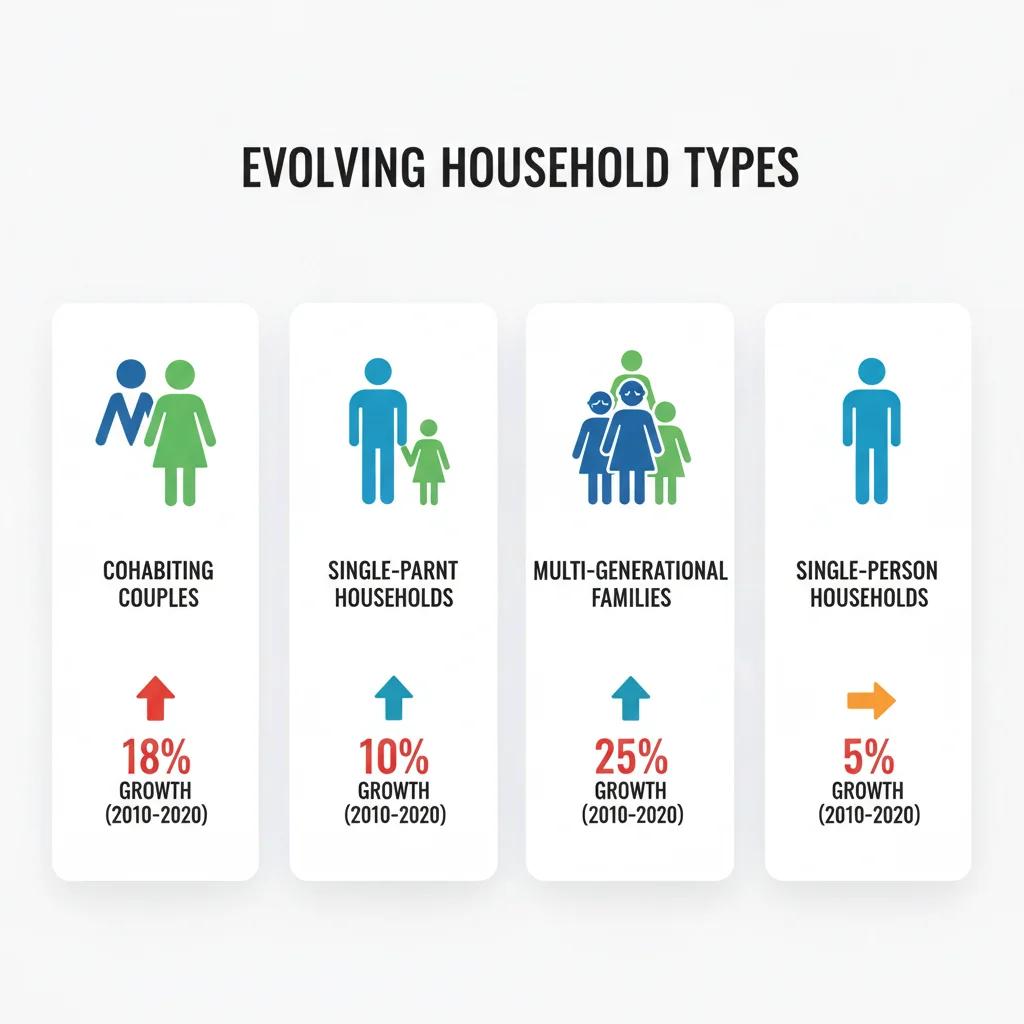
Hand-in-hand with delayed marriage is the dramatic increase in cohabitation. Living together without being married has become an increasingly common arrangement, particularly among younger adults, but also across various age groups. By 2026, cohabiting relationships are projected to continue their upward trajectory, solidifying their status as a significant component of US family demographics and household structures.
Cohabitation as a Precursor to Marriage
For many couples, cohabitation serves as a testing ground for marriage. It allows partners to evaluate compatibility, share financial responsibilities, and experience daily life together before making a lifelong commitment. This ‘trial marriage’ approach is seen by some as a pragmatic response to high divorce rates and the desire for greater certainty in a partner. It aligns with the increased caution and deliberateness observed in the delayed marriage trend. This trend is a clear indicator of evolving US family demographics.
Cohabitation as an Alternative to Marriage
However, for a growing number of individuals, cohabitation is not merely a step towards marriage but an alternative to it. Some couples choose to cohabit indefinitely, enjoying the benefits of shared living and partnership without the legal or social implications of marriage. This choice can be driven by a variety of factors, including previous negative experiences with marriage, financial disincentives (e.g., losing benefits or incurring tax penalties), or simply a philosophical preference for a less formal arrangement. This shift is particularly noticeable in the evolving US family structures.
Demographic Diversity of Cohabiting Couples
While often associated with young, unmarried individuals, cohabitation is increasingly prevalent across different demographic groups. Older adults, including those who are divorced or widowed, may choose cohabitation for companionship, shared expenses, and a less formal partnership in their later years. Single parents may also opt for cohabiting relationships, blending families without necessarily pursuing marriage. This diversity highlights the adaptability and broad appeal of cohabitation as a living arrangement within US family demographics.
Implications for Policy and Society
The rise of cohabitation presents challenges and opportunities for legal and social institutions. Laws originally designed around married couples (e.g., property rights, inheritance, healthcare benefits) often do not fully accommodate cohabiting partners, leading to potential complexities. As cohabitation becomes more common, there will be increasing pressure to adapt policies to reflect these evolving US family structures, ensuring equitable treatment and support for all household types. Understanding the dynamics of cohabitation is vital for addressing the needs of a changing society.
3. Diversification of Household Types Beyond the Nuclear Family
The nuclear family, while still present, no longer holds its singular dominance. By 2026, US family demographics will be characterized by an even greater diversification of household types, reflecting a broader acceptance of non-traditional arrangements and a response to various social and economic pressures. This shift moves beyond just marriage and cohabitation to encompass a wider spectrum of living situations.
Single-Parent Households
Single-parent households, whether headed by mothers or fathers, have become a well-established part of the American landscape. Factors contributing to this include higher rates of divorce, increased out-of-wedlock births, and choices by individuals to parent alone. These households often face unique economic and social challenges but also demonstrate remarkable resilience and adaptability. Support systems and policies must continue to evolve to meet the specific needs of these US family structures.
Multi-Generational Households
The multi-generational household, where three or more generations live under one roof, is experiencing a resurgence. This trend is driven by a combination of economic necessity (e.g., high housing costs, childcare expenses), cultural preferences (especially among immigrant communities), and caregiving needs (both for children and elderly parents). Grandparents may provide childcare, while adult children may offer support to aging parents. These households represent a powerful form of mutual aid and resource sharing, and their growth is a significant aspect of current US family demographics.
Single-Person Households
The number of people living alone is steadily increasing. This can be attributed to delayed marriage, longer lifespans, higher rates of divorce, and the desire for independence. While some individuals choose to live alone, others may do so out of necessity. The rise of single-person households impacts housing demand, social connection, and the need for community-based support networks. This is a crucial element in understanding the broader picture of US family demographics.
Blended Families and Chosen Families
Divorce and remarriage have led to a proliferation of blended families, where children from previous relationships come together under one roof. These families navigate complex dynamics and require unique approaches to integration and harmony. Furthermore, the concept of ‘chosen families’ – close-knit groups of friends or non-biological relatives who provide mutual support and companionship – is gaining recognition, particularly within LGBTQ+ communities and among individuals who may lack traditional family ties. These chosen families, while not always sharing a physical household, are increasingly vital social units that reflect the evolving nature of US family structures.
4. The Impact of an Aging Population on Household Composition
The United States, like many developed nations, is experiencing a significant demographic shift towards an older population. This aging trend, driven by increased life expectancy and lower birth rates, has profound implications for household composition and US family demographics by 2026 and beyond. The needs and living arrangements of older adults are increasingly shaping the overall picture of American households.
Increased Lifespans and Independent Living
Advances in healthcare and lifestyle improvements mean that more Americans are living longer, healthier lives. Many older adults desire to ‘age in place,’ remaining in their own homes and communities for as long as possible. This contributes to the growth of single-person households among seniors, as well as elderly couples living independently. The demand for services that support independent living, such as home healthcare, transportation, and accessible housing, will continue to grow as part of these US family demographics.
Caregiving Responsibilities and Multi-Generational Living
While many seniors live independently, the increasing number of very old individuals also means a greater need for caregiving. This often falls to adult children, leading to a rise in multi-generational households where adult children care for their aging parents. This arrangement provides mutual benefits but also presents challenges related to space, finances, and caregiver burden. The ‘sandwich generation’ – those simultaneously caring for their children and their parents – is a direct result of these shifting US family structures.
Later Life Cohabitation and Remarriage
As mentioned earlier, cohabitation is also becoming more common among older adults. After divorce or widowhood, many seniors seek companionship and shared living without the legal or financial entanglements of marriage. Remarriage in later life is also a trend, forming new blended families that may include adult children and grandchildren from previous relationships. These dynamics add further complexity to the analysis of US family demographics.
Economic and Social Implications
The aging population impacts various sectors. Healthcare systems face increased demand, retirement planning becomes more critical, and the workforce may see older individuals working longer. Socially, communities must adapt to the needs of a larger senior population, fostering intergenerational connections and providing accessible services. Understanding how an aging population influences household formation is vital for future planning and ensuring a supportive environment for all generations within the evolving US family demographics.
Conclusion: Navigating the New Landscape of US Family Demographics by 2026
The journey towards 2026 reveals a United States where the family unit is more diverse, fluid, and adaptable than ever before. The four US demographic shifts discussed – delayed marriage, the rise of cohabitation, the diversification of household types beyond the nuclear family, and the impact of an aging population – are not isolated phenomena but interconnected trends that collectively redefine what it means to be a family in America. These changes reflect a society grappling with economic realities, evolving social values, and individualistic aspirations, all contributing to the rich tapestry of US family structures.
Policymakers, community leaders, businesses, and individuals must recognize and respond to these profound transformations. Housing developments need to cater to single-person households, multi-generational families, and cohabiting couples, not just the traditional nuclear family. Workplace policies should accommodate diverse caregiving responsibilities, whether for children or aging parents. Healthcare systems require models that serve an older population and provide support for varied family structures. Educational institutions must prepare younger generations for a future where personal and professional paths are highly individualized and where family formation may occur later or take on non-traditional forms.
Embracing these evolving US family demographics means moving beyond outdated stereotypes and acknowledging the strength and resilience found in all forms of family and household arrangements. It requires a commitment to inclusivity, flexibility, and the development of support systems that genuinely meet the needs of a diverse populace. The American family is not disappearing; it is simply evolving, adapting, and expanding its definition. By understanding and proactively addressing these shifts, society can build a more supportive, equitable, and thriving environment for all its members as we move further into the 21st century.
The future of US family structures is one of continued diversification. As individuals make choices that best suit their lives, we will likely see even more innovative and varied forms of household composition emerge. The key lies in fostering an environment that supports these choices and recognizes the value that each unique family unit brings to the broader social fabric. The ongoing study and adaptation to these US demographic shifts will be essential for creating a truly inclusive and prosperous society.