Sustainable Lifestyle Trends 2026: Practical Solutions for a Greener America
Beyond the Hype: 5 Sustainable Lifestyle Trends Gaining Traction Across America in 2026 (Practical Solutions, Recent Updates)
The year 2026 is upon us, and with it, a renewed sense of urgency and innovation in the realm of sustainable living. What was once considered niche or experimental is now firmly embedding itself into the mainstream American consciousness. People are not just talking about sustainability; they are actively integrating it into their daily lives, demanding more from brands, and seeking practical solutions to reduce their environmental footprint. This shift isn’t merely a fleeting trend; it’s a fundamental recalibration of values, driven by growing environmental awareness, technological advancements, and a collective desire for a healthier planet. As we navigate the mid-2020s, several powerful sustainable lifestyle trends are emerging, offering tangible pathways toward a greener future. These are not just buzzwords; they represent significant shifts in consumer behavior, industry practices, and community initiatives, providing real-world applications for anyone looking to make a positive impact.
The landscape of sustainability is constantly evolving, with new research, innovative technologies, and a deeper understanding of ecological systems shaping our approach. In America, this evolution is particularly dynamic, reflecting a diverse population with varying needs and opportunities for sustainable integration. From bustling urban centers to rural communities, the push for more sustainable ways of living is manifesting in exciting and accessible forms. This article delves into five pivotal sustainable lifestyle trends that are not only gaining traction but also offering practical, actionable solutions for individuals and communities across the nation in 2026. We’ll explore the ‘what,’ the ‘why,’ and most importantly, the ‘how’ of these transformative trends, providing recent updates and insights to empower you on your sustainable journey.
1. The Rise of Hyper-Local & Regenerative Food Systems
Food production and consumption have a profound impact on the environment, from carbon emissions associated with transportation to land degradation from conventional farming. In 2026, one of the most significant sustainable lifestyle trends is the accelerated adoption of hyper-local and regenerative food systems. This trend moves beyond organic and embraces practices that actively restore ecosystems, enhance biodiversity, and strengthen local economies.
What is Hyper-Local & Regenerative?
- Hyper-Local: This involves sourcing food from within a very small geographical radius, often from community gardens, urban farms, or even personal indoor setups. The goal is to drastically reduce food miles, minimize packaging, and ensure maximum freshness.
- Regenerative Agriculture: Going beyond sustainable, regenerative practices aim to reverse environmental degradation. This includes techniques like no-till farming, cover cropping, crop rotation, and managed grazing, which improve soil health, sequester carbon, enhance water cycles, and foster biodiversity. It’s about working with nature, not against it.
Why is it Gaining Traction?
The COVID-19 pandemic highlighted vulnerabilities in global supply chains, leading many to seek more resilient, local food sources. Consumers are also increasingly aware of the environmental costs of industrial agriculture and are demanding food that is not only healthy for them but also for the planet. The tangible benefits of regenerative agriculture – improved soil, healthier food, and climate resilience – resonate deeply with this growing awareness. Furthermore, the rise of agritech, including vertical farming and hydroponics, makes hyper-local food production more accessible even in urban environments.
Practical Solutions & Recent Updates:
- Community-Supported Agriculture (CSAs): CSAs continue to thrive, connecting consumers directly with local farmers. Many CSAs in 2026 are specifically highlighting their regenerative farming practices, offering transparency and education to their members.
- Urban Farming Initiatives: Rooftop gardens, vertical farms in repurposed warehouses, and community plots are flourishing in major American cities. Technologies like AI-powered climate control and automated harvesting are making these operations more efficient and productive. Recent updates show a significant increase in municipal support for urban farming projects, recognizing their role in food security and green infrastructure.
- Home & Micro-Farming: The availability of affordable indoor gardening systems, from smart hydroponic units to compact mushroom growing kits, empowers individuals to grow a portion of their own food, reducing grocery trips and food waste.
- Consumer Demand for Regenerative Labels: Brands and retailers are responding to demand by clearly labeling products sourced from regenerative farms. Certifications like the Regenerative Organic Certified (ROC) are gaining wider recognition, helping consumers make informed choices.
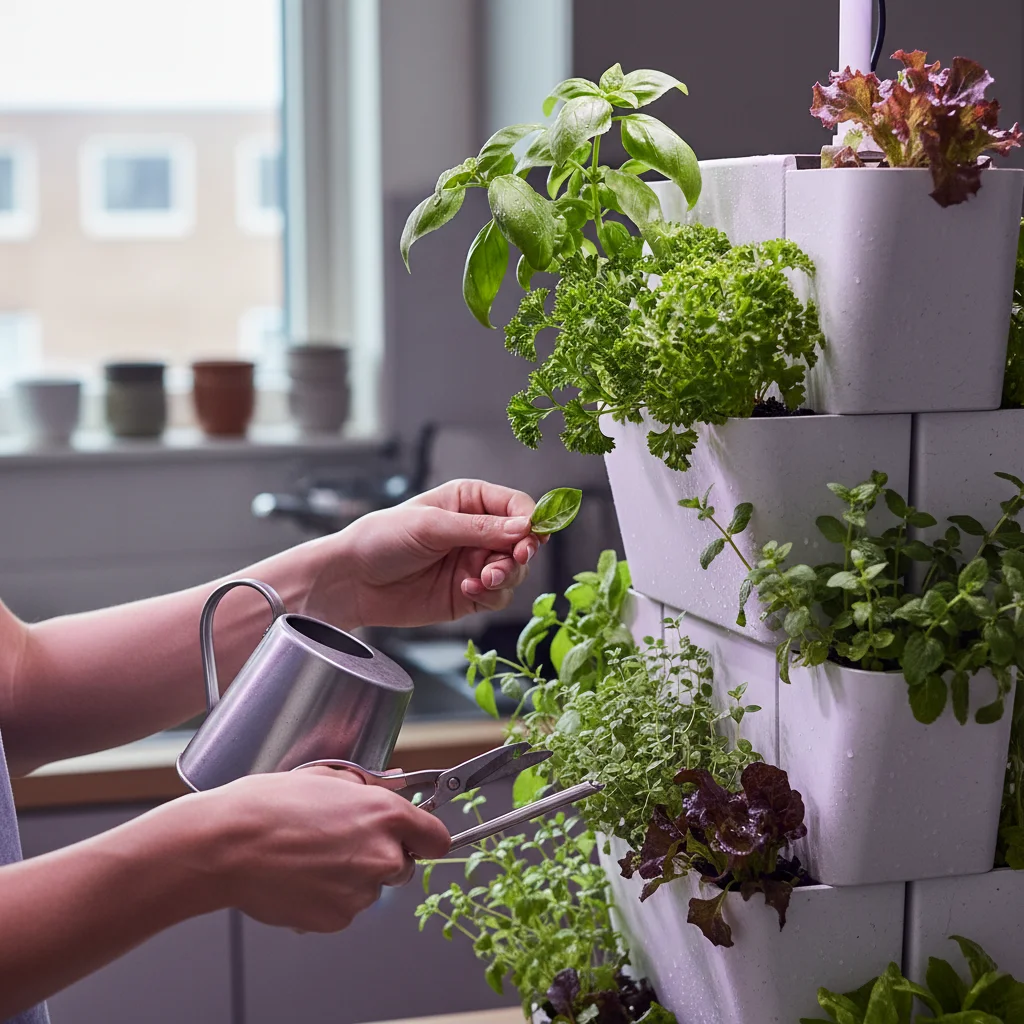
Embracing hyper-local and regenerative food systems is a powerful way to reduce your environmental impact, support local economies, and enjoy fresher, more nutritious food. It’s a core component of the broader sustainable lifestyle trends reshaping our relationship with food.
2. The Circular Economy Beyond Recycling: Repair, Reuse, & Upcycle
While recycling has been a cornerstone of environmental efforts for decades, 2026 sees a significant evolution towards a true circular economy. This sustainable lifestyle trend emphasizes keeping resources in use for as long as possible, extracting maximum value from them, and then recovering and regenerating products and materials at the end of their service life. It’s a systemic shift away from the linear ‘take-make-dispose’ model.
What is the Circular Economy?
The circular economy is built on three principles:
- Design out waste and pollution: Products are designed for durability, repairability, and recyclability from the outset.
- Keep products and materials in use: This involves repair, reuse, refurbishment, and remanufacturing.
- Regenerate natural systems: Focusing on renewable energy and materials, and returning biological materials to the earth in a healthy way.
Why is it Gaining Traction?
The limitations of traditional recycling, coupled with increasing landfill waste and resource depletion, have pushed the circular economy into the spotlight. Consumers are becoming more conscious of the lifecycle of products and the environmental and social costs associated with constant new production. The economic benefits, such as job creation in repair and refurbishment sectors, and resource efficiency for businesses, also contribute to its growing appeal. Furthermore, the desire for unique, personalized items has fueled the upcycling movement.
Practical Solutions & Recent Updates:
- Repair Cafes & Workshops: These community-led initiatives, where volunteers help people repair broken items (electronics, clothing, small appliances), have exploded in popularity. Many public libraries and community centers now host regular repair events, fostering skills and reducing waste.
- Subscription & Rental Models: Instead of owning, consumers are increasingly opting for subscription services for everything from tools and designer clothes to baby gear. This allows for multiple users to benefit from a single item, extending its lifespan. Companies like Rent the Runway and various tool rental services are expanding their offerings.
- Upcycling & Creative Reuse Centers: Beyond traditional thrift stores, dedicated upcycling hubs are emerging, offering materials for creative projects and workshops on transforming old items into new treasures. These centers are often supported by local grants and community funding.
- Manufacturer Take-Back Programs: More brands are implementing robust take-back and refurbishment programs for their products, particularly in electronics and apparel. They are finding economic value in recovering valuable components and materials, aligning with the core tenets of sustainable lifestyle trends.
- Digital Platforms for Exchange: Apps and websites facilitating the free exchange or sale of used goods (e.g., Facebook Marketplace, Buy Nothing groups) have become essential tools for extending product lifespans within communities.
Moving beyond simply recycling, the circular economy represents a holistic approach to consumption, empowering individuals to be part of a system that values longevity and resourcefulness. It’s a crucial element of the evolving sustainable lifestyle trends.
3. Mindful & Minimalist Consumption: Quality Over Quantity
In an age of endless choices and fast-paced consumerism, a powerful counter-movement rooted in mindful and minimalist consumption is gaining significant ground as a key sustainable lifestyle trend in 2026. This isn’t about deprivation but about intentionality – choosing fewer, higher-quality items that serve a purpose and bring joy, thereby reducing waste and overconsumption.
What is Mindful & Minimalist Consumption?
- Mindful Consumption: This involves being fully aware of the environmental, social, and ethical impacts of your purchasing decisions. It means asking questions like: Do I really need this? Where did it come from? Who made it? What’s its end-of-life plan?
- Minimalist Consumption: This takes mindful consumption a step further by actively reducing the number of possessions one owns, focusing on essential items that are well-made and long-lasting. It often leads to decluttered spaces and a clearer mind.
Why is it Gaining Traction?
The constant bombardment of advertising and the feeling of being overwhelmed by possessions have led many to seek simplicity and greater purpose. The environmental impact of producing, transporting, and disposing of countless goods is also a major motivator. Furthermore, the financial benefits of buying less and investing in durable items appeal to a broad demographic. The mental clarity and reduced stress associated with decluttering and intentional living are also significant drivers.
Practical Solutions & Recent Updates:
- Capsule Wardrobes: The concept of a capsule wardrobe – a limited collection of interchangeable clothing items that are versatile and well-coordinated – continues to be a popular strategy. Many online resources and personal stylists now specialize in helping individuals curate sustainable capsule wardrobes.
- “Buy Less, Choose Well, Make it Last” Mantra: This philosophy is becoming a guiding principle for many consumers. It encourages investing in durable, timeless pieces rather than succumbing to fast fashion or disposable trends. Brands that prioritize craftsmanship and longevity are seeing increased loyalty.
- Experience Economy Over Material Goods: There’s a growing preference for spending money on experiences (travel, concerts, workshops, dining) rather than accumulating material possessions. This shift reduces demand for new products and creates lasting memories.
- Digital Decluttering: Beyond physical possessions, mindful consumption extends to digital habits, encouraging people to reduce screen time, unsubscribe from unnecessary emails, and curate their online interactions for greater well-being.
- Conscious Consumer Guides & Apps: A proliferation of apps and websites helps consumers identify ethical and sustainable brands, providing ratings on environmental impact, labor practices, and transparency, making mindful choices easier than ever.
By embracing mindful and minimalist consumption, individuals can significantly reduce their environmental footprint, simplify their lives, and support businesses committed to ethical practices. This trend is not just about what you buy, but how you live, making it a powerful force among current sustainable lifestyle trends.
4. Eco-Conscious Travel & Local Adventures
The desire to explore the world is innate, but the environmental impact of travel, particularly air travel, has become a growing concern. In 2026, a prominent sustainable lifestyle trend is the shift towards eco-conscious travel, prioritizing lower-impact modes of transport, supporting local communities, and engaging in responsible tourism practices.
What is Eco-Conscious Travel?
- Lower-Impact Transportation: Opting for trains, buses, electric vehicles, or even cycling/walking over short-haul flights. When flying, choosing airlines with carbon offset programs and modern, fuel-efficient fleets.
- Supporting Local & Ethical Businesses: Choosing accommodations, restaurants, and tour operators that are locally owned, employ fair labor practices, and actively contribute to the well-being of the destination community.
- Minimizing Footprint While Traveling: This includes reducing waste, conserving water and energy, respecting local cultures and ecosystems, and leaving no trace.
- Local Adventures (Staycations): Rediscovering and exploring attractions closer to home, reducing the need for long-distance travel while still enjoying leisure and discovery.
Why is it Gaining Traction?
Increased awareness of climate change and the social impacts of mass tourism are major drivers. Travelers are seeking more authentic and meaningful experiences, moving away from overcrowded tourist traps. The rise of digital nomadism and remote work also allows for slower, more immersive travel experiences. Furthermore, the cost-effectiveness and reduced stress of local adventures appeal to many, making it a practical and enjoyable part of sustainable lifestyle trends.
Practical Solutions & Recent Updates:
- Carbon Offset Programs & Green Airlines: While not a perfect solution, many travelers are choosing to offset their flight emissions through certified programs. Airlines are also investing in sustainable aviation fuels (SAFs) and more efficient aircraft, with some offering transparency reports on their environmental performance.
- Train Travel Revival: Investment in high-speed rail and improved passenger train services across America is making train travel a more attractive and viable alternative to flying for many routes, offering scenic journeys with a lower carbon footprint.
- Eco-Tourism Certifications: A growing number of hotels, tour operators, and destinations are obtaining eco-certifications (e.g., LEED for hotels, Green Globe) signaling their commitment to sustainability. Travelers are actively seeking out these certified options.
- Community-Based Tourism: This model directly benefits local communities, often in rural or indigenous areas, by involving them in tourism development and ensuring that profits stay within the region. Platforms connecting travelers with these authentic experiences are gaining popularity.
- Digital Guides for Local Exploration: Apps and websites are making it easier to discover hidden gems, local producers, and sustainable businesses within one’s own region, encouraging ‘staycations’ and supporting local economies.

Eco-conscious travel is about enjoying the world responsibly, ensuring that our adventures contribute positively to both the planet and the people we encounter. It represents a significant shift in how Americans approach leisure and exploration, embodying a core aspect of evolving sustainable lifestyle trends.
5. Green Technology & Smart Home Integration
Technology, often seen as a driver of consumption, is increasingly being harnessed as a powerful tool for sustainability. In 2026, the integration of green technology and smart home solutions is a rapidly accelerating sustainable lifestyle trend, empowering individuals to reduce their energy consumption, manage resources efficiently, and live more comfortably with a smaller environmental footprint.
What is Green Technology & Smart Home Integration?
- Green Technology: This encompasses innovations designed to reduce human impact on the environment. Examples include renewable energy systems (solar, wind), energy-efficient appliances, electric vehicles, and advanced waste management solutions.
- Smart Home Integration: This refers to home automation systems that connect various devices and appliances, allowing for centralized control and optimization. When combined with green tech, smart homes can significantly enhance energy efficiency, water conservation, and overall resource management.
Why is it Gaining Traction?
The declining cost of renewable energy technologies, coupled with government incentives and a growing desire for energy independence, makes green tech more accessible. Consumers are also attracted to the convenience and cost savings offered by smart home systems, which can optimize energy use, automate tasks, and provide real-time data on consumption. The increased reliability and performance of these technologies further fuel their adoption, making them an integral part of modern sustainable lifestyle trends.
Practical Solutions & Recent Updates:
- Rooftop Solar & Battery Storage: Residential solar panel installations continue to surge, often coupled with home battery storage systems (e.g., Tesla Powerwall alternatives). This allows homeowners to store excess solar energy and reduce reliance on the grid, especially during peak hours or outages.
- Smart Thermostats & Energy Management Systems: Devices like Nest and Ecobee, now more advanced, learn household patterns and optimize heating and cooling, reducing energy waste. New systems integrate with local weather forecasts and utility pricing to maximize efficiency.
- Electric Vehicle (EV) Charging Infrastructure: The proliferation of home EV charging stations, often integrated with solar power, makes EV ownership more practical and environmentally friendly. Public charging networks are also expanding rapidly, supported by federal and state initiatives.
- Water-Saving Smart Appliances: Smart dishwashers and washing machines that detect load size and soil level to optimize water and detergent use are becoming standard. Smart irrigation systems that adjust watering schedules based on real-time weather data and soil moisture levels are also gaining popularity.
- Home Energy Audits & Retrofits: Government programs and private companies are making it easier and more affordable for homeowners to conduct energy audits and implement energy-saving retrofits, such as improved insulation, window upgrades, and smart lighting.
Green technology and smart home integration offer tangible ways to live more sustainably without sacrificing comfort or convenience. By embracing these innovations, individuals can significantly reduce their utility bills and environmental impact, solidifying their place among the leading sustainable lifestyle trends for 2026.
Conclusion: Embracing a Sustainable Future in America
The year 2026 marks a pivotal moment in America’s journey toward sustainability. The five sustainable lifestyle trends discussed – hyper-local & regenerative food systems, the circular economy, mindful & minimalist consumption, eco-conscious travel, and green technology & smart home integration – are not isolated phenomena. They are interconnected facets of a broader cultural shift, reflecting a growing collective commitment to environmental stewardship and a higher quality of life.
These trends demonstrate that sustainable living is no longer a fringe movement but a practical, accessible, and increasingly desirable way of life. From the food on our plates to the homes we inhabit, the clothes we wear to the places we explore, opportunities abound for every American to integrate more sustainable choices into their daily routines. The shift is being driven by both individual choices and systemic changes, with consumers demanding more ethical products and services, and industries responding with innovation and transparency.
While challenges remain, the momentum behind these sustainable lifestyle trends is undeniable. Government policies, technological advancements, and a heightened global awareness are all converging to create an environment where sustainable practices are not just preferred but becoming the norm. By actively participating in these trends, whether by supporting local regenerative farms, repairing rather than replacing, choosing experiences over possessions, traveling responsibly, or integrating smart green tech into our homes, we collectively contribute to a healthier, more resilient, and more equitable future for all.
Embracing these trends means making conscious decisions that align with our values. It means understanding that every small action contributes to a larger impact. As we move further into 2026 and beyond, these sustainable lifestyle trends will continue to evolve, offering new and exciting ways to live in harmony with our planet. The future of sustainable living in America is not just promising; it’s already here, waiting for us to fully embrace its potential.