Urban Living Future: Innovative Community Models for 2026
The urban landscape is in a constant state of flux, driven by technological advancements, environmental imperatives, and evolving social needs. As we look towards 2026 and beyond, the concept of urban living is being radically reimagined. The traditional model of isolated dwellings and disconnected neighborhoods is giving way to innovative urban community models that prioritize social cohesion, sustainability, and an enhanced quality of life. This shift is not merely about building more efficient cities; it’s about crafting environments where people can thrive, connect, and collaborate. The challenges of modern urban life – from loneliness and social fragmentation to environmental degradation and resource scarcity – demand creative solutions that go beyond conventional urban planning. These emerging models represent a proactive approach to building resilient, inclusive, and vibrant urban centers for the future. Understanding these trends is crucial for policymakers, urban developers, and citizens alike, as they collectively shape the cities of tomorrow. The integration of technology, ecological principles, and human-centric design is at the core of these transformative approaches, promising a more harmonious and sustainable urban existence. The focus on community is not just a buzzword; it’s a fundamental recognition that human well-being is intrinsically linked to our connections with others and our environment. As cities grow, so does the imperative to design them with intentionality, ensuring that growth fosters, rather than hinders, human flourishing. This exploration delves into the forefront of urban innovation, examining how pioneering designs are setting new standards for what it means to live in a city.
The quest for better urban living has never been more urgent. With global urbanization continuing at an unprecedented pace, cities are becoming home to an ever-increasing proportion of the world’s population. This rapid growth brings with it both opportunities and significant challenges. Issues such as affordable housing, efficient transportation, access to green spaces, and the maintenance of social fabric are paramount. The traditional urban planning paradigms often fall short in addressing these multifaceted problems holistically. This is where innovative urban community models step in, offering blueprints for cities that are not just places to live, but ecosystems designed for collective well-being. These models are characterized by their emphasis on shared resources, participatory governance, and ecological responsibility. They seek to create a sense of belonging and mutual support that is often lacking in sprawling, anonymous urban environments. By fostering stronger local connections, these communities aim to mitigate the negative effects of urbanization, such as social isolation and environmental strain. The future of urban living hinges on our ability to integrate these forward-thinking approaches into mainstream urban development. It’s about moving beyond mere infrastructure development to cultivate vibrant, interconnected human habitats. The goal is to build cities that are resilient to future challenges, adaptable to changing needs, and ultimately, more livable for everyone. This article will explore three such models that are gaining significant traction and are poised to redefine our understanding of urban life by 2026.
The Rise of Co-Housing and Collaborative Living Spaces
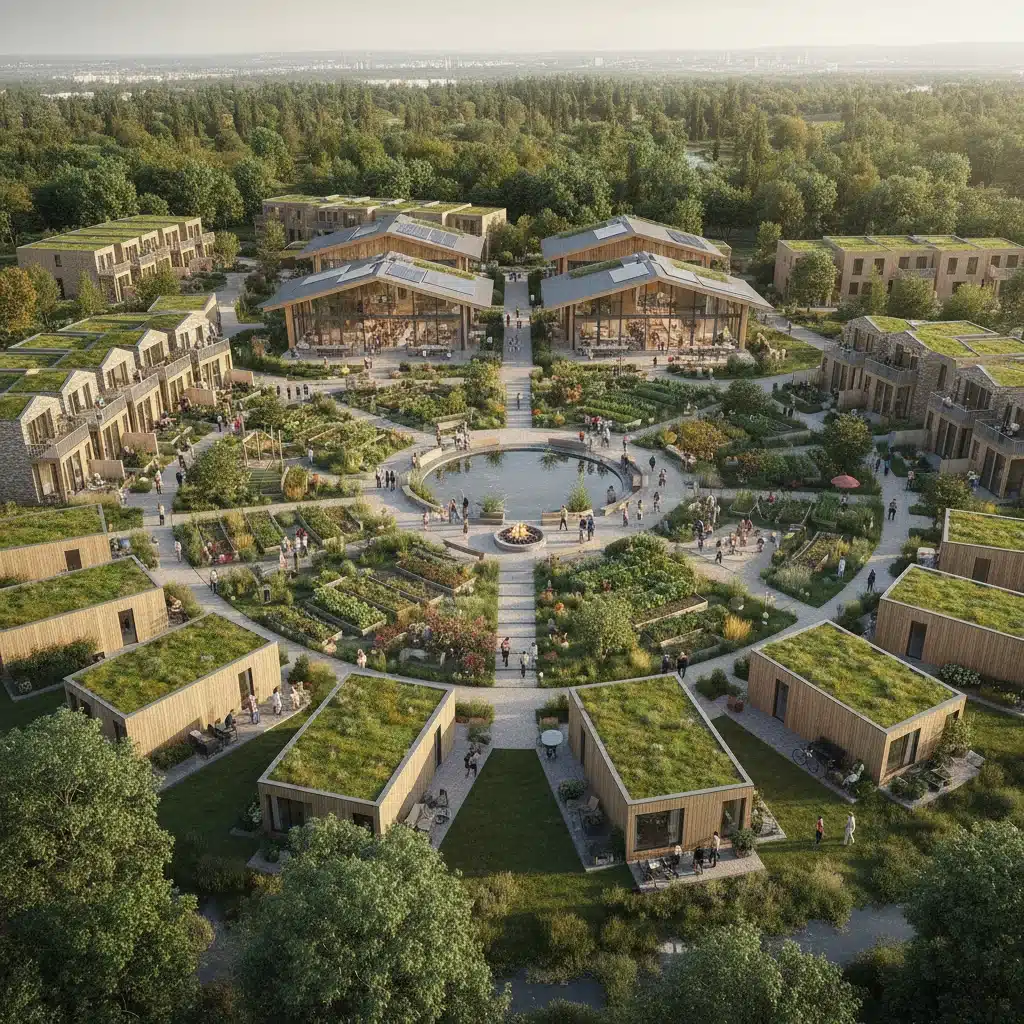
One of the most compelling trends shaping the future of urban community models is the resurgence and evolution of co-housing and collaborative living spaces. These models are designed to counteract the isolation often experienced in modern cities, fostering a strong sense of community and mutual support among residents. Co-housing, originating in Denmark, is a type of intentional community where residents actively participate in the design and operation of their neighborhood. It typically features private homes supplemented by extensive common facilities, such as a large kitchen and dining area, laundry rooms, recreational spaces, and workshops. The decision-making process is often democratic, with residents collectively managing their shared resources and activities. This collaborative approach leads to a more engaged and connected community, where neighbors know and support one another, sharing meals, childcare, and everyday tasks. The benefits extend beyond social interaction; co-housing can also offer more affordable living options by sharing costs and resources, making urban life accessible to a wider range of people. It’s a model that inherently promotes sustainability through shared infrastructure and reduced individual consumption, aligning with broader ecological goals.
Beyond traditional co-housing, the concept has expanded to include various forms of collaborative living, such as co-living spaces designed for young professionals, multi-generational communities, and even themed co-ops focused on specific interests or lifestyles. These modern interpretations often integrate smart home technology and flexible living arrangements to cater to contemporary urban dwellers. For instance, some co-living spaces offer fully furnished private rooms with shared kitchens, lounges, and workspaces, blending the convenience of a hotel with the community feel of a shared home. The emphasis is on creating environments that encourage interaction and collaboration, providing residents with both privacy and a built-in social network. This is particularly appealing in an era where remote work is becoming more prevalent, and the lines between work and home life are blurring. Collaborative living spaces can provide a ready-made community for newcomers to a city or for individuals seeking a more supportive and engaging living environment. They represent a significant departure from the anonymous apartment complexes that dominate many urban landscapes, offering a human-centric alternative that prioritizes connection and shared experience. As urban populations continue to grow, the demand for such integrated and supportive living arrangements is likely to intensify, positioning co-housing and collaborative living at the forefront of innovative urban community models.
The success of co-housing and collaborative living spaces hinges on several key factors, including effective governance structures, a shared vision among residents, and well-designed common areas that facilitate interaction. These communities often require a higher degree of participation from their residents compared to conventional housing, which can be both a benefit and a challenge. However, for those seeking a more engaged and communal lifestyle, the rewards are significant. Studies have shown that residents in co-housing communities often report higher levels of satisfaction, social support, and overall well-being. They also tend to have a smaller ecological footprint due to shared resources and a culture of reuse and reduction. The model is not without its complexities, requiring careful planning, mediation skills, and a commitment from all members to make it work. Yet, as urban areas grapple with issues of affordability, loneliness, and sustainability, the principles embedded in co-housing and collaborative living offer a powerful antidote. They represent a conscious effort to build intentional neighborhoods where community is not just a byproduct, but the central design principle. By 2026, we can expect to see these models becoming more mainstream, with developers and city planners recognizing their potential to create more resilient and harmonious urban environments. The adaptability of these models, from intergenerational co-housing to specialized co-living hubs, demonstrates their potential to cater to diverse demographics and needs within the urban fabric, making them a cornerstone of future urban development strategies.
The Emergence of 15-Minute Cities and Hyper-Local Ecosystems
Another transformative concept gaining immense traction in urban planning is the “15-minute city,” which envisions a metropolis where all essential services and amenities are accessible within a 15-minute walk or bike ride from one’s home. This paradigm shift aims to reduce reliance on cars, promote active transportation, enhance local economies, and foster stronger community ties. The core idea behind the 15-minute city is to decentralize urban functions, creating a network of self-sufficient neighborhoods, or “hyper-local ecosystems,” within a larger metropolitan area. This means residents can easily access their workplace, schools, healthcare facilities, grocery stores, parks, cultural venues, and recreational opportunities without extensive travel. The benefits are multifold: reduced traffic congestion and pollution, improved public health through increased walking and cycling, stronger local businesses, and a greater sense of belonging as people spend more time in their immediate neighborhoods. It’s a radical reimagining of urban design that prioritizes human scale and local connectivity over sprawling, car-dependent development.
The implementation of 15-minute cities requires a significant rethinking of zoning laws, urban infrastructure, and public space design. It involves creating mixed-use developments that integrate residential, commercial, and recreational functions within close proximity. Public spaces, such as parks, plazas, and community centers, become crucial focal points for social interaction and community building. Furthermore, efficient and accessible public transportation networks remain vital to connect these hyper-local ecosystems, ensuring that residents can still access city-wide amenities when needed. Paris, under Mayor Anne Hidalgo, has been a leading proponent of the 15-minute city concept, implementing policies to transform streets, create green spaces, and encourage local commerce. Other cities worldwide are quickly adopting similar strategies, recognizing the potential for more sustainable, equitable, and livable urban environments. By bringing daily necessities closer to people, this model reduces commuting times, frees up personal time, and minimizes environmental impact, contributing significantly to urban sustainability goals. It fundamentally changes the rhythm of urban life, promoting a more balanced and localized existence that contrasts sharply with the often-stressful pace of traditional large cities.
The success of 15-minute cities relies heavily on community engagement and participatory planning. For these hyper-local ecosystems to truly thrive, they must reflect the unique needs and desires of their residents. This involves extensive public consultation to identify essential services, design appropriate public spaces, and foster a sense of ownership among community members. Technology also plays a crucial role, from smart urban planning tools that analyze accessibility and resource distribution to digital platforms that facilitate local commerce and community communication. The concept also addresses social equity by aiming to ensure that all neighborhoods, regardless of socioeconomic status, have access to essential services. This can help to reduce urban disparities and create more inclusive cities. While the transition to a 15-minute city model presents challenges, such as overcoming existing urban sprawl and reconfiguring infrastructure, the long-term benefits in terms of environmental sustainability, public health, and social cohesion are immense. By 2026, we anticipate seeing more cities actively pursuing this model, transforming vast metropolitan areas into a mosaic of vibrant, walkable, and self-sufficient neighborhoods, thereby redefining the very essence of urban living and creating more resilient urban community models for the future. This approach is not just about convenience; it’s about fundamentally improving the quality of urban life by putting people and their immediate needs at the center of urban design.
The Integration of Smart City Technologies and Eco-Districts
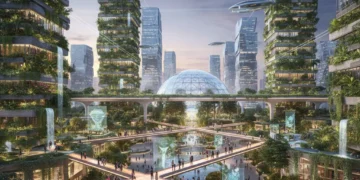
The third innovative model revolutionizing urban living involves the sophisticated integration of smart city technologies within eco-districts. Eco-districts are geographically defined areas committed to achieving high standards of sustainability and livability through integrated planning and community action. When combined with smart city technologies, these districts become highly efficient, data-driven, and environmentally conscious urban environments. Smart city technologies encompass a wide range of innovations, including IoT sensors, AI-powered analytics, smart grids, intelligent transportation systems, and advanced waste management solutions. In an eco-district context, these technologies are deployed to optimize resource consumption, improve air quality, manage energy efficiently, enhance public safety, and streamline urban services. For example, smart sensors can monitor energy usage in buildings, adjust street lighting based on pedestrian traffic, and provide real-time data on air and water quality, allowing for immediate interventions and continuous improvement. This data-driven approach enables cities to operate more efficiently, reduce their ecological footprint, and provide a higher quality of life for residents.
The synergy between smart city technologies and eco-districts creates a powerful framework for sustainable urban development. Eco-districts typically focus on several key performance areas: energy, water, waste, transportation, habitat and ecosystem, health and well-being, and equitable development. Smart technologies can significantly enhance performance in each of these areas. Smart grids, for instance, can integrate renewable energy sources like solar and wind power, optimizing energy distribution and reducing reliance on fossil fuels. Smart waste management systems can use sensors to monitor bin levels, optimizing collection routes and reducing operational costs and emissions. Intelligent transportation systems can ease congestion, promote public transit usage, and facilitate the adoption of electric vehicles. Beyond environmental benefits, smart eco-districts can also improve social well-being. Digital platforms can facilitate community engagement, allow residents to report issues, and provide access to local services and information. Smart public safety measures, such as intelligent surveillance and emergency response systems, contribute to a safer urban environment. These integrated systems create a living laboratory where sustainable practices are not just encouraged but are seamlessly woven into the fabric of daily urban life.
One of the most promising aspects of smart eco-districts is their potential for continuous improvement and adaptability. The constant flow of data allows urban planners and community managers to identify inefficiencies, predict future needs, and make evidence-based decisions. This iterative process ensures that these urban community models remain at the cutting edge of sustainability and livability. Challenges include ensuring data privacy and security, addressing digital divides to ensure equitable access to technology, and managing the initial investment costs. However, the long-term benefits in terms of environmental resilience, economic efficiency, and enhanced quality of life often outweigh these initial hurdles. Cities like Singapore, Copenhagen, and Barcelona are already leading the way in integrating smart technologies into their urban planning, demonstrating the tangible benefits of this approach. By 2026, we anticipate seeing a proliferation of smart eco-districts globally, as cities increasingly recognize the imperative to build resilient, resource-efficient, and technologically advanced urban environments. These districts represent the pinnacle of modern urban planning, combining ecological wisdom with technological innovation to create truly future-proof urban communities.
The Interplay and Evolution of These Urban Community Models
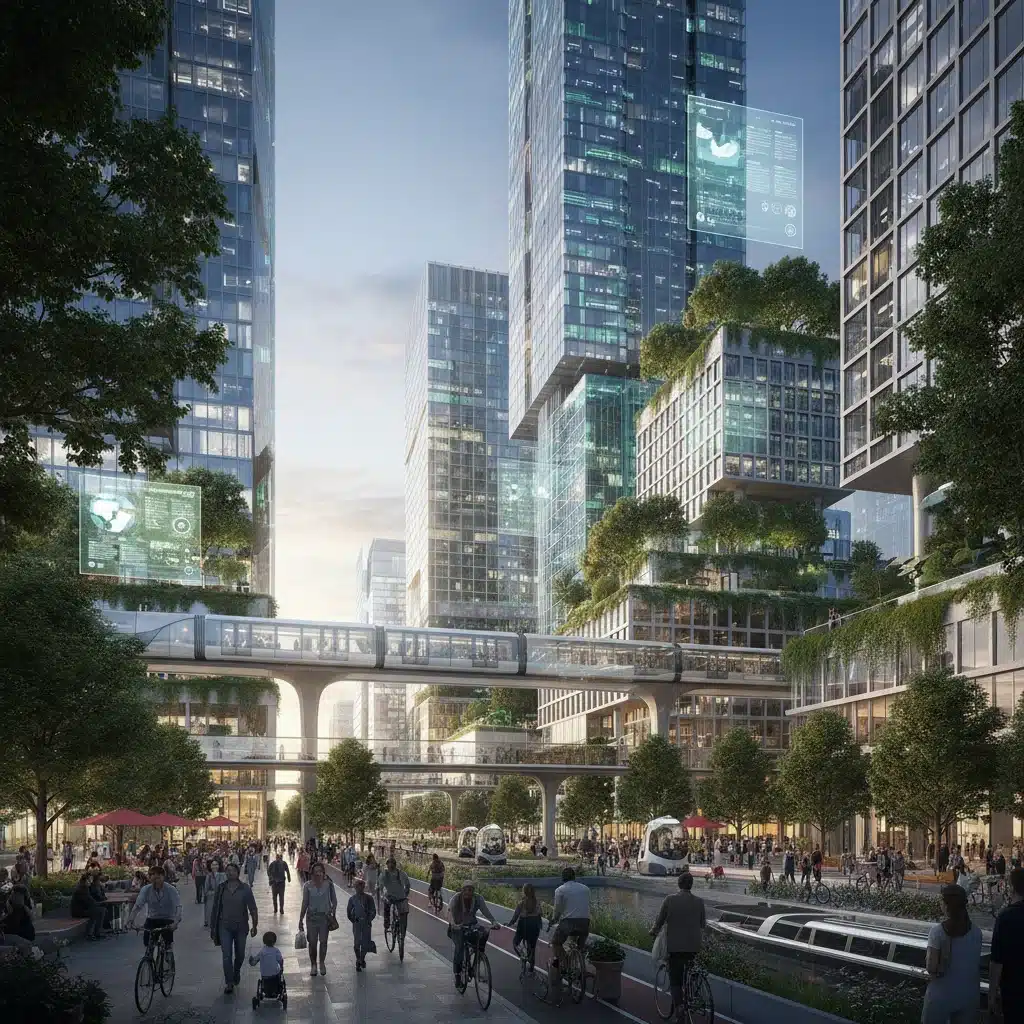
While presented as distinct concepts, the beauty of these innovative urban community models – co-housing/collaborative living, 15-minute cities, and smart eco-districts – lies in their potential for synergistic integration. Imagine a 15-minute city where each hyper-local ecosystem features several co-housing developments, all managed with smart city technologies to optimize energy, waste, and community resources. In such a scenario, residents would not only have all their daily needs met within a short walk or bike ride but would also benefit from strong social bonds fostered by collaborative living arrangements, all within an environmentally optimized and technologically advanced neighborhood. This holistic approach represents the ultimate vision for future urban living, where sustainability, social cohesion, and technological efficiency are not treated as separate goals but as interconnected pillars of a thriving urban environment.
The evolution of these models is not static; they are constantly adapting to new challenges and opportunities. For instance, the rise of remote work has further amplified the need for localized services and strong community ties, making the 15-minute city concept even more relevant. Similarly, smart technologies are continually advancing, offering new tools for managing shared resources in co-housing or optimizing the ecological footprint of an eco-district. As climate change pressures intensify, the imperative to build resilient and sustainable cities becomes paramount, driving further innovation in these areas. The focus will increasingly be on creating circular economies within these communities, where waste is minimized, resources are reused, and local production is prioritized. This involves integrating urban agriculture, water harvesting, and localized energy generation into the fabric of these neighborhoods, further enhancing their self-sufficiency and environmental performance.
Furthermore, the human element remains central to the success of all these models. Technology and design are tools, but it is the active participation, collaboration, and shared vision of residents that truly bring these communities to life. Urban planners and developers are increasingly recognizing the importance of co-creation, involving future residents in the design and decision-making processes to ensure that communities genuinely meet their needs and aspirations. This participatory approach fosters a sense of ownership and belonging, which is crucial for the long-term success and vibrancy of any community. The future of urban community models is therefore not just about smart infrastructure or clever layouts; it is about cultivating environments that nurture human connection, promote well-being, and respect the planet. By embracing these integrated and human-centric approaches, cities can evolve into places where residents not only live but truly thrive, building a more sustainable and equitable urban future for generations to come. The journey towards these ideal urban landscapes is ongoing, but the innovative models discussed here provide a clear and exciting path forward.
Conclusion: Shaping the Future of Urban Living
The future of urban living, as envisioned through these three innovative urban community models, is one of profound transformation. We are moving away from the disconnected, often isolating, urban environments of the past towards integrated, sustainable, and human-centric cities. Co-housing and collaborative living spaces are addressing the fundamental human need for connection and belonging, offering supportive communities that share resources and responsibilities. The 15-minute city concept is revolutionizing urban accessibility, promoting healthier lifestyles, local economies, and a reduced environmental footprint by bringing essential services within easy reach. Finally, the integration of smart city technologies within eco-districts is creating highly efficient, data-driven, and environmentally conscious urban environments that optimize resource use and enhance overall quality of life. These models are not just theoretical constructs; they are being implemented and refined in cities across the globe, demonstrating tangible benefits and setting new benchmarks for urban development.
As we approach 2026, the convergence and evolution of these models will continue to shape our urban landscapes. The most successful cities will likely be those that strategically combine elements from each, creating hybrid communities that are both technologically advanced and deeply rooted in social connection and ecological responsibility. The challenges of rapid urbanization, climate change, and social equity demand nothing less than this kind of forward-thinking innovation. For urban planners, policymakers, developers, and citizens, understanding and embracing these trends is crucial. It requires a collaborative effort to rethink traditional approaches, invest in sustainable infrastructure, and foster participatory processes that empower communities. The goal is to build cities that are not just functional, but truly livable – places where people can thrive, connect with their neighbors, enjoy green spaces, and contribute to a sustainable future. The journey towards these ideal urban environments is complex, but the emerging urban community models provide a compelling roadmap for creating cities that are resilient, equitable, and vibrant for generations to come. The time to build these future cities is now, and the innovative models discussed here offer the blueprint for a better urban tomorrow.