American Art Movements Global Traction 2026: Emerging Trends & Analysis
From Local to Global: How 3 Emerging American Art Movements Are Gaining International Traction by 2026
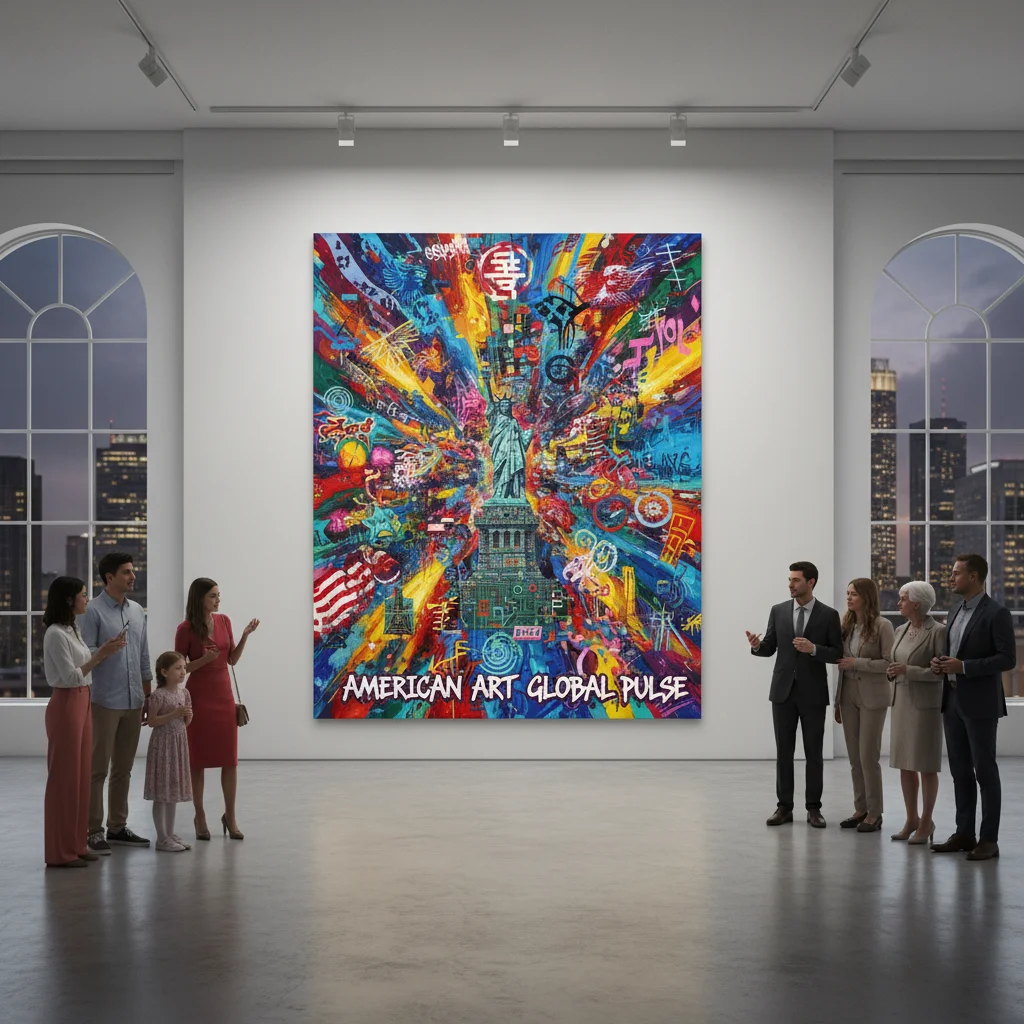
The landscape of contemporary art is in constant flux, a vibrant tapestry woven with new ideas, innovative techniques, and evolving cultural narratives. While European art has historically dominated the global stage, American art has consistently pushed boundaries, often incubating movements that eventually resonate worldwide. As we approach 2026, a fascinating shift is underway: several distinct American art movements, once regional or niche, are now capturing significant international attention. This article delves into three such emerging American art movements, examining their unique characteristics, recent updates, and the factors propelling their global traction. We will provide a comparative analysis to understand what makes these particular movements stand out and why they are poised for even greater international recognition.
The Rise of Algorithmic Expressionism: Art in the Age of AI
One of the most compelling and rapidly evolving American art movements is Algorithmic Expressionism. This movement, born from the intersection of artificial intelligence, data science, and traditional artistic principles, challenges our understanding of authorship, creativity, and the very definition of art. While AI-generated art has existed for some time, Algorithmic Expressionism distinguishes itself by focusing on the artist’s intentional manipulation of algorithms and datasets to express complex emotions, social commentary, or philosophical inquiries, rather than simply generating aesthetic outputs. It’s not just about what the AI creates, but how the artist guides and shapes that creation to convey a specific human experience.
Defining Algorithmic Expressionism
At its core, Algorithmic Expressionism uses algorithms as a brush and data as its pigment. Artists in this movement often develop custom algorithms or adapt existing ones, feeding them curated datasets (which can include images, texts, sounds, or even sensor data) to produce visual or auditory works. The ‘expressionism’ comes from the artist’s deliberate choice of inputs, parameters, and iterative refinements, which imbue the final piece with their unique perspective and emotional resonance. It’s a dialogue between human intent and machine execution, resulting in works that often possess a haunting beauty, an unsettling familiarity, or a profound commentary on the digital age.
Recent Updates and Key Figures
In the past year, Algorithmic Expressionism has seen a surge in institutional recognition. Major galleries in New York, London, and Berlin have hosted dedicated exhibitions, with works fetching impressive prices at auction. Artists like Vera Quantum, known for her ‘Data Portraits’ that visualize societal biases, and Alex Cypher, whose ‘Neural Landscapes’ explore the subconscious through generative adversarial networks (GANs), are gaining significant critical acclaim. The development of more accessible AI art tools has also democratized the movement, allowing a wider range of artists to experiment, although the masters of Algorithmic Expressionism are still those who deeply understand both the artistic and technical nuances.
A recent milestone was the inclusion of Algorithmic Expressionist works in the Venice Biennale’s experimental section, marking a clear signal of its acceptance into the global art canon. Furthermore, collaborations between Algorithmic Expressionists and musicians, architects, and even scientists are blurring disciplinary lines, creating immersive, multi-sensory experiences that captivate international audiences.
Drivers of Global Traction for American Art Global
The global appeal of Algorithmic Expressionism lies in several factors. Firstly, its inherent connection to technology makes it universally relevant in an increasingly digital world. Secondly, the movement often tackles themes of identity, surveillance, and the human-machine relationship, which resonate across cultures. Thirdly, the visual output, while sometimes abstract, often possesses a mesmerizing quality that transcends language barriers. Finally, the novelty and intellectual rigor associated with creating art via algorithms attract a sophisticated international collector base interested in cutting-edge innovation and the future of art. This engagement with contemporary technological discourse positions Algorithmic Expressionism as a truly global phenomenon, ready for further expansion by 2026.
The Neo-Narrative Realism Movement: Storytelling in a Fragmented World
Another powerful American art movement making waves globally is Neo-Narrative Realism. This movement represents a resurgence of figuration and storytelling in art, but with a distinctly contemporary twist. Unlike traditional realism, Neo-Narrative Realism doesn’t just depict reality; it constructs intricate, often ambiguous narratives within its compositions, inviting viewers to actively engage in deciphering meaning. These works often blend hyper-realist techniques with surreal or allegorical elements, creating scenes that feel both familiar and profoundly unsettling. The emphasis is on conveying a sense of story, emotion, and psychological depth, often reflecting on current social, political, and personal anxieties.
Characteristics of Neo-Narrative Realism
Artists within this movement typically employ meticulous detail, vibrant color palettes, and dramatic lighting to create compelling visual narratives. Their subjects are often ordinary people in extraordinary or contemplative situations, or fantastical elements seamlessly integrated into mundane settings. What sets Neo-Narrative Realism apart is its deliberate open-endedness; while a story is clearly present, the artist rarely provides a definitive resolution, encouraging individual interpretation. This participatory aspect draws viewers into a deeper, more personal engagement with the artwork, fostering a sense of shared human experience despite cultural differences.
Recent Updates and Prominent Artists
Over the past two years, Neo-Narrative Realism has seen a significant boost in international exhibitions, particularly in European and Asian markets. Galleries in Paris, Tokyo, and Seoul have been particularly receptive, drawn to the movement’s ability to communicate complex ideas through universally understood visual language. Artists such as Clara Vance, renowned for her large-scale canvases depicting poignant domestic scenes infused with magical realism, and David Thorne, whose sculptural installations tell multi-layered stories of urban decay and rebirth, are leading the charge. Their works have been featured in prestigious art fairs like Art Basel Miami Beach and Frieze London, attracting a diverse international clientele.
The increasing popularity of graphic novels and cinematic storytelling has also created a fertile ground for Neo-Narrative Realism. Many artists in this movement draw inspiration from these mediums, translating their narrative power into static imagery. This cross-pollination of influences ensures a broad appeal, making the movement highly accessible and engaging for a global audience.
Environmental Art Futurism: Reimagining Our Planet
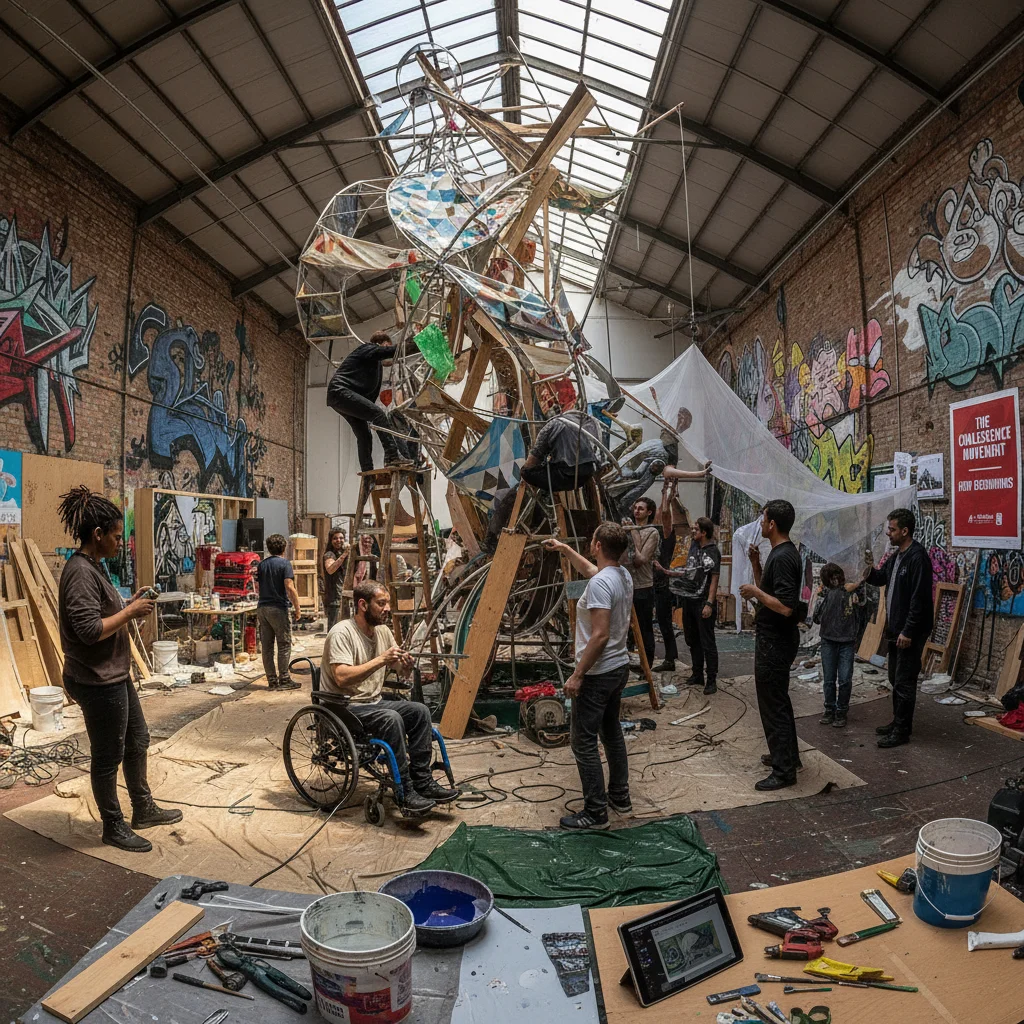
The third American art movement gaining substantial international traction is Environmental Art Futurism. This movement is a direct response to the escalating climate crisis and the urgent need for sustainable futures. Unlike traditional environmental art, which often focuses on documenting ecological damage or creating art from natural materials, Environmental Art Futurism actively proposes imaginative, often utopian or dystopian, visions of humanity’s relationship with nature in the future. It uses art as a tool for speculative design, critical commentary, and inspiring action, often employing advanced technologies, bio-art, and interactive installations.
Core Tenets of Environmental Art Futurism
Artists in this movement envision future ecosystems, sustainable urban planning, or post-apocalyptic landscapes. They utilize a wide array of mediums, from digital projections and virtual reality experiences that simulate future environments, to bio-luminescent installations powered by algae, and sculptural pieces crafted from recycled electronic waste. The aim is not just to raise awareness, but to provoke thought about potential solutions, ethical responsibilities, and the long-term consequences of human actions. It’s a movement deeply rooted in scientific understanding but expressed through artistic creativity, making complex environmental issues relatable and emotionally impactful.
Recent Developments and Influential Practitioners
Environmental Art Futurism has seen remarkable growth, particularly in countries highly affected by climate change or those at the forefront of green technology. Exhibitions focusing on this movement have been particularly popular in Scandinavia, parts of Southeast Asia, and coastal cities globally. Artists such as Dr. Elara Green, a bio-artist whose living sculptures integrate genetically modified organisms to clean pollutants, and Kai Zenith, known for his immersive VR experiences that transport viewers into speculative future ecologies, are at the forefront. Their work has been featured in science museums, environmental summits, and major art institutions, bridging the gap between art and scientific discourse.
Partnerships with environmental organizations, scientific research institutes, and even governmental bodies have become common, providing Environmental Art Futurists with resources and platforms to reach a wider audience. The urgency of its message, combined with its innovative artistic approaches, positions this movement as a vital voice in the global conversation about our shared future. By 2026, we anticipate even greater integration of these artists’ works into public spaces and policy discussions, further solidifying its international relevance.
Comparative Analysis: What Drives Their Global Appeal?
While distinct in their approaches, Algorithmic Expressionism, Neo-Narrative Realism, and Environmental Art Futurism share common threads that contribute to their burgeoning global American Art Global traction. Each movement, in its own way, addresses contemporary anxieties and aspirations, making them universally resonant.
- Algorithmic Expressionism speaks to our relationship with technology, the definition of humanity in an AI-driven world, and the aesthetics of data. Its global appeal stems from the universal impact of technology and the intellectual curiosity it provokes. It’s an art form that is inherently global, as algorithms and data know no borders.
- Neo-Narrative Realism taps into the timeless human need for stories, connection, and understanding complex emotions. Its strength lies in its ability to communicate nuanced human experiences through compelling visuals, transcending linguistic and cultural barriers. The ambiguity it presents invites global audiences to bring their own experiences to the interpretation, fostering a deep, personal connection.
- Environmental Art Futurism confronts the most pressing global challenge of our time: climate change. Its power lies in its ability to visualize potential futures, both dire and hopeful, thereby inspiring action and fostering a sense of shared responsibility. This movement resonates deeply with a global consciousness increasingly aware of ecological fragility and the interconnectedness of our planet.
Furthermore, all three movements often utilize or are influenced by digital platforms for creation, distribution, and exhibition, making them highly accessible to an international audience. Social media, online galleries, and virtual exhibitions have played a crucial role in amplifying their reach far beyond traditional art world centers. This digital native approach is a significant accelerator for their global recognition.
Challenges and Opportunities for American Art Global
Despite their growing international presence, these American art movements face challenges. The art market’s inherent conservatism can be slow to fully embrace radically new forms, particularly for Algorithmic Expressionism which challenges traditional notions of artistic authenticity. Neo-Narrative Realism, while more accessible, must continuously innovate to avoid becoming repetitive. Environmental Art Futurism, while urgent, risks being perceived as purely didactic rather than artistic if not executed with profound aesthetic and conceptual rigor.
However, the opportunities far outweigh the challenges. The increasing interconnectedness of the world, coupled with a hunger for fresh artistic perspectives, provides a fertile ground for these movements. International collaborations, cross-cultural dialogues, and the continued integration of technology will further propel their global reach. As collectors and institutions seek out art that reflects the complexities of the 21st century, these American movements are perfectly positioned to fill that demand.
The Future Landscape: Predictions for 2026 and Beyond
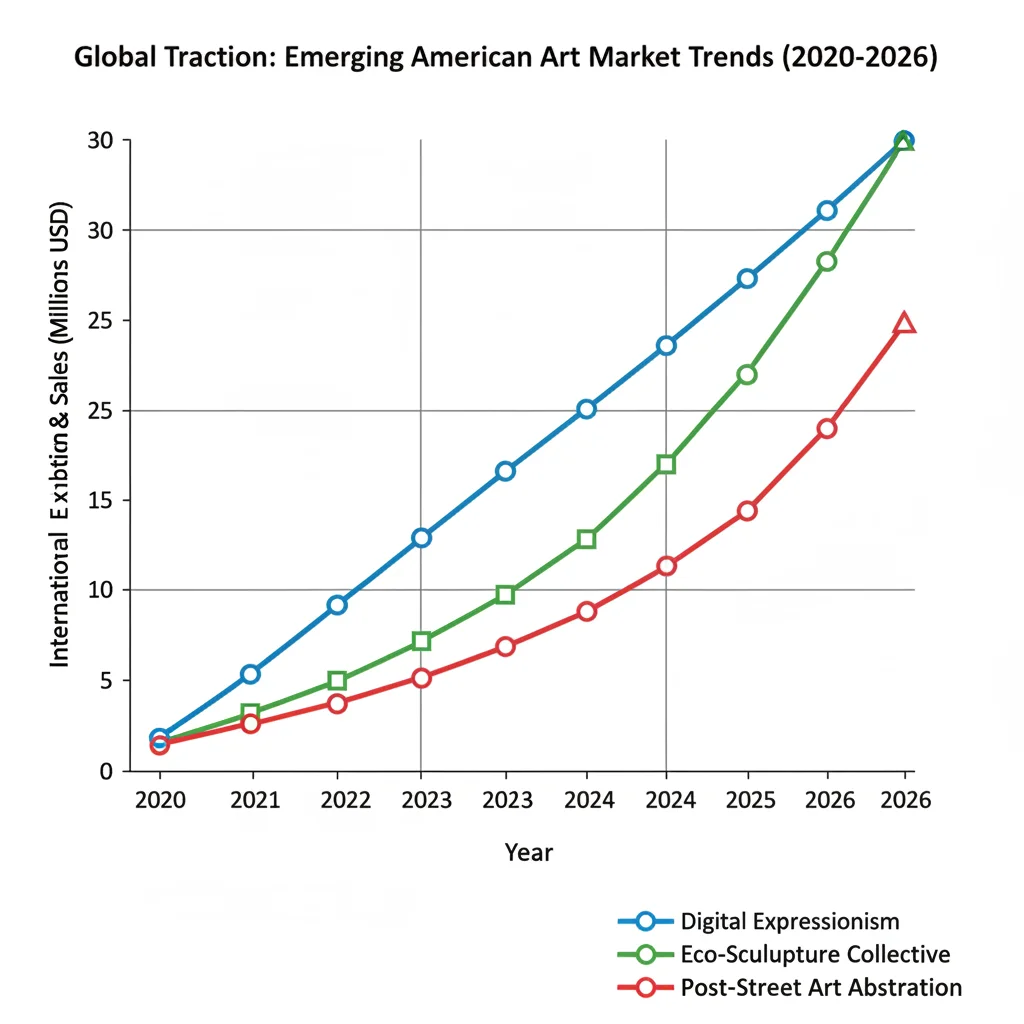
By 2026, we anticipate that Algorithmic Expressionism will be firmly established in major international art fairs and museums, with dedicated academic programs emerging to study its theoretical and practical aspects. The market for high-quality Algorithmic Expressionist works will mature, attracting a broader range of collectors beyond tech enthusiasts. The ethical considerations surrounding AI art, particularly concerning intellectual property and bias, will also become more central to critical discourse, further solidifying its importance.
Neo-Narrative Realism is expected to continue its upward trajectory, potentially influencing other artistic disciplines such as film, theater, and literature. Its ability to convey universal human stories will ensure its enduring appeal, with more artists adopting its techniques to explore contemporary narratives. We might see a greater emphasis on interactive narratives within the artworks themselves, allowing viewers an even deeper immersion into the constructed realities.
Environmental Art Futurism will likely become an even more prominent voice in global dialogues about sustainability and climate action. Its integration into public spaces, urban planning initiatives, and educational programs will increase dramatically. The movement could foster new forms of public engagement with environmental issues, moving beyond awareness to active participation and co-creation of sustainable futures. Its collaborative nature, often involving scientists and engineers, will also lead to groundbreaking interdisciplinary projects.
Conclusion: American Art Global Influence Undeniable
The journey from local inspiration to global recognition is a testament to the power of artistic innovation and the ability of art to reflect and shape our world. Algorithmic Expressionism, Neo-Narrative Realism, and Environmental Art Futurism represent the vanguard of American art, each offering unique perspectives on the challenges and opportunities of the 21st century. Their growing international traction by 2026 is not merely a trend but a reflection of their profound relevance to a global audience. As these movements continue to evolve, they will undoubtedly leave an indelible mark on the international art scene, solidifying America’s role as a vital incubator of groundbreaking artistic expression. The future of American Art Global is bright, diverse, and deeply interconnected with the global human experience.
The continuous dialogue between artists, technology, society, and the environment ensures that these movements will remain dynamic and influential. Their capacity to engage, provoke, and inspire across borders is their greatest strength, promising an exciting and transformative period for American art on the world stage.