Workplace Mental Health: Top 5 Innovative Programs for U.S. Companies in 2026

Workplace Mental Health: Top 5 Innovative Programs U.S. Companies are Adopting to Support Employees in 2026
In an increasingly demanding and interconnected world, the significance of workplace mental health cannot be overstated. As we navigate the complexities of modern professional life, U.S. companies are recognizing that a healthy workforce is not just about physical well-being, but crucially, about mental and emotional resilience. The year 2026 is poised to be a landmark year for corporate wellness, with innovative programs emerging that redefine how organizations support their employees’ mental health.
The landscape of work has shifted dramatically over the past decade. The advent of remote work, hybrid models, and the constant pressure to perform have collectively contributed to a rise in work-related stress, burnout, and mental health challenges. A recent study by the American Psychological Association indicated that 77% of workers have experienced work-related stress in the past month, with a significant portion reporting symptoms of anxiety and depression. This isn’t just a personal issue; it has profound implications for productivity, employee retention, and overall organizational success. Companies are realizing that investing in workplace mental health is not merely a philanthropic endeavor, but a strategic imperative that directly impacts their bottom line and long-term sustainability.
Forward-thinking U.S. companies are moving beyond traditional Employee Assistance Programs (EAPs) to embrace more holistic, proactive, and technologically advanced solutions. These new approaches are designed to destigmatize mental health discussions, provide accessible and personalized support, and embed well-being into the very fabric of company culture. From AI-powered mental wellness platforms to comprehensive resilience training, the programs of 2026 reflect a deeper understanding of human psychology and the unique pressures faced by today’s workforce. This article will delve into five of the most innovative workplace mental health programs that U.S. companies are adopting, offering a glimpse into the future of employee support and well-being.
The goal is clear: to foster environments where employees feel safe, supported, and empowered to thrive, both professionally and personally. By prioritizing workplace mental health, companies are not only fulfilling their ethical responsibilities but also cultivating a more engaged, productive, and loyal workforce. Let’s explore these groundbreaking initiatives that are setting new standards for corporate care.
1. AI-Powered Personalized Mental Wellness Platforms
The integration of Artificial Intelligence (AI) into workplace mental health initiatives is revolutionizing how employees access and receive support. Gone are the days of one-size-fits-all solutions. In 2026, U.S. companies are increasingly deploying AI-powered personalized mental wellness platforms that offer tailored interventions based on individual needs, preferences, and data-driven insights. These platforms leverage machine learning algorithms to analyze user input, identify patterns, and recommend relevant resources, exercises, and professional support.
How They Work:
- Personalized Assessments: Employees begin with confidential assessments that gauge their current mental state, stress levels, and specific challenges (e.g., anxiety, burnout, sleep issues).
- Customized Content Delivery: Based on the assessment, the AI curates a personalized library of resources, including guided meditations, cognitive behavioral therapy (CBT) exercises, mindfulness practices, and educational articles.
- Proactive Support and Nudges: The platforms can proactively suggest interventions or check-ins based on identified risk factors or changes in user behavior (e.g., if an employee reports consistently high stress levels).
- Integration with Wearable Tech: Some advanced platforms integrate with wearable devices to monitor physiological indicators of stress, such as heart rate variability and sleep patterns, offering a more comprehensive view of well-being.
- Anonymous Data Insights for HR: While individual data remains confidential, aggregated and anonymized data provides HR departments with valuable insights into the overall mental health trends within the company, allowing for more strategic program development.
Benefits for Workplace Mental Health:
These platforms offer unparalleled scalability and accessibility, providing support 24/7. They reduce the stigma often associated with seeking mental health help by offering a private and non-judgmental entry point. For employees, it means getting the right support at the right time, customized to their unique journey. For companies, it translates into a more resilient workforce, reduced absenteeism, and improved overall job satisfaction. The ability to track progress and adapt interventions makes these AI-driven solutions incredibly effective in fostering sustainable positive change in workplace mental health.
2. Comprehensive Resilience and Stress Management Training
Beyond simply reacting to mental health crises, leading U.S. companies in 2026 are focusing on building proactive resilience among their employees. Comprehensive resilience and stress management training programs are becoming a cornerstone of effective workplace mental health strategies. These programs are designed to equip employees with practical tools and techniques to cope with stress, manage adversity, and maintain emotional well-being in high-pressure environments.
Key Components:
- Mindfulness and Meditation Workshops: Regular sessions (both in-person and virtual) to teach mindfulness techniques, helping employees stay present, reduce rumination, and enhance emotional regulation.
- Cognitive Behavioral Techniques (CBT) for Stress: Training on identifying and reframing negative thought patterns that contribute to stress and anxiety, empowering employees to challenge unhelpful beliefs.
- Emotional Intelligence Development: Workshops focused on understanding and managing one’s own emotions, as well as recognizing and influencing the emotions of others, crucial for effective team collaboration and leadership.
- Time Management and Boundary Setting: Practical skills training to help employees manage their workload effectively, prioritize tasks, and establish healthy work-life boundaries to prevent burnout.
- Physical Well-being Integration: Connecting physical activity, nutrition, and sleep hygiene to mental resilience, often including access to fitness programs or expert advice.

Impact on Workplace Mental Health:
These training programs empower employees to take an active role in their own mental well-being. By fostering resilience, companies are creating a workforce that is better equipped to navigate challenges, adapt to change, and recover from setbacks. This leads to reduced stress-related illnesses, improved decision-making, and a more positive and productive work environment. Furthermore, when employees feel equipped to handle stress, it contributes to a culture of self-care and mutual support, profoundly impacting overall workplace mental health.
3. Enhanced Manager Training for Mental Health First Aid
Managers play a pivotal role in shaping the daily experiences of their teams, and their ability to recognize and respond to mental health concerns is critical. In 2026, progressive U.S. companies are investing heavily in enhanced manager training programs that go beyond basic leadership skills to include Mental Health First Aid (MHFA) and empathetic communication techniques. This initiative transforms managers into frontline supporters, capable of identifying early signs of distress, initiating supportive conversations, and guiding employees to appropriate resources.
Training Focus Areas:
- Recognizing Warning Signs: Educating managers on common indicators of mental health challenges, such as changes in behavior, mood, performance, or communication styles.
- Empathetic Communication: Developing skills for active listening, non-judgmental questioning, and creating a safe space for employees to discuss their concerns without fear of reprisal.
- Mental Health First Aid (MHFA): Providing certified training that teaches managers how to offer initial help to someone experiencing a mental health problem or crisis, similar to how physical first aid is administered.
- Resource Navigation: Ensuring managers are fully aware of all available internal and external mental health resources (EAPs, therapy services, support groups) and can effectively signpost employees to them.
- Boundary Setting and Self-Care for Managers: Recognizing that supporting others can be emotionally taxing, these programs also include training for managers on maintaining their own mental well-being.
Advantages for Workplace Mental Health:
By empowering managers with these skills, companies create a more supportive and responsive organizational culture. Employees are more likely to seek help when they feel their direct supervisor understands and cares. This proactive approach helps prevent mental health issues from escalating, reduces presenteeism (being at work but not productive due to mental health issues), and fosters a sense of psychological safety. Ultimately, robust manager training is a cornerstone of a truly effective workplace mental health strategy, ensuring that support is integrated into the daily operational fabric.
4. Flexible Work Models and Autonomy-Boosting Initiatives
The traditional 9-to-5, in-office model is increasingly being challenged by evidence suggesting that flexibility and autonomy are powerful determinants of employee well-being. In 2026, U.S. companies are not just offering flexible work as a perk but are embedding it as a core component of their workplace mental health strategy. This includes hybrid work models, asynchronous work options, and increased employee control over their schedules and work processes.
Key Initiatives:
- Hybrid Work Frameworks: Structuring work weeks that allow employees to split their time between home and office, offering the benefits of both environments.
- Asynchronous Work Policies: Encouraging teams to communicate and collaborate in ways that don’t require immediate, synchronous responses, reducing the pressure of constant availability and allowing for deeper focus.
- Results-Oriented Work Environments (ROWE): Shifting focus from hours worked to outcomes achieved, giving employees greater control over when and how they complete their tasks.
- Unlimited or Generous Paid Time Off (PTO): Recognizing the importance of rest and rejuvenation, companies are offering more flexible and ample PTO policies, encouraging employees to take necessary breaks without guilt.
- “Meeting-Free” Days/Blocks: Implementing policies that designate specific days or blocks of time as meeting-free, allowing employees uninterrupted time for deep work and reducing meeting fatigue.
Benefits for Workplace Mental Health:
Increased flexibility and autonomy directly combat common stressors like work-life imbalance, long commutes, and feeling a lack of control. Employees who feel trusted and empowered to manage their own time report higher job satisfaction, lower stress levels, and reduced rates of burnout. This leads to a more engaged and motivated workforce, demonstrating that structural changes to work design are just as crucial as direct support programs for fostering positive workplace mental health.
5. Integrated Digital Therapeutics and Telehealth for Mental Health
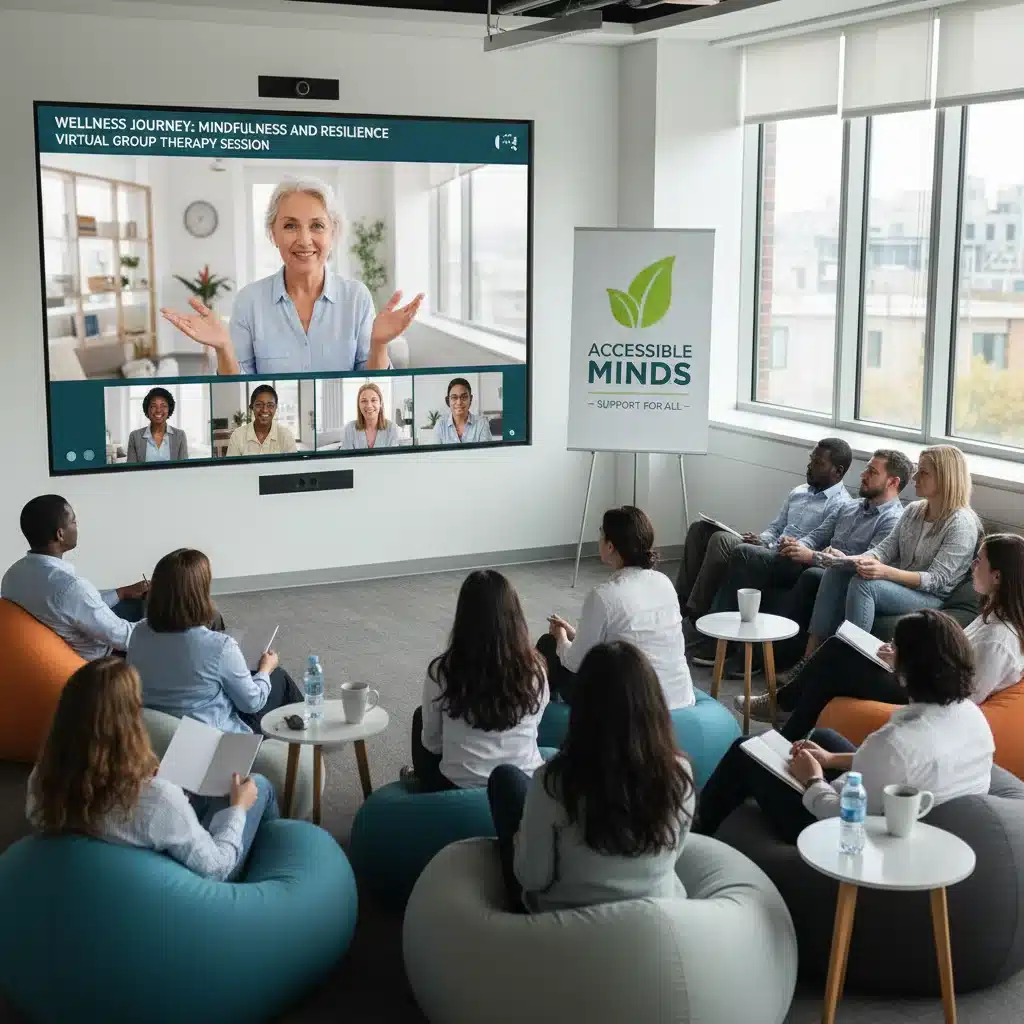
The accessibility and effectiveness of mental health support are being dramatically enhanced by the rise of integrated digital therapeutics (DTx) and telehealth services. In 2026, U.S. companies are moving beyond basic telehealth for physical ailments to offer comprehensive digital mental health solutions that provide immediate, confidential, and evidence-based care to their employees, often as part of their benefits package.
What They Offer:
- On-Demand Therapy and Counseling: Access to licensed therapists and counselors via video calls, phone, or secure messaging, eliminating geographical barriers and reducing wait times.
- Digital Therapeutics (DTx) Applications: Prescription-grade software programs that deliver clinically validated therapeutic interventions for conditions like anxiety, depression, insomnia, and PTSD, often complementing traditional therapy.
- Psychiatry and Medication Management: Virtual consultations with psychiatrists for diagnosis, medication prescriptions, and ongoing management, making specialized care more accessible.
- Peer Support Networks: Online platforms that connect employees with shared experiences, fostering a sense of community and mutual support, moderated by mental health professionals.
- Crisis Support Integration: Seamless integration with emergency mental health services for immediate intervention in crisis situations.
Impact on Workplace Mental Health:
These integrated digital solutions remove significant barriers to accessing mental healthcare, including cost, stigma, and logistical challenges. Employees can receive professional support from the privacy and comfort of their own homes, at times that suit their schedules. This leads to earlier intervention, better adherence to treatment, and improved outcomes for individuals struggling with mental health conditions. For companies, it means a healthier, more present workforce and a clear demonstration of their commitment to employee well-being, solidifying workplace mental health as a top priority.
The Future of Workplace Mental Health: A Holistic Approach
The year 2026 marks a pivotal moment in the evolution of workplace mental health. The five innovative programs discussed—AI-powered platforms, comprehensive resilience training, enhanced manager support, flexible work models, and integrated digital therapeutics—are not isolated initiatives. Rather, they represent a holistic, multi-faceted approach to fostering psychological well-being within organizations. The most successful companies will be those that integrate these elements into a cohesive strategy, recognizing that mental health is interwoven with every aspect of the employee experience.
The benefits extend far beyond individual employees. A strong commitment to workplace mental health translates into numerous organizational advantages:
- Increased Productivity and Performance: Mentally healthy employees are more focused, creative, and engaged, leading to higher quality work and better outcomes.
- Reduced Absenteeism and Presenteeism: Addressing mental health challenges proactively can significantly decrease sick days and improve employees’ ability to perform effectively while at work.
- Higher Employee Retention: Companies that prioritize well-being are more attractive to top talent and experience lower turnover rates, saving on recruitment and training costs.
- Enhanced Company Culture: A supportive environment fosters trust, psychological safety, and a sense of belonging, which are crucial for team cohesion and innovation.
- Improved Employer Brand: Organizations known for their commitment to employee well-being gain a competitive edge in the talent market and build a positive reputation.
As U.S. companies look towards 2026 and beyond, the focus on workplace mental health will only intensify. The challenges of the modern world demand innovative, empathetic, and technologically advanced solutions. By embracing these cutting-edge programs, businesses are not just investing in their employees; they are investing in their own resilience, sustainability, and future success. The era of comprehensive, proactive, and personalized mental health support in the workplace has truly arrived, setting a new standard for corporate responsibility and employee care.
The shift from reactive crisis management to proactive well-being cultivation is a testament to a growing understanding that human capital is an organization’s most valuable asset. Companies that lead in this space will not only see a healthier, happier workforce but will also emerge as leaders in their respective industries, demonstrating that compassion and profitability are not mutually exclusive but deeply interconnected. The future of work is undeniably tied to the future of workplace mental health.