
Understanding the ‘Quiet Quitting’ Phenomenon: A 2026 Cultural Analysis of American Workforce Trends
In the ever-evolving landscape of the American workforce, new trends emerge, reflect, and reshape our understanding of work, commitment, and professional identity. Among the most talked-about phenomena in recent years, and certainly one that has cemented its place in the 2026 lexicon, is ‘quiet quitting’. Far from a literal resignation, quiet quitting describes a fundamental shift in employee-employer dynamics, where individuals prioritize personal well-being and boundaries over exceeding job expectations. This isn’t about laziness or a lack of ambition; it’s a strategic withdrawal from the relentless pursuit of ‘going above and beyond’ without proportional reward or recognition. As we delve into this 2026 cultural analysis, we aim to unpack the nuances of quiet quitting, exploring its origins, its pervasive presence in the American workforce, and its profound implications for the future of work.
The concept of quiet quitting has been a slow burn, gaining traction as a direct response to several converging factors: the lingering effects of the COVID-19 pandemic, a re-evaluation of work-life balance, increasing awareness of mental health, and a growing skepticism towards traditional corporate loyalty. In 2026, it’s no longer a fringe movement but a significant undercurrent shaping how millions of Americans approach their careers. For employers, understanding and adapting to this trend is paramount; ignoring it could lead to disengaged teams, reduced productivity, and a struggle to retain top talent. For employees, quiet quitting represents a reclaiming of personal time and energy, a boundary-setting exercise in a world that often demands constant connection and over-performance.
This article will provide an insider’s look into the quiet quitting analysis, examining its various manifestations across different industries and demographics. We will explore the psychological underpinnings of this phenomenon, considering how burnout, disillusionment, and a desire for greater autonomy contribute to its rise. Furthermore, we will compare and contrast the perspectives of both employees and employers, highlighting the disconnects that often fuel quiet quitting and the potential pathways to bridge these gaps. Our goal is to offer a comprehensive, data-driven, and culturally sensitive examination of quiet quitting, providing valuable insights for anyone navigating the complexities of the modern American workplace in 2026.
What is Quiet Quitting? A 2026 Redefinition
At its core, quiet quitting is not about ceasing work altogether; rather, it’s about doing the bare minimum required by one’s job description, without volunteering for extra tasks, staying late, or investing emotional energy beyond what is strictly necessary. It’s a silent rebellion against the culture of hustle and the expectation of perpetual over-performance that characterized much of the 21st-century American corporate environment. In 2026, this definition has solidified, moving beyond a fleeting trend to a recognized, albeit often unspoken, workplace strategy.
The Nuances of the Phenomenon
The term ‘quiet quitting’ itself can be misleading. It doesn’t imply idleness or shirking responsibilities. Instead, it signifies a conscious decision by an employee to adhere strictly to their job’s defined duties and hours, refusing to engage in unpaid overtime, take on additional projects that fall outside their scope, or participate in non-essential company activities. This behavior is often driven by a desire to establish healthier work-life boundaries, prevent burnout, and reclaim personal time and energy that might otherwise be consumed by work.
Historical Context and Evolution to 2026
While the term ‘quiet quitting’ gained significant traction around 2022, the underlying sentiment isn’t entirely new. For decades, employees have grappled with the pressure to constantly prove their worth, often at the expense of their personal lives. However, the unique circumstances of the early 2020s accelerated this shift. The COVID-19 pandemic forced a global re-evaluation of priorities, highlighting the fragility of life and the importance of well-being. Remote work also blurred the lines between personal and professional life, leading many to seek firmer boundaries.
By 2026, this re-evaluation has matured. Employees, particularly younger generations, are increasingly unwilling to sacrifice their mental health and personal lives for jobs that may not offer long-term security, adequate compensation, or a sense of purpose. The quiet quitting analysis reveals a workforce that is more discerning, more self-aware, and more assertive in defining what ‘enough’ means in their professional lives. It’s a pushback against the ‘always-on’ culture and the expectation that work should be the central pillar of one’s identity.
Distinguishing Quiet Quitting from Disengagement
It’s crucial to differentiate quiet quitting from mere disengagement or poor performance. A truly disengaged employee might actively avoid tasks, show up late, or produce subpar work. A quiet quitter, however, typically meets all job requirements and delivers acceptable quality, but simply refrains from going beyond the call of duty. They are fulfilling their contractual obligations but are not emotionally invested in exceeding them. This distinction is vital for employers trying to understand and address the phenomenon effectively. The quiet quitting analysis focuses on intent and boundaries, not necessarily a decline in baseline performance.
The Drivers Behind Quiet Quitting in the 2026 American Workforce
Understanding why quiet quitting has become so prevalent requires a deep dive into the socio-economic and psychological factors influencing the American worker in 2026. This isn’t a monolithic phenomenon; its roots are complex and multifaceted, reflecting a broader cultural shift.
Burnout and Mental Health Strain
One of the primary catalysts for quiet quitting is widespread burnout. The relentless pace of modern work, coupled with economic anxieties and the blurring of work-life boundaries (especially during and after the pandemic), has led to unprecedented levels of stress and exhaustion. Employees, feeling perpetually drained, are seeking ways to protect their mental and emotional well-being. Quiet quitting becomes a coping mechanism, a way to create mental space and reduce the pressure to constantly perform at peak levels. The quiet quitting analysis consistently links this trend to declining mental health metrics across the workforce.
Lack of Recognition and Career Stagnation
Many employees feel that their extra efforts go unnoticed and unrewarded. When putting in extra hours or taking on additional responsibilities doesn’t translate into promotions, raises, or even simple appreciation, motivation wanes. In a 2026 job market where upward mobility can feel elusive and wage growth often lags behind inflation, the incentive to over-perform diminishes significantly. Why invest more when the return on that investment is negligible or non-existent? This feeling of being undervalued is a powerful driver for employees to pull back their discretionary effort.
Shifting Values and Work-Life Balance
Generational shifts also play a significant role. Younger generations, in particular, are increasingly prioritizing work-life balance, personal fulfillment, and mental health over traditional career benchmarks like climbing the corporate ladder at all costs. They are less willing to accept the idea that work should consume their entire lives. The pandemic further amplified this shift, as many experienced firsthand the benefits of a more flexible, less demanding work schedule. This cultural re-calibration places a higher value on personal time and experiences outside of work, making quiet quitting a natural outcome.

Economic Realities and Wage Stagnation
Despite increased productivity, many workers have not seen their wages keep pace with the cost of living or corporate profits. This economic reality fuels resentment and a sense of inequity. If an employee feels they are already underpaid for their standard duties, there’s little motivation to do more for the same compensation. Quiet quitting can be seen as a form of passive resistance against perceived exploitation, a way to align effort with perceived fair compensation for the baseline job.
Disillusionment with Corporate Culture
A growing cynicism towards corporate promises and a perceived lack of genuine employee care also contribute to the quiet quitting phenomenon. Employees are increasingly aware of performative gestures from companies regarding diversity, inclusion, and well-being, which often don’t translate into tangible improvements in their daily work lives. This disillusionment leads to a protective stance, where employees guard their energy and commitment, reserving it for themselves rather than for an organization they feel doesn’t truly reciprocate their loyalty.
Impact on the American Workforce and Businesses in 2026
The quiet quitting phenomenon is not without significant repercussions, affecting both individual employees and the broader organizational landscape of the American workforce. A thorough quiet quitting analysis reveals a complex web of challenges and, surprisingly, some potential silver linings.
Challenges for Employers
- Reduced Innovation and Growth: When employees only do the bare minimum, the spontaneous creativity, problem-solving, and proactive initiatives that drive innovation often diminish. This can stifle a company’s ability to adapt, grow, and remain competitive in a fast-paced market.
- Lower Productivity and Efficiency: While quiet quitters still perform their duties, the absence of discretionary effort can lead to a general slowdown. Projects might take longer, unexpected issues might not be addressed promptly, and overall team efficiency can suffer.
- Difficulty in Talent Development: Employees who are quiet quitting are less likely to seek out learning opportunities, mentorship, or take on challenging new roles crucial for their development and succession planning within the company.
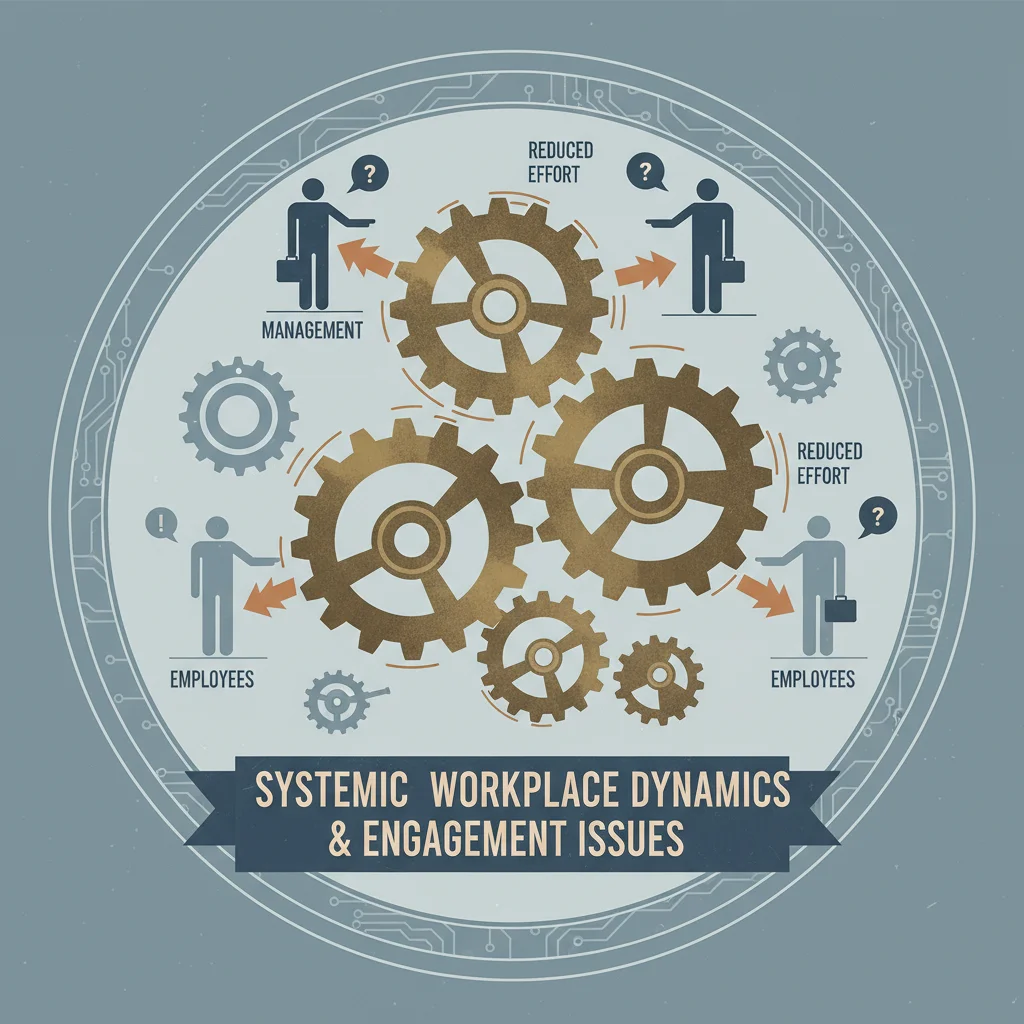
- Strained Management-Employee Relationships: Managers might perceive quiet quitting as a lack of commitment, leading to frustration and a breakdown in trust. This can create a tense work environment and make effective leadership more challenging.
- Erosion of Company Culture: A widespread quiet quitting trend can lead to a less vibrant, less collaborative, and more transactional company culture, making it harder to attract and retain employees who seek a more engaging work environment.
Impact on Employees
- Improved Work-Life Balance: For many, quiet quitting successfully achieves its primary goal: creating healthier boundaries between work and personal life, leading to more time for family, hobbies, and self-care.
- Reduced Burnout and Stress: By consciously limiting their output and emotional investment, quiet quitters often experience lower stress levels and a reduced risk of professional burnout, contributing to better mental health.
- Increased Autonomy: Taking control over one’s work effort can instill a sense of autonomy and agency, empowering employees who previously felt overwhelmed or exploited.
- Potential for Career Stagnation: While quiet quitting offers immediate relief, it can also limit opportunities for advancement. Employers are less likely to promote or invest in employees who consistently do the minimum.
- Risk of Job Insecurity: In competitive job markets or during economic downturns, employees who are perceived as merely ‘meeting expectations’ might be more vulnerable during layoffs or restructuring compared to those who consistently go above and beyond.
Broader Societal Implications
The rise of quiet quitting in 2026 also has broader implications for American society. It reflects a re-negotiation of the social contract between labor and capital, questioning traditional notions of loyalty and productivity. It could lead to a more balanced, albeit potentially less hyper-productive, workforce, or it could exacerbate existing tensions if not addressed constructively by both sides. The quiet quitting analysis suggests a need for systemic changes in how work is structured and valued.
Navigating Quiet Quitting: Strategies for Employers and Employees in 2026
Addressing the quiet quitting phenomenon requires a proactive and empathetic approach from both employers and employees. It’s not about fighting the trend, but understanding its underlying causes and finding constructive ways to adapt.
Strategies for Employers
For organizations, the key lies in fostering an environment where employees feel valued, recognized, and motivated to contribute their best, without feeling exploited.
- Foster Clear Communication and Expectations: Ambiguity about roles and expectations often leads to resentment. Clearly define job responsibilities, performance metrics, and career paths. Regularly communicate company goals and how individual contributions fit into the larger picture.
- Prioritize Employee Well-being: Implement genuine initiatives that support mental health, work-life balance, and physical well-being. This includes flexible work arrangements, mental health resources, and discouraging a culture of constant overtime. Leaders should model healthy boundaries.
- Implement Fair Compensation and Recognition: Ensure salaries are competitive and reflect market rates and employee contributions. Establish clear systems for performance reviews, promotions, and bonuses. Recognize and reward extra effort, not just with money, but with genuine appreciation and opportunities for growth.
- Invest in Employee Development: Offer opportunities for skill development, training, and career advancement. When employees see a clear path for growth and feel invested in, they are more likely to invest their own energy and commitment.
- Build a Culture of Trust and Psychological Safety: Create an environment where employees feel safe to voice concerns, make mistakes, and propose new ideas without fear of reprisal. Trust is the foundation of engagement; when employees trust their leaders, they are more likely to be fully invested.
- Conduct Regular Stay Interviews: Instead of exit interviews, conduct ‘stay interviews’ to understand why employees choose to remain with the company and what might make them leave. This proactive approach can identify potential quiet quitters early and address their concerns.
Strategies for Employees
For employees, quiet quitting can be a powerful tool for self-preservation and boundary setting. However, it’s important to wield it strategically to ensure long-term career health.
- Define Your Boundaries Clearly: Understand your job description and what is reasonably expected of you. Be firm but polite in declining tasks that fall outside your scope or extend beyond your working hours.
- Communicate Your Needs: If you’re feeling overwhelmed or unappreciated, communicate this to your manager or HR. Frame it constructively, focusing on solutions and how better support can improve your performance and well-being.
- Focus on Core Competencies: Ensure you are excelling in your primary responsibilities. Quiet quitting is about setting boundaries, not about underperforming in your core duties.
- Seek Growth Opportunities (Strategically): While quiet quitting involves not going above and beyond, it doesn’t mean forsaking all growth. Identify opportunities that genuinely align with your career goals and personal development, rather than just taking on extra work for the sake of it.
- Document Your Contributions: Keep a record of your achievements and contributions to your core role. This can be valuable during performance reviews or if you decide to seek new opportunities.
- Self-Care is Paramount: Actively prioritize your mental and physical health. Use the time reclaimed from quiet quitting for activities that genuinely recharge you, whether it’s hobbies, family time, or rest.
The Future of Work: Beyond Quiet Quitting in 2026
The quiet quitting phenomenon, while a significant trend in 2026, is likely a stepping stone towards a more profound redefinition of work. It signals a critical juncture where the traditional models of employment are being challenged and re-evaluated by a workforce that demands more from their professional lives than just a paycheck.
A More Balanced Work-Life Paradigm
The most enduring legacy of quiet quitting may be its contribution to a more balanced work-life paradigm. As employees continue to assert their need for personal time and mental well-being, companies will be increasingly compelled to integrate flexibility, reasonable workloads, and genuine support systems into their core operations. This could lead to a workplace culture where productivity is measured by results, not just hours, and where employee happiness is seen as a key driver of success, not just a perk.
Redefining Employee Engagement
The quiet quitting analysis forces organizations to rethink what true employee engagement looks like. It’s not about employees being constantly ‘on’ or performing endless unpaid labor. Instead, it’s about creating an environment where employees feel empowered, respected, and motivated to contribute their best during their defined working hours. This involves fostering a sense of purpose, providing opportunities for meaningful work, and ensuring that contributions are fairly compensated and recognized.
The Role of Technology and Automation
As we move further into 2026 and beyond, advancements in AI and automation will also play a role in shaping the quiet quitting narrative. By automating mundane and repetitive tasks, technology could free up human workers for more creative, strategic, and fulfilling work. This could potentially reduce the burden that contributes to quiet quitting, allowing employees to focus their energy where it truly matters, and potentially increasing their intrinsic motivation to go above and beyond in those areas.
Evolving Leadership Styles
Effective leadership will become even more critical. Managers will need to evolve from command-and-control styles to more empathetic, supportive, and coaching-oriented approaches. Leaders who can inspire trust, articulate a clear vision, and genuinely care for their team’s well-being will be better positioned to navigate the challenges posed by quiet quitting and foster a truly engaged workforce. Understanding the quiet quitting analysis will be a core competency for future leaders.
A More Human-Centric Workplace
Ultimately, the quiet quitting phenomenon is pushing the American workforce towards a more human-centric model. It’s a collective call for workplaces that prioritize the well-being and dignity of their employees, recognizing that sustainable productivity comes from a healthy and respected workforce, not from relentless pressure and exploitation. The insights from this quiet quitting analysis suggest that companies that embrace this shift will be the ones that thrive in the coming decades.
Conclusion: Embracing the Shift in 2026
The ‘quiet quitting’ phenomenon is more than just a buzzword; it’s a significant indicator of a cultural shift within the 2026 American workforce. It reflects a growing desire among employees for healthier boundaries, greater work-life balance, and a re-evaluation of the traditional employment contract. For employers, ignoring this trend is not an option. Instead, it presents an opportunity to introspect, innovate, and adapt to the evolving needs and expectations of their workforce.
By fostering cultures of clear communication, fair compensation, genuine recognition, and robust support for employee well-being, organizations can transform potential quiet quitters into engaged, productive, and loyal team members. For employees, quiet quitting serves as a powerful tool for self-preservation, ensuring that their careers do not come at the expense of their mental health and personal lives. The key lies in strategic boundary setting and effective communication, rather than passive disengagement.
As we navigate the complexities of 2026 and look ahead, the quiet quitting analysis will undoubtedly continue to shape conversations around the future of work. It challenges us all – employees, managers, and leaders – to build a more equitable, sustainable, and human-centered workplace where both individual well-being and organizational success can flourish in harmony. The era of ‘always on’ is receding, making way for a more thoughtful and balanced approach to our professional lives.