
Digital Wellness Trends for 2026: A Comparison of 5 Top Apps for Mindful Technology Use
In an increasingly digitized world, the concept of digital wellness apps has evolved from a niche interest to a mainstream necessity. As we hurtle towards 2026, the lines between our physical and digital lives continue to blur, making mindful technology use more crucial than ever. This comprehensive article delves into the burgeoning landscape of digital wellness, highlighting key trends and comparing five leading applications poised to define how we interact with our devices in the coming years. Our goal is to equip you with the knowledge to make informed choices, fostering a healthier, more balanced relationship with technology.
The relentless pace of technological advancement, while offering unprecedented convenience and connectivity, has also introduced a new set of challenges to our mental and physical well-being. From ‘doomscrolling’ to digital fatigue, the adverse effects of unchecked screen time and constant notifications are well-documented. Recognizing this, innovators have developed a range of digital wellness apps designed to empower users to regain control, cultivate focus, and enhance overall quality of life. These applications are not about abandoning technology, but rather about integrating it consciously and beneficially into our daily routines. This shift towards intentional tech engagement is at the heart of the digital wellness movement.
As we look ahead to 2026, several overarching trends are shaping the future of digital wellness. Personalization, driven by AI and machine learning, is becoming paramount, offering tailored insights and interventions. Integration with other health and fitness platforms is also key, creating a holistic view of well-being. Furthermore, the emphasis is shifting from simply tracking screen time to providing actionable strategies for healthier digital habits, focusing on the quality of interaction rather than just the quantity. Security and privacy remain critical concerns, with users demanding greater transparency and control over their data as they embrace these tools.
The Evolution of Digital Wellness: Why It Matters More Than Ever
The journey of digital wellness began subtly, with early attempts to simply monitor screen time. However, as our understanding of technology’s impact deepened, so too did the sophistication of the tools available. What started as basic timers has transformed into sophisticated platforms that analyze usage patterns, offer guided meditations, block distracting applications, and even provide coaching on digital boundaries. This evolution reflects a growing societal awareness that our digital habits profoundly influence our mental health, productivity, and relationships.
In 2026, the stakes are even higher. The proliferation of augmented reality (AR), virtual reality (VR), and increasingly immersive digital environments means that our cognitive load and potential for distraction are at an all-time high. Without proactive strategies, the risk of digital burnout, anxiety, and diminished attention spans becomes a significant public health concern. This is where effective digital wellness apps step in, acting as essential guides in navigating the complex digital terrain. They provide the necessary frameworks and tools to ensure that technology serves us, rather than the other way around.
Beyond individual well-being, the implications of digital wellness extend to productivity in the workplace and educational outcomes. Employees struggling with digital fatigue are less productive and more prone to errors. Students constantly interrupted by notifications find it harder to concentrate and retain information. Therefore, the adoption of digital wellness practices, often facilitated by these applications, is not just a personal choice but a societal imperative for a healthier, more focused, and more innovative future. Companies and educational institutions are increasingly recognizing this, integrating digital wellness programs and encouraging the use of supportive technologies.
Key Trends Shaping Digital Wellness Apps in 2026
Understanding the landscape of digital wellness apps requires an examination of the trends that are currently defining their development and adoption. These trends are not static; they are dynamic, responding to user needs, technological advancements, and evolving research in psychology and neuroscience. Here are some of the most prominent trends we observe for 2026:
1. Hyper-Personalization Through AI and Machine Learning
Gone are the days of one-size-fits-all solutions. Modern digital wellness applications are leveraging artificial intelligence and machine learning to offer highly personalized experiences. These algorithms analyze individual usage patterns, identify peak distraction times, understand preferred relaxation techniques, and even adapt intervention strategies based on mood and stress levels. For example, an app might learn that you’re most distracted by social media in the late afternoon and proactively suggest a mindful break or a focus session during that period. This level of customization makes the tools far more effective and engaging for users.
2. Seamless Integration with Wearables and Smart Home Devices
The ecosystem of personal technology is expanding rapidly. Digital wellness apps are no longer confined to smartphones; they are integrating seamlessly with smartwatches, fitness trackers, and even smart home devices. This allows for a more holistic approach to well-being, where data from sleep trackers, heart rate monitors, and activity sensors can inform personalized digital wellness recommendations. Imagine an app that dims your smart lights and plays calming sounds when it detects high stress levels based on your wearable data, simultaneously nudging you away from your phone. This interconnectedness creates a powerful, ambient support system for digital balance.
3. Emphasis on Proactive Skill Building and Habit Formation
While tracking screen time is useful, the new generation of digital wellness apps goes beyond mere monitoring. They focus on teaching users practical skills and helping them build sustainable habits. This includes guided exercises for improving focus, modules on setting digital boundaries, techniques for managing notifications, and practices for mindful technology consumption. The goal is to empower users with the tools to self-regulate, reducing reliance on the app itself over time. It’s about education and empowerment, not just restriction.
4. Gamification and Community Support for Engagement
To maintain user engagement and foster long-term adherence, many apps are incorporating gamified elements and community features. Challenges, streaks, rewards, and leaderboards can make the journey towards digital wellness more enjoyable and motivating. Furthermore, connecting with like-minded individuals through in-app communities provides a sense of accountability and shared purpose, allowing users to share tips, celebrate successes, and offer mutual support. This social dimension transforms a solitary endeavor into a collaborative journey.
5. Enhanced Privacy and Data Security Measures
As users share increasingly personal data with these applications, concerns about privacy and security are paramount. Leading digital wellness apps in 2026 are distinguishing themselves by adopting robust encryption protocols, transparent data policies, and giving users granular control over their information. Trust is a critical component, and apps that prioritize user privacy will gain a significant competitive advantage. Adherence to global data protection regulations like GDPR and CCPA is becoming a baseline expectation.
Comparison of 5 Top Digital Wellness Apps for 2026
Now, let’s dive into a detailed comparison of five exemplary digital wellness apps that are setting the standard for mindful technology use in 2026. Each offers a unique approach, catering to different needs and preferences.
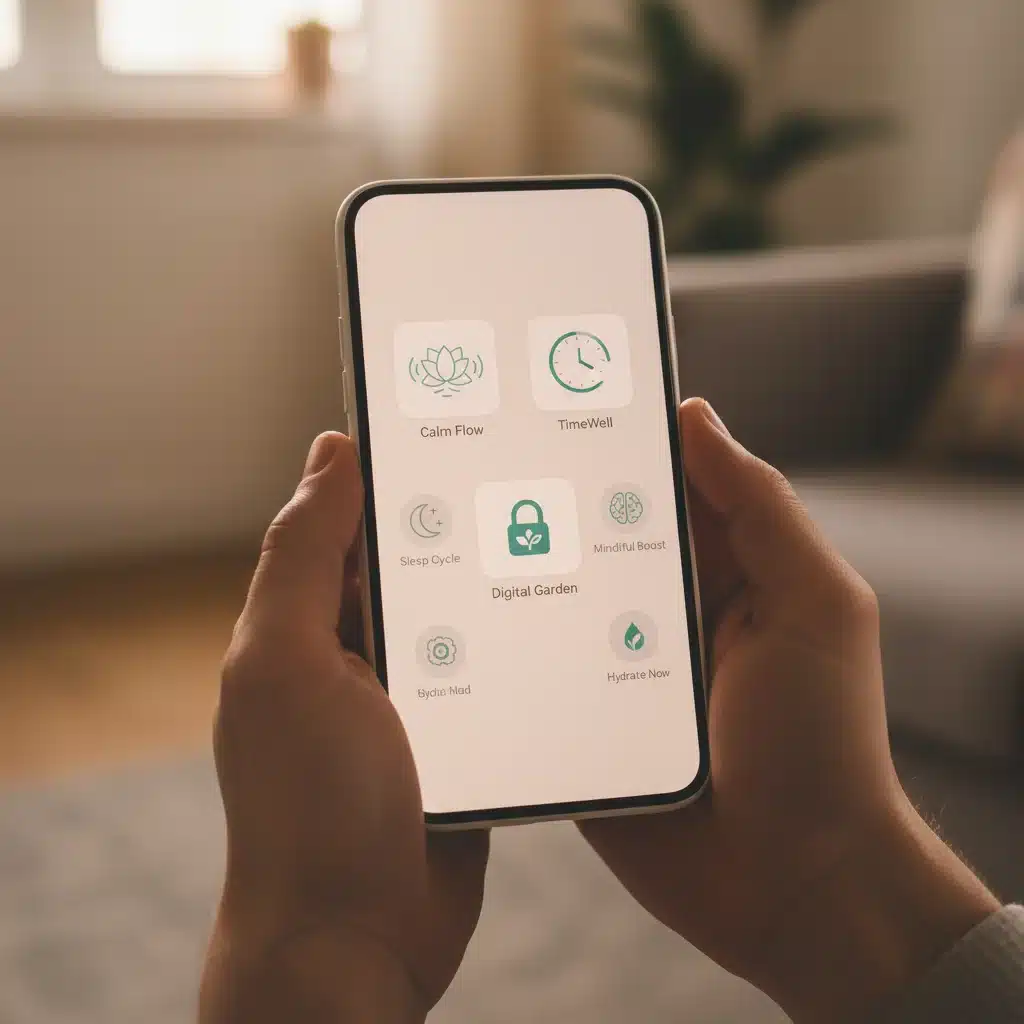
1. Forest: Stay Focused, Be Present
Overview: Forest is a highly popular and aesthetically pleasing app that uses a unique gamified approach to encourage focus and reduce phone addiction. When you want to focus, you plant a virtual tree. If you leave the app before your timer is up, your tree withers. Successfully completing focus sessions grows your forest, making digital detox a rewarding experience. The app also partners with a real-tree-planting organization, adding an altruistic dimension.
Key Features for 2026:
- Advanced Focus Modes: Beyond basic timers, Forest 2026 integrates AI to suggest optimal focus durations based on your past performance and cognitive load.
- Cross-Device Sync: Seamlessly track focus sessions across all your devices, including desktops and tablets, ensuring a consistent experience.
- Collaborative Planting: Group focus sessions allow teams or study groups to plant trees together, fostering collective productivity and accountability.
- Environmental Impact Tracking: Enhanced visualization of real trees planted, showcasing your tangible contribution to environmental sustainability.
- Mindful Break Reminders: Gentle nudges for short, guided meditation or stretching breaks during long focus periods.
Pros: Highly engaging gamification, positive reinforcement, real-world impact, simple and intuitive interface. Excellent for individuals who respond well to visual rewards and a sense of purpose.
Cons: Primarily focused on focus/screen time; less emphasis on broader digital wellness aspects like notification management or digital detox planning. Might not suit those who prefer a more data-driven approach.
2. Moment: Screen Time Tracker & Digital Coach
Overview: Moment has been a pioneer in screen time tracking and digital coaching. It provides detailed insights into your phone usage, identifies your most-used apps, and offers personalized coaching exercises to help you reduce screen time. It’s less about blocking and more about awareness and guided behavior change.
Key Features for 2026:
- Predictive Analytics: AI-driven insights that predict your likely screen time spikes and suggest proactive interventions before they occur.
- Adaptive Coaching Modules: Personalized coaching plans that evolve based on your progress, challenges, and specific digital habits.
- Family Sharing & Control: Robust features for parents to monitor and manage their children’s screen time across multiple devices, with customizable rules and reports.
- Digital Detox Challenges: Curated multi-day challenges with guided activities to help users gradually reduce reliance on their devices.
- Integration with Mental Health Apps: Seamless data sharing (with user consent) with popular meditation and mood-tracking apps for a holistic wellness view.
Pros: Deep insights into usage patterns, strong coaching component, excellent for families, focuses on gradual habit change. Ideal for users who appreciate data and structured guidance.
Cons: Some users might find the data overwhelming initially. The coaching can feel prescriptive for those who prefer a more self-directed approach. Subscription required for advanced features.
3. Freedom: Website & App Blocker
Overview: Freedom is a powerful and versatile blocking application designed to eliminate digital distractions across all your devices. It allows you to create custom blocklists of websites and applications and schedule focus sessions where these distractions are inaccessible. It’s a no-nonsense tool for serious focus and productivity.
Key Features for 2026:
- Dynamic Blocklist Generation: AI identifies your most distracting apps and websites based on your usage and suggests adding them to your blocklist.
- Smart Scheduling & Geofencing: Schedule blocking sessions based on time, day, and even location (e.g., automatically block social media when you arrive at work).
- Integrative Workflows: Connects with project management tools and calendars to automatically initiate focus sessions during critical work periods.
- Emergency Bypass with Friction: While offering an emergency off-switch, it incorporates ‘friction’ (e.g., a mandatory short delay or a CAPTCHA) to discourage impulsive deactivation.
- Advanced Reporting: Detailed reports on how much time you’ve saved and how often you’ve attempted to access blocked sites, providing clear feedback on your progress.
Pros: Extremely effective for eliminating distractions, cross-device compatibility, highly customizable blocking options, excellent for productivity. Perfect for those who need strong, enforced boundaries.
Cons: Can feel restrictive for some users. Lacks the ‘gentle’ or ‘mindful’ coaching aspect of other apps. Primarily a blocking tool, not a holistic wellness platform.
4. Calm: Meditate, Sleep, Relax
Overview: While not exclusively a digital wellness app in the sense of screen time tracking, Calm plays a crucial role in mitigating the negative effects of excessive digital consumption. It offers guided meditations, sleep stories, breathing programs, and relaxing music to help users reduce stress, improve sleep, and cultivate mindfulness. Its popularity has soared as a counter-balance to the digital noise.
Key Features for 2026:
- Personalized Mindfulness Journeys: AI curates meditation programs and sleep stories based on user feedback, mood tracking, and even biometric data from wearables.
- Micro-Mindfulness Prompts: Integrates with device notifications (with user permission) to offer subtle, context-aware micro-meditations throughout the day, e.g., ‘Take 3 deep breaths before opening that email.’
- Immersive Soundscapes with AR: Utilizes AR to create immersive, calming visual and auditory environments for meditation and relaxation, enhancing the sensory experience.
- Corporate Wellness Programs: Expanded offerings for businesses to provide Calm subscriptions and tailored mindfulness programs to employees, addressing digital burnout in the workplace.
- Interactive Biofeedback: Connects with external sensors to provide real-time biofeedback during meditation, helping users learn to regulate their physiological responses.
Pros: Excellent for stress reduction, sleep improvement, and cultivating mindfulness. High-quality content, user-friendly interface. A perfect companion for anyone feeling overwhelmed by digital demands.
Cons: Does not directly address screen time management or app blocking. Requires a separate subscription for full access. Primarily a reactive tool rather than a proactive one for digital habits.
5. Opal: Screen Time & Focus
Overview: Opal is a newer entrant gaining significant traction, particularly among iPhone users, for its elegant design and robust focus features. It allows users to set ‘sessions’ where distracting apps are blocked, and provides insights into usage. It’s known for its strong privacy focus and intuitive user experience.
Key Features for 2026:
- ‘Deep Focus’ Mode with AI-Driven Whitelisting: Beyond blocking, Opal’s AI learns which apps are essential for your work/study and allows only those during deep focus sessions, minimizing manual setup.
- Collaborative Focus Rooms: Users can create virtual ‘focus rooms’ where everyone commits to a distraction-free period, seeing each other’s progress (anonymously or not) to foster group accountability.
- Digital Detox ‘Vacation’ Planner: A unique feature allowing users to pre-plan extended periods of digital disconnection, with automated away messages and selective emergency contacts.
- Privacy-First Analytics: All usage data is processed on-device or with anonymized, aggregated statistics, emphasizing user privacy as a core tenet.
- Integration with Professional Tools: Seamless integration with popular project management, communication, and calendar applications to align focus sessions with work schedules.
Pros: Strong focus on privacy, elegant UI, effective blocking features, innovative collaborative focus. Great for individuals and teams seeking a refined and secure focus tool.
Cons: Primarily available on iOS/macOS, limiting cross-platform use. Some advanced features might require a premium subscription. Still building out its broader digital wellness offerings beyond focus.
Choosing the Right Digital Wellness App for You
With such a diverse array of digital wellness apps available, selecting the right one can feel daunting. The best app for you will depend on your specific needs, challenges, and preferred approach to technology management. Consider the following factors when making your choice:
- Your Primary Goal: Are you looking to reduce overall screen time, improve focus, manage notifications, get better sleep, or cultivate mindfulness? Some apps excel in specific areas more than others.
- Your Tech Habits: Are you prone to impulsive app opening, or do you struggle with extended periods of mindless scrolling? Apps like Freedom are great for hard blockers, while Moment is better for awareness and gradual change.
- Your Learning Style: Do you prefer gamified experiences (Forest), data-driven insights (Moment), guided meditations (Calm), or strict enforcement (Freedom, Opal)?
- Platform Compatibility: Ensure the app works seamlessly across all your devices (smartphone, tablet, computer) if cross-device consistency is important to you.
- Privacy Concerns: Review the app’s privacy policy and data handling practices, especially if you’re sensitive about sharing personal usage information.
- Cost: Many apps offer free basic versions but require subscriptions for premium features. Evaluate if the added value justifies the cost for your needs.
It’s also worth noting that you don’t have to stick to just one app. Many users find success by combining tools. For example, using Freedom for strict work-hour blocking and Calm for evening relaxation can create a powerful, multi-faceted digital wellness strategy. The key is experimentation and finding what resonates most with your lifestyle and goals.
The Future Landscape of Digital Wellness
Looking beyond 2026, the field of digital wellness apps is poised for even greater innovation. We can anticipate deeper integration with mental health services, potentially offering AI-driven therapeutic interventions or seamless connections to human therapists. The rise of ambient computing and ubiquitous sensors will allow for even more context-aware interventions, nudging us towards healthier habits without constant manual input. Ethical considerations around data usage, algorithmic bias, and the potential for ‘over-optimization’ will also come to the forefront, demanding careful thought and robust regulatory frameworks.
Ultimately, the goal of digital wellness is not to demonize technology but to harness its power responsibly. These applications serve as invaluable allies in this endeavor, helping us to navigate the digital age with greater intention, presence, and well-being. By embracing these tools and cultivating mindful digital habits, we can ensure that our relationship with technology enriches our lives, rather than detracting from them.
Conclusion: Embracing Mindful Technology in 2026 and Beyond
As we’ve explored, the landscape of digital wellness apps in 2026 is dynamic, sophisticated, and increasingly essential. From Forest’s gamified approach to focus, Moment’s data-driven coaching, Freedom’s robust blocking capabilities, Calm’s serene mindfulness, to Opal’s privacy-first focus, there’s a powerful tool for every need. These applications are more than just screen time trackers; they are intelligent companions designed to help us cultivate a healthier, more intentional relationship with our digital devices.
The trends of hyper-personalization, seamless integration, proactive skill-building, and enhanced privacy are transforming how we approach digital well-being. By understanding these trends and carefully selecting the tools that align with our personal goals, we can proactively combat digital fatigue, enhance our focus, improve our sleep, and ultimately lead more balanced and fulfilling lives in an ever-connected world. The future of digital wellness is bright, promising a future where technology empowers us to thrive, rather than overwhelms us.
Embracing mindful technology use is not a one-time fix but an ongoing journey. The digital wellness apps highlighted here provide the frameworks and support systems to make this journey both achievable and rewarding. As technology continues to advance, so too will the tools available to manage its impact, ensuring that our digital lives contribute positively to our overall well-being. Make 2026 the year you take control of your digital destiny and unlock the full potential of mindful technology use.