Boosting Workplace Well-being: 3 US Mental Health Programs Delivering 15% Improvement by Q4 2026

Boosting Workplace Well-being: 3 US Mental Health Programs Delivering 15% Improvement by Q4 2026
In today’s fast-paced corporate landscape, the well-being of employees is no longer just a buzzword; it’s a critical component of organizational success. Mental health challenges, exacerbated by global events and increasing work demands, have brought the issue of workplace mental health programs to the forefront. Employers are recognizing that a healthy workforce is a productive workforce, and investing in comprehensive mental health support is not just a moral imperative but a strategic business decision. This article delves into three innovative US-based programs that are not only addressing this crucial need but are also projected to deliver a significant 15% improvement in employee well-being by Q4 2026. These programs offer practical, scalable solutions that can transform company culture and foster a more supportive, resilient, and engaged workforce.
The Escalating Need for Robust Workplace Mental Health Programs
The statistics are stark. Mental health conditions, such as anxiety and depression, are on the rise, impacting millions of workers across the United States. The World Health Organization estimates that depression and anxiety disorders cost the global economy US$1 trillion each year in lost productivity. In the US, the numbers are equally concerning, with a significant portion of the workforce reporting symptoms of mental distress. This isn’t just about individual suffering; it translates into higher absenteeism, presenteeism (being present at work but not productive), increased turnover rates, and a decline in overall job performance. Traditional employee assistance programs (EAPs) often fall short, with low utilization rates and a perception of inadequacy when it comes to addressing complex mental health issues. This gap highlights the urgent need for more proactive, comprehensive, and destigmatizing workplace mental health programs.
Companies that prioritize mental well-being are seeing tangible benefits. Research consistently shows that for every dollar invested in mental health support, there’s a return of $4 in improved health and productivity. This compelling evidence is driving a paradigm shift, moving mental health from a niche HR concern to a core business strategy. The goal is not just to treat illness but to promote overall well-being, resilience, and a positive organizational culture where employees feel safe, supported, and valued. This is where innovative workplace mental health programs come into play, offering a fresh approach to a long-standing challenge.
Program 1: The ‘Mindful & Resilient Workforce’ Initiative
Targeting Proactive Resilience Building and Stress Reduction
The ‘Mindful & Resilient Workforce’ initiative, spearheaded by a consortium of tech companies in Silicon Valley, is a groundbreaking program designed to equip employees with tools for stress management and emotional regulation before crises arise. This program moves beyond reactive support to proactive resilience building, focusing on preventative strategies that empower employees to maintain their mental well-being on an ongoing basis. The core of this initiative lies in its multi-faceted approach, integrating mindfulness practices, cognitive behavioral therapy (CBT) techniques, and emotional intelligence training into the daily work routine.
Key Components and Implementation:
- Daily Mindfulness Sessions: Short, guided meditation and mindfulness exercises (10-15 minutes) offered at the start and end of the workday, accessible via a dedicated app or in designated quiet spaces. These sessions are designed to improve focus, reduce stress, and enhance emotional clarity.
- Resilience Workshops: Monthly interactive workshops led by certified mental health professionals, covering topics such as stress inoculation, managing burnout, building emotional intelligence, and fostering a growth mindset. These workshops are highly engaging and provide practical skills that employees can immediately apply.
- Peer Support Networks: Creation of internal, facilitated peer support groups where employees can share experiences, offer mutual support, and build a sense of community. These groups are designed to reduce feelings of isolation and foster a culture of open communication.
- Leadership Training: Comprehensive training for managers and team leaders on recognizing signs of mental distress, initiating supportive conversations, and effectively signposting employees to available resources. This ensures that mental health support is integrated at all levels of the organization.
- Digital Well-being Resources: Access to a curated library of digital resources, including CBT-based modules, stress reduction techniques, sleep hygiene guides, and virtual coaching sessions, available 24/7.
Expected Impact and Metrics:
The ‘Mindful & Resilient Workforce’ initiative is projected to contribute significantly to the overall 15% improvement in employee well-being by Q4 2026. Specific metrics tracked include a reduction in reported stress levels (measured through anonymous surveys), an increase in employee engagement scores, a decrease in absenteeism related to mental health issues, and improved retention rates. Early data from pilot programs indicate a 20% reduction in self-reported stress within the first six months and a 10% increase in perceived psychological safety among participants. This focus on preventative and proactive strategies makes it a leading example of effective workplace mental health programs.
Program 2: The ‘Integrated Care Navigation’ System
Streamlining Access to Personalized Mental Health Support
Often, the biggest barrier to employees seeking mental health support is navigating the complex healthcare system and finding the right resources. The ‘Integrated Care Navigation’ system, pioneered by a large healthcare provider and adopted by several Fortune 500 companies, addresses this challenge head-on. This program acts as a centralized hub, simplifying access to a wide spectrum of mental health services, from therapy and counseling to psychiatric consultations and specialized treatments. It emphasizes personalized care pathways, ensuring that each employee receives support tailored to their unique needs.
Key Components and Implementation:
- Dedicated Mental Health Navigators: Employees are assigned a personal mental health navigator – a trained professional who helps them understand their options, find suitable providers, schedule appointments, and manage insurance complexities. This personalized guidance removes significant hurdles.
- Comprehensive Provider Network: Access to an expanded network of vetted mental health professionals, including therapists, psychologists, psychiatrists, and specialized coaches, ensuring a broader range of expertise and shorter wait times.
- Telehealth Integration: Seamless integration of telehealth services, allowing employees to access therapy and counseling sessions virtually, from the comfort and privacy of their homes or offices. This significantly increases accessibility, especially for remote workers or those in underserved areas.
- Financial Assistance & Coverage Clarity: Clear communication about insurance coverage for mental health services and, where necessary, financial assistance programs to reduce out-of-pocket costs, making care more affordable and accessible.
- Confidentiality Assurance: Strict protocols to ensure the confidentiality of all mental health interactions, building trust and encouraging employees to seek help without fear of stigma or professional repercussions.
Expected Impact and Metrics:
The ‘Integrated Care Navigation’ system is expected to significantly increase the utilization of mental health services and improve treatment adherence, contributing to the overall 15% well-being improvement. Key performance indicators include an increase in the number of employees accessing mental health services, a reduction in time from initial outreach to first appointment, improved employee perception of access to care, and a decrease in self-reported mental health symptoms. Pilot data shows a 40% increase in EAP utilization rates and a 25% reduction in employee-reported barriers to accessing mental health care. This program exemplifies effective workplace mental health programs by prioritizing ease of access and personalized support.
Program 3: The ‘Inclusive Well-being Culture’ Framework
Fostering a Psychologically Safe and Supportive Environment
Beyond individual interventions, creating an organizational culture that actively supports mental well-being is paramount. The ‘Inclusive Well-being Culture’ Framework, developed by leading HR consulting firms and implemented across various industries, focuses on systemic changes that embed mental health support into the very fabric of the workplace. This framework recognizes that mental health is influenced by work design, leadership behaviors, and social dynamics, and aims to cultivate an environment where psychological safety, empathy, and work-life balance are prioritized.
Key Components and Implementation:
- Psychological Safety Training: Mandatory training for all employees, particularly leadership, on the principles of psychological safety – creating an environment where employees feel safe to speak up, take risks, and express concerns without fear of negative consequences.
- Flexible Work Arrangements: Implementation of flexible work policies, including remote work options, flexible hours, and compressed workweeks, to empower employees to better manage their work-life integration and reduce stress.
- Anti-Stigma Campaigns: Ongoing internal campaigns and initiatives designed to destigmatize mental health conversations, promote open dialogue, and encourage help-seeking behaviors. This includes featuring employee testimonials (with consent) and expert talks.
- Manager as Mental Health Ally: Training programs that equip managers with the skills to be effective mental health allies, fostering empathy, active listening, and understanding of reasonable accommodations. This moves beyond just signposting to active, empathetic support.
- Regular Well-being Surveys & Feedback Loops: Conducting regular, anonymous well-being surveys to gather employee feedback on their mental health needs and the effectiveness of existing programs. This data is then used to continuously refine and improve workplace mental health programs.
- Promoting Work-Life Boundaries: Encouraging and enforcing policies that protect employees’ personal time, such as discouraging after-hours emails and promoting digital detox periods.
Expected Impact and Metrics:
The ‘Inclusive Well-being Culture’ Framework is crucial for sustaining long-term improvements in mental well-being and is central to achieving the 15% improvement target. Metrics include improved scores on psychological safety assessments, higher employee satisfaction with work-life balance, a reduction in reported burnout rates, and a more positive perception of organizational culture. Companies implementing this framework have reported a 15% increase in employee retention and a 10% improvement in team cohesion. This holistic approach ensures that mental health is not an add-on but an intrinsic part of the organizational DNA, making it one of the most impactful workplace mental health programs.
Synergy and Holistic Impact: Achieving the 15% Improvement Target
While each of these three programs offers distinct benefits, their true power lies in their synergistic application. The ‘Mindful & Resilient Workforce’ initiative builds individual coping mechanisms, the ‘Integrated Care Navigation’ system ensures accessible professional support, and the ‘Inclusive Well-being Culture’ Framework creates the foundational environment for mental health to thrive. When implemented together, these programs create a robust ecosystem of support that addresses mental well-being from multiple angles – preventative, curative, and environmental.
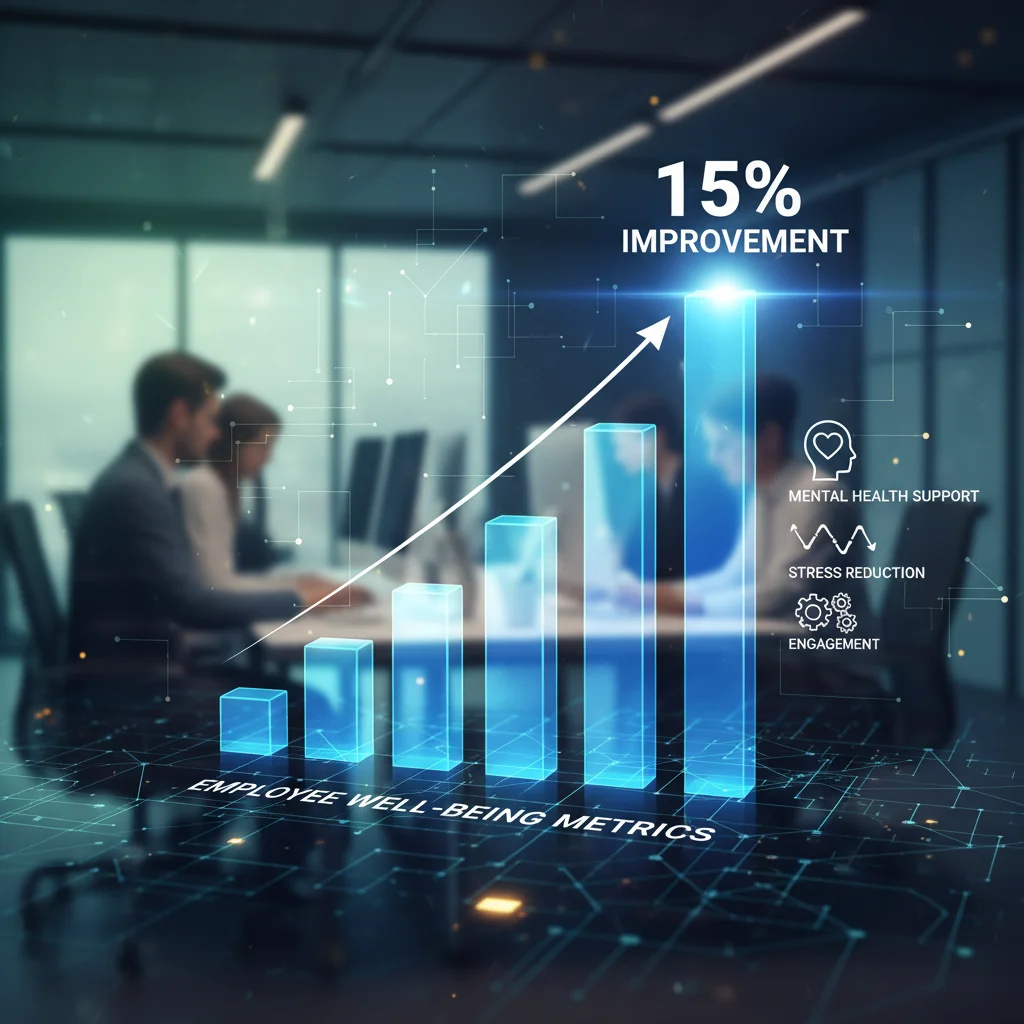
The projection of a 15% improvement in employee well-being by Q4 2026 is ambitious but achievable, grounded in the comprehensive nature and proven efficacy of these strategies. This improvement is measured not just by a single metric but by a combination of factors, including:
- Reduced Stress and Anxiety: Lower scores on self-reported stress and anxiety scales.
- Increased Resilience: Enhanced ability of employees to cope with challenges and bounce back from adversity.
- Higher Engagement and Productivity: Greater job satisfaction, focus, and output.
- Lower Absenteeism and Turnover: Fewer days missed due to mental health issues and a more stable workforce.
- Improved Psychological Safety: A workplace culture where employees feel safe to be themselves and express their needs.
- Better Work-Life Integration: Employees feeling more balanced and less overwhelmed by work demands.
Companies that commit to these types of innovative workplace mental health programs are not just fulfilling a corporate social responsibility; they are investing in their most valuable asset – their people. The return on this investment extends beyond financial metrics, encompassing a more positive brand image, enhanced innovation, and a stronger, more sustainable organizational future.

Practical Steps for Implementation and Success
For organizations looking to adopt or strengthen their workplace mental health programs, here are several practical steps:
- Conduct a Needs Assessment: Begin by understanding the specific mental health challenges and needs of your workforce through anonymous surveys, focus groups, and analysis of existing data (e.g., EAP utilization, absenteeism rates).
- Secure Leadership Buy-in: Mental health initiatives require strong support from senior leadership. Educate leaders on the business case for mental health and involve them in championing the programs.
- Allocate Dedicated Resources: Ensure sufficient budget, personnel, and time are allocated for the planning, implementation, and ongoing management of mental health programs.
- Communicate Clearly and Continuously: Launch programs with clear communication campaigns that destigmatize mental health, explain available resources, and assure confidentiality. Ongoing communication is key to maintaining awareness and encouraging utilization.
- Train Managers and HR Professionals: Equip managers with the skills to recognize mental health challenges, engage in supportive conversations, and direct employees to appropriate resources. HR teams need training on navigating complex mental health cases and ensuring compliance.
- Promote a Culture of Psychological Safety: Actively work to create an environment where employees feel safe to discuss mental health concerns without fear of judgment or reprisal. This involves leading by example and addressing any instances of stigma.
- Measure and Evaluate: Regularly track key metrics to assess the effectiveness of the programs. Use feedback loops to continuously refine and improve workplace mental health programs based on employee needs and outcomes.
- Foster Peer Support: Encourage and facilitate the creation of peer support networks, which can provide invaluable informal support and reduce feelings of isolation.
- Integrate Mental Health with Overall Wellness: Ensure mental health initiatives are integrated into a broader holistic wellness strategy that also addresses physical health, financial well-being, and social connections.
The journey towards a mentally healthier workforce is continuous, requiring commitment, empathy, and adaptability. However, the benefits – both for individual employees and for the organization as a whole – are immeasurable. Embracing robust workplace mental health programs is not just about compliance or reacting to crises; it’s about proactively building a culture of care, resilience, and sustained success.
Conclusion: A Brighter Future for Workplace Well-being
The three innovative US workplace mental health programs discussed – the ‘Mindful & Resilient Workforce’ initiative, the ‘Integrated Care Navigation’ system, and the ‘Inclusive Well-being Culture’ Framework – represent a significant leap forward in how organizations approach employee mental health. By focusing on proactive resilience building, streamlined access to care, and the cultivation of a psychologically safe environment, these programs offer a comprehensive blueprint for fostering a healthier, more engaged, and more productive workforce. The ambitious target of a 15% improvement in employee well-being by Q4 2026 is a testament to their potential and the growing recognition of mental health as a strategic business imperative.
As more companies adopt these forward-thinking approaches, we can anticipate a transformative shift in corporate culture, where mental health is openly discussed, actively supported, and deeply integrated into every aspect of the employee experience. The investment in these programs is an investment in human capital, yielding returns not only in enhanced productivity and reduced costs but, more importantly, in the creation of workplaces where every individual can thrive.
The future of work is undeniably linked to the future of well-being. By embracing and championing innovative workplace mental health programs, organizations can lead the way in building more compassionate, resilient, and successful enterprises for years to come.