Sustainable Living 2026: 6 Innovative Cultural Practices for US Households
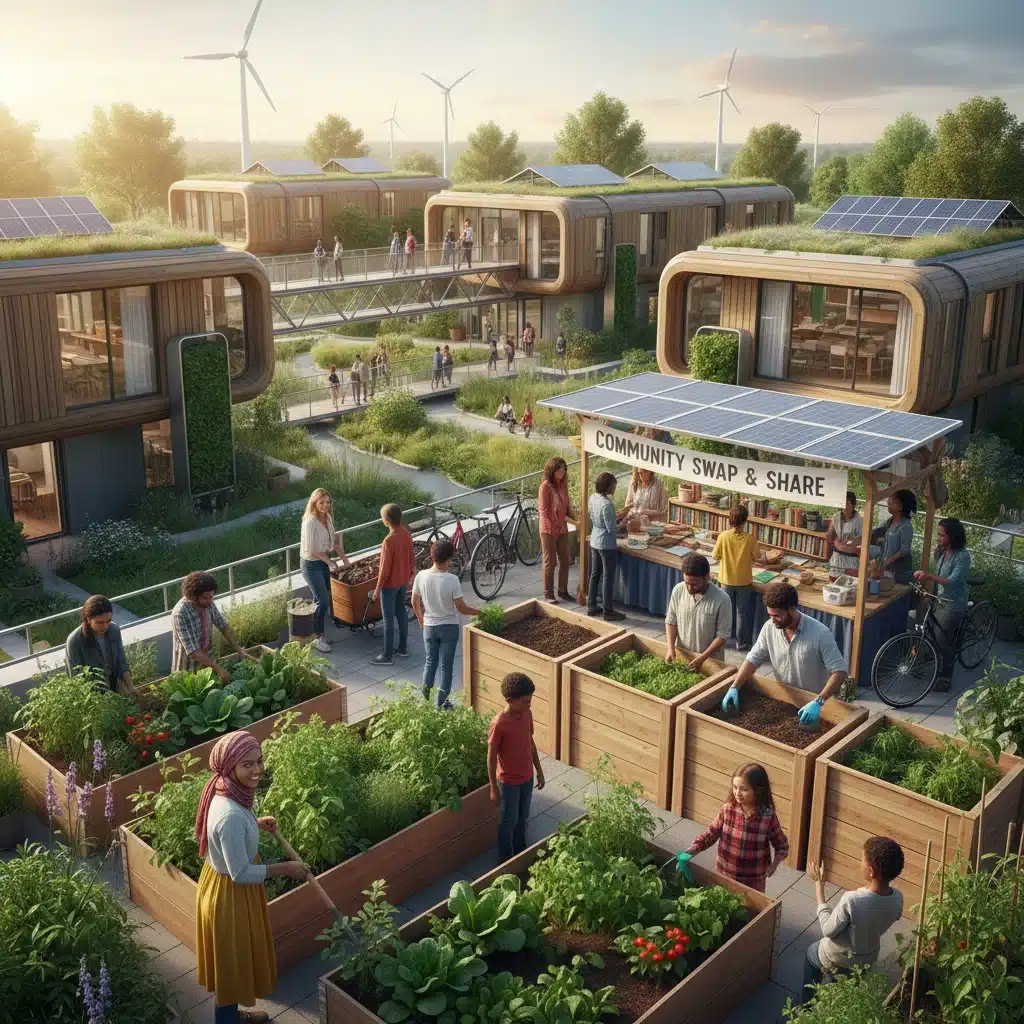
Sustainable Living in 2026: 6 Innovative Cultural Practices Gaining Traction Across US Households
The dawn of 2026 brings with it a renewed sense of urgency and optimism for environmental stewardship. As the global conversation around climate change intensifies, so too does the collective desire for actionable solutions at the individual and community levels. Sustainable living practices are no longer niche interests but are rapidly becoming mainstream, driven by technological advancements, increased awareness, and a generational shift towards conscious consumerism. This article delves into six innovative cultural practices that are not only gaining significant traction across US households but are also redefining what it means to live harmoniously with our planet.
From the bustling urban centers to the serene suburban landscapes, Americans are embracing these new ways of life, transforming their homes and communities into bastions of sustainability. These practices go beyond simple recycling; they represent a holistic approach to minimizing environmental impact, fostering community resilience, and promoting a healthier lifestyle. We will explore how these trends are evolving, why they are so effective, and how you can integrate them into your own life to contribute to a greener, more sustainable future.
1. Hyper-Local Food Sourcing and Community-Supported Agriculture (CSA) 2.0
The concept of ‘farm-to-table’ has evolved into ‘backyard-to-plate’ or ‘neighborhood-plot-to-plate’. Hyper-local food sourcing, a core aspect of sustainable living practices, is experiencing a renaissance. This isn’t just about farmers’ markets; it’s about communities actively cultivating their own food sources within residential areas. Urban farms, vertical gardens, and even hydroponic setups in garages are becoming increasingly common. The ‘CSA 2.0’ model takes this a step further, where community members not only subscribe to a farm’s produce but actively participate in its cultivation, sharing both the bounty and the labor. This fosters a deeper connection to food, reduces carbon footprints associated with transportation, and builds stronger local economies.
The benefits are manifold. First, it ensures unparalleled freshness and nutritional value, as produce is harvested at its peak and consumed almost immediately. Second, it drastically cuts down on food miles, significantly reducing greenhouse gas emissions. Third, it enhances food security, making communities less reliant on distant and often fragile supply chains. Furthermore, these initiatives often employ organic and regenerative farming techniques, enriching soil health and promoting biodiversity. This cultural shift underscores a growing desire for transparency in our food systems and a rejection of industrial agriculture’s environmental toll.
Many households are dedicating portions of their yards to food production, often sharing the surplus with neighbors. Community gardens are flourishing, transforming neglected urban spaces into vibrant green oases. Technology plays a crucial role here too, with apps connecting local growers with consumers, facilitating produce swaps, and even offering guidance on urban farming techniques. This re-localization of food production is a powerful step towards true sustainability, empowering individuals to take control of what they eat and how it’s produced.
2. Circular Economy Principles in Household Consumption
The linear ‘take-make-dispose’ model of consumption is increasingly being replaced by circular economy principles, a cornerstone of effective sustainable living practices. In 2026, US households are actively embracing practices that extend product lifecycles, minimize waste, and regenerate natural systems. This includes a widespread adoption of repair-and-reuse culture, facilitated by community repair cafes, online tutorials, and accessible spare parts. Instead of discarding broken items, people are learning to fix them, from electronics to clothing.
Beyond repair, conscious consumption is manifesting in subscription services for durable goods (e.g., tools, baby gear, high-end kitchen appliances) rather than outright ownership. This reduces the need for individual purchases and ensures products are maintained and reused by multiple households. Furthermore, brands are increasingly offering take-back programs for their products, allowing materials to be recycled or upcycled into new goods. This shift represents a fundamental change in our relationship with possessions, moving from transient ownership to responsible stewardship.
Zero-waste living, once a fringe movement, is now a powerful aspiration for many. Bulk buying, using reusable containers, and choosing products with minimal or compostable packaging are becoming standard practices. The emphasis is on reducing waste at the source, rather than just managing it after it’s created. This includes a significant move away from single-use plastics and towards durable, multi-use alternatives in everything from coffee cups to shopping bags. The economic benefits are also clear: repairing items saves money, and subscribing to services can be more cost-effective than purchasing infrequently used goods. This widespread adoption of circular economy principles is a testament to a growing understanding that true sustainability requires a systemic overhaul of our consumption habits.
3. The Rise of the ‘Sharing Economy’ for Household Resources
The sharing economy has expanded far beyond ride-sharing and short-term rentals, now encompassing a vast array of household resources. This cultural shift is a critical component of modern sustainable living practices, promoting efficiency and reducing the need for individual ownership. In 2026, neighborhoods are seeing a proliferation of tool libraries, allowing residents to borrow everything from power drills to specialized gardening equipment, eliminating the need for each household to own infrequently used items. Similarly, community kitchens and laundromats equipped with high-efficiency appliances are gaining popularity, reducing individual energy consumption and appliance manufacturing.
Beyond physical goods, skills and services are also being shared. Skill-share networks allow neighbors to exchange expertise – perhaps one person offers gardening advice in exchange for help with home repairs, or another provides cooking lessons for tutoring services. This not only fosters community bonds but also reduces the financial burden and environmental impact associated with professional services or new purchases. Car-sharing cooperatives for specific errands or weekend trips are also seeing a resurgence, particularly in areas with good public transport, further reducing vehicle ownership and its associated emissions.
The underlying philosophy is simple: why own something you use only occasionally when you can share it with others? This collaborative consumption model maximizes resource utilization, minimizes waste, and strengthens social ties. Digital platforms and local community groups are facilitating these exchanges, making it easier than ever for people to connect and share. This cultural practice represents a powerful move away from hyper-individualism towards a more communal, resource-efficient way of life, directly contributing to more sustainable living practices.
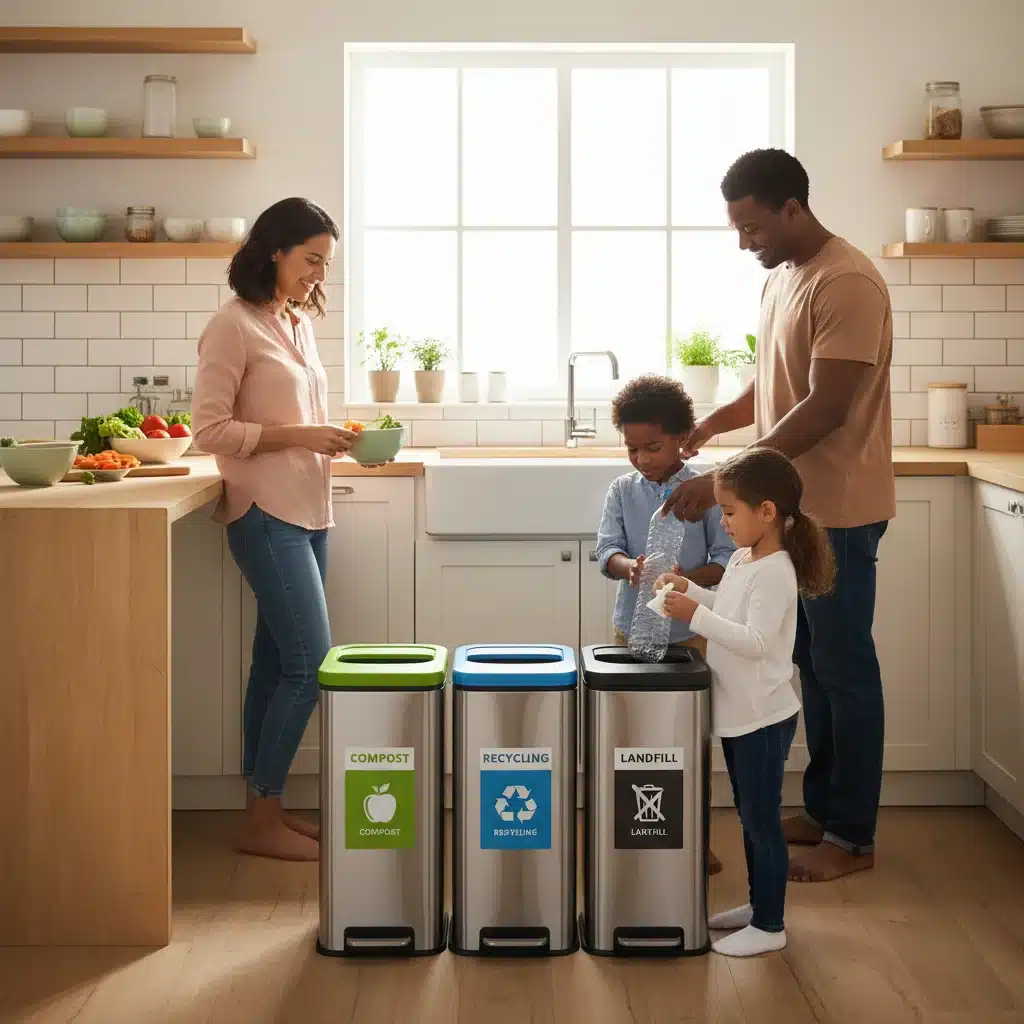
4. Regenerative Home and Garden Practices
Moving beyond simply being ‘green,’ households in 2026 are embracing regenerative practices that actively restore and enhance natural ecosystems, a cornerstone of advanced sustainable living practices. This means not just reducing harm but actively contributing to environmental regeneration. In gardens, this translates to practices like permaculture design, which mimics natural ecosystems to create self-sustaining and productive landscapes. Rainwater harvesting systems for irrigation are becoming standard, reducing reliance on municipal water supplies and mitigating stormwater runoff.
Composting, once a niche activity, is now widespread, often involving sophisticated systems that handle food scraps, yard waste, and even certain biodegradable packaging. This enriches soil, reduces landfill waste, and sequesters carbon. Furthermore, many households are actively planting native species to support local biodiversity, creating habitats for pollinators and other wildlife. This is a conscious effort to reverse habitat loss and restore ecological balance, even within urban and suburban settings.
Indoors, regenerative principles are applied through passive design strategies, maximizing natural light and ventilation to reduce energy consumption. Smart home systems are optimized not just for convenience but for energy efficiency, learning household patterns to minimize waste. The emphasis is on creating homes that are not just energy-efficient but also healthy ecosystems in themselves, contributing positively to the surrounding environment rather than merely existing within it. This holistic approach to home and garden management is a significant evolution in sustainable living, showcasing a proactive stance towards environmental restoration.
5. Digital Detox and Mindful Consumption of Technology
While technology often aids sustainability, a new cultural practice focuses on mindful consumption of technology itself and periodic digital detoxes. This seemingly counterintuitive trend is deeply rooted in sustainable living practices, addressing both environmental and personal well-being. The incessant demand for new devices, the energy consumption of data centers, and the ethical issues surrounding electronic waste (e-waste) are significant environmental concerns. Households are consciously extending the lifespan of their electronics, repairing rather than replacing, and opting for refurbished or sustainably produced devices.
Beyond the hardware, the practice of digital detox encourages reduced screen time and a more intentional use of digital services. This not only conserves the vast energy required to power our digital lives but also promotes mental well-being, reduces digital clutter, and encourages engagement with the physical world and local community. Families are instituting ‘screen-free’ days or hours, fostering deeper in-person connections and outdoor activities.
This cultural shift highlights an understanding that sustainability isn’t just about physical resources but also about mental and social health. By reducing our reliance on constant digital stimulation, we can free up mental space, reduce our digital footprint, and re-engage with the tangible aspects of sustainable living – like gardening, cooking, and community building. This mindful approach to technology is a subtle yet powerful component of a truly sustainable lifestyle, recognizing the interconnectedness of all aspects of our lives.
6. Community Resilience Hubs and Mutual Aid Networks
Perhaps one of the most impactful cultural shifts in 2026 is the widespread development of community resilience hubs and mutual aid networks, foundational elements of advanced sustainable living practices. These are localized centers and informal networks designed to help communities prepare for, respond to, and recover from various disruptions, from climate-induced weather events to economic downturns. These hubs often incorporate elements of the other practices mentioned, acting as central points for resource sharing, skill exchange, and local food distribution.
Resilience hubs might include community-managed solar microgrids, ensuring power during outages; shared water purification systems; and designated spaces for food and supply storage. They also serve as educational centers for sustainable practices, emergency preparedness, and community organizing. Mutual aid networks, often facilitated by local online groups, allow neighbors to directly support each other with everything from childcare to sharing tools, food, or assistance during emergencies. This builds robust social capital and reduces individual vulnerability.
The emphasis is on self-sufficiency at the community level, fostering a sense of collective responsibility and interdependence. These networks are crucial for building adaptive capacity in the face of environmental challenges and ensuring that sustainable practices are not just individual efforts but collective strengths. By knitting together resources, knowledge, and human capital, these hubs and networks are creating truly resilient and sustainable communities, ready to face the future together. This communal approach is a powerful testament to the evolving nature of sustainable living, moving beyond individual actions to collective transformation.
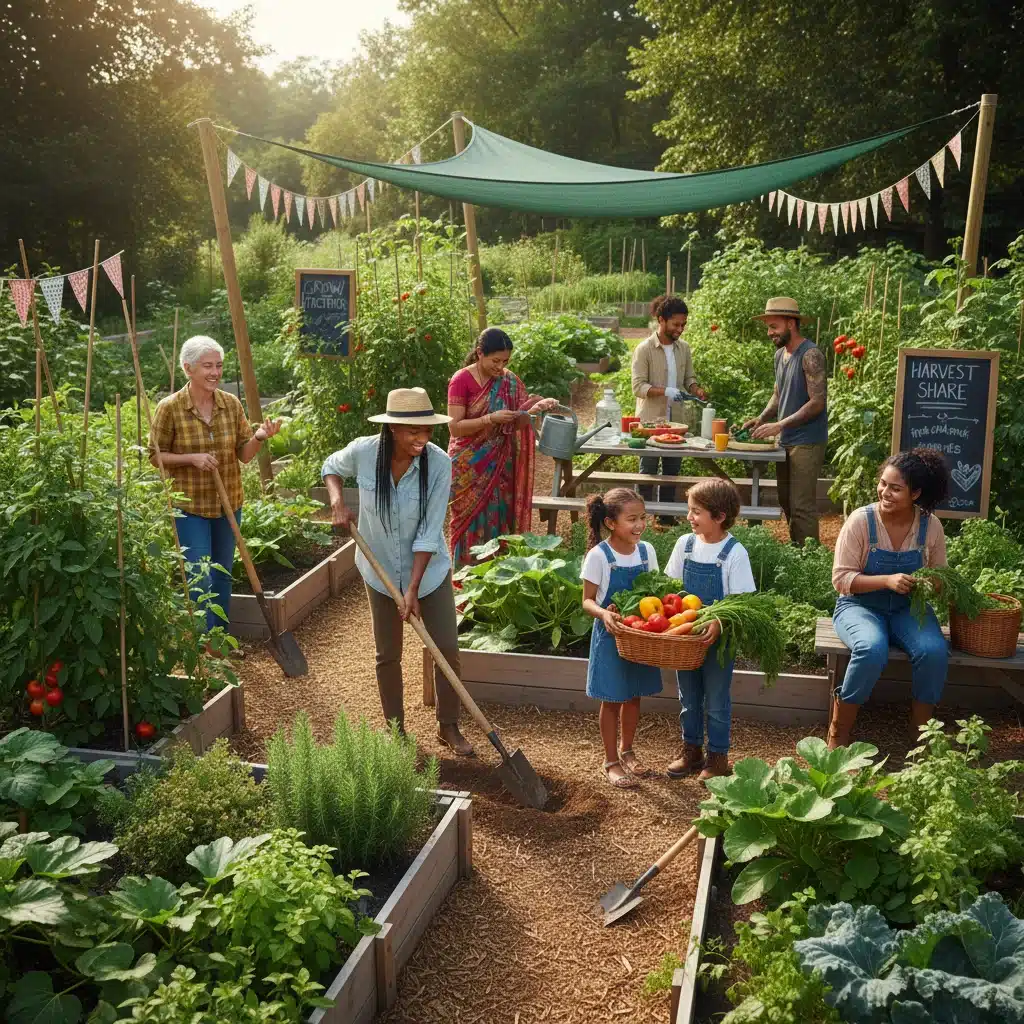
Integrating Sustainable Living Practices into Your Life
Embracing these innovative cultural practices doesn’t require an overnight transformation. It’s a journey of small, intentional steps that collectively lead to a significant impact. Start by identifying one or two areas where you feel you can make the most meaningful change. Perhaps it’s joining a local CSA, participating in a tool-sharing network, or dedicating a small portion of your garden to native plants. The key is to begin, learn, and adapt.
Educate yourself and your family about the benefits of sustainable living practices. Engage in community discussions and initiatives. The beauty of these cultural shifts is their emphasis on collaboration and shared responsibility. You don’t have to go it alone. Connect with neighbors, join local environmental groups, or explore online platforms dedicated to sustainable living. The collective power of individuals adopting these practices is what drives real change.
Consider the long-term benefits: a healthier planet, stronger communities, and often, a more fulfilling lifestyle. Reducing consumption, growing your own food, and sharing resources can lead to significant cost savings and a reduced environmental footprint. Moreover, the sense of connection and purpose derived from contributing to a sustainable future is invaluable. These practices are not just about deprivation; they are about reimagining abundance and well-being in a way that respects planetary boundaries.
The Future of Sustainable Living in the US
As we look towards the mid-2020s and beyond, the trajectory for sustainable living practices in US households is clear: it’s one of increasing integration, innovation, and community engagement. What were once considered radical ideas are steadily becoming commonplace, driven by a growing understanding of ecological limits and a collective desire for a better future. The six cultural practices outlined – hyper-local food sourcing, circular economy principles, the sharing economy, regenerative home and garden practices, mindful technology consumption, and community resilience hubs – represent a powerful shift.
These trends are not isolated; they often intersect and reinforce each other. A community garden (hyper-local food) might also be a resilience hub, using rainwater harvesting (regenerative practices) and sharing tools (sharing economy). This interconnectedness is precisely what makes them so effective and resilient. The future of sustainable living in the US is not about individual sacrifice but about collective ingenuity, collaboration, and a profound re-evaluation of our relationship with resources, nature, and each other.
Embracing these practices means building a future that is not only environmentally sound but also socially equitable and economically robust. It’s about creating vibrant, resilient communities where human well-being and ecological health are inextricably linked. The journey towards a truly sustainable society is ongoing, but with these innovative cultural practices taking root across US households, the path forward looks brighter than ever.