Mental Health Awareness 2026: Cultural Approaches & Practical Solutions in America
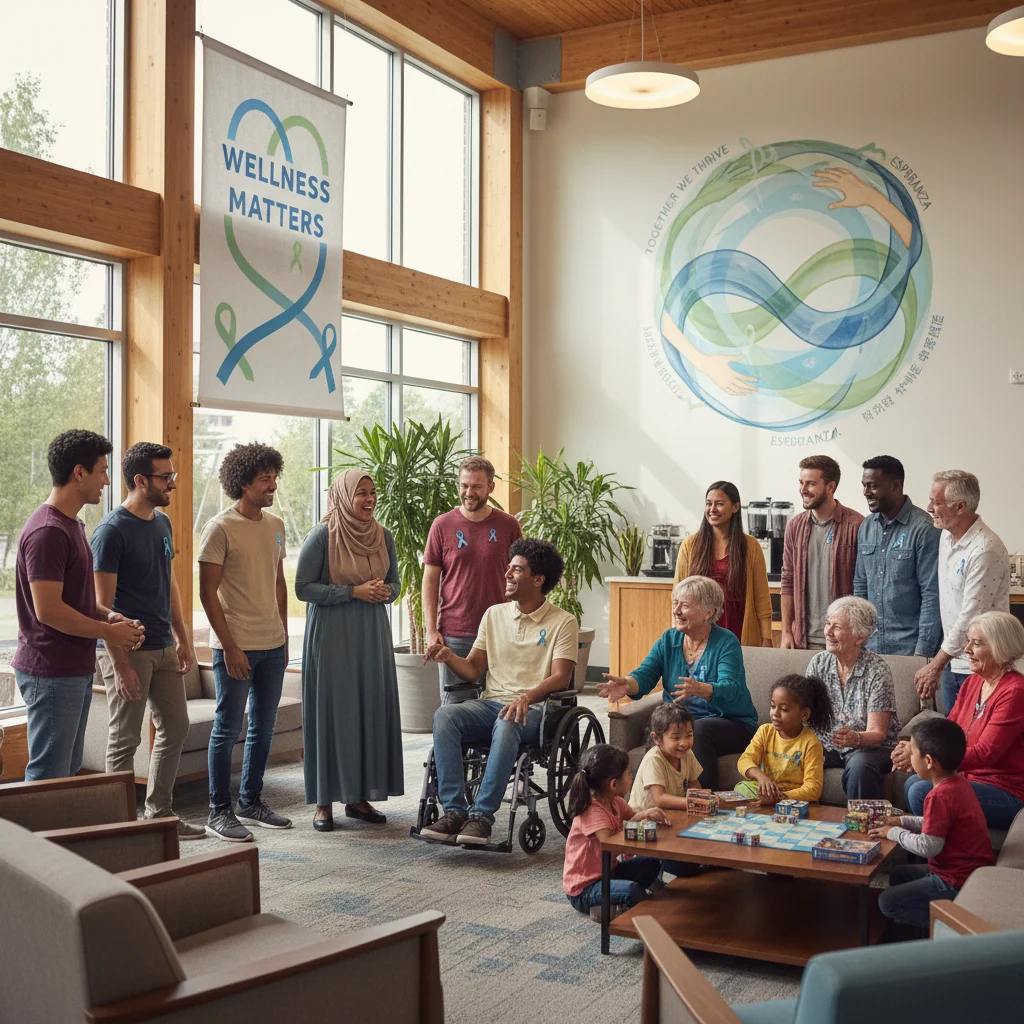
Mental Health Awareness 2026: America’s Evolving Cultural Approach to Well-being
In the dynamic landscape of modern society, the conversation around Mental Health Awareness has evolved from a whispered concern to a central pillar of public discourse. As we look towards 2026, America stands at a pivotal juncture, embracing a more nuanced, culturally sensitive, and proactive approach to well-being. This shift isn’t merely a trend; it’s a fundamental re-evaluation of how we understand, address, and integrate mental health into the fabric of our daily lives. The journey towards comprehensive Mental Health Awareness is ongoing, marked by significant strides in destigmatization, improved accessibility, and a deeper appreciation for the diverse experiences that shape individual and collective mental states.
The year 2026 promises to be a landmark for Mental Health Awareness in the United States, characterized by innovative solutions, policy advancements, and a growing emphasis on community-led initiatives. This article will delve into the multifaceted aspects of this evolution, exploring the cultural shifts, recent updates in research and policy, and, most importantly, practical solutions that individuals and communities can adopt to foster a healthier mental landscape. Our goal is to provide a comprehensive overview that empowers readers with knowledge and actionable strategies, reinforcing the idea that mental health is not just an individual responsibility but a collective societal imperative.
The Shifting Tides of Cultural Understanding
For decades, mental health in America was often viewed through a narrow lens, frequently shrouded in misunderstanding and societal stigma. However, 2026 marks a significant departure from this past. There’s a palpable shift towards a more inclusive and empathetic understanding, recognizing that mental health is profoundly influenced by cultural background, socioeconomic status, and lived experiences. This expanded perspective is crucial for effective Mental Health Awareness initiatives.
Embracing Diversity in Mental Health Narratives
One of the most profound changes in the cultural approach to mental health is the increasing recognition of diverse narratives. Traditional mental health models, often rooted in Western psychological frameworks, are being challenged and enriched by perspectives from various ethnic, racial, and LGBTQ+ communities. This includes an acknowledgment of how historical trauma, systemic discrimination, and cultural norms can impact mental well-being and influence help-seeking behaviors. For example, indigenous communities are increasingly advocating for and integrating traditional healing practices into modern mental health care, offering holistic approaches that resonate deeply with their cultural values. Similarly, within Asian American communities, discussions are moving beyond the ‘model minority’ myth to address the unique pressures and often silent struggles with mental health. Mental Health Awareness campaigns are now more frequently tailored to specific cultural groups, using culturally relevant language and imagery to foster trust and engagement.
Destigmatization through Open Dialogue and Representation
The power of storytelling and representation cannot be overstated in the fight against mental health stigma. In 2026, we see an unprecedented level of open dialogue, with public figures, celebrities, and everyday individuals sharing their mental health journeys. This vulnerability helps normalize conversations around anxiety, depression, PTSD, and other conditions, demonstrating that mental health challenges are common and treatable. Social media platforms, once criticized for their potential negative impact on mental health, are now also serving as powerful tools for advocacy and community building, enabling peer support networks and disseminating information about Mental Health Awareness to wider audiences. Educational institutions are also playing a vital role, integrating mental health literacy into curricula from an early age, equipping younger generations with the tools to understand and discuss emotional well-being without shame.
Recent Updates and Policy Advancements in 2026
The year 2026 has brought forth several significant updates in both policy and research, reinforcing America’s commitment to improved Mental Health Awareness and care. These advancements are critical for building a robust and responsive mental health infrastructure.
Telehealth and Digital Mental Health Solutions
The accelerated adoption of telehealth during recent global events has transformed mental healthcare delivery, and by 2026, it has become a cornerstone of accessibility. Digital mental health platforms offer a range of services, from virtual therapy sessions to AI-powered chatbots for emotional support and mood tracking apps. These technologies have significantly reduced geographical barriers to care, making mental health services available to individuals in rural areas or those with mobility challenges. Furthermore, the convenience and privacy offered by telehealth have encouraged more people to seek help, contributing positively to Mental Health Awareness by making it easier to engage with support services. Policies are continuously being refined to ensure equitable access, data privacy, and the efficacy of these digital solutions.
Integrated Care Models and Early Intervention
A major policy push in 2026 is the widespread implementation of integrated care models, where mental health services are co-located or closely coordinated with primary healthcare. This approach recognizes the intrinsic link between physical and mental health, ensuring that individuals receive holistic care. Early intervention programs are also gaining traction, particularly for adolescents and young adults, who are often at critical developmental stages where mental health challenges can first emerge. These programs aim to identify risk factors early, provide timely support, and prevent conditions from escalating, thereby improving long-term outcomes. Funding for these initiatives has seen a significant increase, underscoring their importance in national Mental Health Awareness strategies.
Workplace Mental Health Initiatives
Recognizing the significant impact of work environments on mental well-being, 2026 has seen a surge in comprehensive workplace mental health initiatives. Companies are increasingly investing in employee assistance programs (EAPs), mental health training for managers, and creating supportive cultures that prioritize work-life balance and psychological safety. Legislation is also being considered to mandate certain mental health provisions in the workplace, moving beyond voluntary programs to ensure a baseline level of support for all employees. This proactive approach not only benefits individual employees but also leads to increased productivity, reduced absenteeism, and a more engaged workforce, highlighting the economic and social benefits of robust Mental Health Awareness in corporate settings.
Practical Solutions for Fostering Mental Well-being
While policy and cultural shifts lay the groundwork, practical solutions are what truly empower individuals and communities to cultivate stronger mental health. These strategies are diverse, catering to different needs and preferences, and form the core of effective Mental Health Awareness.
Individual Strategies: Building Resilience and Self-Care
At the individual level, fostering mental well-being often begins with cultivating resilience and embedding self-care practices into daily routines. This isn’t about ignoring challenges but equipping oneself with the tools to navigate them effectively. Mindfulness and meditation continue to be highly recommended practices, offering techniques to manage stress, improve focus, and enhance emotional regulation. Regular physical activity, a balanced diet, and adequate sleep are foundational elements that directly impact mood and cognitive function. Developing strong social connections and engaging in hobbies or activities that bring joy and a sense of purpose are also vital for overall mental health. Furthermore, learning to set boundaries, practice self-compassion, and seek professional help when needed are crucial skills for maintaining long-term well-being.

Community-Based Approaches: Strengthening Support Networks
Beyond individual efforts, communities play a pivotal role in promoting Mental Health Awareness and providing support. Local initiatives often include peer support groups, community mental health centers, and educational workshops designed to destigmatize mental illness and provide resources. Libraries, community centers, and faith-based organizations are increasingly becoming hubs for mental health information and support, offering accessible and low-cost services. Volunteer programs that connect individuals with opportunities to help others can also boost feelings of purpose and connection, beneficial for both the volunteers and those they assist. The emphasis here is on creating environments where individuals feel seen, heard, and supported, reducing feelings of isolation and fostering a collective sense of responsibility for well-being.
Technological Innovations for Personalized Care
The rapid advancement of technology offers new avenues for personalized mental health care. Beyond traditional telehealth, 2026 sees the rise of AI-driven therapeutic tools, virtual reality (VR) therapy for specific phobias or PTSD, and wearable devices that monitor physiological indicators of stress and suggest interventions. These technologies are not meant to replace human interaction but to augment it, offering supplementary support and making care more tailored to individual needs. For instance, AI chatbots can provide immediate, empathetic responses and guide users through cognitive behavioral therapy (CBT) exercises. VR environments can create safe spaces for exposure therapy or mindfulness practices. The ethical considerations around data privacy and algorithmic bias remain paramount, ensuring these innovations are deployed responsibly to enhance Mental Health Awareness and treatment.
Addressing Specific Challenges in 2026
Despite significant progress, several challenges persist in the realm of mental health. In 2026, targeted efforts are being made to address these specific areas to ensure a more equitable and effective system of care.
Youth Mental Health Crisis
The mental health of children and adolescents remains a critical concern. Rising rates of anxiety, depression, and suicidal ideation among young people necessitate urgent and comprehensive solutions. Schools are increasingly becoming frontline providers of mental health support, integrating counselors, psychologists, and social workers into their staff. Programs focused on social-emotional learning (SEL) are being expanded to equip students with coping mechanisms and emotional intelligence. Furthermore, efforts are underway to regulate social media use among minors and mitigate its potential negative impacts, while simultaneously leveraging its positive aspects for peer support and Mental Health Awareness campaigns tailored for younger audiences.
Access to Care for Underserved Populations
Disparities in access to quality mental healthcare continue to be a significant barrier, particularly for low-income communities, racial and ethnic minorities, and individuals in rural areas. In 2026, policy initiatives are focusing on increasing funding for community mental health centers, expanding Medicaid coverage for mental health services, and incentivizing mental health professionals to practice in underserved areas. Culturally competent care, which considers the unique cultural contexts of patients, is also a growing priority, ensuring that treatment is not only accessible but also relevant and respectful. Telehealth plays a crucial role in bridging these gaps, but efforts are also directed at addressing the digital divide to ensure everyone can benefit from these advancements in Mental Health Awareness and care.
The Role of Education and Training
A well-trained and diverse mental health workforce is essential for meeting the growing demand for services. In 2026, there’s a concerted effort to increase the number of mental health professionals through scholarships, loan forgiveness programs, and improved training pathways. Emphasis is also placed on interdisciplinary training, encouraging collaboration between mental health providers, primary care physicians, social workers, and educators. This holistic approach ensures that mental health is integrated across various sectors, enhancing the overall system of care and strengthening Mental Health Awareness at every touchpoint.
The Future of Mental Health Awareness: A Vision for 2026 and Beyond
Looking ahead, the trajectory for Mental Health Awareness in America is one of continued growth, innovation, and deepening empathy. The progress made by 2026 is not an endpoint but a stepping stone towards a future where mental health is truly valued on par with physical health, and where support is readily available, culturally relevant, and free from stigma.
Prevention as a Primary Focus
A key aspect of the future vision is a stronger emphasis on prevention. Moving beyond reactive treatment, future initiatives will increasingly focus on proactive strategies to build mental resilience from an early age, foster supportive environments, and address systemic factors that contribute to mental distress. This includes universal prevention programs in schools, public health campaigns promoting mental well-being, and policies that support healthy communities and reduce social determinants of mental illness. This preventative approach is fundamental to embedding Mental Health Awareness deeply within society.
Research and Innovation
Ongoing research will continue to unlock new understandings of the brain, mental illnesses, and effective treatments. Advances in neuroscience, genetics, and personalized medicine hold the promise of more targeted and effective interventions. Furthermore, research into the efficacy of culturally specific therapies and community-based interventions will ensure that care is not only evidence-based but also culturally appropriate and impactful. Funding for such research will be crucial in shaping the next generation of mental health care.

Global Collaboration
Mental health is a global challenge, and America’s experience in 2026 will undoubtedly contribute to and learn from international efforts. Collaboration with other nations on research, policy development, and best practices will accelerate progress and foster a collective understanding of mental well-being on a global scale. Sharing insights and successful models can lead to more robust and adaptable strategies for Mental Health Awareness worldwide.
Conclusion
The journey towards comprehensive Mental Health Awareness in America by 2026 is a testament to collective resilience, evolving understanding, and a shared commitment to well-being. The cultural shift towards destigmatization, coupled with significant advancements in policy and technology, has created a more supportive and accessible landscape for mental health care. From embracing diverse narratives and integrating care models to fostering individual resilience and leveraging technological innovations, the multifaceted approach being taken is both holistic and forward-thinking.
While challenges remain, particularly in ensuring equitable access and addressing specific vulnerabilities like youth mental health, the trajectory is undeniably positive. The ongoing commitment to prevention, research, and global collaboration paints a hopeful picture for the future. As individuals, communities, and a nation, our collective efforts in promoting Mental Health Awareness are not just about treating illness but about fostering a society where mental well-being is a fundamental right, celebrated, supported, and integrated into every aspect of life. The year 2026 marks a significant milestone in this crucial and ongoing endeavor, bringing us closer to a healthier, more empathetic, and resilient America.