Reimagining Education: 3 Cultural Shifts in American Learning Models for 2026
The American educational system, a cornerstone of societal progress and individual development, is on the cusp of a profound transformation. As we look towards 2026, it’s clear that the traditional paradigms of learning are being challenged, reshaped, and in many cases, entirely reinvented. These aren’t just minor adjustments; we’re witnessing significant Education Cultural Shifts that demand our attention, understanding, and proactive engagement. This article will delve into three pivotal cultural shifts poised to redefine American learning models, offering practical solutions and recent updates for navigating this evolving landscape.
The journey of education has always been one of evolution, from rote memorization to critical thinking, from isolated classrooms to interconnected global learning networks. However, the pace of change has accelerated dramatically in recent years, driven by technological advancements, societal demands for more relevant skills, and a growing recognition of diversity in learning styles. These forces are converging to create an environment where adaptability, innovation, and a learner-centric approach are no longer aspirational but imperative. Understanding these Education Cultural Shifts is crucial for educators, policymakers, parents, and students alike, as it equips us to better prepare for the future of learning.
The implications of these shifts are far-reaching. They touch upon curriculum design, pedagogical methods, assessment strategies, teacher training, and even the physical and virtual spaces where learning occurs. Ignoring these trends would be akin to teaching navigation with a compass in an era of GPS – effective for a past reality, but woefully inadequate for the present and future. Therefore, our exploration will not only identify these shifts but also provide actionable insights and highlight recent developments that are already shaping the educational landscape.
Shift 1: From Standardized Learning to Personalized Pathways
For decades, the American education system largely operated on a standardized model, where a ‘one-size-fits-all’ curriculum and teaching approach were the norms. While this model aimed for equity by providing a common baseline, it often overlooked the unique needs, strengths, and interests of individual students. However, one of the most significant Education Cultural Shifts currently underway is the powerful movement towards personalized learning pathways. This shift recognizes that each learner is distinct and thrives when their educational journey is tailored to their specific pace, style, and goals.
The Limitations of Standardization
The standardized model, while well-intentioned, often led to several challenges. Students who learned at a faster pace might become bored, while those requiring more time or different approaches could fall behind, leading to disengagement and a sense of failure. Furthermore, the emphasis on standardized testing often narrowed the curriculum, prioritizing subjects easily quantifiable over those fostering creativity, critical thinking, or socio-emotional development. This approach, while providing a common framework, frequently stifled innovation and failed to prepare students adequately for a rapidly changing world that demands adaptability and problem-solving skills, not just factual recall.
The Rise of Personalized Learning
Personalized learning, in contrast, champions an approach where instruction, curriculum, and learning environments are customized to meet the individual needs of each student. This doesn’t mean every student learns in isolation; rather, it means leveraging data, technology, and flexible pedagogical strategies to create a more responsive and effective educational experience. The goal is to empower students to take ownership of their learning, fostering intrinsic motivation and deeper understanding. This is a monumental Education Cultural Shift that requires rethinking everything from classroom layout to teacher roles.
Practical Solutions for Personalized Pathways:
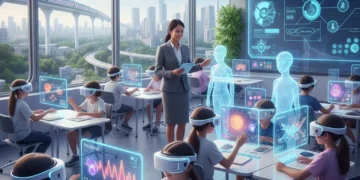
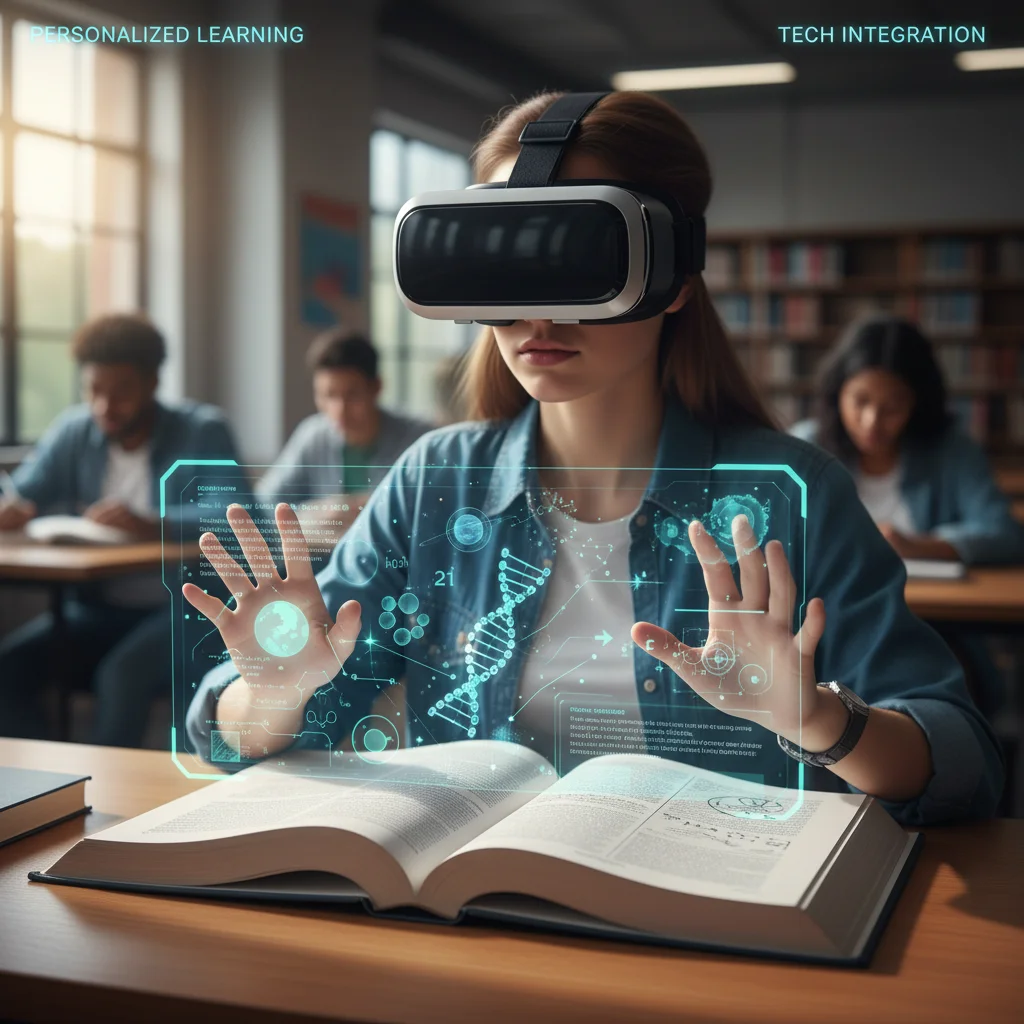
- Adaptive Learning Technologies: AI-powered platforms can assess student proficiency in real-time, provide targeted instruction, and recommend resources based on individual learning gaps and strengths. These tools free up teachers to focus on higher-order thinking skills and individual mentorship.
- Competency-Based Education (CBE): Moving away from seat time, CBE allows students to progress based on demonstrating mastery of specific skills and knowledge, rather than simply completing a course. This encourages deeper learning and allows for varied pacing.
- Individualized Learning Plans (ILPs): Collaboratively developed by students, teachers, and parents, ILPs outline specific learning goals, strategies, and resources tailored to the student’s interests and aspirations.
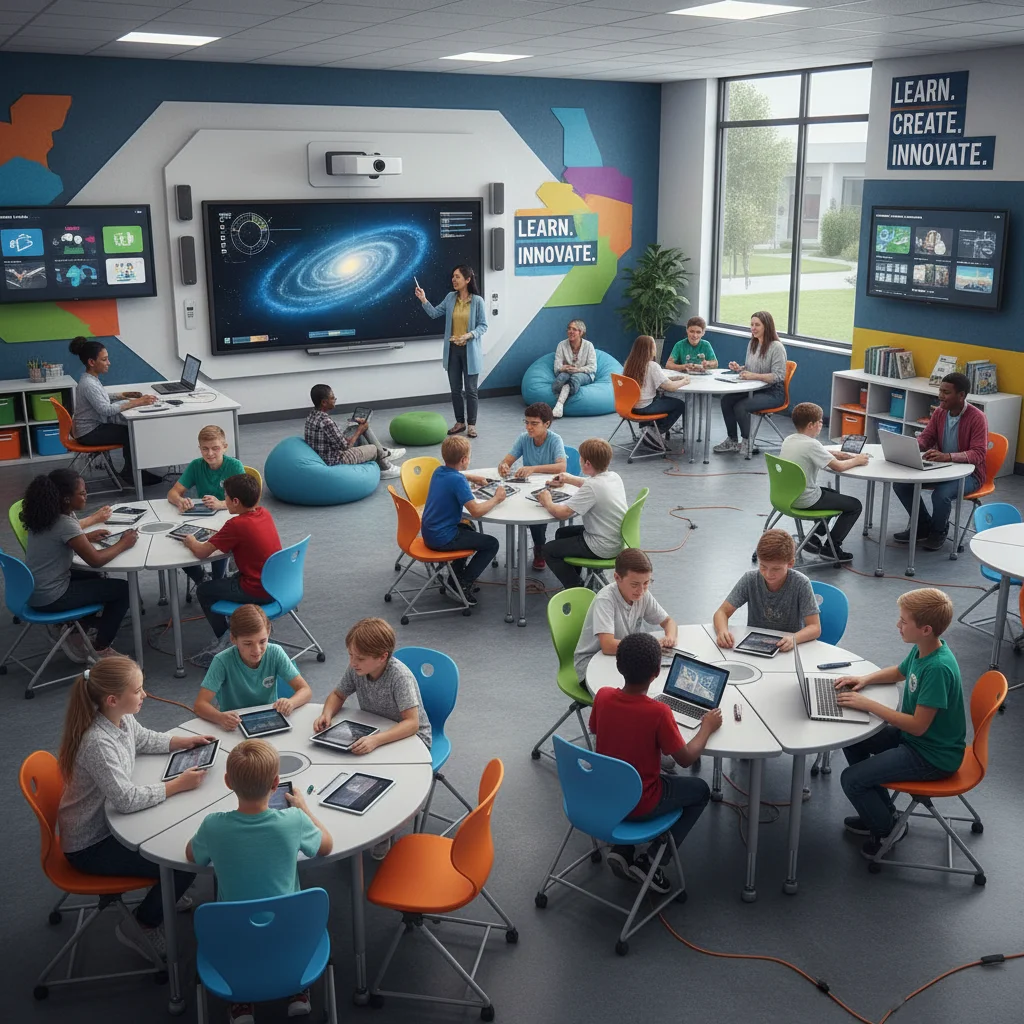
- Flexible Learning Environments: Creating diverse learning spaces within schools that cater to different activities – quiet zones for independent study, collaborative areas for group projects, and hands-on labs for experiential learning.
- Project-Based Learning (PBL): Engaging students in extended projects that require them to investigate and respond to complex questions, problems, or challenges. PBL naturally allows for differentiation and student choice, making learning relevant and engaging.
Recent Updates and Progress:
Many school districts across the U.S. are piloting and scaling personalized learning initiatives. For example, the use of learning management systems (LMS) with adaptive features has become widespread, allowing for differentiated assignments and resources. Furthermore, states like New Hampshire have been at the forefront of implementing competency-based models, influencing other states to explore similar frameworks. The pandemic, while disruptive, inadvertently accelerated the adoption of digital tools that support personalized learning, forcing educators to become more adept at leveraging technology for individual student needs. This rapid adoption has solidified personalized learning as a key Education Cultural Shift.
Shift 2: Embracing Experiential and Interdisciplinary Learning
The second major Education Cultural Shift is the move away from siloed, theoretical instruction towards immersive, hands-on, and interdisciplinary learning experiences. The modern world demands individuals who can connect disparate pieces of information, apply knowledge to real-world problems, and collaborate effectively. Traditional education, often compartmentalized into distinct subjects, frequently struggled to cultivate these crucial skills. The shift now emphasizes learning by doing and understanding how different fields of study intersect.
The Limitations of Traditional Subject Silos
Historically, subjects like history, math, science, and literature were taught in isolation, with little explicit connection between them. While this approach provided foundational knowledge in each discipline, it often left students wondering about the relevance of what they were learning and how it applied to the complex, interconnected challenges of the real world. This fragmentation hindered the development of holistic thinking and problem-solving abilities, which are essential for success in any modern career or civic role. The need to overcome these limitations is a driving force behind this Education Cultural Shift.
The Power of Experiential and Interdisciplinary Approaches
Experiential learning emphasizes direct experience and reflection. It acknowledges that people learn best when actively engaged in a task, experiment, or project. Interdisciplinary learning, on the other hand, breaks down the artificial barriers between subjects, encouraging students to explore topics through multiple lenses. When combined, these approaches create a dynamic, engaging, and highly effective learning environment that mirrors the complexities of the outside world. This Education Cultural Shift is about making learning meaningful and applicable.
Practical Solutions for Experiential and Interdisciplinary Learning:
- Project-Based Learning (PBL) (Revisited): As mentioned earlier, PBL is a cornerstone of this shift. Projects can be designed to integrate multiple subjects, such as building a sustainable model city (science, math, civics, art) or researching and presenting a historical event from various cultural perspectives (history, literature, social studies).
- Service-Learning: Integrating community service with academic instruction and reflection. Students apply classroom knowledge to address real community needs, fostering civic responsibility and deeper understanding of course material.
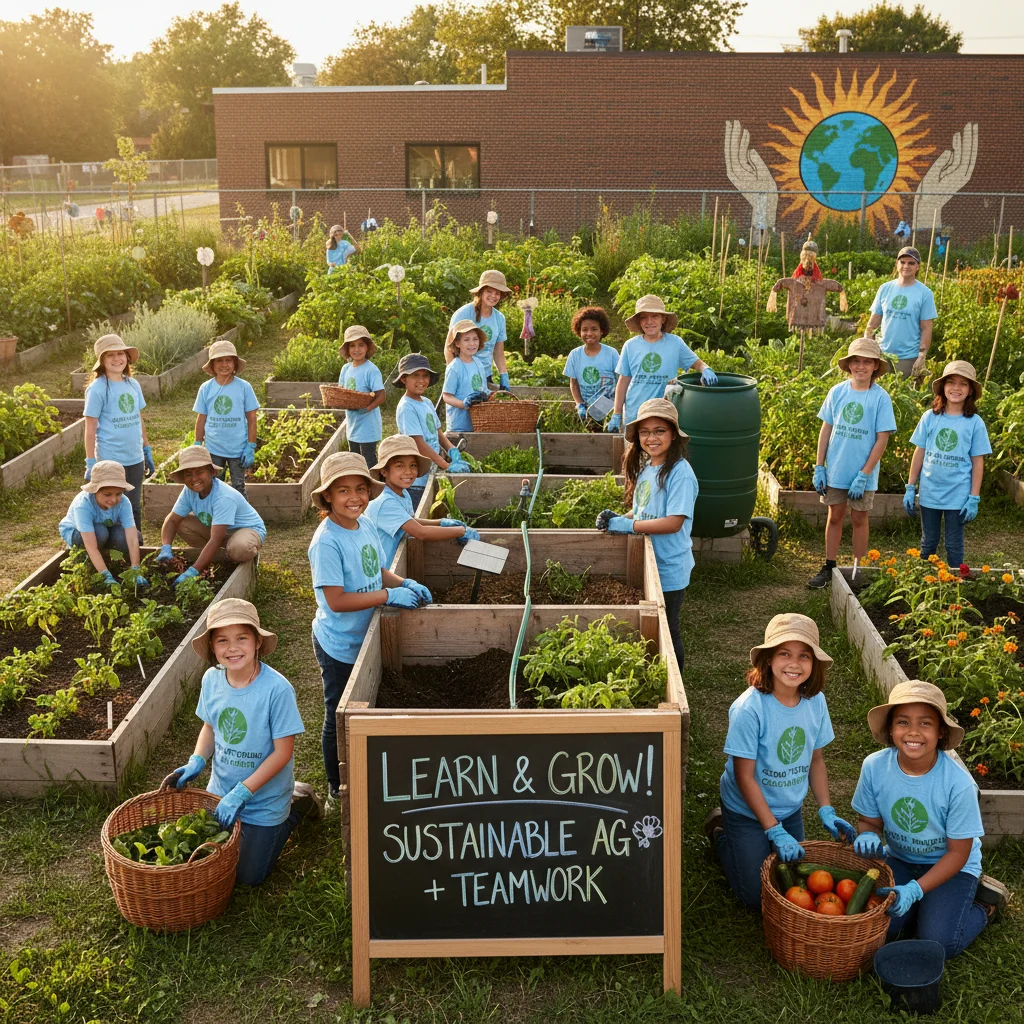
- Outdoor and Environmental Education: Using the natural world as a classroom. Field trips, nature exploration, and conservation projects provide hands-on scientific inquiry and environmental awareness.
- STEAM Education (Science, Technology, Engineering, Arts, and Mathematics): This integrated approach emphasizes the connections between these disciplines, often through design thinking and creative problem-solving. The ‘A’ for Arts is crucial for fostering innovative thinking.
- Internships and Apprenticeships: Providing opportunities for older students to gain practical experience in various industries, connecting academic learning with professional skills and career exploration.
- Simulations and Role-Playing: Creating realistic scenarios where students can practice decision-making, negotiation, and critical thinking in a safe environment, such as mock trials, business simulations, or diplomatic conferences.
Recent Updates and Progress:
The growth of makerspaces and innovation labs within schools exemplifies this shift, providing students with tools and opportunities for hands-on design and creation. Universities and K-12 institutions are increasingly collaborating to develop interdisciplinary curricula that prepare students for emerging fields. Furthermore, the emphasis on ’21st-century skills’ like collaboration, communication, critical thinking, and creativity, often fostered through experiential and interdisciplinary projects, has gained significant traction in educational policy and practice. This Education Cultural Shift is not just a trend but a fundamental reorientation of how we prepare students for life beyond school.
Shift 3: Empowering Student Voice and Agency
The third transformative Education Cultural Shift centers on moving from a teacher-centric, hierarchical model to one that significantly amplifies student voice and fosters genuine agency. Historically, students were often passive recipients of knowledge, with limited input into their learning journey or the broader school environment. This new paradigm recognizes students as active co-creators of their education, capable of making meaningful choices and contributing to their learning communities.
The Limitations of a Passive Student Role
When students are primarily seen as recipients, their intrinsic motivation can wane. They may feel disconnected from the relevance of their studies, leading to disengagement, lower academic performance, and a lack of ownership over their educational outcomes. Furthermore, a system that doesn’t solicit student input misses valuable perspectives on what works, what doesn’t, and how to improve the learning experience. This traditional structure often failed to cultivate critical skills like self-advocacy, leadership, and proactive problem-solving, which are vital for adult life. Recognizing these shortcomings underpins this significant Education Cultural Shift.
Cultivating Student Voice and Agency
Student voice refers to providing students with opportunities to express their ideas, opinions, and perspectives on issues that affect them. Student agency, building on voice, empowers students to make choices, take action, and influence their learning and learning environment. It’s about fostering a sense of ownership and responsibility. When students have a say in their education, they are more engaged, motivated, and invested in their success, leading to deeper learning and personal growth. This Education Cultural Shift is about transforming the power dynamic in education.
Practical Solutions for Empowering Student Voice and Agency:
- Student-Led Conferences: Instead of traditional parent-teacher conferences, students lead discussions about their progress, goals, and challenges, demonstrating self-reflection and accountability.
- Choice and Autonomy in Learning: Offering students options in how they demonstrate understanding (e.g., presentation, essay, project), what topics they explore within a framework, or even which learning activities they engage in.
- Student Councils and Advisory Boards: Establishing genuine student governance bodies that have real influence on school policies, curriculum development, and school culture.
- Restorative Justice Practices: Empowering students to resolve conflicts and address behavioral issues collaboratively, fostering empathy, accountability, and a sense of community.
- Peer Teaching and Mentoring: Providing opportunities for students to teach and support their peers, which not only reinforces their own learning but also develops leadership and communication skills.
- Feedback Loops: Systematically soliciting and acting upon student feedback regarding teaching methods, course content, and the overall school environment. This demonstrates that student opinions are valued.
- Capstones and Passion Projects: Allowing students to pursue in-depth projects on topics they are genuinely passionate about, often culminating in a presentation or exhibition to a wider audience. This fosters deep engagement and self-directed learning.
Recent Updates and Progress:
The rise of student activism on various social and environmental issues has highlighted the power and importance of student voice. Many schools are now actively integrating student feedback into curriculum revisions and school improvement plans. Digital platforms and social media have also provided new avenues for students to express their views and organize. Furthermore, educators are increasingly adopting pedagogical approaches that naturally foster agency, such as inquiry-based learning and design thinking, where students are given a problem to solve and the autonomy to explore solutions. This Education Cultural Shift is not just about making students feel heard, but about giving them the tools and opportunities to shape their own educational destinies and contribute meaningfully to their communities.
The Intersection of the Shifts: A Holistic Vision for 2026
It’s important to recognize that these three Education Cultural Shifts are not isolated phenomena; they are deeply interconnected and mutually reinforcing. Personalized learning pathways thrive when students have agency in choosing those paths and when their learning involves real-world, interdisciplinary experiences. Experiential learning becomes even more impactful when tailored to individual student interests and when students have a voice in designing their projects. And student agency is most powerful when students are empowered to personalize their education and engage in meaningful, hands-on learning that addresses complex, interdisciplinary challenges.
Consider a future classroom in 2026 where these shifts are fully integrated. A student might be using an adaptive learning platform to master foundational math concepts at their own pace (personalized learning). Once proficient, they might collaborate with peers on a project to design a sustainable urban farm for their community, integrating biology, engineering, economics, and civics (experiential and interdisciplinary learning). Throughout this project, they would have significant input on the project’s direction, their role within the team, and how their final presentation is delivered (student voice and agency). This holistic approach creates a far richer, more relevant, and more engaging educational experience than traditional models ever could.
The role of the educator in this transformed landscape also evolves. Teachers shift from being sole disseminators of information to facilitators, mentors, and guides. They become experts in designing rich learning experiences, leveraging technology, and nurturing student potential. Professional development for educators must therefore adapt to equip them with the skills to navigate these complex and dynamic learning environments. This is a crucial aspect of managing the ongoing Education Cultural Shifts effectively.
Challenges and Opportunities on the Horizon
While the vision for these Education Cultural Shifts is inspiring, their implementation is not without challenges. Issues such as equitable access to technology, adequate teacher training, funding for innovative programs, and overcoming resistance to change are significant hurdles. However, these challenges also present immense opportunities for innovation. Policymakers have the chance to create supportive frameworks, technology developers can design even more intuitive and effective tools, and communities can rally to support their local schools in embracing these transformative changes.
The potential rewards are substantial: a more engaged student body, graduates better prepared for the complexities of the 21st century, and an educational system that truly serves the diverse needs of all learners. By embracing personalized pathways, fostering experiential and interdisciplinary learning, and empowering student voice and agency, American education can move beyond incremental improvements to achieve truly transformative outcomes. This is not merely about updating curricula; it’s about fundamentally reimagining the culture of learning itself. The ongoing Cultural Shifts are not just trends to observe, but movements to actively participate in and shape for a brighter educational future.
Conclusion: A Call to Action for American Education
The year 2026 is not far off, and the Education Cultural Shifts discussed here are already gaining significant momentum. The shift from standardized to personalized learning, the embrace of experiential and interdisciplinary approaches, and the empowerment of student voice and agency are not just theoretical concepts; they are becoming the lived reality in forward-thinking schools and districts across the nation. These shifts represent a profound reorientation of our values and priorities in education, moving towards a system that is more equitable, engaging, and effective for every learner.
For parents, understanding these changes means advocating for schools that prioritize these modern approaches and supporting their children in taking ownership of their learning. For educators, it means embracing new pedagogies, leveraging technology creatively, and fostering a classroom culture where curiosity and collaboration thrive. For policymakers, it necessitates creating flexible policies, investing in professional development, and ensuring equitable access to resources that support these innovative models. And for students themselves, it means actively participating in their education, asking questions, seeking out meaningful experiences, and using their voices to shape their learning environments.
The future of American education is bright, but it requires collective effort, open-mindedness, and a willingness to challenge long-held assumptions. By consciously navigating and actively participating in these vital Education Cultural Shifts, we can ensure that our learning models are not just preparing students for the future, but empowering them to create it. The transformation is underway, and the next few years will be critical in solidifying these changes and building an educational system that is truly fit for the challenges and opportunities of the 21st century and beyond.