Elevate Your Digital Presence: 7 Key Updates in Social Platforms for Early 2026
Elevate Your Digital Presence: 7 Key Updates in Social Platforms for Early 2026
The digital landscape is a constantly shifting terrain, and nowhere is this more evident than in the realm of social media. For businesses, marketers, and content creators, staying abreast of the latest social platform updates is not merely advantageous; it’s absolutely essential for maintaining and elevating their digital presence. As we step into early 2026, a wave of significant changes is poised to redefine how we interact, create, and engage across our favorite platforms. Ignoring these shifts could mean falling behind, while embracing them opens doors to unprecedented opportunities for growth and connection. This comprehensive guide will delve into seven pivotal social platform updates that are set to make a profound impact in the coming months, providing you with the insights needed to strategically adapt and thrive.
The pace of innovation in social media is relentless. What works today might be obsolete tomorrow, and understanding the nuances of each platform’s evolution is crucial. Our focus here is on actionable intelligence – not just what’s changing, but how these social platform updates can be leveraged to your advantage. From enhanced AI capabilities to new monetization avenues and evolving content formats, each update presents a unique challenge and a powerful opportunity. Let’s embark on this journey to decode the future of social media and ensure your digital presence remains robust, relevant, and resonant.
1. Hyper-Personalization Driven by Advanced AI Algorithms
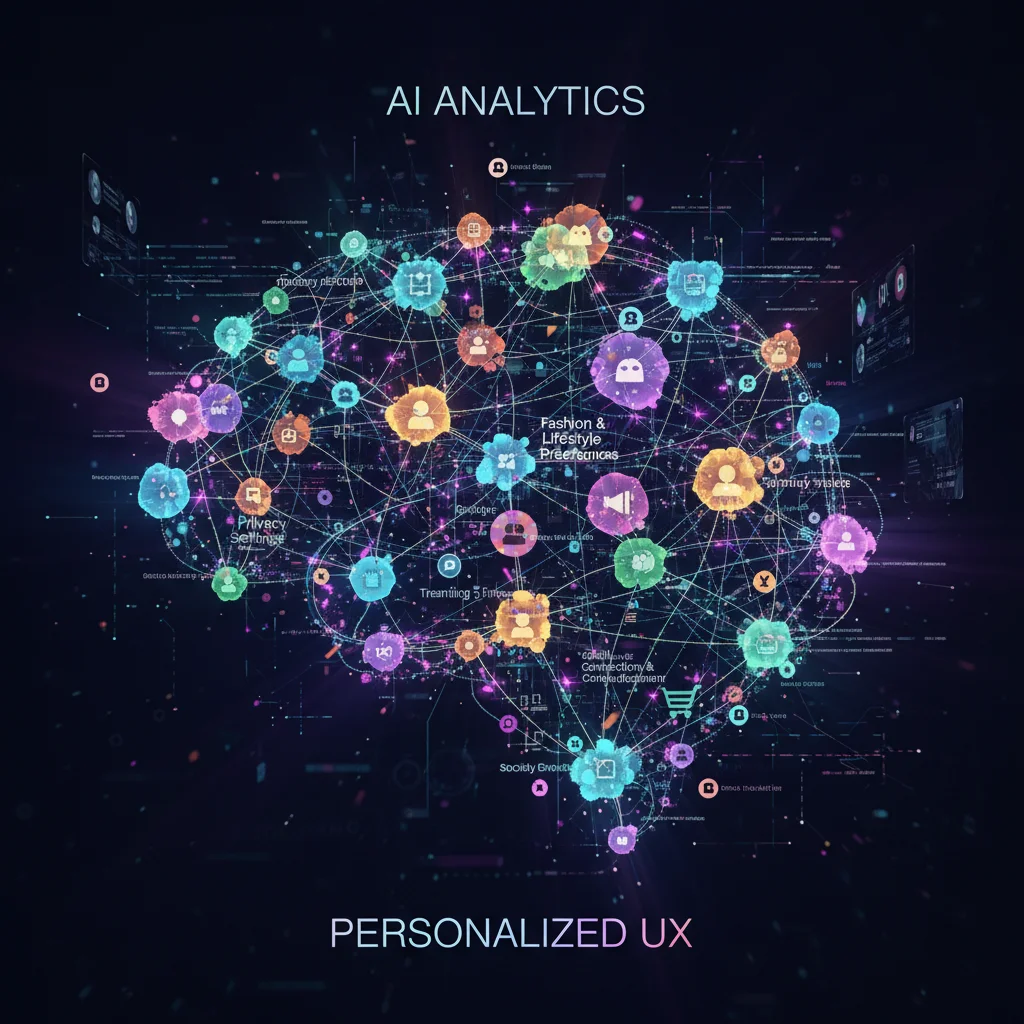
One of the most transformative social platform updates for early 2026 is the significant leap in hyper-personalization, powered by increasingly sophisticated AI algorithms. Platforms are moving beyond basic demographic targeting to offer truly individualized user experiences. This means feeds, recommendations, and even advertisements will be tailored with an unprecedented level of precision, based on real-time behavior, emotional cues, and predicted interests. For content creators and brands, this presents a dual challenge and opportunity. On one hand, reaching a diverse audience with a single piece of content becomes harder as algorithms prioritize hyper-relevance. On the other hand, the ability to connect with highly specific niche audiences who are genuinely interested in your offerings becomes significantly more potent.
To effectively navigate this shift, understanding your audience at a granular level is more important than ever. Brands must invest in deeper audience research, leveraging analytics to identify micro-segments and tailor content accordingly. This isn’t just about what you post, but how you post it, when you post it, and to whom. Expect to see more dynamic content delivery systems where a single piece of content can be subtly altered to resonate with different user profiles. The key takeaway here is that generic content will struggle to gain traction, while highly targeted, personalized content will achieve unparalleled engagement. These social platform updates demand a more nuanced content strategy, focusing on quality over quantity and relevance above all else.
The implications extend to advertising as well. Ad platforms will offer more sophisticated targeting options, allowing advertisers to reach users at specific points in their customer journey with highly relevant messages. This means a higher return on ad spend for those who master the art of personalized ad creative and targeting. Conversely, brands that continue with broad, untargeted campaigns will find their budgets quickly depleted with minimal impact. The future of social media engagement is personal, and AI is the engine driving this profound evolution in social platform updates.
2. The Rise of Immersive & Interactive Content Formats
Early 2026 will solidify the dominance of immersive and interactive content formats as a cornerstone of social platform updates. While short-form video has been king for a while, we’re now seeing a significant push towards augmented reality (AR) filters, virtual reality (VR) experiences, and highly interactive live streams and polls becoming mainstream. Platforms are investing heavily in technologies that allow users to not just consume content, but to actively participate in it. Think about AR try-on features for e-commerce, interactive storytelling where user choices dictate the narrative, or VR spaces for virtual events and product launches.
For content creators, this means expanding beyond traditional video and image production. Experimentation with AR lenses, 3D models, and interactive elements will become crucial. Brands can leverage these social platform updates to create memorable, shareable experiences that foster deeper engagement. Imagine a clothing brand allowing users to virtually ‘try on’ outfits before purchasing, or a travel company offering a VR tour of a destination. These experiences are not only engaging but also highly effective in driving conversions and brand loyalty.
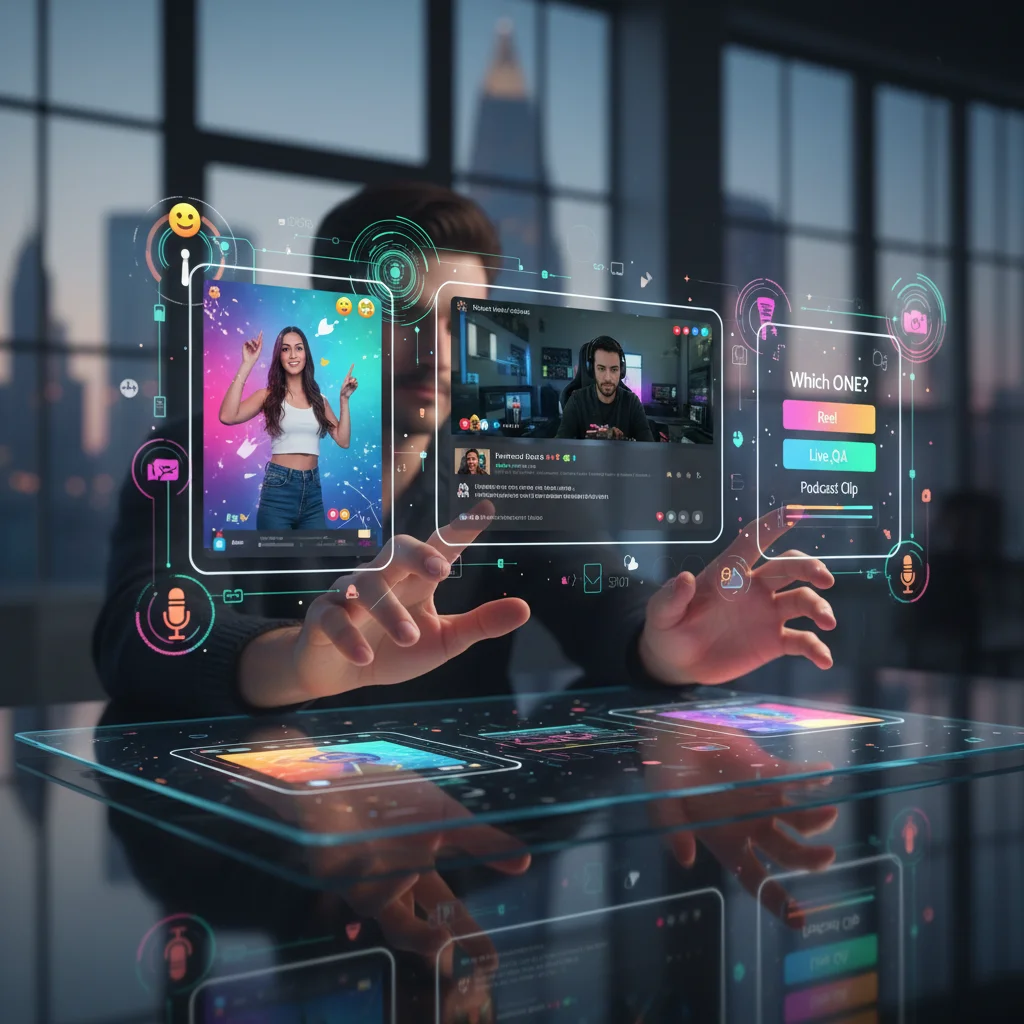
Live streaming, already popular, will become even more interactive, incorporating real-time polls, Q&A sessions with dynamic visualizations, and even audience participation through direct video calls. The goal is to break down the barrier between content creator and audience, fostering a sense of community and co-creation. Brands that embrace these new formats will find themselves at the forefront of audience engagement, creating viral moments and building strong, loyal followings. These social platform updates are a clear signal: static content is out, dynamic and participatory experiences are in.
3. Enhanced Creator Monetization & Brand Partnerships
A significant trend among social platform updates for early 2026 focuses on empowering creators with more diverse and robust monetization options, alongside streamlined brand partnership tools. Recognizing the value that creators bring to their ecosystems, platforms are introducing new subscription models, enhanced tipping features, integrated e-commerce functionalities, and direct advertising revenue shares. This shift aims to retain top talent and attract new creators by offering sustainable income streams directly through the platforms.
For creators, this translates into more opportunities to turn their passion into a profession, reducing reliance on external brand deals alone. It also incentivizes higher quality content creation, as users are more likely to pay for premium, exclusive, or highly valuable content. Brands, too, benefit from these social platform updates. Platforms are developing more sophisticated tools for identifying relevant creators, managing campaigns, and tracking performance, making influencer marketing more efficient and transparent. Expect to see integrated marketplaces where brands can directly connect with creators, negotiate deals, and execute campaigns all within the platform’s ecosystem.
This evolution also means a greater emphasis on authenticity and transparency in brand partnerships. As monetization becomes more direct, platforms will likely enforce stricter guidelines around disclosure and ethical advertising practices. For brands, this requires a strategic approach to selecting partners and ensuring alignment with their values. Success in this new landscape will hinge on building genuine relationships with creators and leveraging their unique voices to reach engaged audiences. These social platform updates are creating a more professionalized and robust creator economy, beneficial for both content producers and businesses seeking authentic reach.
4. The Evolution of Social Commerce & In-App Shopping
Social commerce is not new, but early 2026’s social platform updates are set to supercharge its capabilities, making in-app shopping a seamless and pervasive experience. Platforms are integrating advanced shopping features directly into feeds, stories, and live streams, allowing users to discover, browse, and purchase products without ever leaving the app. This includes one-click checkout, personalized product recommendations based on browsing history and AI analysis, and virtual try-on features as mentioned earlier.
For businesses, this represents a monumental shift in sales channels. Social media is transforming from a brand awareness tool into a direct revenue driver. Optimizing product catalogs for social platforms, creating shoppable content, and leveraging live shopping events will become critical components of any e-commerce strategy. The goal is to reduce friction in the customer journey, turning impulse interest into immediate purchases. These social platform updates are about convenience and immediacy, catering to the modern consumer’s desire for instant gratification.
Expect to see more sophisticated analytics for social commerce, allowing businesses to track sales, measure ROI, and optimize their social shopping strategies in real time. Influencers will play an even larger role in driving social commerce, as platforms provide them with direct tools to tag products and earn commissions on sales. The integration of payment systems directly within the apps will also contribute to this seamless experience. Brands that invest in creating compelling, shoppable content and a smooth in-app purchasing experience will undoubtedly gain a significant competitive edge in this evolving landscape of social platform updates.
5. Increased Focus on Data Privacy & User Control
Following years of scrutiny and evolving regulations, early 2026 will see social platform updates with a heightened emphasis on data privacy and user control. This means more transparent data collection practices, easier access to privacy settings, and potentially new tools that allow users to manage what information is shared with third-party advertisers. While this might seem counterintuitive to hyper-personalization, it’s about giving users explicit consent and greater agency over their digital footprint.
For brands and marketers, these social platform updates necessitate a shift towards more ethical and transparent data practices. Relying solely on broad audience data might become less effective, pushing businesses to focus on first-party data collection and building direct relationships with their audience through opt-ins and direct engagement. Advertisers will need to adapt to potentially more restrictive targeting options, emphasizing contextual relevance and creative excellence to capture attention rather than relying solely on precise personal data.
Platforms may introduce new privacy dashboards, allowing users to see exactly what data is being collected and how it’s being used, with easy toggles to opt-in or out of certain data sharing. This could impact the effectiveness of retargeting campaigns if users choose to limit tracking. The key for businesses is to build trust with their audience by being transparent about data usage and providing clear value in exchange for information. Brands that prioritize user privacy and demonstrate respect for their audience’s data will foster stronger loyalty in this new era of social platform updates.
6. The Integration of Web3 Technologies & Decentralization
While still in nascent stages, early 2026 will witness significant social platform updates experimenting with and integrating Web3 technologies, particularly blockchain and decentralized elements. This could manifest in several ways: verifiable digital ownership of content (NFTs), decentralized identity management, and even community-governed platforms. The promise of Web3 is to give users more control over their data and content, moving away from centralized platform ownership.
For creators, NFTs could offer new ways to monetize unique digital art, music, or even exclusive content, with built-in royalty mechanisms. Brands might explore NFTs for loyalty programs, digital collectibles, or as a new form of engagement with their most dedicated customers. Decentralized identity could mean users have a single, self-sovereign digital identity that they control across multiple platforms, rather than separate logins and profiles for each.
While a full shift to decentralized social media might be years away, these social platform updates indicate a growing interest in exploring alternative models. Businesses should monitor these developments closely, as they could fundamentally alter how content is owned, distributed, and monetized online. Understanding blockchain basics and the potential applications of Web3 will be crucial for positioning your brand for future digital innovation. Early adopters in this space could gain a significant first-mover advantage, demonstrating forward-thinking and tech-savviness to their audience.
7. The Blurring Lines Between Social Media & Professional Networking
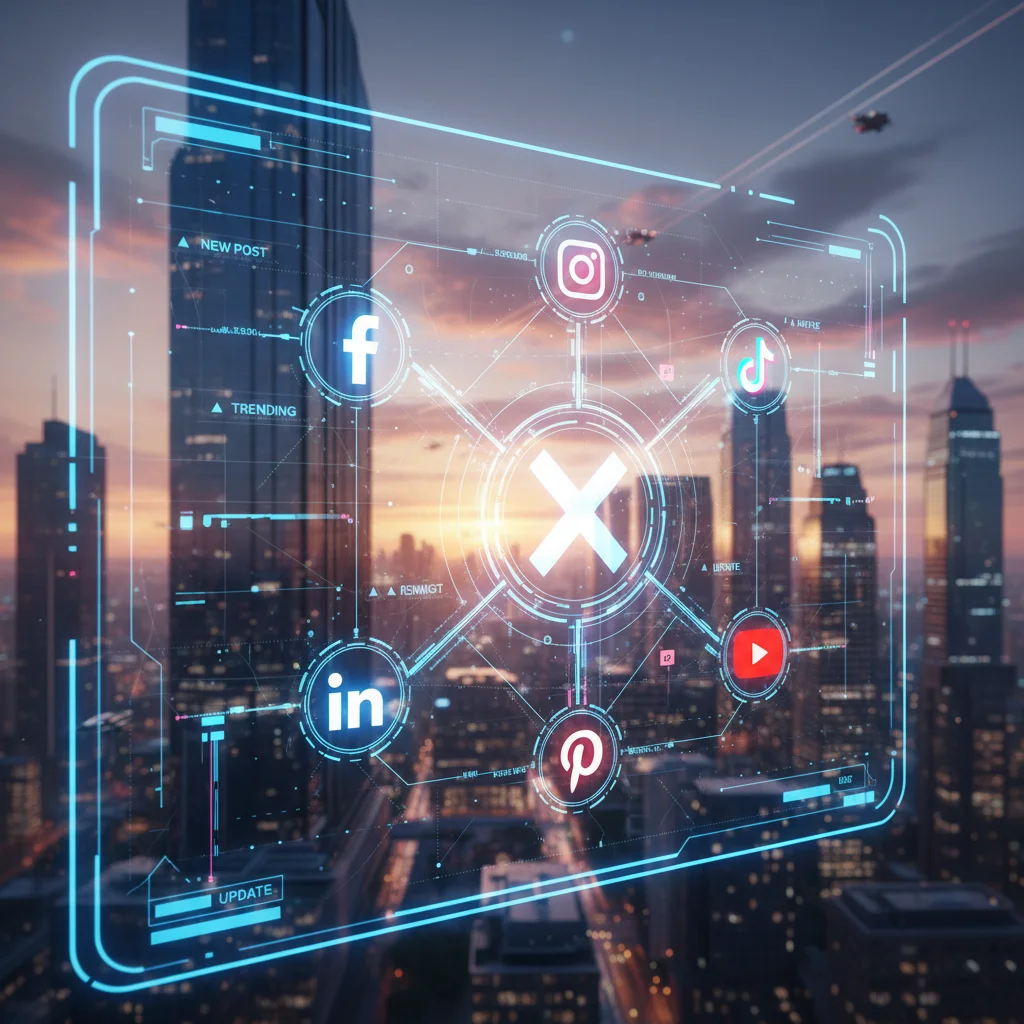
The final key among the social platform updates for early 2026 is the continued blurring of lines between traditionally ‘social’ platforms and professional networking sites. Platforms like LinkedIn are becoming more content-rich and interactive, incorporating elements seen on consumer-focused social media, such as short-form video and live discussions. Conversely, platforms like X (formerly Twitter) and Instagram are increasingly being used for professional networking, thought leadership, and B2B marketing, moving beyond purely personal connections.
This trend means that a unified digital presence strategy is more vital than ever. Content created for one platform might be repurposed or adapted for another, targeting different facets of an individual’s or brand’s identity. For professionals, maintaining a consistent and professional brand image across all platforms becomes critical. For businesses, it opens up new avenues for B2B engagement on platforms traditionally seen as B2C, and vice-versa.
Expect to see more robust tools for professional content creation and distribution on consumer platforms, and more engaging, ‘social’ features on professional networking sites. This requires a holistic approach to your digital strategy, recognizing that your audience might be engaging with your brand on multiple platforms for different reasons. Understanding the evolving demographics and use cases of each platform, driven by these social platform updates, will be key to crafting effective cross-platform strategies and maximizing your overall digital reach and influence.
Navigating the Future: Strategies for Success Amidst Social Platform Updates
The rapid evolution of social media, marked by these significant social platform updates for early 2026, presents both challenges and unparalleled opportunities. To thrive in this dynamic environment, a proactive and adaptive strategy is paramount. Here are key strategies to consider for ensuring your digital presence remains strong and effective:
Embrace Continuous Learning and Adaptation
The most crucial strategy is to cultivate a mindset of continuous learning. Social media is not a set-it-and-forget-it endeavor. Regularly monitor industry news, subscribe to platform updates, and engage in professional development to stay informed about emerging trends and features. Be prepared to experiment with new tools and formats, even if they seem unfamiliar at first. The platforms themselves are constantly evolving, and your strategy must evolve with them.
Prioritize Audience-Centric Content
With hyper-personalization becoming the norm, generic content will struggle. Invest in deep audience research to understand their pain points, interests, and preferred content formats. Tailor your messages to resonate with specific segments, creating content that feels personal and valuable. Remember, the goal is not just to be seen, but to connect meaningfully. These social platform updates are pushing us towards more authentic and relevant interactions.
Diversify Your Content Formats
Relying on a single content type is a recipe for stagnation. Embrace the rise of immersive and interactive content. Experiment with AR filters, short-form video, live streams, polls, and interactive stories. Don’t be afraid to innovate and try new things. The platforms reward creativity and engagement, so diversifying your content portfolio is essential to capture attention across various channels and user preferences.
Integrate Social Commerce into Your Strategy
If you’re a business selling products, social commerce is no longer optional. Develop a robust strategy for integrating in-app shopping features, creating shoppable posts, and leveraging live shopping events. Ensure your product catalogs are optimized for social platforms and that the customer journey from discovery to purchase is as seamless as possible. These social platform updates are turning social media into a powerful sales engine.
Uphold Data Privacy and Transparency
As user control over data increases, prioritize transparency in your data practices. Be clear about how you collect and use user information, and always seek explicit consent where necessary. Building trust with your audience through ethical data handling will be a significant competitive advantage. Brands that respect user privacy will foster stronger loyalty and engagement.
Explore Web3 Opportunities Responsibly
While still emerging, keep an eye on Web3 technologies. Understand the potential of NFTs for brand loyalty or unique content, and explore decentralized identity solutions. Early, responsible experimentation can position your brand as an innovator. Stay informed, but also exercise caution and due diligence before making significant investments in this rapidly developing space.
Adopt a Holistic Digital Presence Approach
Recognize that the lines between social and professional platforms are blurring. Develop a unified digital presence strategy that considers how your brand or personal identity is represented across all channels. Ensure consistency in messaging, tone, and visual identity, while adapting content to suit the nuances of each platform. These social platform updates demand a cohesive and integrated strategy.
Conclusion: Seizing the Future of Social Engagement
The social platform updates for early 2026 signal a dynamic and exciting period for digital presence. From hyper-personalized AI experiences to immersive content, enhanced creator monetization, and the pervasive rise of social commerce, the landscape is being continually reshaped. While these changes may seem daunting, they are ultimately designed to foster deeper engagement, more authentic connections, and more efficient pathways for creators and businesses to thrive.
By proactively understanding and adapting to these seven key social platform updates, you can not only safeguard your digital presence but also propel it to new heights. The future of social media is interactive, personalized, and increasingly integrated into every aspect of our digital lives. Embrace the change, experiment with new strategies, and commit to continuous learning. Those who do will be well-positioned to not just survive, but to truly excel in the ever-evolving world of social media, securing a powerful and resonant digital footprint for years to come.