Personalized AI in Daily Life: 6 Innovative Applications for Your Digital Routine in 2026
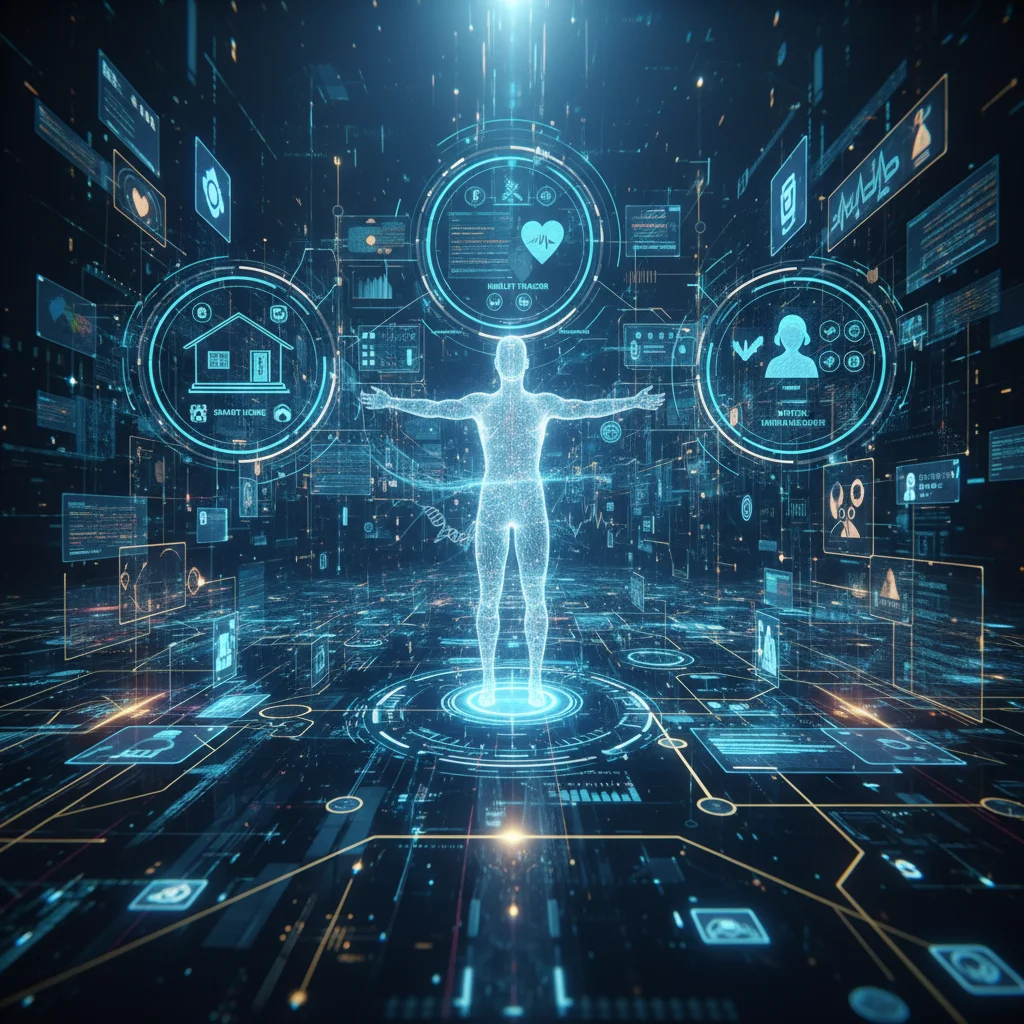
The year is 2026, and the digital world is no longer just a collection of tools; it’s an extension of ourselves, shaped and refined by artificial intelligence. We’re moving beyond generic algorithms to an era where AI understands our unique needs, preferences, and even our moods. This isn’t science fiction; it’s the reality of personalized AI applications that are seamlessly integrating into every facet of our daily routines. These intelligent systems are learning from our interactions, anticipating our needs, and proactively offering solutions, making our lives more efficient, enjoyable, and tailored than ever before.
The ubiquity of smart devices, coupled with advancements in machine learning and data processing, has paved the way for this personalized revolution. From the moment we wake up to the time we go to sleep, personalized AI applications are working tirelessly in the background, optimizing our environments, streamlining our tasks, and enriching our experiences. This article delves into six innovative personalized AI applications that are set to redefine your digital routine in 2026, offering a glimpse into a future where technology truly knows you.
The Dawn of Hyper-Personalization: What Are Personalized AI Applications?
Before we explore specific examples, let’s establish a clear understanding of what constitutes personalized AI applications. Unlike traditional software that offers a one-size-fits-all approach, personalized AI leverages vast amounts of individual data – user behavior, preferences, biometric information, location, and even emotional states – to deliver highly customized services and experiences. It’s about moving from ‘what’s generally useful’ to ‘what’s specifically useful for *me* right now.’
This level of personalization is achieved through sophisticated AI models, including machine learning, deep learning, and natural language processing, which can identify patterns, make predictions, and adapt their responses in real-time. The goal is to create a digital environment that feels intuitively designed for you, reducing cognitive load and enhancing overall satisfaction. The impact of personalized AI applications extends across various domains, offering transformative benefits that touch upon efficiency, health, entertainment, and social interaction.
The ethical implications and data privacy concerns surrounding such deep personalization are, of course, paramount. As these technologies evolve, so too must the frameworks and regulations governing their use, ensuring that the benefits of personalization do not come at the cost of individual autonomy or security. However, assuming robust safeguards are in place, the potential for personalized AI applications to enhance human capabilities and well-being is immense.
1. Adaptive Smart Home Ecosystems: Your Intuitive Digital Butler
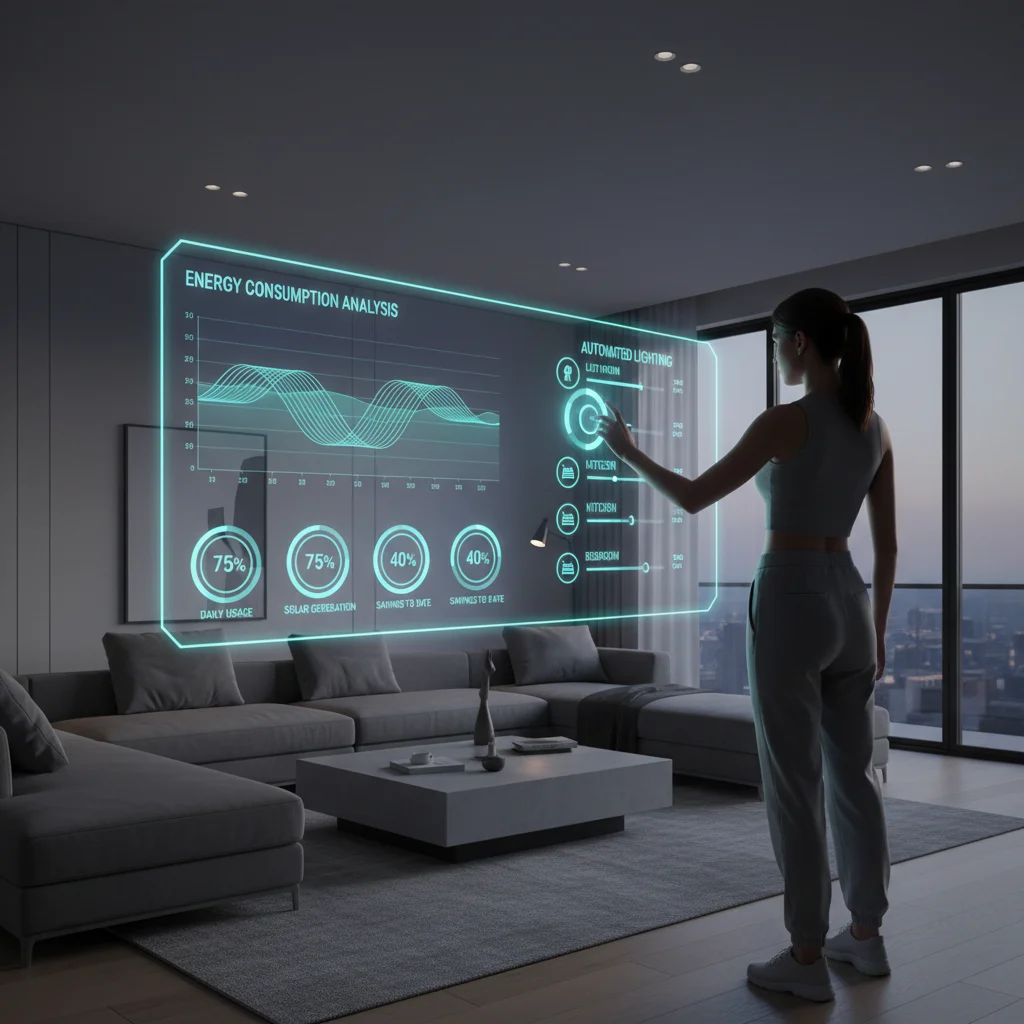
Imagine a home that not only responds to your commands but anticipates your needs before you even voice them. By 2026, personalized AI applications will transform smart home ecosystems into truly adaptive environments. These systems will learn your daily routines, preferences for lighting, temperature, and even your preferred music based on the time of day and your activity.
For instance, if you typically arrive home after a long day and prefer a dimly lit, cool environment with calming music, your AI-powered smart home will begin adjusting these parameters as you approach. It will learn your sleep patterns and automatically optimize bedroom conditions for ideal rest, perhaps gradually dimming lights and playing white noise as bedtime approaches, and then gently waking you with simulated sunrise lighting and a personalized news brief.
Beyond comfort, these personalized AI applications will also focus on efficiency and security. They’ll optimize energy consumption by learning when rooms are occupied and adjusting heating or cooling accordingly. Security systems will become more intelligent, not just detecting intruders but also identifying unusual patterns in your home’s activity that might indicate a problem, and alerting you with contextually rich information. This level of personalized ambient intelligence will make your home a truly responsive and supportive partner in your daily life, reducing mundane tasks and enhancing overall well-being.
The integration will extend to appliances as well. Your smart refrigerator, for example, won’t just tell you when you’re low on milk; it will suggest personalized meal plans based on your dietary preferences, health goals, and the ingredients you have on hand, even ordering groceries for delivery when supplies run low. This seamless, proactive management of your living space is a cornerstone of future personalized AI applications.
2. Hyper-Personalized Health and Wellness Coaches: Beyond Wearables
Wearable technology has already made significant strides in health monitoring, but 2026 will see the emergence of personalized AI applications that act as hyper-personalized health and wellness coaches. These AI systems will go far beyond simply tracking steps or heart rate; they will analyze a holistic view of your health data, including genetic predispositions, real-time biometric feedback, sleep quality, dietary intake, stress levels, and even environmental factors.
Based on this comprehensive data, the AI will provide highly tailored recommendations for exercise routines, nutrition plans, mindfulness practices, and even social engagement. For example, if your AI detects a pattern of elevated stress markers during a particular work week, it might suggest a specific meditation exercise, a shorter, more intense workout to release tension, or a dietary adjustment to include more calming nutrients. It could also proactively schedule a virtual therapy session or suggest connecting with a support group.
These personalized AI applications will also play a crucial role in preventive healthcare. By continuously monitoring your health metrics, they can identify subtle deviations that might indicate the onset of an illness long before symptoms become apparent, prompting you to consult a medical professional. This proactive approach to health management, driven by deep personalization, promises a future where maintaining optimal well-being is an integrated and intelligent part of daily life.
Furthermore, for individuals managing chronic conditions, these AI coaches will be invaluable. They can track medication adherence, monitor vital signs, and provide personalized insights into how lifestyle choices impact their condition, empowering them with more control and better outcomes. The aim is to shift from reactive healthcare to a highly personalized, predictive, and preventive model, all powered by sophisticated AI applications.
3. Dynamic Learning and Skill Development Platforms: Your AI Tutor for Life
The concept of lifelong learning is more critical than ever, and personalized AI applications are set to revolutionize how we acquire new knowledge and skills. Traditional online courses often follow a linear path, but AI-powered learning platforms in 2026 will adapt dynamically to your individual learning style, pace, and knowledge gaps.
These platforms will employ sophisticated algorithms to assess your current understanding, identify areas where you struggle, and then curate custom learning paths, recommend specific resources, and even generate personalized exercises. If you’re a visual learner, the AI might prioritize video content and interactive simulations. If you prefer reading, it will emphasize articles and digital textbooks. It will also track your progress in real-time, adjusting the difficulty and content to keep you engaged and challenged, but never overwhelmed.
Beyond formal education, these personalized AI applications will also extend to professional development. Imagine an AI that analyzes your career goals, identifies market trends, and then recommends specific skills you need to acquire to stay competitive, providing you with tailored learning modules and practical projects to build your portfolio. It could even simulate real-world scenarios for practice, offering immediate, constructive feedback. This constant, adaptive support for learning will democratize education and empower individuals to continuously upskill and reskill throughout their lives, making personalized learning a cornerstone of personal and professional growth.
The AI tutor will not only deliver content but also understand your emotional state during learning. If it detects frustration, it might offer a different approach, a break, or a motivational message. This empathetic aspect of personalized AI applications in education will create a much more effective and enjoyable learning experience, fostering a genuine love for knowledge acquisition.
4. Context-Aware Digital Assistants: Beyond Simple Commands
Voice assistants like Siri and Alexa are familiar, but in 2026, personalized AI applications will elevate digital assistants to a new level of context-awareness and proactivity. These advanced assistants won’t just respond to explicit commands; they’ll understand the nuances of your conversations, your emotional state, your location, and your ongoing tasks to offer truly intelligent assistance.
For example, if you’s stuck in traffic and your calendar shows an upcoming meeting, your AI assistant might proactively suggest an alternative route, notify your colleagues of your delay, and even reschedule the meeting if necessary, all without you having to explicitly ask. If you’s browsing recipes, it will not only pull up relevant options but also check your pantry inventory and suggest a shopping list for missing ingredients, and even compare prices at local grocery stores.
These personalized AI applications will also manage your digital clutter, intelligently filtering notifications, prioritizing important communications, and summarizing lengthy emails or documents based on your preferences and current context. They’ll learn your communication style and can even draft responses on your behalf, requiring only your final approval. The goal is to offload cognitive burden, allowing you to focus on more complex and creative tasks while the AI handles the routine and administrative details of your digital life.
Furthermore, these assistants will integrate seamlessly across all your devices, providing a consistent and intelligent experience whether you’re at home, in your car, or on the go. This ubiquitous, context-aware assistance will redefine productivity and personal organization, making the digital assistant an indispensable part of your daily routine, powered by sophisticated digital productivity.
5. Curated Entertainment and Experiential Media: Your Personal Content Director
The age of endless scrolling through generic recommendations is fading. By 2026, personalized AI applications will transform entertainment into a deeply immersive and individually tailored experience. Streaming services will move beyond simple genre preferences to understand your mood, your intellectual curiosity, and even your subconscious desires when recommending content.
Imagine an AI that not only knows you enjoy sci-fi but can discern whether you’re in the mood for a thought-provoking philosophical piece, a high-octane action thriller, or a lighthearted space comedy, based on your recent viewing habits, search history, and even biometric cues from your smart devices. It could even curate a ‘mood playlist’ of music, podcasts, or ambient sounds that perfectly align with your current emotional state or desired atmosphere.
Beyond passive consumption, these personalized AI applications will also revolutionize interactive media. Gaming experiences will adapt dynamically to your skill level, play style, and narrative choices, creating unique adventures that feel handcrafted just for you. Virtual and augmented reality experiences will become hyper-personalized, generating environments and characters that resonate deeply with your interests and preferences, blurring the lines between digital and physical reality.
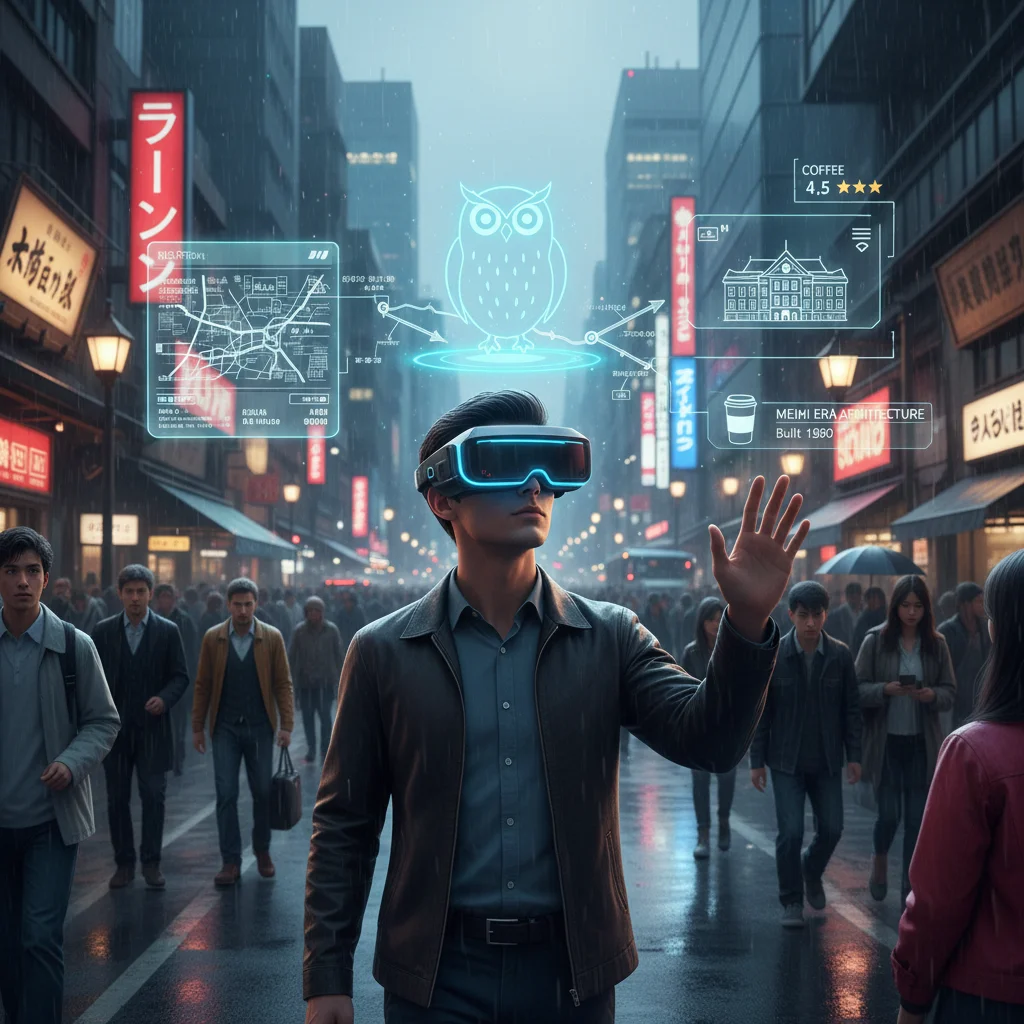
Even social media feeds will undergo a transformation. Instead of algorithmically driven echo chambers, personalized AI applications will help curate feeds that expose you to diverse perspectives and content that genuinely enriches your understanding, while still filtering out noise and promoting healthy digital interactions. This level of personalized entertainment and media curation promises a richer, more engaging, and less overwhelming digital consumption experience.
6. Proactive Financial Management and Investment Advisors: Your AI Economist
Managing personal finances can be complex and time-consuming, but personalized AI applications are poised to simplify and optimize this crucial aspect of daily life. In 2026, AI-powered financial advisors will move beyond basic budgeting tools to offer highly sophisticated, proactive, and personalized financial guidance.
These AI systems will analyze your income, spending habits, financial goals, risk tolerance, and even external economic indicators to provide real-time recommendations. For instance, if you consistently overspend in a particular category, the AI won’t just flag it; it will suggest practical adjustments, offer alternative spending options, or even automatically transfer a small amount to a savings account when it detects a surplus in your budget. It could also identify subscription services you no longer use and prompt you to cancel them, saving you money effortlessly.
For investments, personalized AI applications will act as your personal economist. They will monitor market fluctuations, analyze your portfolio performance against your long-term goals, and suggest rebalancing strategies or new investment opportunities tailored to your risk profile and ethical considerations. This isn’t just about automated trading; it’s about intelligent, personalized advice that adapts to your evolving financial situation and the dynamic economic landscape.
Furthermore, these AI advisors will assist with tax planning, identifying potential deductions and optimizing your financial structure to minimize liabilities. They can also help you plan for major life events, such as purchasing a home, funding education, or retirement, by modeling various scenarios and providing actionable steps. The goal is to empower individuals with greater control over their financial future, making informed decisions easier and less stressful through the power of personalized AI applications.
The Road Ahead: Challenges and Opportunities for Personalized AI
While the promise of personalized AI applications is immense, their widespread adoption and ethical implementation come with significant challenges. Data privacy and security are paramount concerns. As AI systems collect and process increasingly intimate details of our lives, robust safeguards, transparent data policies, and strong regulatory frameworks will be essential to build and maintain user trust.
The potential for algorithmic bias is another critical consideration. If the data used to train personalized AI is biased, the recommendations and decisions made by the AI could perpetuate or even amplify existing societal inequalities. Developers and policymakers must work together to ensure that AI systems are developed and deployed responsibly, with fairness and equity at their core.
Despite these challenges, the opportunities presented by personalized AI applications are transformative. They hold the potential to unlock new levels of human potential, enhance well-being, and create a world where technology truly serves individual needs. From automating mundane tasks to providing hyper-tailored advice, these intelligent systems are not just tools; they are evolving partners in our daily lives.
As we move towards 2026, the integration of personalized AI applications will continue to deepen, forging a symbiotic relationship between humans and machines. The future of our digital routine is not just smart; it’s uniquely, intimately, and powerfully personal.
Conclusion: Embracing Your AI-Enhanced Future
The vision of 2026, where personalized AI applications are deeply embedded in our daily routines, is not a distant dream but a rapidly approaching reality. From the adaptive intelligence of our smart homes to the proactive guidance of our health coaches, from dynamic learning platforms to context-aware digital assistants, and from curated entertainment to intelligent financial management, AI is poised to redefine what it means to interact with technology.
These innovations promise a future where our digital tools are no longer generic but are intimately familiar with our preferences, anticipating our needs and empowering us to live more efficient, healthier, and more fulfilling lives. Embracing these personalized AI applications means stepping into an era where technology is not just a utility, but a truly personal companion, constantly learning and adapting to serve you better. The journey towards a hyper-personalized digital routine has only just begun, and its impact will be profound and far-reaching.