US Consumer Sentiment Q1 2026: A 3-Point Rise Signals Economic Confidence
The economic landscape is a complex tapestry woven from countless individual decisions, and at its heart lies the barometer of consumer sentiment. This sentiment, a measure of consumers’ optimism about their financial situation and the state of the economy, is a crucial indicator for businesses, investors, and policymakers alike. As we delve into the first quarter of 2026, a significant and encouraging trend has emerged: a notable 3-point rise in US Consumer Sentiment. This upward movement is more than just a statistic; it signals a burgeoning confidence in the American economy, potentially paving the way for sustained growth and stability.
Understanding the nuances of this shift requires a comprehensive look at the underlying factors contributing to this positive outlook. From employment figures and wage growth to inflation expectations and overall economic stability, each element plays a vital role in shaping how consumers perceive their financial future. This article will explore the recent updates, provide a comparative analysis with previous periods, and offer insights into what this heightened US Consumer Sentiment means for various sectors of the economy.
For businesses, a confident consumer base often translates to increased spending, driving demand for goods and services. For investors, it can signal a robust market environment, influencing investment strategies. For policymakers, it provides valuable feedback on the effectiveness of current economic policies and guides future interventions. The 3-point rise in US Consumer Sentiment for Q1 2026 is a development that warrants close attention and careful analysis.
The Significance of a 3-Point Rise in US Consumer Sentiment
A 3-point increase in US Consumer Sentiment might appear modest at first glance, but in the realm of economic indicators, such a movement can be quite telling. Consumer sentiment indices, like those published by the University of Michigan or The Conference Board, are designed to capture shifts in consumer attitudes and expectations. Even small changes can reflect broader underlying trends in the economy. A sustained upward trajectory, particularly after periods of volatility or uncertainty, often precedes or accompanies periods of robust economic activity.
What Does This Rise Indicate?
Firstly, it suggests that consumers are feeling more secure about their current financial situation. This could be due to several factors, such as stable employment, rising wages, or a perceived decrease in the cost of living. When individuals feel financially secure, they are more likely to make discretionary purchases, invest in their future, and generally participate more actively in the economy.
Secondly, the rise in US Consumer Sentiment points to increased optimism about future economic conditions. Consumers might anticipate continued job growth, stable or declining inflation, and a general improvement in the economic climate. This forward-looking aspect is particularly important because consumer expectations can become self-fulfilling prophecies. If consumers expect the economy to improve, they are more likely to spend and invest, thereby contributing to that improvement.
Finally, a positive shift in sentiment can act as a psychological boost for the entire economy. Confidence is contagious, and when consumers are confident, businesses often follow suit, leading to increased investment, hiring, and innovation. This creates a virtuous cycle that can propel economic growth.
Historical Context and Comparison
To truly appreciate the significance of this 3-point rise, it’s essential to place it within a historical context. Comparing Q1 2026 data with previous quarters and years can reveal long-term trends and highlight any deviations from the norm. For example, if the previous quarters showed stagnation or decline, a 3-point rise represents a significant turnaround. Conversely, if sentiment was already at historically high levels, this increase might signify a continuation of an already strong trend.
Analysts will be keen to compare this Q1 2026 data with pre-pandemic levels, as well as with periods of economic recovery or recession. Such comparisons offer insights into the resilience of the American consumer and the underlying strength of the economy. A rise in US Consumer Sentiment during a period of global economic uncertainty, for instance, would be particularly noteworthy, indicating a strong domestic buffer against external shocks.
Key Drivers Behind the Q1 2026 Consumer Sentiment Boost
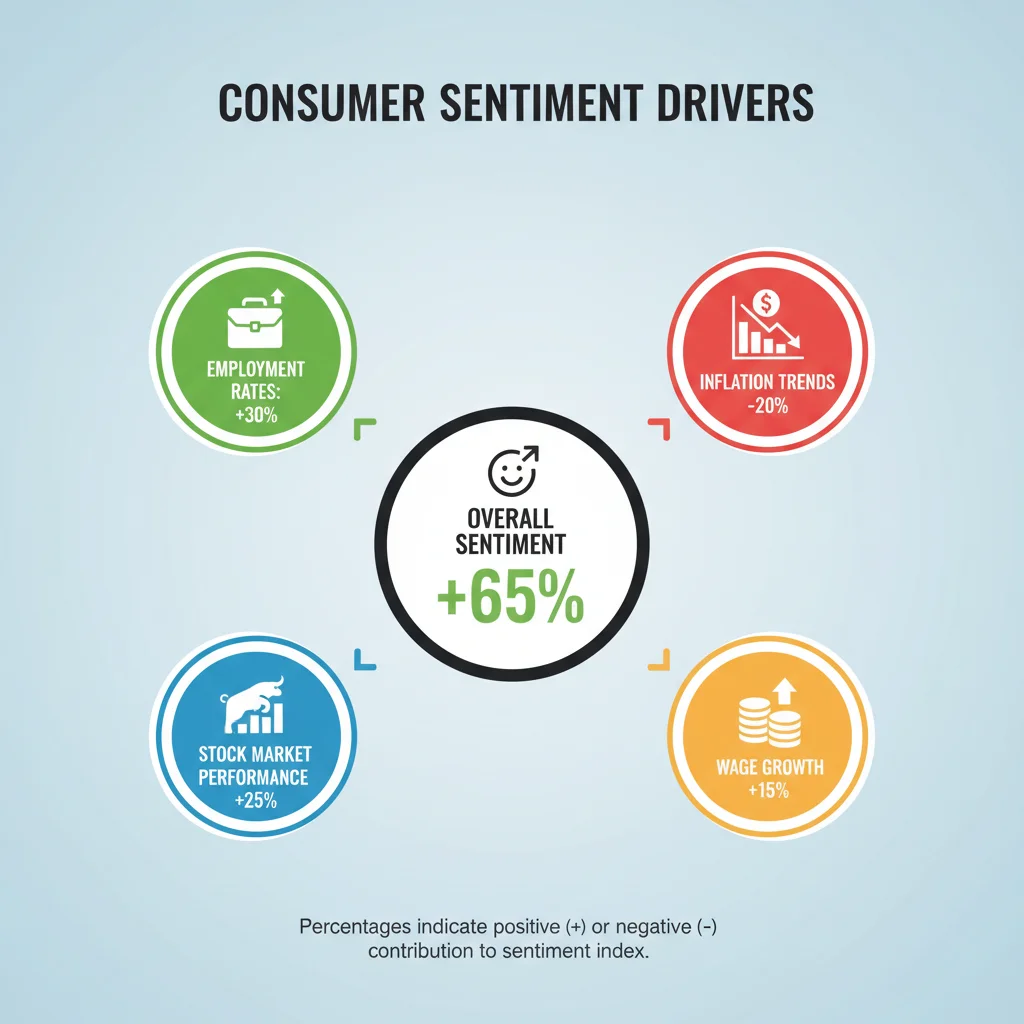
Pinpointing the exact causes of a shift in US Consumer Sentiment requires a multifaceted analysis. Economic indicators are rarely isolated; they often interact in complex ways. However, several key factors are likely to have played a significant role in the positive movement observed in Q1 2026.
Robust Employment Market
One of the most powerful drivers of consumer confidence is a strong job market. Low unemployment rates, coupled with consistent job creation, provide individuals with financial stability and a sense of security. When people are employed, or confident in their ability to find employment, they are more willing to spend and invest. Reports from the Bureau of Labor Statistics for late 2025 and early 2026 likely showed continued strength in employment figures, contributing significantly to the upbeat sentiment.
Wage Growth and Disposable Income
Beyond just having a job, the ability to earn a living wage that keeps pace with or outpaces inflation is critical. If real wages (wages adjusted for inflation) are growing, consumers have more disposable income. This extra income can be used for savings, investments, or increased consumption, all of which fuel economic activity. Positive reports on wage growth in various sectors would undoubtedly bolster US Consumer Sentiment.
Moderating Inflationary Pressures
Inflation has been a significant concern for consumers in recent years, eroding purchasing power and creating financial uncertainty. If Q1 2026 saw a continued moderation of inflationary pressures, perhaps even a return to target levels, this would be a huge relief for consumers. Stable prices allow households to plan their budgets more effectively and feel more confident about the value of their money. Central bank policies aimed at controlling inflation would also play a role here, with consumers potentially feeling that policymakers have the situation under control.
Stable Financial Markets
The performance of financial markets, particularly the stock market, can also influence consumer sentiment, especially among those with investments or retirement savings. A period of relative stability or growth in the stock market can make individuals feel wealthier and more secure, leading to increased confidence. While not all consumers are directly invested in the stock market, its general health is often seen as a proxy for the overall economic outlook.
Government Policies and Economic Outlook
Effective government policies, whether fiscal or monetary, can instill confidence in the economy. Policies that support job creation, incentivize investment, or provide a safety net for vulnerable populations can positively impact consumer outlook. Furthermore, clear and consistent communication from economic leaders about the future direction of the economy can reduce uncertainty and foster a sense of stability.
Implications for the US Economy and Businesses
The rise in US Consumer Sentiment in Q1 2026 carries significant implications across various segments of the economy. A more confident consumer base typically translates into tangible economic benefits, but it also presents opportunities and challenges for businesses.
Boost in Consumer Spending
Perhaps the most direct impact of increased consumer confidence is a boost in spending. When consumers feel secure about their jobs and financial future, they are more inclined to make both essential and discretionary purchases. This could manifest as increased retail sales, higher demand for services, and a willingness to invest in larger items like homes and automobiles. This surge in demand can stimulate production, leading to further job creation and economic growth.
Sector-Specific Impacts
While a general increase in spending is beneficial, certain sectors are likely to experience a more pronounced impact:
- Retail: Increased foot traffic and online sales, particularly for non-essential goods.
- Automotive: Higher demand for new and used vehicles, potentially leading to increased production and sales.
- Housing: Improved confidence can translate into more home purchases and renovations, boosting the real estate and construction sectors.
- Travel and Hospitality: Consumers feeling more financially secure are more likely to plan vacations and spend on leisure activities.
- Financial Services: Increased investment activity, demand for loans, and financial planning services.
Business Investment and Expansion
Businesses often respond to strong consumer demand by increasing their own investments. This could involve expanding production capacity, upgrading technology, hiring more staff, or launching new products and services. This cycle of increased consumer spending leading to business investment is a hallmark of a healthy and growing economy. The positive US Consumer Sentiment could therefore be a precursor to a period of heightened business activity and innovation.
Inflationary Pressures: A Double-Edged Sword
While increased demand is generally positive, a significant and rapid surge in consumer spending could, in some scenarios, reignite inflationary pressures. If demand outstrips supply, prices could begin to rise again. Policymakers and businesses will need to carefully monitor this dynamic to ensure that the economic growth spurred by improved sentiment remains sustainable and doesn’t lead to an unhealthy inflationary spiral. This delicate balance is crucial for long-term economic stability.
Challenges and Headwinds Despite Positive Sentiment
While the 3-point rise in US Consumer Sentiment is undoubtedly good news, it’s crucial to acknowledge that the economic landscape is rarely without its challenges. Several potential headwinds could temper this optimism or even reverse the trend if not carefully managed.
Geopolitical Instability
Global events, such as geopolitical conflicts, trade disputes, or international crises, can quickly erode consumer confidence. Even if domestic economic indicators are strong, external shocks can create uncertainty and lead consumers to adopt a more cautious stance. The interconnectedness of the global economy means that even distant events can have ripple effects on US Consumer Sentiment.
Persistent Inflationary Concerns
As mentioned earlier, while inflation may have moderated, the risk of it flaring up again always exists. Supply chain disruptions, unexpected energy price spikes, or overly aggressive demand could push prices higher. If consumers perceive that their purchasing power is once again being eroded, confidence could quickly wane.
Interest Rate Trajectory
Central bank decisions regarding interest rates play a significant role in influencing consumer behavior. While rate hikes are often used to combat inflation, they can also make borrowing more expensive for consumers, impacting everything from mortgage rates to credit card payments. If interest rates rise too sharply or unexpectedly, it could dampen enthusiasm for big-ticket purchases and investments, thereby affecting US Consumer Sentiment.
Income Inequality and Economic Disparities
While overall consumer sentiment may be rising, it’s important to consider whether this confidence is evenly distributed across all demographics. Persistent income inequality or significant economic disparities among different groups of consumers could hide underlying vulnerabilities. If a large segment of the population feels left behind, it could create social and economic instability in the long run, even amidst a seemingly positive aggregate sentiment.
Debt Levels
High levels of household debt, whether from mortgages, credit cards, or student loans, can act as a drag on consumer confidence. Even with rising wages, if a significant portion of income is going towards debt servicing, consumers may feel less financially secure and thus less willing to spend. Monitoring household debt levels will be crucial in assessing the sustainability of the current positive sentiment.
Looking Ahead: Sustaining and Interpreting US Consumer Sentiment
The 3-point rise in US Consumer Sentiment for Q1 2026 is a welcome sign, providing a glimmer of optimism for the year ahead. However, sustaining this positive momentum will require ongoing vigilance and adaptive policymaking.
For Policymakers
Central banks and governments will need to carefully balance their objectives. Controlling inflation without stifling growth, supporting employment, and maintaining financial stability will be paramount. Clear communication about economic strategies can help manage expectations and further bolster confidence. Policies aimed at fostering long-term economic resilience, addressing structural issues, and promoting inclusive growth will be key to ensuring that the positive sentiment translates into broad-based prosperity.
For Businesses
Businesses should view this rise in US Consumer Sentiment as an opportunity. It’s a signal to potentially increase investment, innovate, and tailor offerings to meet anticipated higher consumer demand. However, they should also remain agile and prepared for potential shifts. Understanding their target demographics’ specific sentiment and financial situations will be more critical than ever. Investing in customer experience, supply chain resilience, and digital transformation can help businesses capitalize on the positive trend while mitigating risks.
For Consumers
For individuals, the improved sentiment can be a reason for cautious optimism. While it suggests a more favorable economic environment, prudent financial planning remains essential. Continuing to save, manage debt, and make informed financial decisions will empower consumers to navigate any future economic fluctuations effectively. The positive outlook should not lead to complacency but rather encourage smart financial stewardship.
The Role of Data and Analytics in Tracking Sentiment
In an increasingly data-driven world, the accurate tracking and interpretation of US Consumer Sentiment are more sophisticated than ever. Beyond traditional surveys, businesses and economists now leverage a wealth of alternative data sources to gain deeper insights.
Big Data and AI
The advent of big data and artificial intelligence allows for the analysis of vast amounts of information, including social media trends, online search queries, and consumer spending patterns captured through digital transactions. These tools can provide real-time indicators of consumer mood and behavior, offering a more granular and timely understanding of sentiment shifts than traditional quarterly surveys alone.
Behavioral Economics
Insights from behavioral economics are also becoming increasingly important. Understanding the psychological biases and heuristics that influence consumer decision-making can help explain why sentiment might shift in ways not immediately apparent from purely rational economic models. This interdisciplinary approach provides a richer context for interpreting the 3-point rise in US Consumer Sentiment and predicting its future trajectory.
Regional and Demographic Analysis
Aggregate sentiment data, while useful, can sometimes mask important variations. A deeper dive into regional differences and demographic segments can reveal pockets of stronger or weaker confidence. For instance, sentiment might be particularly strong in tech hubs experiencing rapid growth, while remaining subdued in areas facing industrial decline. Businesses and policymakers can use this detailed analysis to tailor their strategies more effectively, ensuring that economic benefits are broadly distributed.
Conclusion: A Positive Outlook with Prudent Optimism
The 3-point rise in US Consumer Sentiment during the first quarter of 2026 is a powerful signal of growing economic confidence among American consumers. Driven by a robust employment market, moderating inflation, and stable financial conditions, this positive shift has the potential to fuel increased consumer spending, business investment, and overall economic growth. It reflects a belief that the American economy is on a stable and upward trajectory, providing a foundation for future prosperity.
However, this optimism should be tempered with prudence. The global economic environment remains dynamic, with potential headwinds such as geopolitical instability, persistent inflationary risks, and the ongoing challenge of managing interest rates. Both policymakers and businesses must remain agile, data-driven, and strategic in their approaches to sustain this positive momentum and address any emerging challenges effectively. For consumers, this period of increased confidence offers an opportunity to solidify their financial foundations and participate actively in the economy’s growth.
Ultimately, the latest US Consumer Sentiment data for Q1 2026 paints a picture of resilience and renewed hope. By understanding its drivers, implications, and potential challenges, we can collectively work towards a more stable and prosperous economic future for all.