Mastering Media Literacy: Essential Skills for 2026 and Beyond
Mastering Media Literacy: Essential Skills for 2026 and Beyond
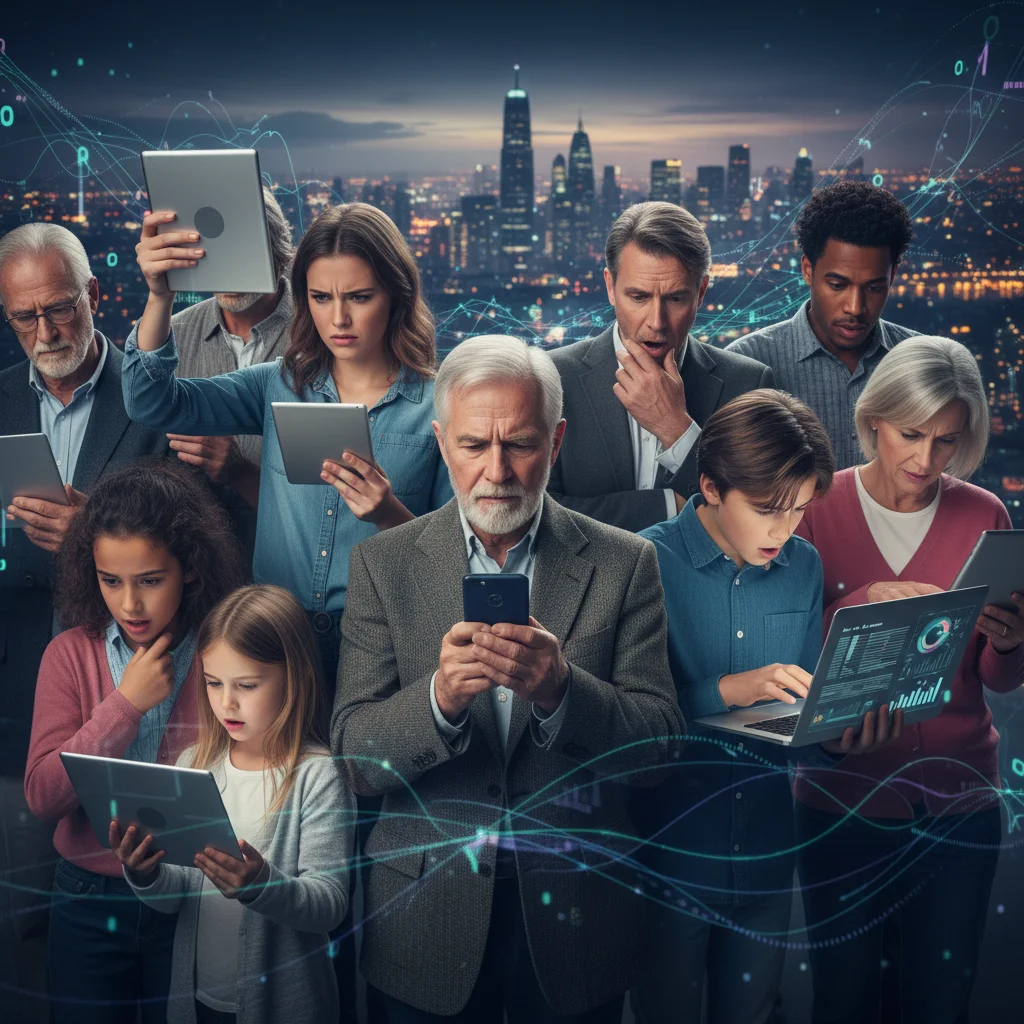
In an era defined by instantaneous information flow and an ever-present digital hum, the ability to critically evaluate, understand, and create media is no longer a niche skill but a fundamental requirement for informed citizenship. As we hurtle towards 2026, the urgency for enhanced media literacy skills among the general populace has never been more pronounced. Projections indicate that a staggering 85% of US citizens will require updated competencies to effectively navigate the complex landscape of information and combat the pervasive threat of misinformation. This isn’t just about identifying ‘fake news’; it’s about developing a sophisticated understanding of how media shapes our perceptions, influences our decisions, and impacts our collective reality.
The Evolving Digital Landscape: Why 2026 is a Critical Juncture for Media Literacy Skills
The year 2026 stands as a significant marker in the ongoing evolution of our digital world. Several converging factors contribute to the heightened need for robust media literacy skills by this time. The proliferation of advanced AI, the increasing sophistication of deepfakes, the continued fragmentation of news sources, and the relentless pace of content creation all demand a more discerning audience. Social media platforms, while connecting us globally, have also become fertile ground for echo chambers and the rapid dissemination of unverified information. The sheer volume of data we encounter daily can be overwhelming, making it difficult to distinguish credible sources from those designed to mislead or manipulate.
Furthermore, the political and social climate often exacerbates these challenges. Polarized narratives, algorithm-driven content suggestions, and the erosion of trust in traditional institutions make it imperative for individuals to possess the tools to critically assess the information they consume. Without these tools, citizens are vulnerable to propaganda, scams, and narratives that can undermine democratic processes and societal cohesion. The ability to identify bias, verify facts, and understand the motivations behind media messages is no longer a luxury but a necessity for civic engagement and personal well-being.
Understanding the Misinformation Epidemic: A Threat to Informed Decision-Making
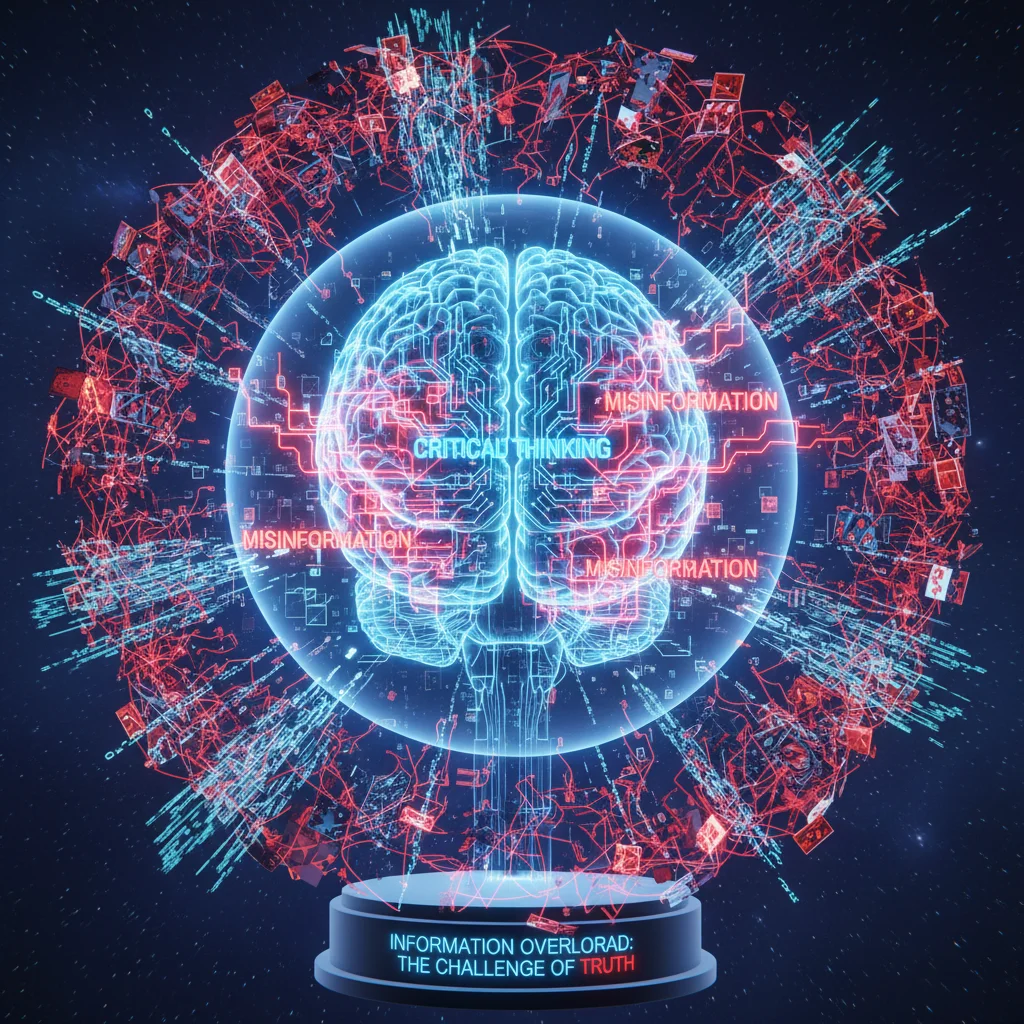
Misinformation, disinformation, and malinformation represent a significant threat to an informed citizenry. Misinformation refers to false or inaccurate information, regardless of intent to deceive. Disinformation is intentionally false information spread to deceive. Malinformation is genuine information shared to cause harm, often by taking it out of context. All three contribute to the ‘infodemic’ that has become a hallmark of the digital age. The rapid spread of these types of content can have severe real-world consequences, from public health crises fueled by anti-science narratives to political instability driven by fabricated events.
The danger lies in the fact that these forms of harmful content often mimic legitimate news, making them difficult to detect for those lacking strong media literacy skills. They exploit cognitive biases, emotional responses, and existing societal divisions. By 2026, the sophistication of these tactics is expected to grow exponentially, driven by advancements in AI-generated content and personalized targeting. Therefore, the demand for citizens to be equipped with advanced critical thinking and verification techniques will be at an all-time high. This isn’t just about being skeptical; it’s about being strategically skeptical and knowing how to apply a systematic approach to information evaluation.
Key Components of Essential Media Literacy Skills for 2026
What exactly constitutes robust media literacy skills in the context of 2026? It’s a multi-faceted concept that extends beyond simply fact-checking. Here are the core components that will be crucial:
1. Source Evaluation and Credibility Assessment
The ability to scrutinize the source of information is foundational. This involves looking beyond the headline to investigate who created the content, their potential biases, their track record, and their funding. By 2026, with the rise of AI-generated content and sophisticated impersonations, this skill will include verifying the authenticity of the author or creator, not just the publication. Questions to ask include: Is this a reputable news organization, an advocacy group, a personal blog, or an AI bot? What are their stated goals? Do they have a history of accuracy?
2. Understanding Media Bias and Perspective
All media has a perspective, whether explicit or implicit. Recognizing different types of bias – political, cultural, corporate, or even algorithmic – is vital. Media literacy teaches individuals to identify how framing, word choice, and selection of facts can shape a narrative. Understanding your own biases is equally important, as these can influence how you interpret information. By 2026, consumers of media will need to be adept at identifying the subtle ways algorithms personalize content, potentially reinforcing existing viewpoints and creating echo chambers.
3. Fact-Checking and Verification Techniques
While often conflated with media literacy as a whole, fact-checking is a critical individual skill. This involves using reliable fact-checking websites, cross-referencing information with multiple credible sources, and employing reverse image searches to verify visual content. The ability to distinguish between opinion, analysis, and factual reporting will be paramount. As generative AI becomes more commonplace, verifying the authenticity of images, videos, and audio will require advanced tools and a keen eye for inconsistencies.
4. Digital Footprint Awareness and Privacy
Media literacy also encompasses understanding one’s own role in the digital ecosystem. This includes being aware of one’s digital footprint, understanding how personal data is collected and used, and practicing responsible online behavior. By 2026, with increasing concerns about data privacy and the exploitation of personal information for targeted advertising and political manipulation, citizens will need to be more proactive in managing their online identities and protecting their privacy.
5. Understanding Algorithms and Their Impact
Algorithms power nearly every aspect of our digital lives, from social media feeds to search engine results. Understanding how these algorithms work, how they personalize content, and how they can inadvertently create filter bubbles or amplify certain narratives is a crucial aspect of media literacy skills. Recognizing that what you see online is not a neutral representation of reality, but rather a curated experience, is a powerful insight that empowers individuals to seek out diverse perspectives.
6. Recognizing Manipulative Tactics and Propaganda
From clickbait headlines to emotionally charged language, various tactics are used to grab attention and influence opinion. Media literacy equips individuals to recognize these manipulative techniques, including logical fallacies, emotional appeals, and the deliberate spread of fear or outrage. The ability to identify propaganda, whether from state actors, political campaigns, or corporate entities, is essential for maintaining an objective perspective.
7. Responsible Content Creation and Sharing
Media literacy isn’t just about consumption; it’s also about creation and sharing. Understanding the ethical implications of sharing information, verifying content before reposting, and being aware of the potential impact of one’s own online contributions are vital. By 2026, with the ease of creating and distributing content, individuals will bear a greater responsibility to contribute constructively to the information landscape rather than inadvertently spreading misinformation.
The Consequences of Lacking Media Literacy Skills by 2026
The absence of adequate media literacy skills by 2026 poses significant risks for individuals and society at large. On a personal level, it can lead to poor decision-making in vital areas such as health, finance, and civic participation. Individuals may fall victim to scams, make ill-informed financial choices based on misleading advertisements, or adopt harmful health practices promoted by unreliable sources. The constant exposure to sensationalized or false information can also contribute to anxiety, stress, and a diminished sense of trust in the world around them.
Societally, the implications are even more profound. A populace unable to discern truth from falsehood is susceptible to political manipulation, which can undermine democratic processes and lead to social unrest. The erosion of trust in institutions, including the press, government, and scientific bodies, can make it difficult to address collective challenges, from climate change to public health crises. Furthermore, the spread of hate speech and extremist ideologies, often cloaked in misinformation, can fragment communities and foster division. The ability of a society to function effectively relies heavily on its members’ capacity to engage with information critically and constructively.
Strategies for Cultivating Advanced Media Literacy Skills
Given the critical importance of these skills, how can individuals and institutions work together to cultivate advanced media literacy skills by 2026? It requires a multi-pronged approach involving education, community initiatives, and personal commitment.
1. Integrate Media Literacy into Education Systems
Starting early is key. Media literacy should be integrated into K-12 curricula, not as a standalone subject, but woven into various disciplines like history, English, and social studies. Universities and colleges also have a crucial role in preparing students to be discerning consumers and creators of information in their respective fields.
2. Lifelong Learning and Community Programs
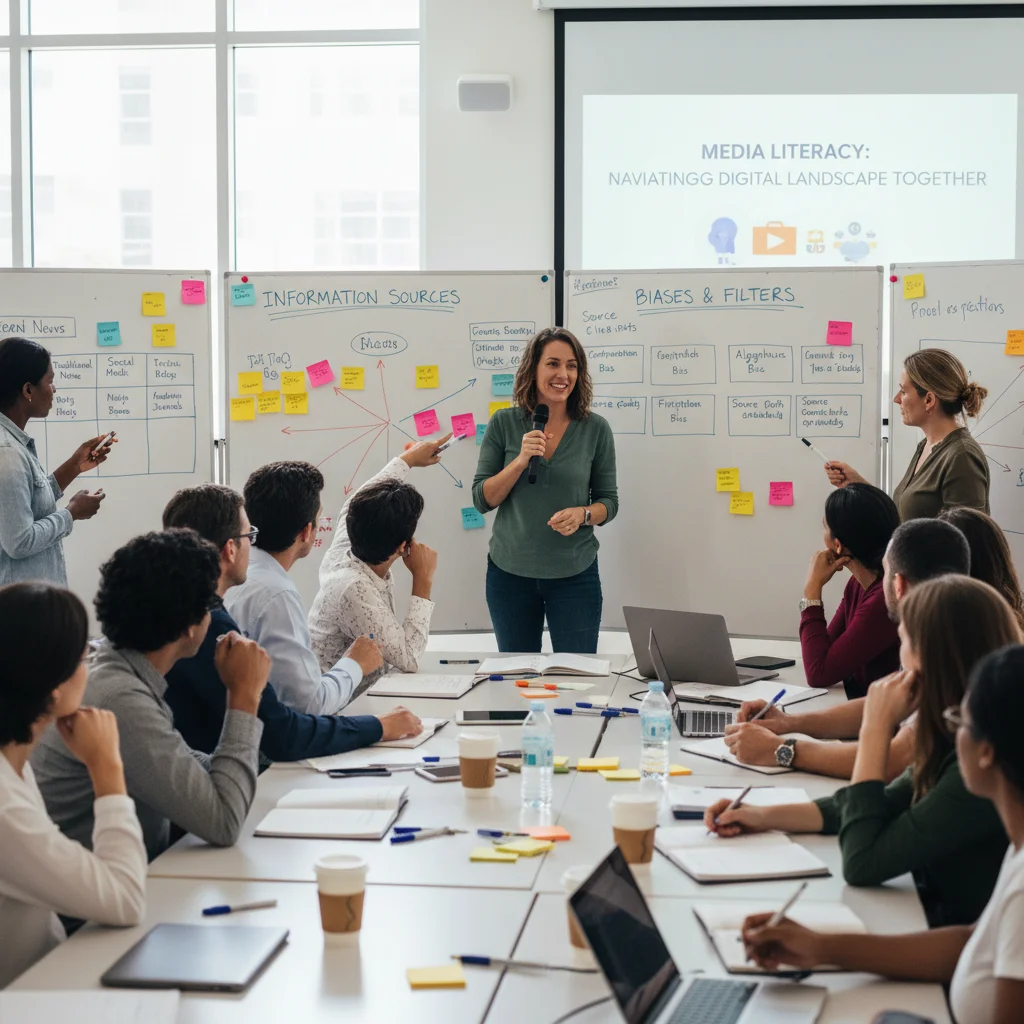
Media literacy is not a one-time lesson; it’s a lifelong learning process. Public libraries, community centers, and non-profit organizations can offer workshops, seminars, and online resources for adults of all ages. These programs can focus on practical skills like identifying deepfakes, understanding algorithmic bias, and using fact-checking tools.
3. Promote Critical Thinking and Inquiry-Based Learning
The foundation of media literacy is critical thinking. Educational approaches should emphasize asking questions, seeking evidence, considering multiple perspectives, and understanding the context of information. Encouraging a healthy skepticism and an investigative mindset is more valuable than rote memorization.
4. Leverage Technology for Good
While technology often facilitates the spread of misinformation, it can also be a powerful tool for promoting media literacy. Educational apps, interactive platforms, and AI-powered tools designed to help users identify unreliable sources or understand biases can play a significant role. Social media companies also have a responsibility to implement features that promote media literacy and reduce the spread of harmful content.
5. Encourage Media Consumption Diversity
Actively seeking out diverse news sources and perspectives can help break down echo chambers and broaden understanding. This includes engaging with international news, independent journalism, and voices from different cultural and political backgrounds. Deliberately exposing oneself to different viewpoints, even those one disagrees with, can strengthen one’s ability to critically evaluate arguments.
6. Government and Policy Support
Governments can play a role in promoting media literacy through funding educational initiatives, supporting research, and developing public awareness campaigns. Policies that encourage transparency from social media platforms and hold them accountable for the content disseminated on their sites can also contribute to a healthier information environment.
The Role of AI in Shaping Media Literacy by 2026
Artificial intelligence is a double-edged sword when it comes to media literacy. By 2026, AI will be both a primary driver of the misinformation challenge and a potential solution. On one hand, advanced AI can generate hyper-realistic deepfakes, sophisticated propaganda, and personalized disinformation campaigns at an unprecedented scale and speed. This makes the task of discerning truth far more challenging for the average citizen, necessitating even stronger media literacy skills.
On the other hand, AI can also be leveraged to combat misinformation. AI-powered tools can assist in fact-checking, identify patterns of disinformation, flag suspicious content, and even help educate users about media bias. However, relying solely on AI to solve the problem presents its own risks, such as algorithmic bias or a reduction in human critical thinking. Therefore, the goal for 2026 should be to foster human-AI collaboration in media literacy, where individuals use AI tools as aids, not replacements, for their own critical judgment.
Case Studies and Real-World Applications
To underscore the importance of media literacy skills, consider recent global events. During the COVID-19 pandemic, a deluge of misinformation about treatments, origins, and vaccines led to widespread confusion and distrust, directly impacting public health responses. Similarly, electoral cycles worldwide have been marred by foreign interference and domestic disinformation campaigns, challenging the integrity of democratic processes. In economic spheres, online scams and financial hoaxes, often amplified by social media, continue to defraud individuals of billions. These real-world examples highlight the tangible and often severe consequences of a population lacking adequate media literacy.
Conversely, communities and individuals with strong media literacy have demonstrated greater resilience. They are more likely to seek out authoritative health information, verify political claims before sharing, and protect themselves from online fraud. Educational programs in countries like Finland, renowned for their robust media literacy education, show how early intervention and continuous learning can equip citizens to navigate complex information landscapes with greater confidence and discernment.
Conclusion: A Call to Action for Enhanced Media Literacy Skills
The journey to 2026 demands a concerted effort to equip 85% of US citizens with enhanced media literacy skills. This is not merely an academic exercise; it is a vital investment in the health of our democracy, the well-being of our communities, and the security of our individual lives. From understanding the nuances of media bias to mastering fact-checking techniques and recognizing the influence of algorithms, these skills are the bedrock of informed citizenship in the 21st century.
Educational institutions, governments, technology companies, community organizations, and individuals all share a responsibility in this endeavor. By fostering a culture of critical inquiry, promoting lifelong learning, and leveraging technology responsibly, we can ensure that by 2026, the vast majority of Americans are not just consumers of information, but active, discerning, and empowered participants in the digital age. The future of an informed society depends on it.