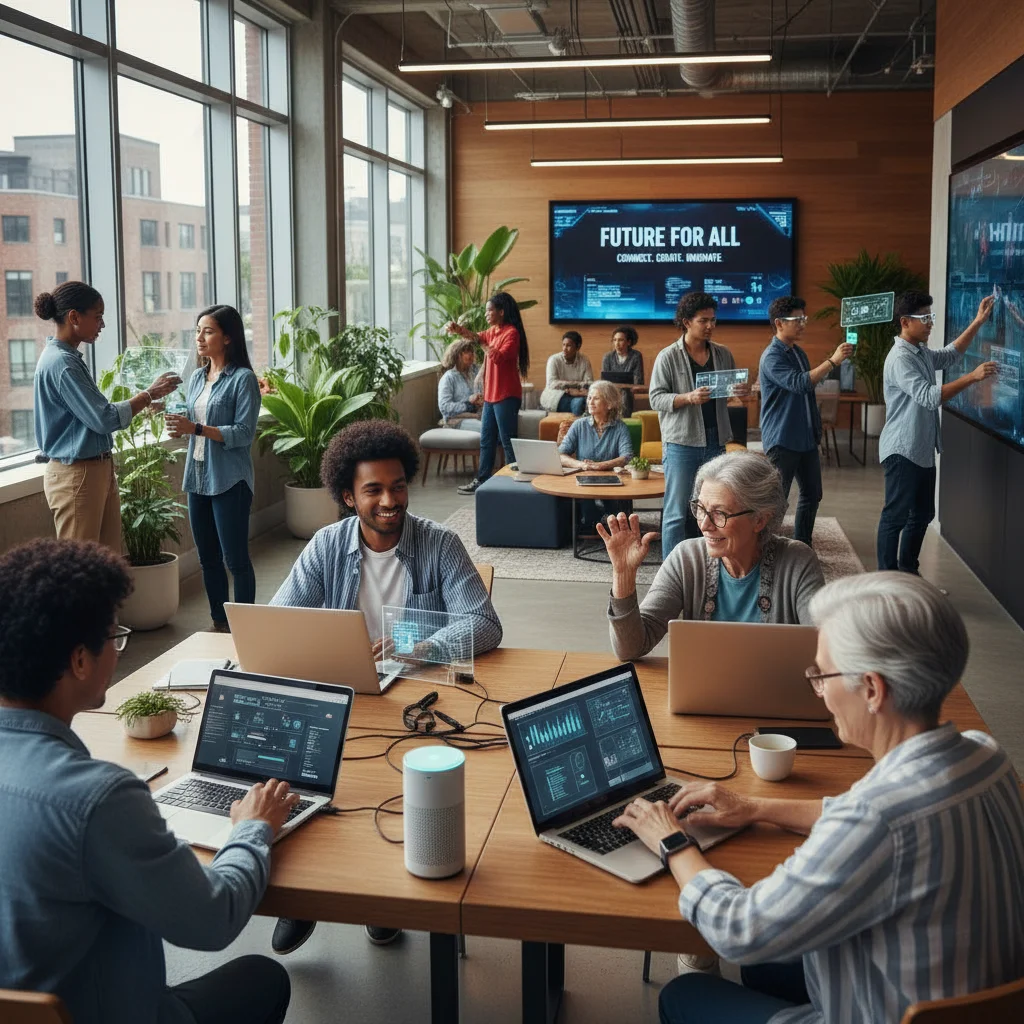
Mastering Digital Literacy: Essential Skills for Americans in 2026
In an era defined by rapid technological advancement and ubiquitous connectivity, the concept of digital literacy has transcended from a niche skill to a fundamental requirement for full participation in society. As we look towards 2026, the landscape of information, communication, and interaction is evolving at an unprecedented pace. For every American, developing robust digital literacy skills is no longer just an advantage but a necessity for personal growth, professional success, and civic engagement. This comprehensive guide will explore the critical digital competencies that will empower individuals to navigate the digital world safely, effectively, and ethically.
The digital revolution has reshaped nearly every facet of our lives, from how we work and learn to how we socialize and access essential services. The COVID-19 pandemic further accelerated this shift, pushing more activities online and highlighting disparities in access and proficiency. As we move forward, the gap between those with strong digital literacy skills and those without will widen, impacting economic opportunity, social inclusion, and even access to healthcare and education. Therefore, understanding and cultivating these skills is paramount for the well-being and progress of the nation.
This article aims to provide a roadmap for individuals, educators, and policymakers alike, outlining the core components of digital literacy that will be indispensable by 2026. We will delve into areas such as foundational technical proficiency, critical information evaluation, cybersecurity and data privacy, digital communication and collaboration, and ethical digital citizenship. By fostering these essential skills, Americans can not only keep pace with technological change but also harness its power to build a more informed, connected, and prosperous future.
The Evolving Definition of Digital Literacy
Traditionally, digital literacy was often narrowly defined as the ability to use a computer and access the internet. However, this definition is woefully inadequate for the complexities of the modern digital landscape. By 2026, digital literacy skills encompass a much broader set of capabilities, reflecting the multifaceted nature of digital engagement. It’s about more than just knowing how to use tools; it’s about understanding the underlying principles, implications, and responsibilities associated with digital technologies.
At its core, contemporary digital literacy involves the ability to find, evaluate, create, and communicate information, requiring both cognitive and technical skills. It means being able to critically assess the vast amounts of information available online, discern fact from fiction, and understand the biases that may be present. It also involves the capacity to create original digital content, from documents and presentations to multimedia and code, effectively conveying ideas and solving problems. Furthermore, effective digital communication and collaboration are crucial for both personal and professional interactions in an increasingly interconnected world.
The evolving definition also places a strong emphasis on adaptability. The digital world is constantly changing, with new technologies, platforms, and threats emerging regularly. Therefore, a truly digitally literate individual in 2026 will possess the ability to learn new technologies quickly, adapt to new digital environments, and continuously update their skill set. This lifelong learning mindset is foundational to navigating the dynamic digital frontier.
Foundational Technical Proficiency: Beyond the Basics
While the basics of computer operation and internet navigation remain important, foundational technical proficiency in 2026 goes much deeper. It involves a more nuanced understanding of how digital systems work and how to troubleshoot common issues. This includes not just knowing how to use software applications but also understanding their underlying logic and potential limitations.
Operating Systems and Software Applications
A solid grasp of common operating systems (Windows, macOS, Linux, iOS, Android) and their core functionalities is essential. This extends to understanding file management, system settings, and basic software installation and uninstallation. Proficiency in a range of productivity applications (word processors, spreadsheets, presentation software, email clients) is also critical for daily tasks, both at home and in the workplace. Furthermore, familiarity with cloud-based applications and collaborative tools is increasingly important for seamless workflow and teamwork.
Network Fundamentals and Connectivity
Understanding basic network concepts, such as Wi-Fi, cellular data, and internet protocols, helps individuals troubleshoot connectivity issues and make informed decisions about their online access. Knowledge of how devices connect, the difference between wired and wireless networks, and the implications of public versus private networks contributes to a more secure and efficient digital experience. These digital literacy skills are foundational for effective online engagement.
Basic Hardware Understanding
While not everyone needs to be an IT expert, a rudimentary understanding of computer hardware components (CPU, RAM, storage) and peripheral devices (printers, scanners, cameras) can help in making informed purchasing decisions, performing basic maintenance, and understanding system limitations. This empowers individuals to get the most out of their technology investments.
Critical Information Evaluation: Navigating the Information Deluge
In an age of information overload and pervasive misinformation, the ability to critically evaluate digital content is arguably one of the most vital digital literacy skills. By 2026, Americans will be bombarded with even more data, news, and opinions from countless sources, making it imperative to discern credible information from unreliable or misleading content.
Source Verification and Credibility Assessment
This skill involves examining the source of information, checking for authoritativeness, bias, and accuracy. It means looking beyond a sensational headline and investigating the reputation of the publisher, the qualifications of the author, and the evidence presented. Tools and techniques for reverse image searching, fact-checking websites, and cross-referencing information with multiple reputable sources will be indispensable.
Recognizing Bias and Propaganda
Understanding that all information can carry a degree of bias, whether intentional or unintentional, is crucial. Digitally literate individuals can identify rhetorical techniques, emotional appeals, and logical fallacies often employed in propaganda or persuasive content. They question motives and consider alternative perspectives, fostering a more nuanced understanding of complex issues.
Understanding Algorithms and Filter Bubbles
Many online platforms use algorithms to personalize content, which can lead to filter bubbles and echo chambers, limiting exposure to diverse viewpoints. Critical information evaluation includes an awareness of how these algorithms work and their potential impact on one’s perception of reality. Actively seeking out varied sources and perspectives helps to break free from these digital confines.
Cybersecurity and Data Privacy: Protecting Yourself Online
As our lives become increasingly intertwined with the digital realm, cybersecurity and data privacy have emerged as non-negotiable digital literacy skills. The threat landscape is constantly evolving, with cybercriminals employing sophisticated tactics to exploit vulnerabilities. Protecting personal information and digital assets is a responsibility every American must embrace.
Strong Password Practices and Multi-Factor Authentication
The foundation of online security lies in creating and managing strong, unique passwords for different accounts. Beyond this, understanding and implementing multi-factor authentication (MFA) is crucial. MFA adds an extra layer of security, significantly reducing the risk of unauthorized access even if a password is compromised. Educating oneself on password managers and secure storage methods is also part of this skill set.
Recognizing and Avoiding Phishing and Scams
Phishing attempts, malware, and various online scams are pervasive. Digitally literate individuals can identify the red flags of suspicious emails, messages, and websites. This includes scrutinizing sender addresses, looking for grammatical errors, hovering over links before clicking, and understanding common social engineering tactics used by scammers. Reporting such attempts also contributes to collective online safety.

Understanding Data Privacy and Digital Footprint
Every online interaction leaves a digital footprint. Understanding what data is collected, how it’s used, and by whom is essential for making informed decisions about privacy settings and online behavior. This includes reviewing privacy policies, managing cookies, and being mindful of the information shared on social media and other platforms. Knowing one’s rights regarding data privacy and advocating for stronger protections are also important aspects of this skill.
Software Updates and Device Security
Keeping software, operating systems, and applications updated is a critical, yet often overlooked, aspect of cybersecurity. Updates frequently contain security patches that address newly discovered vulnerabilities. Additionally, understanding basic device security, such as locking screens, encrypting data, and using reputable antivirus software, contributes to a robust defense against digital threats.
Digital Communication and Collaboration: Connecting Effectively
The ability to communicate and collaborate effectively in digital environments is paramount for both personal and professional success in 2026. From virtual meetings to collaborative document editing, these digital literacy skills enable seamless interaction across geographical boundaries and diverse teams.
Effective Use of Communication Platforms
Proficiency with various digital communication tools, such as email, instant messaging, video conferencing platforms (Zoom, Microsoft Teams, Google Meet), and project management software, is essential. This includes understanding the etiquette for each platform, knowing when to use synchronous versus asynchronous communication, and effectively conveying messages clearly and concisely.
Digital Etiquette and Professionalism
Just as there are rules of conduct in the physical world, so too are there in the digital realm. Digital etiquette, or ‘netiquette,’ involves being respectful, professional, and mindful of one’s online presence. This includes understanding appropriate tone, avoiding all caps, respecting privacy, and knowing when to disengage from online discussions. Maintaining a professional online persona is increasingly important for career development.
Collaborative Tool Proficiency
Many modern workplaces and educational settings rely heavily on collaborative digital tools. The ability to co-create documents, presentations, and spreadsheets in real-time, share files securely, and manage project workflows using platforms like Google Workspace, Microsoft 365, and Trello, is a highly valued skill. Understanding version control and feedback mechanisms within these tools enhances productivity.
Digital Content Creation: Expressing and Innovating
Beyond consuming information, the capacity to create and share digital content is a powerful aspect of modern digital literacy. By 2026, the ability to express oneself, innovate, and contribute meaningfully to the digital world will be increasingly important, regardless of one’s profession.
Basic Content Creation Tools
This includes proficiency with tools for creating text documents, presentations, and basic spreadsheets. However, it also extends to more advanced forms of content. Understanding how to use simple image editing software (e.g., Canva, GIMP), basic video editing tools, and audio recording applications can open up new avenues for expression and communication. These skills are not just for designers or marketers; they are for anyone who needs to convey information creatively.
Understanding Copyright and Fair Use
When creating and sharing digital content, it’s crucial to understand intellectual property rights. This includes knowing about copyright, creative commons licenses, and the principles of fair use. Properly attributing sources and respecting the intellectual property of others is a cornerstone of ethical digital content creation. This knowledge prevents legal issues and fosters a culture of respect for creators.
Digital Storytelling and Presentation
The ability to craft compelling narratives using digital media is a valuable skill. Whether it’s for a business pitch, an educational project, or personal expression, understanding how to combine text, images, video, and audio to tell a story effectively is a key component of advanced digital literacy skills. This also involves understanding audience engagement and optimizing content for different digital platforms.
Ethical Digital Citizenship: Responsibility in the Digital Age
Perhaps the most overarching and critical aspect of digital literacy skills for 2026 is ethical digital citizenship. This encompasses the values, norms, and behaviors that promote safe, responsible, and positive engagement in the digital world. It’s about using technology not just effectively, but also for the greater good.
Respect and Empathy Online
Digital citizens understand the impact of their online actions on others. This means practicing empathy, avoiding cyberbullying, and engaging in constructive dialogue. Recognizing that behind every screen is a human being fosters a more positive and inclusive online environment. Promoting kindness and understanding in online interactions is a core tenet.
Understanding Digital Footprint and Reputation Management
Individuals in 2026 must be acutely aware that their online actions leave a permanent record that can impact their reputation, opportunities, and relationships. This involves careful consideration of what is posted, shared, and liked, as well as actively managing one’s online presence to reflect desired values and professionalism. Understanding how to curate a positive digital identity is a vital skill.

Combating Misinformation and Hate Speech
A responsible digital citizen actively works to counteract the spread of misinformation, disinformation, and hate speech. This involves not only critically evaluating information but also refraining from sharing unverified content and, where appropriate, reporting harmful or misleading posts. Advocating for truth and respectful discourse is a crucial responsibility.
Promoting Digital Inclusion and Accessibility
Ethical digital citizenship also involves recognizing and addressing the digital divide. This means understanding the importance of equitable access to technology and digital education for all, regardless of socioeconomic status, age, or ability. It also includes advocating for accessible digital design and content, ensuring that technology serves everyone.
The Role of Education and Lifelong Learning
Achieving widespread digital literacy by 2026 requires a concerted effort from all sectors of society. Educational institutions, from K-12 to higher education, must integrate comprehensive digital literacy curricula that go beyond basic computer skills. These curricula should emphasize critical thinking, cybersecurity, and ethical considerations alongside technical proficiency.
Workplaces also have a crucial role to play in upskilling their employees. Offering training programs that address specific industry needs and general digital literacy skills can enhance productivity, security, and innovation. Government initiatives and community programs can provide accessible learning opportunities for adults who may have missed out on formal digital education, ensuring no one is left behind in the digital transformation.
Ultimately, digital literacy is a journey of lifelong learning. The pace of technological change dictates that individuals must continuously adapt and acquire new skills. Fostering a mindset of curiosity and continuous learning about new digital tools, trends, and threats is perhaps the most important skill of all. Resources such as online courses, workshops, and community-based learning initiatives will be vital for ongoing development.
Conclusion: Building a Digitally Empowered America
As we advance towards 2026, the imperative to cultivate robust digital literacy skills among all Americans becomes clearer than ever. These skills are not merely about navigating websites or sending emails; they are about empowering individuals to thrive in a complex, interconnected world. From foundational technical proficiency to critical information evaluation, cybersecurity, effective communication, content creation, and ethical digital citizenship, each component plays a vital role in shaping an informed and responsible populace.
The benefits of a digitally literate society are profound. It leads to greater economic opportunities, enhanced civic participation, improved access to essential services, and a stronger collective defense against online threats. By investing in comprehensive digital literacy education and promoting a culture of lifelong learning, America can ensure that its citizens are not just consumers of technology, but active, discerning, and ethical participants in the digital age. The future demands a digitally empowered citizenry, and by focusing on these essential skills, we can build a more resilient, innovative, and inclusive nation for 2026 and beyond.