Digital Identity Protection: Top 5 Cybersecurity Practices for 2026
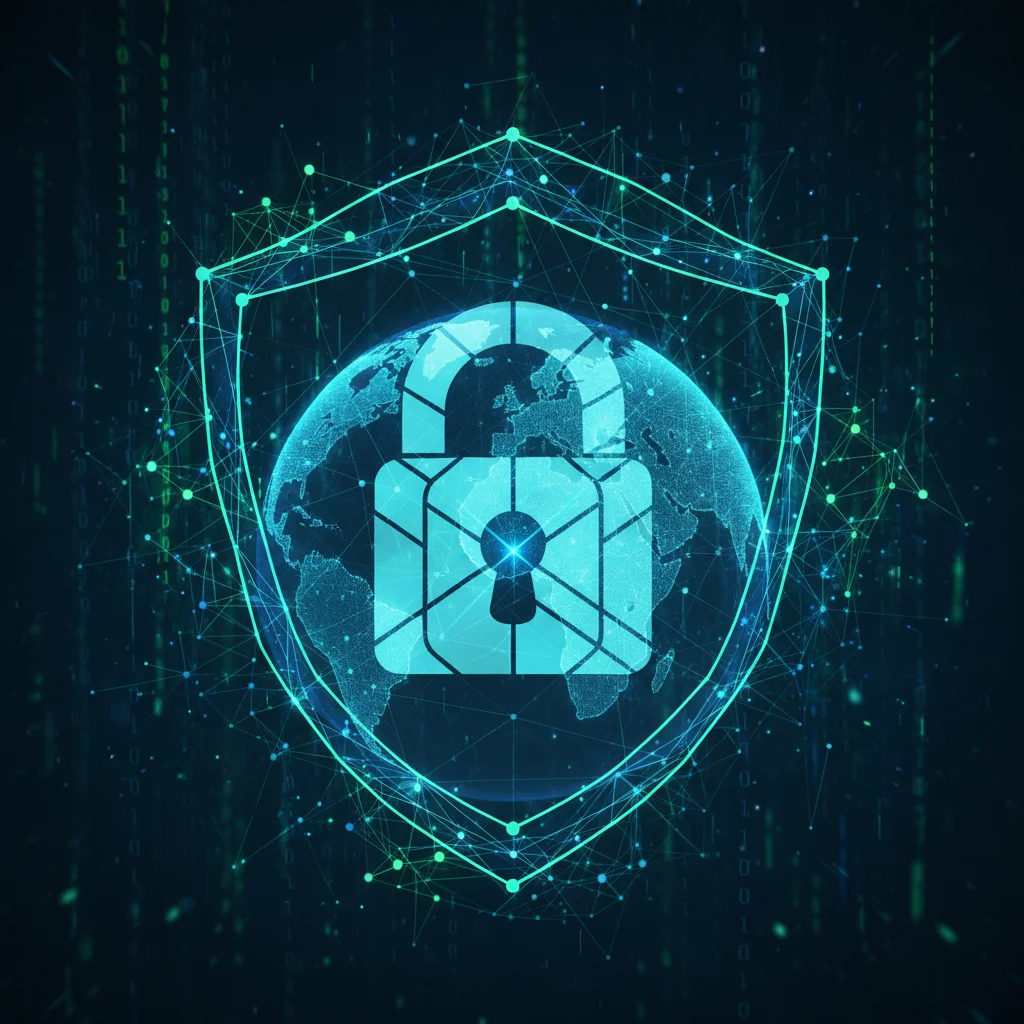
In an increasingly interconnected world, where our lives are inextricably linked to our digital personas, the concept of digital identity protection has never been more critical. As we hurtle towards 2026, the landscape of cyber threats continues to evolve at an unprecedented pace, making it imperative for individuals and organizations alike to adopt advanced and proactive cybersecurity practices. This comprehensive guide delves into the top five essential strategies for safeguarding your digital identity against the sophisticated attacks of tomorrow. Understanding and implementing these practices is not just about preventing data breaches; it’s about preserving your privacy, financial security, and overall peace of mind in the digital realm.
The digital age has brought immense convenience and connectivity, but it has also opened up new avenues for malicious actors. From sophisticated phishing schemes to advanced persistent threats (APTs) and the ever-growing menace of ransomware, the threats to our digital identities are varied and relentless. In 2026, these threats are expected to be even more refined, employing artificial intelligence and machine learning to bypass traditional security measures. Therefore, our approach to digital identity protection must also evolve, moving beyond basic passwords and firewalls to embrace a multi-layered, adaptive security posture.
This article will explore key areas of vulnerability and provide actionable insights into strengthening your digital defenses. We will cover everything from robust authentication methods to continuous threat monitoring and the importance of a privacy-first mindset. By the end of this guide, you will have a clear roadmap for enhancing your personal and organizational digital identity protection strategies, ensuring you are well-prepared for the cybersecurity challenges of 2026 and beyond.
1. Embrace Advanced Multi-Factor Authentication (MFA) Beyond Passwords
The era of relying solely on passwords for digital identity protection is long over. While strong, unique passwords remain a fundamental component of cybersecurity, they are no longer sufficient to withstand the onslaught of modern cyberattacks. In 2026, sophisticated multi-factor authentication (MFA) will be the bedrock of secure digital access. This isn’t just about receiving a code on your phone; it’s about integrating multiple, distinct authentication factors that make it significantly harder for unauthorized individuals to gain access to your accounts, even if they manage to compromise your password.
The Evolution of MFA
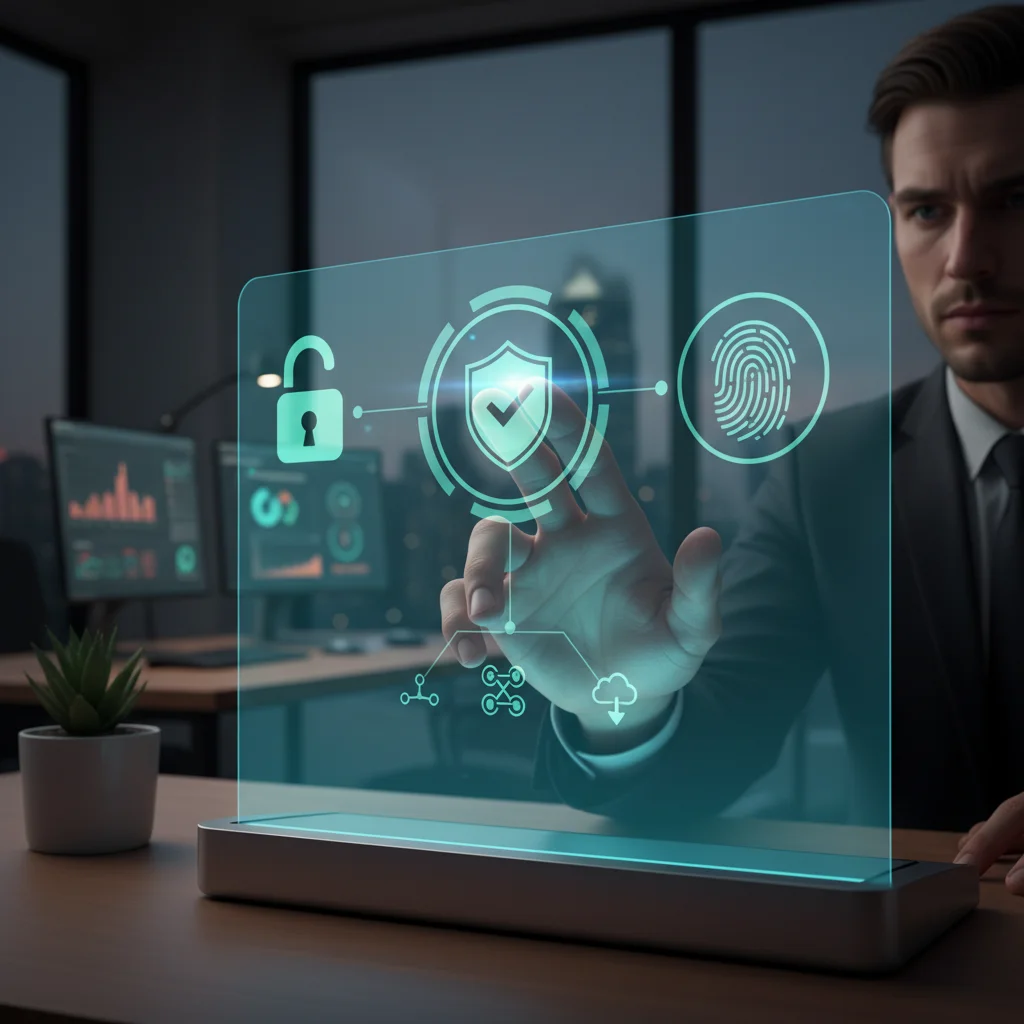
Traditional MFA often involves a combination of something you know (password) and something you have (a code from an authenticator app or SMS). However, SMS-based MFA is increasingly vulnerable to SIM-swapping attacks. The future of digital identity protection demands more robust methods. We’re talking about biometric authentication (fingerprint, facial recognition, voice recognition) combined with hardware security keys (like YubiKey or Titan Security Key) and even behavioral biometrics that analyze typing patterns, mouse movements, and device usage to verify identity continuously.
Implementing Strong MFA for Digital Identity Protection
- Hardware Security Keys: These physical devices offer the strongest form of MFA. They are resistant to phishing and man-in-the-middle attacks, making them an excellent choice for critical accounts. Integrating these keys with your email, financial services, and cloud storage can dramatically improve your digital identity protection.
- Biometric Authentication: Leverage the biometric capabilities of your devices, such as Face ID or Touch ID, for quick and secure access. Ensure these are properly configured and regularly updated.
- Authenticator Apps: Ditch SMS codes for dedicated authenticator apps like Google Authenticator, Authy, or Microsoft Authenticator. These generate time-based one-time passwords (TOTPs) that are more secure than SMS.
- Passwordless Authentication: Explore services that offer passwordless authentication, where biometrics or hardware keys replace passwords entirely. This represents a significant leap forward in simplifying and strengthening digital identity protection.
By adopting these advanced MFA techniques, you create multiple layers of defense, significantly reducing the risk of unauthorized access and bolstering your overall digital identity protection strategy. Remember, the goal is to make it as difficult as possible for attackers while maintaining a reasonable level of convenience for legitimate users.
2. Proactive Threat Intelligence and Continuous Monitoring
In the dynamic world of cybersecurity, being reactive is no longer an option. Effective digital identity protection in 2026 requires a proactive stance, driven by up-to-date threat intelligence and continuous monitoring of your digital footprint. This involves understanding emerging threats, identifying potential vulnerabilities before they are exploited, and actively tracking any suspicious activity related to your online identity.
Understanding Threat Intelligence for Digital Identity Protection
Threat intelligence refers to information that helps organizations understand the motivations, targets, and attack behaviors of cybercriminals. For individuals, this translates to staying informed about common attack vectors, recent data breaches, and new scam techniques. Subscribing to reputable cybersecurity news sources, governmental advisories, and industry reports can provide valuable insights into the evolving threat landscape, empowering you to make informed decisions about your own digital identity protection.
The Importance of Continuous Monitoring
Continuous monitoring goes beyond periodic security checks. It involves real-time surveillance of your online accounts, credit reports, and personal information for any signs of compromise. This includes:
- Identity Theft Protection Services: These services monitor your credit, public records, and the dark web for unauthorized use of your personal information. They can alert you to suspicious activities, such as new accounts being opened in your name or your data appearing on illicit marketplaces.
- Dark Web Monitoring: Many services now offer dark web scanning, which searches for your email addresses, passwords, and other sensitive data that may have been exposed in data breaches and are being traded by cybercriminals. This is a crucial component of modern digital identity protection.
- Account Activity Alerts: Enable login alerts and unusual activity notifications on all your important online accounts (email, banking, social media). These immediate alerts can help you quickly identify and respond to unauthorized access attempts.
- Regular Security Audits: Periodically review the security settings of your devices and online accounts. Check app permissions, revoke access for unused services, and ensure all software is up-to-date.
By actively monitoring the digital environment and your personal data, you can significantly reduce the window of opportunity for attackers and mitigate the impact of any potential breaches, thereby strengthening your digital identity protection.
3. Implement a Zero-Trust Security Model for Personal and Professional Life
The traditional perimeter-based security model, where everything inside the network is trusted and everything outside is not, is obsolete in 2026. The rise of remote work, cloud computing, and mobile devices has blurred these lines, making a zero-trust model essential for robust digital identity protection. A zero-trust approach operates on the principle of ‘never trust, always verify,’ meaning no user, device, or application is inherently trusted, regardless of its location.
What is Zero Trust?
At its core, zero trust means that before granting access to any resource, every access request is thoroughly authenticated, authorized, and continuously validated. This applies to internal users and devices just as much as external ones. For individuals, this translates to a mindset of extreme caution and verification for every digital interaction. For organizations, it involves a fundamental shift in network architecture and security policies to enhance digital identity protection.
Applying Zero Trust to Your Digital Life
- Verify All Access Requests: Always question and verify the legitimacy of any request for your personal information or account access, even if it appears to come from a trusted source. Phishing attacks are becoming increasingly sophisticated.
- Least Privilege Access: Grant only the minimum necessary permissions to applications, devices, and users. For example, don’t give a photo editing app access to your contacts or microphone unless absolutely necessary. This minimizes the potential damage if an application is compromised, a key aspect of digital identity protection.
- Microsegmentation: For businesses, this involves breaking down security perimeters into small, isolated zones to limit lateral movement of attackers within a network. For individuals, this can be applied by segregating sensitive data into encrypted containers or using separate devices for different activities (e.g., a dedicated device for banking).
- Continuous Authentication and Authorization: Instead of a one-time login, zero trust advocates for continuous authentication. This means your identity and device posture are constantly re-evaluated throughout your session. While this might seem complex for individuals, it’s increasingly integrated into advanced security services and operating systems.
- Device Health Checks: Ensure all devices used to access sensitive information are healthy, updated, and free of malware. A compromised device is a direct threat to your digital identity protection.
Adopting a zero-trust mindset significantly enhances your digital identity protection by eliminating implicit trust and enforcing rigorous verification at every point of access. It’s a powerful framework for navigating the complex and often hostile digital environment of 2026.
4. Prioritize Data Privacy and Control Your Digital Footprint
Beyond preventing direct attacks, a crucial aspect of digital identity protection in 2026 is actively managing your data privacy and controlling your digital footprint. Every interaction online leaves a trace, and this collective data can be aggregated to create a detailed profile of you, which can then be exploited by advertisers, scammers, or even state-sponsored actors. Taking control of your data is paramount.
Understanding Your Digital Footprint
Your digital footprint includes all the data you generate online – social media posts, browsing history, online purchases, app usage, location data, and more. This data, even seemingly innocuous pieces, can be pieced together to infer sensitive information about your habits, preferences, and vulnerabilities. Minimizing this footprint is a proactive measure for digital identity protection.
Strategies for Data Privacy and Digital Footprint Control
- Review Privacy Settings: Regularly audit the privacy settings on all your social media platforms, apps, and online services. Limit who can see your posts, personal information, and location data. Opt out of data sharing where possible.
- Use Privacy-Enhancing Browsers and Search Engines: Switch to browsers like Brave or Firefox with enhanced tracking protection, and search engines like DuckDuckGo that don’t track your searches. These tools minimize the data collected about your online activity, contributing to better digital identity protection.
- Virtual Private Networks (VPNs): Use a reputable VPN to encrypt your internet traffic and mask your IP address, especially when using public Wi-Fi. This adds a layer of anonymity and protects your data from eavesdropping.
- Be Mindful of Information Sharing: Think twice before sharing personal details online, even in seemingly private groups or forums. Once information is out there, it’s difficult to retract. This includes oversharing on social media, which can be used for social engineering attacks.
- Data Minimization: Only provide the absolute minimum amount of personal information required when signing up for services. If a service asks for information that isn’t clearly necessary, question why they need it.
- Regular Data Deletion: Periodically delete old accounts or data from services you no longer use. Request data deletion from companies that hold your information if they offer this option under privacy regulations like GDPR or CCPA.
- Email Management: Use disposable email addresses for sign-ups to less critical services to reduce spam and prevent your primary email from being exposed in breaches.
By proactively managing your data privacy and consciously controlling your digital footprint, you reduce your attack surface and make it harder for malicious entities to gather information that could compromise your digital identity protection.
5. Regular Security Training and Awareness for All Users
Ultimately, technology alone cannot provide complete digital identity protection. The human element remains the weakest link in the cybersecurity chain. In 2026, with the increasing sophistication of social engineering tactics and AI-generated phishing attempts, regular security training and awareness programs are indispensable for individuals and organizations alike. Educating yourself and your team about the latest threats and best practices is perhaps the most cost-effective and impactful cybersecurity measure.
The Evolving Threat of Social Engineering
Social engineering attacks, such as phishing, pretexting, and baiting, manipulate individuals into divulging confidential information or performing actions that compromise security. With advancements in AI, these attacks are becoming incredibly convincing, making it difficult to distinguish legitimate communications from malicious ones. Deepfakes, AI-generated voice impersonations, and highly personalized phishing emails are emerging threats that require a heightened level of awareness for effective digital identity protection.
Key Areas for Security Training and Awareness
- Phishing and Social Engineering Recognition: Train yourself and employees to identify the red flags of phishing emails, suspicious links, and deceptive calls. Emphasize verification processes for unusual requests, especially those involving money or sensitive data.
- Password Hygiene and MFA Best Practices: Reinforce the importance of strong, unique passwords for every account and the consistent use of MFA. Educate on how to use password managers effectively and securely.
- Device Security: Teach about the importance of keeping software and operating systems updated, using antivirus/anti-malware software, and exercising caution when downloading apps or opening attachments. Understand the risks of public Wi-Fi and the benefits of VPNs.
- Data Handling and Privacy: Educate on proper data classification, storage, and sharing practices. Emphasize the principle of least privilege and the implications of oversharing personal information online for digital identity protection.
- Incident Response: Know what to do if you suspect a security incident. This includes who to contact, how to isolate compromised devices, and how to report the incident. Timely response can significantly reduce the damage of a breach.
- Awareness of Emerging Threats: Stay informed about new attack vectors, such as ransomware variants, supply chain attacks, and vulnerabilities related to IoT devices.
By fostering a culture of cybersecurity awareness and providing continuous education, individuals and organizations can empower themselves to be the first and most effective line of defense against cyber threats. This human firewall is critical for comprehensive digital identity protection in 2026.
The Future of Digital Identity Protection: Beyond 2026
As we look beyond 2026, the landscape of digital identity protection will continue to evolve. Emerging technologies such as quantum computing, advanced AI in attack and defense, and decentralized identity solutions (like blockchain-based identities) will reshape how we secure our digital selves. The principles of proactive defense, continuous verification, and user education will remain foundational, but the tools and methodologies will undoubtedly advance.
Decentralized Identity and Blockchain
One promising area for future digital identity protection is decentralized identity. This approach shifts control of identity data from centralized entities (like social media companies or governments) to the individual, often leveraging blockchain technology. With decentralized identity, you would have verifiable credentials that you control, only revealing necessary information on a ‘need-to-know’ basis. This could significantly reduce the risk of large-scale data breaches affecting millions of users, as there would be no central honeypot of data for attackers to target.
AI in Cybersecurity: A Double-Edged Sword
Artificial intelligence will play an increasingly dual role in cybersecurity. While AI-powered attacks will become more sophisticated, AI and machine learning will also be crucial for advanced threat detection, anomaly behavior analysis, and automated incident response. AI-driven security tools will be essential for monitoring vast amounts of data and identifying subtle indicators of compromise that human analysts might miss, thereby bolstering digital identity protection.
Quantum Computing and Cryptography
The advent of quantum computing poses a significant threat to current encryption standards. As quantum computers become more powerful, they could potentially break many of the cryptographic algorithms that secure our digital communications and data. This necessitates the development and adoption of post-quantum cryptography (PQC) – new cryptographic algorithms designed to withstand quantum attacks. The transition to PQC will be a major undertaking in the coming years, vital for long-term digital identity protection.
The Importance of Adaptability
The overarching theme for digital identity protection in the coming years is adaptability. The cyber threat landscape is not static; it is a constantly shifting environment. Individuals and organizations must cultivate a culture of continuous learning and adaptation, regularly reviewing and updating their security strategies to stay ahead of emerging threats. What works today might be obsolete tomorrow, making vigilance and flexibility key.
Conclusion: Your Role in Strengthening Digital Identity Protection
Protecting your digital identity in 2026 and beyond is a shared responsibility. While technology provides powerful tools, the ultimate defense lies in informed choices, diligent practices, and a proactive mindset. By embracing advanced multi-factor authentication, staying informed through proactive threat intelligence and continuous monitoring, adopting a zero-trust approach, prioritizing data privacy, and committing to ongoing security training, you can significantly enhance your digital identity protection.
The digital world offers unparalleled opportunities, but it also carries inherent risks. By implementing these top five cybersecurity practices, you are not merely reacting to threats; you are building a resilient and secure digital presence that can withstand the challenges of the evolving cyber landscape. Invest in your digital identity protection today to safeguard your future in the connected world.