Future of Work 2026: 5 Emerging US Job Roles Shaping the Economy
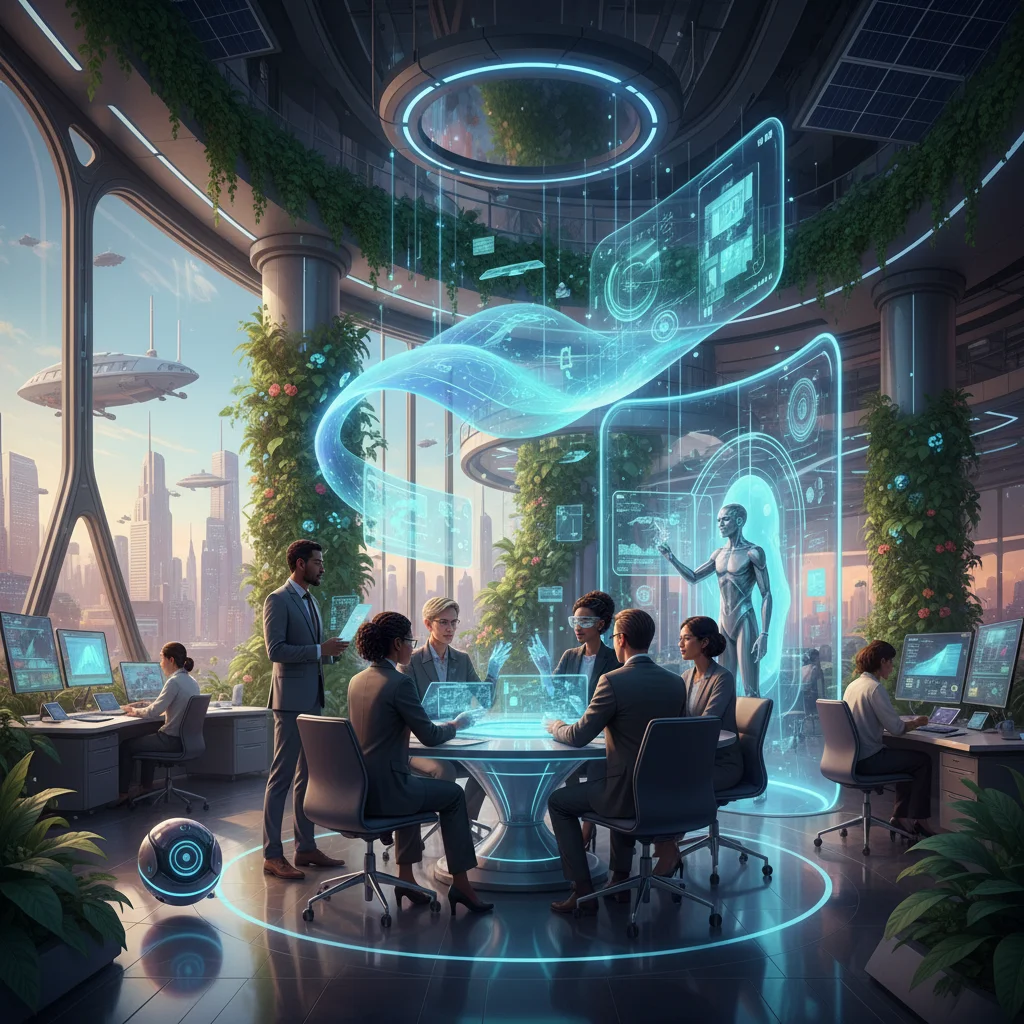
The Future of Work in 2026: 5 Emerging Job Roles in the US Economy
Insider Knowledge for a Rapidly Evolving Job Market
The landscape of the American workforce is in constant flux, but the pace of change is accelerating at an unprecedented rate. As we hurtle towards 2026, a confluence of technological breakthroughs, shifting societal values, and global challenges is redefining what it means to work. Artificial intelligence, automation, climate change, and the persistent drive for digital transformation are not just buzzwords; they are powerful forces creating entirely new categories of employment while transforming existing ones. Understanding the future work 2026 landscape is no longer a luxury but a necessity for individuals and organizations alike seeking to thrive in the coming years.
This article delves deep into the anticipated shifts, identifying five pivotal emerging job roles that are poised to become critical pillars of the US economy by 2026. These aren’t speculative roles from a distant sci-fi future; they are positions already beginning to take shape, requiring unique skill sets and offering significant growth potential. For students contemplating their career paths, professionals looking to upskill, or businesses planning their talent strategies, grasping these emerging trends is paramount. We’ll explore the drivers behind their emergence, the core responsibilities they entail, and the skills necessary to excel in these groundbreaking fields.
The Driving Forces Behind the Future Work 2026 Transformation
Before we pinpoint the specific roles, it’s crucial to understand the macro-level trends that are shaping the future work 2026 environment. These interconnected forces are creating both challenges and unparalleled opportunities:
1. Artificial Intelligence and Automation
Perhaps the most talked-about disruptor, AI is moving beyond simple task automation to complex problem-solving and creative endeavors. While some fear job displacement, the reality is a redefinition of roles, with AI becoming a powerful co-worker. This shift necessitates human oversight, ethical considerations, and the ability to leverage AI for enhanced productivity and innovation. The demand for professionals who can design, implement, manage, and ethically govern AI systems will skyrocket.
2. Sustainability and Green Economy
Climate change and resource scarcity are no longer abstract threats; they are pressing realities driving significant investment in renewable energy, sustainable practices, and circular economy models. This green revolution is creating a multitude of new jobs focused on environmental protection, sustainable development, and eco-friendly innovation across all sectors. Businesses are increasingly prioritizing ESG (Environmental, Social, and Governance) factors, leading to a demand for specialized expertise.
3. Digital Transformation and Data Proliferation
Every industry is undergoing a digital metamorphosis. From healthcare to manufacturing, retail to education, data is the new oil, and digital platforms are the new marketplaces. This continuous transformation requires experts who can navigate complex digital ecosystems, ensure cybersecurity, analyze vast datasets, and create seamless digital experiences. The sheer volume of data being generated also brings with it significant ethical and privacy concerns, demanding specialized roles.
4. Remote and Hybrid Work Models
The global events of recent years permanently altered traditional work structures. Remote and hybrid models are now commonplace, demanding new approaches to collaboration, team management, and digital infrastructure. This shift creates a need for roles that facilitate seamless virtual operations, maintain company culture across distributed teams, and ensure digital well-being.
5. Evolving Consumer Expectations and Personalization
Consumers increasingly expect highly personalized experiences, instant gratification, and ethical brand behavior. This drives businesses to invest in advanced analytics, customer experience (CX) strategies, and responsible supply chains. Roles focused on understanding and meeting these dynamic consumer demands will be crucial for competitive advantage.
5 Emerging Job Roles Shaping the Future Work 2026 Landscape
Based on these powerful trends, here are five job roles that are not just emerging but are set to define the future work 2026 in the US economy:
1. AI Ethics and Governance Officer
As AI becomes more pervasive, questions of bias, fairness, transparency, and accountability are paramount. An AI Ethics and Governance Officer will be responsible for ensuring that AI systems are developed and deployed responsibly, adhering to ethical guidelines, regulatory compliance, and societal values. This role bridges the gap between technology and morality, safeguarding against unintended consequences and building public trust in AI.
Why it’s emerging:
- Increasing regulatory scrutiny on AI (e.g., potential AI legislation).
- Public concern over algorithmic bias, privacy, and autonomous decision-making.
- Companies recognizing the reputational and legal risks of unethical AI.
- The growing complexity of AI systems requiring specialized oversight.
Core Responsibilities:
- Developing and implementing AI ethical frameworks and policies.
- Conducting ethical audits of AI algorithms and applications.
- Advising development teams on ethical AI design principles (e.g., fairness, transparency, explainability).
- Ensuring compliance with data privacy regulations related to AI.
- Mediating disputes and addressing public concerns regarding AI use.
- Staying updated on evolving AI ethics research and best practices.
Required Skills:
- Strong background in ethics, philosophy, law, or social sciences.
- Understanding of AI/ML concepts and technologies (not necessarily a coder, but informed).
- Excellent communication and stakeholder management abilities.
- Critical thinking and problem-solving skills.
- Familiarity with data governance and privacy regulations.

2. Sustainable Energy Systems Manager
With the global push towards decarbonization and renewable energy, businesses and municipalities are heavily investing in sustainable energy solutions. A Sustainable Energy Systems Manager will oversee the design, implementation, and optimization of renewable energy projects, energy efficiency initiatives, and sustainable utility management. This role is crucial for organizations looking to reduce their carbon footprint, achieve energy independence, and comply with environmental regulations, directly impacting the future work 2026 for green jobs.
Why it’s emerging:
- Urgent need for climate action and reduction of greenhouse gas emissions.
- Government incentives and policies supporting renewable energy development.
- Decreasing costs of solar, wind, and other renewable technologies.
- Corporate sustainability goals and ESG investment pressures.
- Demand for energy resilience and independence.
Core Responsibilities:
- Assessing energy needs and identifying sustainable solutions (solar, wind, geothermal, etc.).
- Managing the full lifecycle of sustainable energy projects, from conception to operation.
- Optimizing energy consumption and implementing efficiency measures.
- Coordinating with engineers, contractors, and regulatory bodies.
- Analyzing energy data and reporting on sustainability metrics.
- Exploring new green technologies and innovative energy storage solutions.
Required Skills:
- Engineering or environmental science background.
- Project management expertise.
- Knowledge of renewable energy technologies and energy efficiency practices.
- Understanding of energy markets and environmental regulations.
- Analytical and problem-solving capabilities.
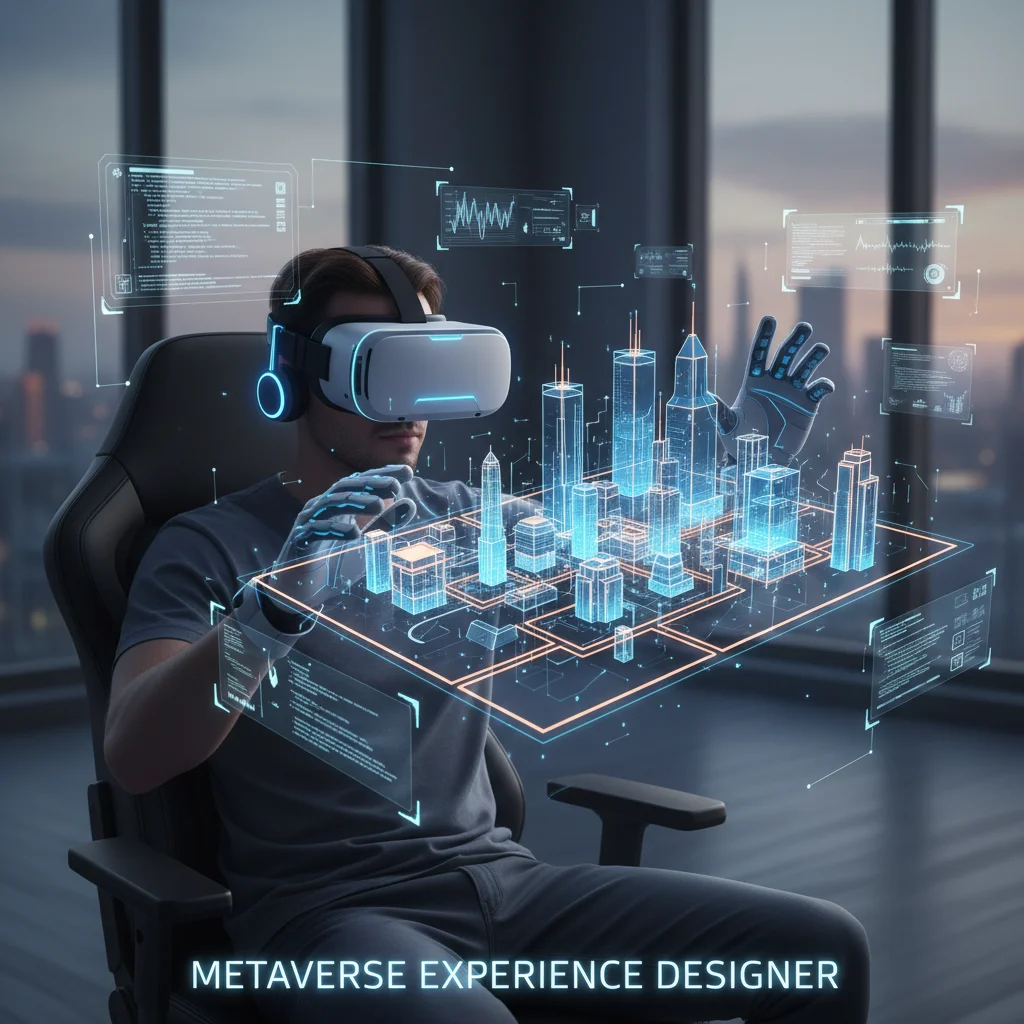
3. Metaverse Experience Designer / Virtual Reality Architect
The concept of the metaverse is rapidly evolving from science fiction to a nascent reality, promising immersive digital experiences for work, entertainment, and social interaction. A Metaverse Experience Designer or Virtual Reality Architect will be at the forefront of creating these virtual worlds, designing engaging and intuitive user experiences within 3D environments. This role will shape how we interact, learn, and conduct business in the next iteration of the internet, fundamentally altering the future work 2026 landscape for creative and tech professionals.
Why it’s emerging:
- Significant investment from tech giants in metaverse technologies.
- Growing adoption of VR/AR in gaming, training, and collaboration.
- Demand for immersive digital spaces for remote work, education, and commerce.
- The evolution of Web3 and decentralized virtual platforms.
Core Responsibilities:
- Conceptualizing and prototyping virtual environments and interactive elements.
- Designing user interfaces and user experiences specifically for 3D/VR/AR.
- Collaborating with developers, artists, and content creators to build metaverse experiences.
- Ensuring accessibility and inclusivity within virtual worlds.
- Testing and iterating on designs based on user feedback.
- Staying abreast of emerging VR/AR hardware and software developments.
Required Skills:
- Strong background in UX/UI design, game design, or architecture.
- Proficiency in 3D modeling and animation software (e.g., Unity, Unreal Engine, Blender).
- Understanding of spatial computing principles.
- Creativity and storytelling abilities.
- Knowledge of VR/AR hardware capabilities and limitations.
4. Digital Well-being and Productivity Specialist
The increased reliance on digital tools, remote work, and constant connectivity has brought significant benefits but also new challenges related to mental health, digital fatigue, and work-life balance. A Digital Well-being and Productivity Specialist will focus on creating strategies and implementing tools to foster a healthier and more productive digital work environment. This role is crucial for organizations aiming to support employee health, reduce burnout, and optimize performance in the hybrid workplace, directly impacting the future work 2026 for HR and wellness.
Why it’s emerging:
- Prevalence of remote and hybrid work models.
- Increased screen time and digital overload.
- Growing awareness of mental health issues in the workplace.
- Employer focus on employee retention and well-being.
- The need to optimize digital tools for efficiency without sacrificing human connection.
Core Responsibilities:
- Developing and implementing policies for healthy digital engagement (e.g., digital detox programs, meeting etiquette).
- Advising on and evaluating digital tools that promote focus and reduce distractions.
- Conducting workshops and training on digital literacy, mindfulness, and effective remote collaboration.
- Measuring and analyzing data related to employee digital habits and well-being.
- Collaborating with HR and IT to integrate well-being into technology solutions.
- Advocating for digital accessibility and inclusive design.
Required Skills:
- Background in psychology, organizational development, human resources, or public health.
- Understanding of digital technologies and their impact on human behavior.
- Strong communication, empathy, and coaching skills.
- Data analysis capabilities to assess program effectiveness.
- Facilitation and training experience.
5. Quantum Computing Application Engineer
While still in its early stages, quantum computing holds the promise of solving problems currently intractable for classical computers, revolutionizing fields like medicine, finance, and materials science. A Quantum Computing Application Engineer will be instrumental in translating complex quantum algorithms into practical, real-world applications. This highly specialized role will be at the cutting edge of technological innovation, defining the future work 2026 for advanced computing.
Why it’s emerging:
- Rapid advancements in quantum hardware and software development.
- Significant government and private sector investment in quantum research.
- Potential for quantum computing to offer exponential speedups for specific problems.
- Demand for specialized talent to bridge the gap between theoretical quantum science and practical applications.
Core Responsibilities:
- Designing, developing, and testing quantum algorithms for specific industry problems.
- Interfacing with quantum hardware and software platforms.
- Optimizing quantum code for performance and error correction.
- Collaborating with domain experts to identify suitable problems for quantum solutions.
- Educating classical developers on quantum computing concepts.
- Researching and staying current with quantum computing advancements.
Required Skills:
- Strong foundation in quantum mechanics, computer science, and mathematics.
- Proficiency in quantum programming languages and SDKs (e.g., Qiskit, Cirq).
- Experience with classical programming languages (e.g., Python, C++).
- Analytical problem-solving skills and abstract thinking.
- Ability to work in a highly specialized and rapidly evolving field.
Preparing for the Future Work 2026: Strategies for Success
The emergence of these roles underscores a critical message: continuous learning and adaptability are no longer optional but essential for career longevity. Here’s how individuals and organizations can prepare for the future work 2026:
For Individuals:
- Embrace Lifelong Learning: Invest in online courses, certifications, and advanced degrees in emerging fields. Platforms like Coursera, edX, and university extension programs offer invaluable resources.
- Develop Hybrid Skills: Focus on combining technical expertise with critical soft skills such as critical thinking, creativity, complex problem-solving, emotional intelligence, and interdisciplinary collaboration.
- Network Strategically: Connect with professionals in emerging industries and participate in communities focused on future trends.
- Cultivate Digital Fluency: Beyond basic computer skills, understand data analytics, cybersecurity basics, and how AI tools can augment your work.
- Seek Interdisciplinary Experience: Look for opportunities that blend different fields, as many future roles will sit at the intersection of traditional disciplines.
For Organizations:
- Invest in Reskilling and Upskilling: Develop robust internal training programs to equip current employees with the skills needed for future roles.
- Foster a Culture of Innovation: Encourage experimentation, continuous learning, and adaptability within your workforce.
- Prioritize Ethical AI and Sustainable Practices: Integrate these principles into your core business strategy, not just as an afterthought.
- Redesign Workflows: Leverage AI and automation to free up human talent for higher-value, more creative, and strategic tasks.
- Embrace Flexibility: Continue to adapt to evolving work models, focusing on outcomes and employee well-being.
- Strategic Talent Acquisition: Identify and recruit talent with the foresight to navigate emerging technologies and market shifts.
Conclusion: Navigating the Evolving Landscape of Future Work 2026
The future work 2026 in the US economy is characterized by dynamic change, driven by technological innovation and evolving societal priorities. The five emerging job roles highlighted – AI Ethics and Governance Officer, Sustainable Energy Systems Manager, Metaverse Experience Designer/Virtual Reality Architect, Digital Well-being and Productivity Specialist, and Quantum Computing Application Engineer – represent just a snapshot of the profound shifts underway. These roles are not merely additions to the job market; they signify a fundamental reorientation of skills, values, and strategic priorities for businesses and individuals alike.
By proactively understanding these trends and investing in relevant skills and strategies, we can not only adapt to the future but actively shape it. The coming years promise an exciting and challenging period for the American workforce, one where innovation, ethical considerations, and human-centric design will be at the forefront. Preparing for the future work 2026 means embracing a mindset of continuous growth and an unwavering commitment to societal and technological advancement.
The journey to 2026 will undoubtedly bring further surprises, but a proactive approach, grounded in foresight and adaptability, will be the ultimate differentiator for success in this transformative era.