Future of Digital Communities: Trends by Mid-2026
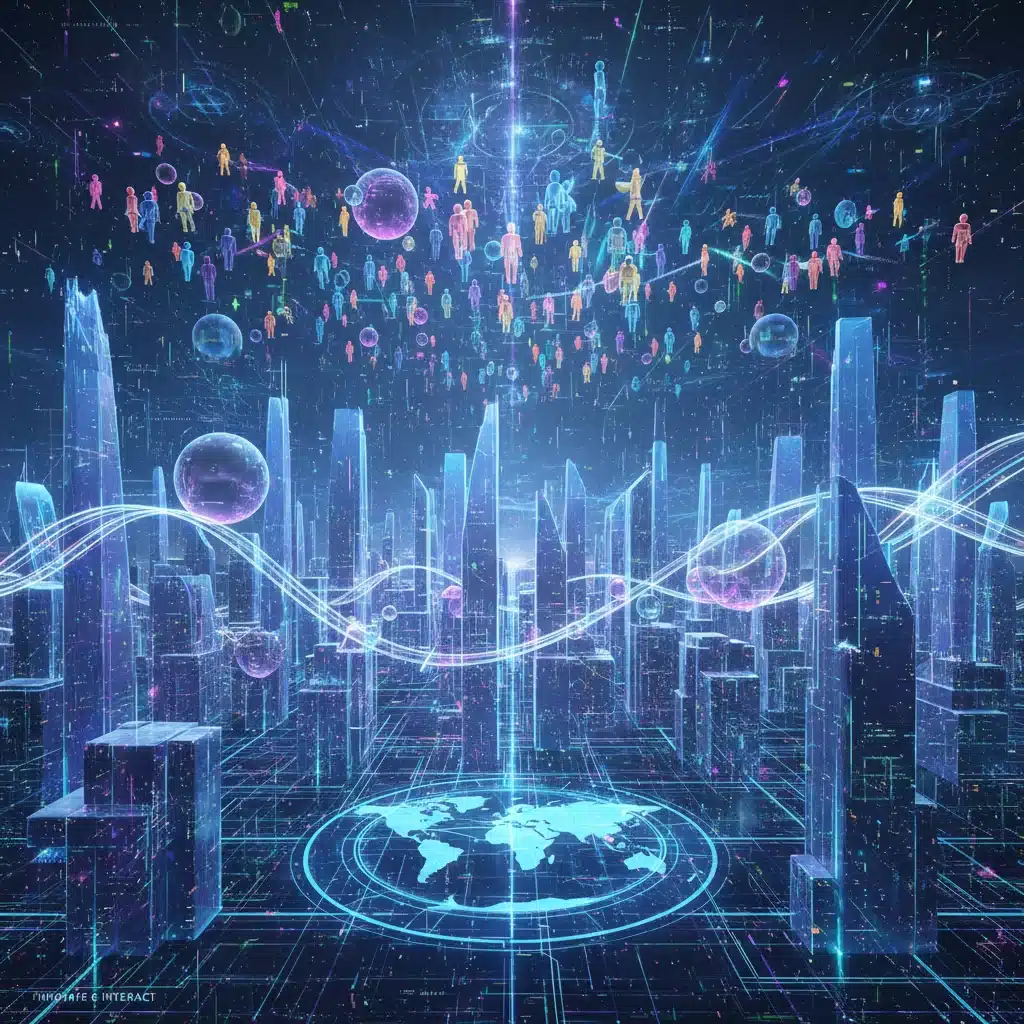
The Evolution of Digital Communities: What to Expect in Online Interactions by Mid-2026
The landscape of human interaction has been irrevocably transformed by the advent of digital communities. What began as simple online forums and chat rooms has blossomed into complex, multifaceted ecosystems that shape our social lives, professional networks, and even our identities. As we hurtle towards mid-2026, the pace of change is accelerating, driven by technological advancements, evolving user expectations, and a deeper understanding of what makes a community truly thrive online. Understanding the Future Digital Communities is no longer just for tech enthusiasts; it’s essential for anyone participating in or building online spaces.
In this comprehensive exploration, we will delve into the anticipated shifts and emerging trends that will define online interactions in the coming years. We’ll examine how artificial intelligence, the metaverse, Web3 technologies, and a renewed emphasis on authenticity and well-being will reshape the very fabric of our digital lives. Prepare to uncover the forces that will mold the next generation of online belonging and connection, offering insights for businesses, community managers, and individual users alike.
The AI Revolution: Personalization and Automation in Digital Communities
Artificial Intelligence (AI) is arguably the most significant driver of change in the realm of Future Digital Communities. By mid-2026, AI will move beyond simple chatbots and recommendation engines, becoming deeply embedded in the core functionalities of online platforms, enhancing personalization, automation, and overall user experience.
Hyper-Personalized Experiences
Imagine a digital community that understands your preferences, interests, and even your emotional state, tailoring content, interactions, and even suggested connections specifically for you. This is the promise of AI-driven hyper-personalization. Algorithms will become incredibly sophisticated at analyzing user behavior, engagement patterns, and explicit feedback to create bespoke experiences. For instance, a hobby-based community might use AI to recommend specific sub-groups, events, or resources that align perfectly with a user’s niche interests, fostering deeper engagement and a stronger sense of belonging. This level of personalization will make online spaces feel less like generic platforms and more like curated, intimate gatherings, significantly impacting the Future Digital Communities.
Advanced Moderation and Safety
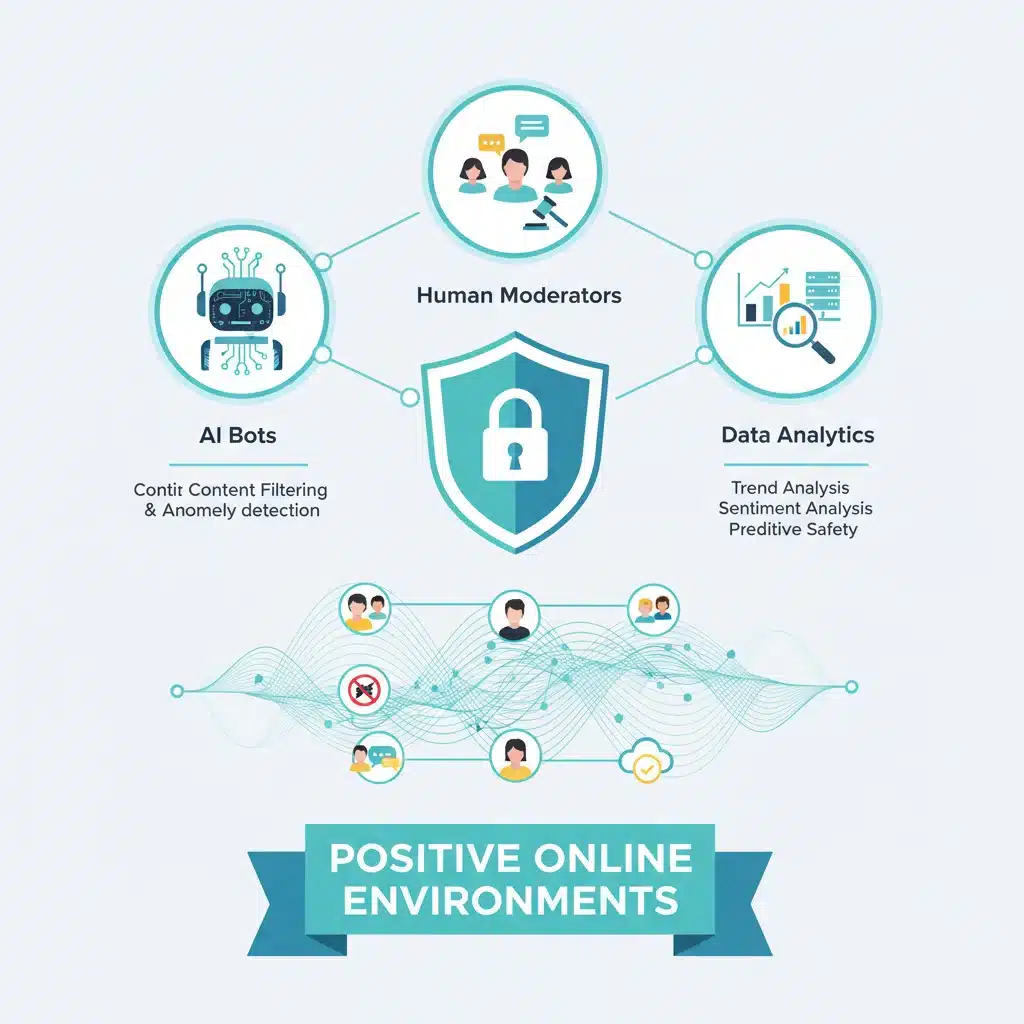
One of the persistent challenges in large-scale digital communities is moderation. By mid-2026, AI will play an even more critical role in maintaining safe and inclusive environments. AI-powered tools will be capable of real-time detection of hate speech, harassment, misinformation, and other harmful content with unprecedented accuracy and speed. These systems will not only flag problematic posts but also understand context, intent, and nuance, reducing the burden on human moderators and allowing them to focus on more complex cases. This proactive approach to safety will be crucial for fostering trust and encouraging open communication, making communities more attractive and sustainable. The evolution of these safety measures is a cornerstone of building robust Future Digital Communities.
Automated Community Management
AI will also streamline various aspects of community management. From answering frequently asked questions to scheduling events, sending personalized welcome messages, and identifying potential conflicts before they escalate, AI will empower community managers to scale their efforts and focus on strategic initiatives. This automation will free up valuable time, allowing human managers to foster genuine connections, organize engaging activities, and build stronger relationships within their communities. The integration of AI in these operational aspects will be vital for the efficient growth and maintenance of Future Digital Communities.
The Metaverse and Immersive Interactions: Beyond 2D Screens
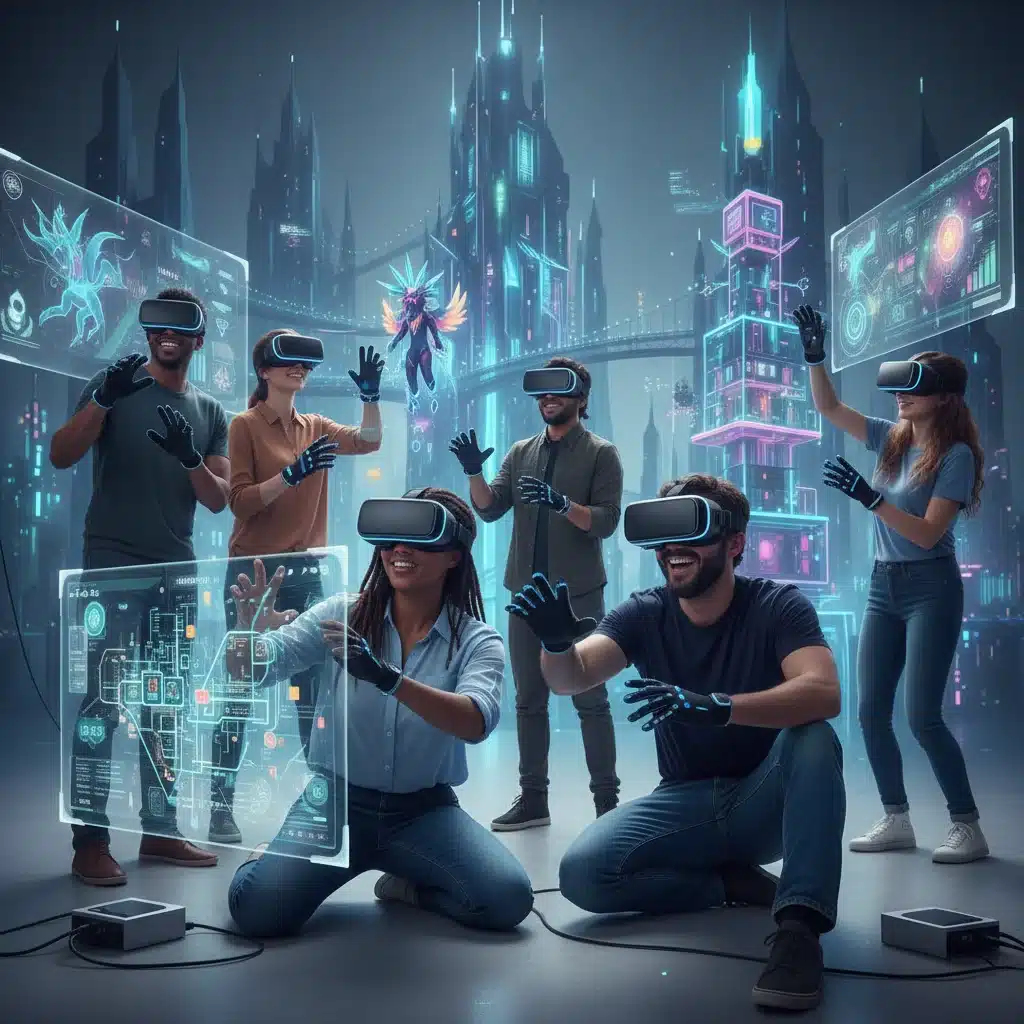
The concept of the metaverse, once a sci-fi dream, is rapidly becoming a tangible reality. By mid-2026, we can expect significant strides in the development and adoption of immersive digital spaces, fundamentally altering how we interact online. This shift from 2D interfaces to 3D virtual environments will redefine the experience of being part of Future Digital Communities.
Shared Virtual Experiences
Imagine attending a concert with friends from across the globe, collaborating on a project in a virtual office, or learning a new skill in an interactive 3D classroom – all within a persistent, shared digital world. The metaverse will offer unprecedented opportunities for shared experiences that transcend geographical boundaries. These environments will foster a deeper sense of presence and connection than traditional video calls or text-based forums. Avatars will become more sophisticated, allowing for greater self-expression and non-verbal communication, enriching interactions and making them feel more ‘real’. This immersive quality is a defining characteristic of the Future Digital Communities.
Bridging Physical and Digital Worlds
The metaverse won’t entirely replace physical interactions but rather augment them. We’ll see more hybrid events where participants can join virtually from anywhere, experiencing a sense of presence and participation that goes beyond simply watching a live stream. Augmented Reality (AR) will also play a crucial role, overlaying digital information onto our physical world, enhancing real-world communities with digital layers of interaction and information. This blending of realities will create a richer, more integrated experience of belonging within Future Digital Communities.
Economic Opportunities within Virtual Spaces
The metaverse will also unlock new economic models for digital communities. From virtual real estate and digital fashion to unique NFTs representing community membership or achievements, economic activity within these spaces will flourish. Creators and businesses will find new ways to monetize their contributions, fostering vibrant economies that incentivize participation and innovation. This economic layer will add another dimension to the value proposition of Future Digital Communities.
Web3 and Decentralization: Empowering Community Ownership
Beyond AI and the metaverse, Web3 technologies, including blockchain, cryptocurrencies, and NFTs, are poised to bring a paradigm shift to the ownership and governance of digital communities. This movement towards decentralization will empower users and redefine the relationship between platforms and their communities, shaping the very structure of Future Digital Communities.
Community-Owned and Governed Platforms
One of the most profound impacts of Web3 will be the rise of community-owned and governed platforms. Instead of being beholden to centralized corporations, users will have a direct stake in the platforms they inhabit, often through token ownership. Decentralized Autonomous Organizations (DAOs) will become more prevalent, allowing community members to vote on important decisions, from moderation policies to feature development and treasury allocation. This shift puts power back into the hands of the users, fostering greater transparency, fairness, and a stronger sense of collective ownership. This fundamental change in governance is critical for the evolution of Future Digital Communities.
Creator Economy and Digital Assets
Web3 will supercharge the creator economy within digital communities. NFTs (Non-Fungible Tokens) will enable creators to truly own and monetize their digital content, art, and experiences, fostering unique forms of community around these assets. Community tokens can reward active participation, incentivize positive behavior, and provide access to exclusive content or privileges. This direct economic alignment between creators, participants, and the community itself will foster more vibrant and sustainable ecosystems. The ability to own and trade digital assets will be a significant draw for many in Future Digital Communities.
Enhanced Privacy and Data Control
In an era of increasing data privacy concerns, Web3 offers a path towards greater user control. Decentralized identity solutions will allow individuals to manage their digital personas and data more effectively, deciding what information they share and with whom. This enhanced privacy and autonomy will build greater trust within digital communities, encouraging more open and authentic interactions. The focus on user sovereignty will be a key differentiator for many Future Digital Communities.
The Human Element: Authenticity, Well-being, and Niche Connections
While technology drives many of these changes, the fundamental human need for connection remains at the core of digital communities. By mid-2026, there will be a renewed emphasis on fostering authentic interactions, prioritizing user well-being, and cultivating highly specific niche communities.
Prioritizing Authenticity and Real Connections
As digital interactions become more sophisticated, there’s a growing desire for genuine connection over superficial engagement. Communities that prioritize authenticity, vulnerability, and meaningful dialogue will thrive. This means moving beyond vanity metrics and focusing on qualitative aspects of interaction. Platforms will need to design features that encourage deeper conversations, shared experiences, and the formation of lasting bonds, rather than just quick likes or fleeting comments. The pursuit of authentic connections is paramount for the health and longevity of Future Digital Communities.
Focus on Digital Well-being
The negative impacts of excessive screen time and toxic online environments are well-documented. By mid-2026, digital communities will increasingly integrate features and policies aimed at promoting user well-being. This could include tools for managing screen time, promoting digital detox periods, offering mental health resources, and implementing stricter measures against harassment and cyberbullying. Communities that genuinely care for the mental and emotional health of their members will build stronger loyalty and attract more engaged participants. This commitment to well-being will define successful Future Digital Communities.
Rise of Hyper-Niche Communities
The internet has always allowed for the gathering of like-minded individuals, but the trend towards hyper-niche communities will intensify. As general-purpose platforms become saturated, users will seek out smaller, more focused communities centered around highly specific interests, passions, or identities. These niche spaces offer a stronger sense of belonging, deeper engagement, and a higher signal-to-noise ratio. From communities dedicated to obscure hobbies to support groups for unique life experiences, the power of shared specificity will drive growth in these specialized online realms. This fragmentation into specialized groups is a key aspect of Future Digital Communities.
Challenges and Considerations for the Future
While the future of digital communities holds immense promise, it also presents significant challenges that need to be addressed to ensure their healthy and equitable development.
Digital Divide and Accessibility
As technologies like the metaverse and advanced AI become more prevalent, there’s a risk of exacerbating the digital divide. Ensuring equitable access to high-speed internet, affordable devices, and the necessary digital literacy will be crucial to prevent certain populations from being left behind. The promise of inclusive Future Digital Communities hinges on addressing these accessibility gaps.
Ethical AI and Algorithmic Bias
The increasing reliance on AI raises ethical concerns about algorithmic bias, privacy, and the potential for manipulation. Developers and community managers must prioritize ethical AI development, ensuring transparency, fairness, and accountability in the algorithms that shape our online interactions. Without careful consideration, biased AI could inadvertently marginalize certain groups or reinforce existing societal inequalities within Future Digital Communities.
Interoperability and Data Portability
As the metaverse fragments into various platforms and Web3 introduces decentralized identities, interoperability will become a critical challenge. Users will want to seamlessly move their avatars, digital assets, and identities between different virtual worlds and platforms. The lack of standardized protocols could create walled gardens, limiting the true potential of interconnected Future Digital Communities.
Combating Misinformation and Online Harms
Despite advancements in AI moderation, the fight against misinformation, hate speech, and online harassment will continue to be an ongoing battle. The scale and speed of digital interactions mean that new strategies, combining technological solutions with human oversight and community education, will be constantly required to maintain safe and trustworthy environments. Robust strategies for combating these harms are essential for the flourishing of Future Digital Communities.
Monetization vs. Community Values
The tension between commercial interests and core community values will persist. Platforms and community creators will need to find sustainable monetization models that do not compromise the integrity, authenticity, or well-being of their members. Balancing profit motives with the genuine needs of the community will be an ongoing tightrope walk for many Future Digital Communities.
Conclusion: A Dynamic and Evolving Landscape
By mid-2026, digital communities will be far more dynamic, personalized, and immersive than they are today. The confluence of AI, the metaverse, and Web3 technologies will redefine what it means to connect, interact, and belong online. We will see the emergence of highly sophisticated, intelligent platforms that offer hyper-personalized experiences, alongside decentralized, community-owned spaces that empower users with unprecedented control.
However, the technological advancements must be balanced with a steadfast commitment to human values: authenticity, well-being, safety, and inclusivity. The most successful Future Digital Communities will be those that leverage cutting-edge technology to foster deeper, more meaningful human connections, creating spaces where individuals feel truly seen, heard, and valued. As we navigate this exciting evolution, understanding these trends and actively shaping them will be key to building a more connected and enriching digital future for everyone.
The journey towards mid-2026 is not just about adopting new tools; it’s about reimagining the very essence of online interaction and building sustainable, thriving ecosystems that serve the diverse needs of humanity. The future of digital communities is not a static destination but a continuous process of innovation, adaptation, and human-centric design. Embracing these changes with foresight and ethical consideration will pave the way for a truly transformative era of online belonging.