Virtual Experiences 2026: Engaging with Digital Culture’s Future
The Rise of Virtual Experiences: How to Engage with Digital Culture in 2026
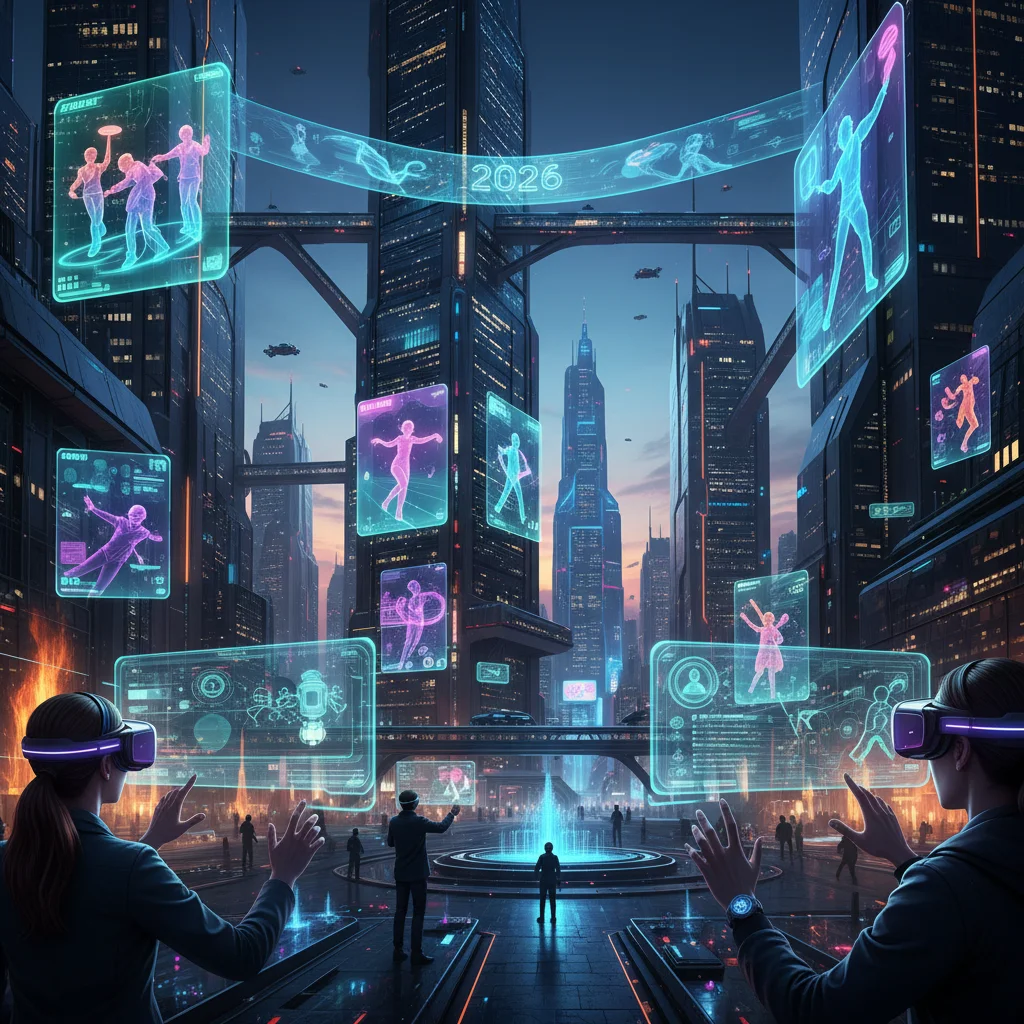
The year is 2026, and the landscape of human interaction has been irrevocably reshaped by an unprecedented surge in digital innovation. We stand at the precipice of a new era, where the boundaries between the physical and the virtual continue to blur, giving rise to an expansive universe of virtual experiences 2026. This isn’t merely about consuming content; it’s about active participation, co-creation, and truly immersive engagement within a vibrant, ever-evolving digital culture. From education and entertainment to social connections and commerce, virtual experiences are no longer niche novelties but integral components of our daily lives. Understanding this shift, and learning how to effectively navigate and leverage these digital frontiers, is paramount for anyone looking to stay relevant and connected in the coming years.
What exactly defines these virtual experiences in 2026? It encompasses a broad spectrum of technologies and interactions, including advanced Virtual Reality (VR), sophisticated Augmented Reality (AR), mixed reality (MR), and the burgeoning concept of the metaverse. These technologies are converging to create environments where users can feel a profound sense of presence, interact with digital objects and other users in real-time, and even shape the digital world around them. The implications are vast, offering new avenues for creativity, collaboration, and even personal growth. This article will delve deep into the mechanics of engaging with this digital culture, exploring the tools, platforms, and mindsets required to thrive in a world increasingly defined by virtual interactions.
The journey into virtual experiences 2026 is not just for tech enthusiasts; it’s a universal call to adapt and evolve. Businesses are rethinking their customer engagement strategies, educators are transforming learning methodologies, and artists are discovering entirely new mediums for expression. Even our personal relationships are finding new dimensions within these virtual spaces. This comprehensive guide aims to equip you with the knowledge and insights necessary to not only understand but actively participate in and benefit from the digital revolution unfolding before our eyes.
The Evolution of Virtual Experiences: From Niche to Mainstream
To truly grasp the significance of virtual experiences 2026, it’s essential to look back at their trajectory. What began as rudimentary graphics and clunky headsets has blossomed into seamless, high-fidelity environments. Early VR, while groundbreaking, often suffered from motion sickness and limited accessibility. AR was initially confined to novel apps that overlaid digital elements onto the real world in a somewhat superficial manner. However, rapid advancements in processing power, display technology, haptic feedback, and network infrastructure (such as 5G and nascent 6G) have propelled these technologies into a new stratosphere.
By 2026, VR headsets are lighter, more comfortable, and offer vastly improved resolution and field of view. Standalone VR devices have become commonplace, eliminating the need for powerful external computers and making immersion more accessible than ever. AR, likewise, has moved beyond smartphone apps, with sophisticated smart glasses becoming increasingly prevalent. These devices offer persistent, context-aware digital overlays that seamlessly blend with our physical surroundings, providing information, entertainment, and interactive elements without obstructing our view of the real world. The integration of AI has also played a crucial role, making virtual environments more responsive, intelligent, and personalized to individual user preferences.
This mainstream adoption isn’t just about technological maturity; it’s also about the increasing recognition of the practical applications and benefits of virtual experiences. The pandemic accelerated the need for remote interaction, pushing companies and individuals to explore digital alternatives for work, education, and social gatherings. This period served as a global proving ground, showcasing the potential of virtual platforms to facilitate meaningful connections and activities despite physical distance. As a result, the foundational infrastructure and user habits for widespread adoption of virtual experiences 2026 were firmly established.
Furthermore, the development of robust content ecosystems has been pivotal. From hyper-realistic games and interactive narratives to virtual event spaces and collaborative design platforms, the variety and quality of virtual content have exploded. Content creators, developers, and artists are flocking to these new mediums, pushing the boundaries of what’s possible and attracting ever-larger audiences. This virtuous cycle of technological advancement, increased accessibility, and compelling content has cemented the position of virtual experiences as a defining characteristic of digital culture in 2026.
Key Pillars of Virtual Experiences in 2026
Understanding the core components that define virtual experiences 2026 is crucial for effective engagement. These pillars represent the foundational technologies and concepts that underpin the current digital landscape:
1. The Metaverse: A Persistent Digital Universe
Perhaps the most talked-about concept, the metaverse, is no longer a futuristic pipe dream but a nascent reality in 2026. It’s envisioned as a persistent, interconnected network of 3D virtual worlds where users can interact with each other, digital objects, and AI-driven entities in real-time. Unlike previous online platforms, the metaverse aims for interoperability, allowing users to move seamlessly between different virtual spaces, carrying their digital identities, assets (like NFTs), and experiences with them. This creates a sense of continuity and ownership that was previously impossible.
Engaging with the metaverse means more than just playing games; it involves attending virtual concerts, shopping in digital storefronts, collaborating on projects in virtual offices, and even owning virtual land. The economic implications are massive, with new forms of digital commerce, currencies, and job roles emerging within these virtual economies. Understanding the protocols, platforms, and social norms of the metaverse is key to participating in this expansive digital frontier.
2. Advanced Virtual Reality (VR): Deeper Immersion
VR in 2026 offers unparalleled levels of immersion. Headsets are lighter, more powerful, and feature eye-tracking, haptic feedback suits, and even olfactory sensors that can simulate scents. This allows for truly multi-sensory experiences that blur the line between the virtual and the real. From ultra-realistic training simulations for surgeons and pilots to breathtaking virtual tourism experiences that transport you to distant lands, the applications are diverse and impactful.
To engage effectively with VR, one must consider not just the hardware but also the quality of the content. High-fidelity graphics, compelling narratives, and intuitive controls are essential for a truly immersive experience. Furthermore, understanding the social etiquette within multi-user VR environments is becoming increasingly important as these spaces become more crowded and complex. The ability to customize avatars, express emotions through digital proxies, and collaborate effectively in VR are vital skills for navigating these immersive worlds.
3. Sophisticated Augmented Reality (AR): Blending Digital and Physical
AR in 2026 has evolved significantly beyond simple overlays. With advanced smart glasses and even contact lenses, AR now offers contextual, intelligent, and interactive digital information seamlessly integrated into our physical environment. Imagine walking down a street and seeing holographic directions overlaid on the pavement, or receiving real-time information about a building’s history simply by looking at it.
AR is transforming industries from retail (virtual try-ons) and manufacturing (remote assistance) to education (interactive learning models). Engaging with AR means learning to interact with digital elements that coexist with the physical world. This requires a different kind of spatial awareness and the ability to interpret digital cues within a physical context. The development of AR-specific applications and content is booming, offering creative opportunities for those who can master this blended reality.
4. AI Integration: Intelligent Virtual Worlds
Artificial Intelligence is the invisible engine powering many of the advancements in virtual experiences 2026. AI algorithms personalize virtual environments, generate dynamic content, create realistic non-player characters (NPCs) with complex behaviors, and even facilitate natural language interactions within virtual spaces. AI-driven analytics also helps platforms understand user preferences, optimizing experiences and content delivery.
Engaging with AI-powered virtual worlds means adapting to environments that can learn and respond to your actions in sophisticated ways. This opens up possibilities for highly personalized entertainment, adaptive learning experiences, and intelligent virtual assistants that can enhance productivity and well-being within digital realms. Understanding the ethical implications of AI in virtual spaces, such as data privacy and algorithmic bias, is also an important aspect of responsible engagement.
How to Engage with Digital Culture in 2026: Practical Strategies
The transition into a digitally immersive world requires more than just access to technology; it demands new skills, mindsets, and approaches. Here’s how to effectively engage with digital culture in the era of virtual experiences 2026:
1. Embrace Lifelong Learning and Digital Literacy
The pace of technological change means that what’s cutting-edge today might be commonplace tomorrow. To stay engaged, cultivate a mindset of continuous learning. Familiarize yourself with the basics of VR, AR, and metaverse platforms. Understand concepts like NFTs (Non-Fungible Tokens) for digital ownership and decentralized autonomous organizations (DAOs) for community governance within virtual spaces. Many online courses, tutorials, and community forums exist to help you build this foundational knowledge.
2. Experiment with Different Platforms and Technologies
Don’t limit yourself to one type of virtual experience. Try out various VR games, attend a virtual concert, explore an AR art installation, or participate in a metaverse community event. Each platform offers unique ways to interact and engage. This experimentation will help you discover what resonates with you and what opportunities exist within different digital ecosystems. Early adoption and exploration can often lead to unexpected advantages, both personal and professional.
3. Develop Your Digital Identity and Presence
In virtual worlds, your avatar is your digital self. Spend time customizing it to reflect your personality, or even explore entirely new personas. Understand that your digital reputation and interactions within these spaces hold increasing weight. Practice good digital citizenship, engage respectfully, and contribute positively to online communities. Building a strong, authentic digital identity is crucial for fostering meaningful connections and opportunities.
4. Cultivate Collaboration and Community Building Skills
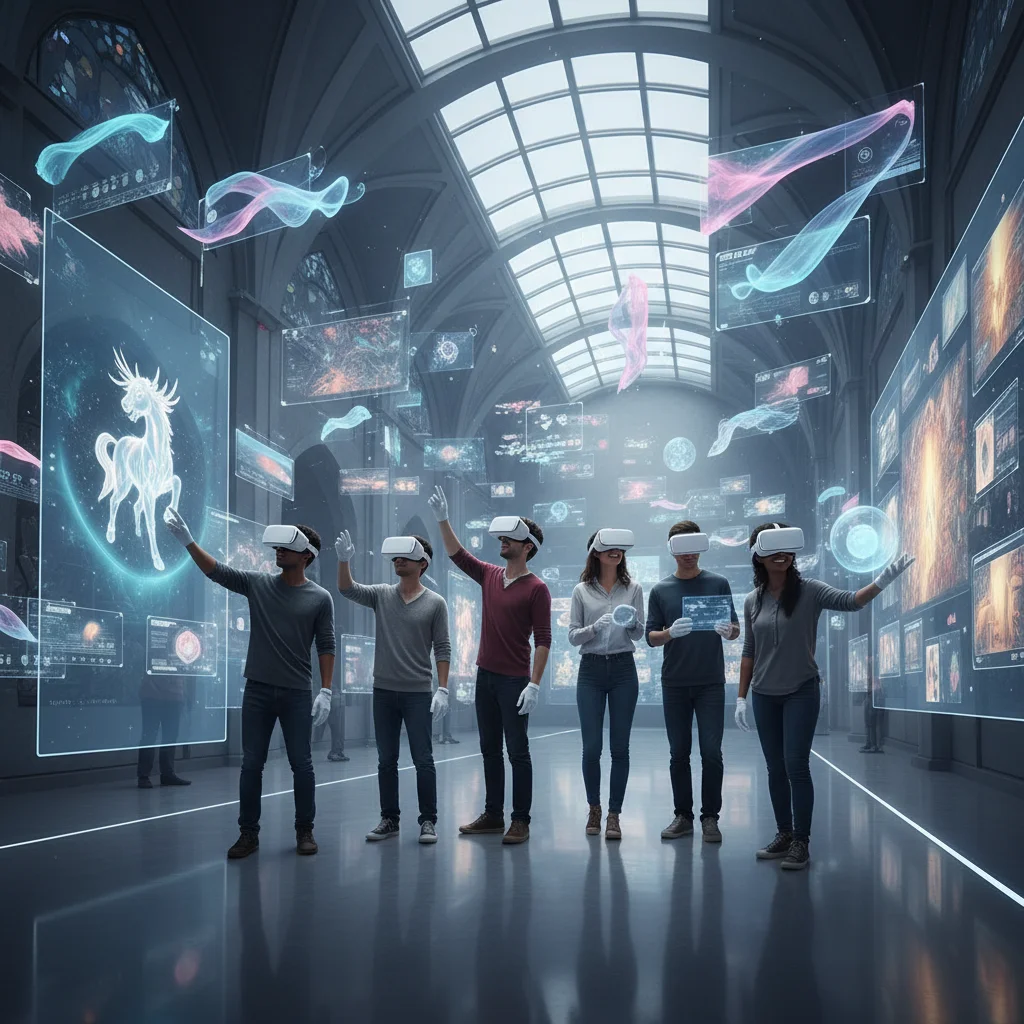
Many of the most compelling virtual experiences 2026 are inherently social and collaborative. Learning to work effectively in virtual teams, participate in online discussions, and contribute to community projects will enhance your engagement. Platforms are designed to facilitate interaction, so actively seek out groups, clubs, and events that align with your interests. Networking in the metaverse is becoming as important as networking in the physical world.
5. Understand the Economic Opportunities
The virtual economy is booming. From creating and selling digital assets (e.g., skins, virtual clothing, 3D models) to offering services within virtual worlds (e.g., event planning, avatar design, virtual real estate brokering), there are countless ways to generate income. Content creation, streaming, and even virtual performances are becoming viable career paths. Educate yourself on digital currencies, blockchain technology, and the various marketplaces that facilitate these transactions.
6. Prioritize Digital Well-being and Security
As we spend more time in virtual spaces, it’s vital to maintain a healthy balance. Be mindful of screen time, take breaks, and ensure your virtual interactions are positive and constructive. Furthermore, understand the security implications of engaging with virtual platforms. Use strong passwords, be wary of phishing attempts, and protect your digital assets. Data privacy and cybersecurity are paramount in a world where your digital footprint is expanding rapidly.
The Impact of Virtual Experiences on Industries in 2026
The pervasive nature of virtual experiences 2026 means that nearly every industry is being touched and transformed. Here’s a glimpse into some key sectors:
Education and Training: Immersive Learning
Traditional classrooms are being augmented, and in some cases, replaced, by immersive virtual learning environments. Students can explore historical sites in VR, dissect virtual organs in AR, or collaborate on complex scientific experiments in a metaverse lab. This provides hands-on, experiential learning that is often more engaging and effective than traditional methods. Corporate training also benefits immensely, with realistic simulations for high-stakes scenarios and collaborative virtual workshops.
Entertainment and Media: Beyond Consumption
Concerts, movies, and games are evolving into interactive, participatory events. Virtual concerts feature holographic artists and allow audience members to interact with each other and the performance in real-time. Interactive narratives in VR put users directly into the story, allowing their choices to shape the outcome. Gaming continues to push the boundaries of realism and social interaction, with esports becoming a major virtual spectacle. The line between content creator and consumer is blurring, as users can often contribute to the virtual worlds they inhabit.

Retail and E-commerce: The Virtual Storefront
Shopping in 2026 often involves virtual showrooms where customers can examine 3D models of products, try on clothes using AR mirrors, or even design custom items in a virtual workshop. The metaverse offers entirely new retail spaces, complete with virtual fashion shows and digital goods that can be purchased and used across different platforms. This enhances the online shopping experience, making it more interactive and personalized, and reducing returns by providing a clearer sense of the product.
Healthcare: Diagnostics, Therapy, and Wellness
VR is being used for pain management, anxiety reduction, and even therapeutic interventions for conditions like PTSD and phobias. Surgeons practice complex procedures in highly detailed virtual operating rooms. AR assists medical professionals with real-time patient data overlays during examinations. Telemedicine is becoming more immersive, with virtual consultations that can include 3D diagnostic tools and remote monitoring devices. The potential for enhancing patient care and medical training is immense.
Work and Collaboration: The Distributed Office
Remote work has evolved significantly with virtual experiences 2026. Virtual meeting rooms offer a sense of presence that video calls cannot match, allowing for more natural interactions and whiteboard collaboration. Teams can co-create 3D models, conduct virtual tours of construction sites, or hold global conferences in shared virtual spaces. This enhances productivity, reduces the need for travel, and allows for more flexible and inclusive work environments.
Challenges and Considerations for Virtual Experiences in 2026
While the opportunities are vast, it’s important to acknowledge the challenges that come with the widespread adoption of virtual experiences 2026:
1. Digital Divide and Accessibility
Access to high-speed internet, powerful hardware, and digital literacy remains uneven globally. Ensuring that virtual experiences are inclusive and accessible to everyone, regardless of socioeconomic status or geographical location, is a critical challenge. Efforts must be made to develop affordable hardware and user-friendly interfaces.
2. Privacy and Data Security
The collection of vast amounts of personal data within virtual environments – from biometric information to interaction patterns – raises significant privacy concerns. Robust regulations and ethical frameworks are needed to protect user data and prevent misuse. Users must also be educated on how to safeguard their own information in these new digital frontiers.
3. Ethical Implications and Digital Well-being
The immersive nature of virtual experiences can lead to issues like addiction, escapism, and the potential for harmful content or interactions. Developing ethical guidelines for virtual world design, content moderation, and promoting healthy digital habits are crucial. The psychological impact of spending extended periods in virtual environments also warrants ongoing research and consideration.
4. Interoperability and Standards
For the metaverse to truly flourish, different platforms need to be able to communicate and share assets seamlessly. The lack of universal standards for digital identity, asset ownership, and virtual world protocols can hinder widespread adoption and create walled gardens. Industry collaboration is essential to overcome these barriers.
5. Regulatory Frameworks
Existing laws and regulations often struggle to keep pace with rapid technological advancements. New legal frameworks will be needed to address issues like digital property rights, virtual crime, intellectual property in virtual spaces, and international jurisdiction within the metaverse. Governments and legal experts are actively working to define these new boundaries.
The Future is Now: Embracing Virtual Experiences in 2026
The year 2026 marks a pivotal moment in the evolution of digital culture. Virtual experiences 2026 are not just a trend; they are a fundamental shift in how we connect, learn, work, and play. The integration of VR, AR, and the metaverse, powered by advanced AI, is creating a rich tapestry of immersive possibilities that were once confined to the realm of science fiction. This digital revolution offers unprecedented opportunities for innovation, creativity, and connection.
Engaging with this new digital landscape requires an open mind, a willingness to learn, and a proactive approach to exploring new technologies. By understanding the core pillars of virtual experiences, developing new digital literacy skills, and embracing the collaborative nature of these environments, individuals and organizations can not only adapt but thrive. The challenges, while significant, are being addressed by a global community of innovators, policymakers, and users committed to building a more inclusive, secure, and beneficial digital future.
The journey into the world of virtual experiences 2026 is an exciting one, filled with endless possibilities. By actively participating, contributing, and shaping these emerging digital frontiers, we can collectively build a future where technology enhances human experience in profound and meaningful ways. The time to engage is now, to explore the vast potential of these virtual worlds and become an active participant in the digital culture of tomorrow.