Metaverse in 2026: Navigating the Future of Digital Worlds
Navigating the Metaverse: What to Expect from Digital Worlds in Late 2026
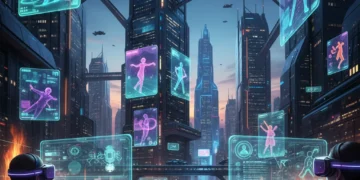
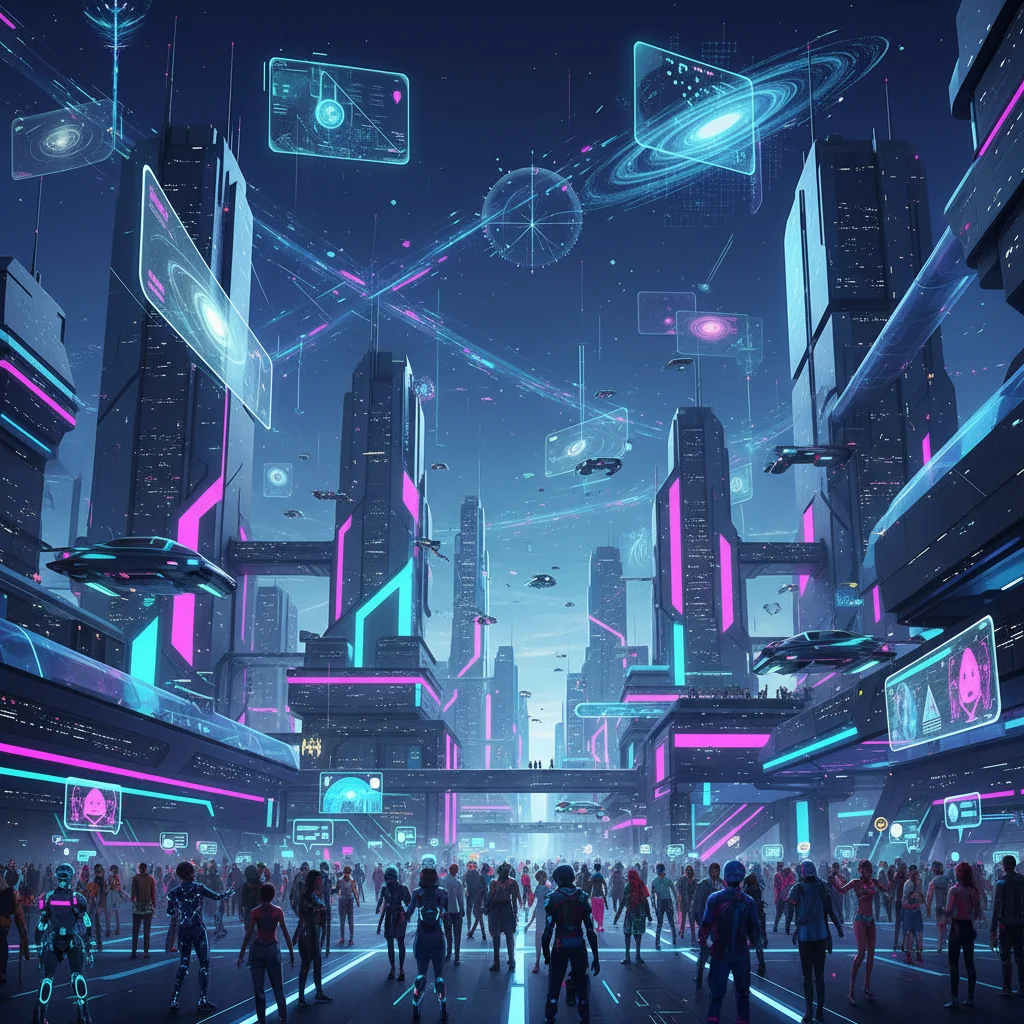
The concept of the metaverse, once relegated to the realm of science fiction, is rapidly materializing into a tangible reality. As we approach late 2026, the digital landscape is poised for a transformative shift, promising a future where our online interactions transcend traditional two-dimensional screens and plunge us into rich, immersive, and interconnected virtual worlds. This isn’t just about gaming; it’s about a fundamental redefinition of how we work, socialize, learn, and entertain ourselves. Understanding the trajectory of the Metaverse Future 2026 is crucial for individuals, businesses, and policymakers alike.
For those unfamiliar, the metaverse can be broadly defined as a persistent, interconnected network of 3D virtual worlds. These worlds are not static; they evolve, they are interactive, and they are often experienced in real-time by a multitude of users, often through virtual reality (VR) or augmented reality (AR) technologies. Unlike current online experiences, where we navigate discrete websites or applications, the metaverse aims to create a seamless, continuous digital fabric where users can move freely between different environments, carrying their digital identities, assets, and experiences with them. By 2026, we anticipate significant strides in achieving this vision, moving beyond nascent stages to more robust and integrated ecosystems.
The Evolving Technological Backbone of the Metaverse
The foundation of the Metaverse Future 2026 rests on several converging technological advancements. Without these, the ambitious vision of a truly immersive and persistent digital world would remain out of reach. Understanding these core technologies provides insight into the potential capabilities and limitations of the metaverse in the coming years.
Virtual Reality (VR) and Augmented Reality (AR) Hardware
By late 2026, VR and AR hardware will have undergone considerable evolution. We expect headsets to be lighter, more comfortable, and offer higher resolution displays with wider fields of view, significantly reducing motion sickness and enhancing immersion. Haptic feedback technology will also become more sophisticated, allowing users to ‘feel’ virtual objects and interactions with greater realism. While mass adoption of high-end VR may still be a few years away, more accessible and hybrid AR devices, potentially resembling everyday glasses, will begin to gain traction, blending digital information with our physical surroundings seamlessly. This will open up new avenues for interaction and utility, bridging the gap between the physical and digital realms in novel ways. The improvements in these devices are not just about entertainment; they are about making the metaverse a practical tool for everyday life, from remote work to education.
5G and Beyond: Connectivity and Bandwidth
The metaverse demands immense bandwidth and low latency. The widespread rollout and maturation of 5G networks, and the early stages of 6G development, are critical enablers. Faster and more reliable connectivity will allow for real-time rendering of complex virtual environments, seamless streaming of high-fidelity content, and instantaneous interactions between users, regardless of their physical location. This improved connectivity is vital for preventing lag and ensuring a smooth, engaging experience, which is paramount for the success of the Metaverse Future 2026. Without robust network infrastructure, even the most advanced hardware and software would struggle to deliver on the metaverse’s promise.
Artificial Intelligence (AI) and Machine Learning (ML)
AI will play a pivotal role in shaping the metaverse. From creating more realistic and adaptive non-player characters (NPCs) and virtual assistants to personalizing user experiences and dynamically generating content, AI will enhance the depth and responsiveness of virtual worlds. ML algorithms will analyze user behavior to optimize environments, recommend activities, and even facilitate more natural language interactions with digital entities. Expect AI-powered tools to help users create their own virtual content and experiences, democratizing content creation within the metaverse. This intelligent layer will make the metaverse feel more alive, more responsive, and more tailored to individual preferences.
Blockchain and Web3 Technologies
Blockchain technology is fundamental to the concept of Web3 and is set to underpin many aspects of the Metaverse Future 2026. It enables true digital ownership of assets (NFTs), secure transactions, and verifiable digital identities. This decentralized approach grants users more control over their data and digital property, fostering trust and interoperability across different metaverse platforms. The ability to own a unique digital item, transfer it between virtual worlds, and even monetize it, is a game-changer that blockchain makes possible. This shift towards user-centric control is a core tenet of the metaverse’s evolution.
Key Areas of Growth and Innovation by 2026
While the metaverse is still in its early stages, several sectors are pushing the boundaries of what’s possible, and by 2026, we anticipate significant advancements and mainstream adoption in these areas.
Immersive Social Experiences and Communication
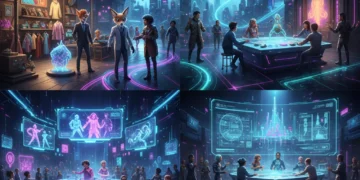
Beyond traditional video calls, the metaverse will offer richer social interactions. Imagine attending a concert with friends from across the globe, feeling present in a virtual stadium, or participating in a family gathering where everyone’s avatars are together in a shared digital space. By 2026, social platforms within the metaverse will provide more realistic avatars, nuanced emotional expressions, and spatial audio, making virtual interactions feel remarkably close to physical ones. These advancements will make remote connections more meaningful and engaging, reducing the sense of distance. The goal is to replicate the richness of human interaction, not just its basic functionality.
Virtual Economies and Digital Ownership
The metaverse will be a thriving hub for digital commerce. Users will buy, sell, and trade virtual goods, services, and real estate, often using cryptocurrencies and NFTs. By 2026, these virtual economies will be more sophisticated, with established marketplaces, digital banks, and even decentralized autonomous organizations (DAOs) governing aspects of virtual worlds. Brands will increasingly establish a presence in the metaverse, offering virtual products, experiences, and advertising opportunities. This burgeoning digital economy will create new job roles and entrepreneurial ventures, blurring the lines between physical and virtual wealth. The concept of digital scarcity and ownership will become increasingly prevalent and understood.
Work and Collaboration in the Metaverse
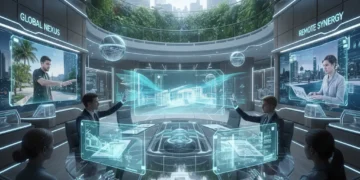
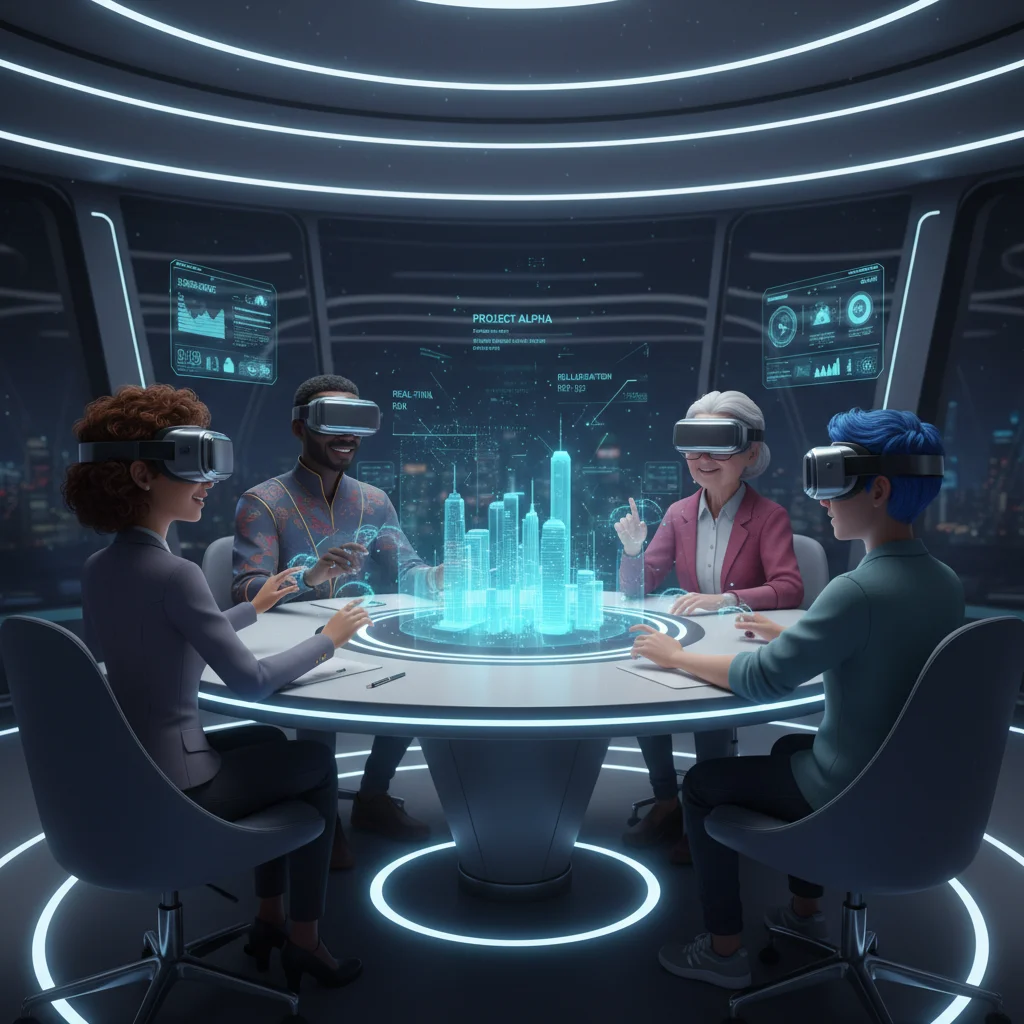
Remote work will be revolutionized by the metaverse. Instead of static video calls, employees will collaborate in shared virtual offices, conduct meetings in 3D environments, and even prototype designs in real-time. The Metaverse Future 2026 will see businesses investing in virtual workspaces that foster creativity, team cohesion, and productivity, regardless of geographical barriers. Imagine architects walking through a virtual building design with clients, or engineers collaborating on a complex machine assembly in a shared digital twin. Training and simulations will also become incredibly realistic and effective in these virtual environments, offering hands-on experience without physical limitations or risks.
Education and Learning
The metaverse holds immense potential for education. By 2026, virtual classrooms will offer immersive learning experiences, allowing students to explore historical sites, conduct virtual science experiments, or dissect virtual organisms. Learning will become more interactive, engaging, and personalized, adapting to individual learning styles. Field trips to distant galaxies or ancient civilizations will be possible with a VR headset, transcending the limitations of physical classrooms and traditional textbooks. This will make education more accessible and engaging for learners of all ages and backgrounds, fostering a deeper understanding of complex subjects.
Entertainment and Gaming
Gaming will continue to be a primary driver of metaverse development, evolving into more expansive, persistent, and social experiences. Beyond gaming, virtual concerts, interactive stories, and digital art galleries will become commonplace. The lines between creators and consumers will blur as users actively participate in shaping their entertainment experiences. Esports will find new arenas in the metaverse, offering unparalleled spectator experiences. Expect to see major entertainment franchises establishing significant footprints in these digital worlds, offering unique fan engagement opportunities. The immersion offered by the Metaverse Future 2026 will redefine what it means to be entertained.
Challenges and Considerations for the Metaverse in 2026
Despite the exciting prospects, the road to a fully realized metaverse is fraught with challenges that need to be addressed by 2026. These challenges span technological, ethical, and societal dimensions.
Interoperability and Open Standards
One of the biggest hurdles is ensuring interoperability between different metaverse platforms. Without open standards, users might find themselves locked into proprietary ecosystems, unable to transfer their digital assets or identities across virtual worlds. The vision of a truly interconnected metaverse requires collaboration among tech giants to establish common protocols and frameworks. By 2026, we hope to see significant progress in this area, but it remains a critical point of contention and development. A fragmented metaverse would severely limit its potential and user adoption.
Privacy, Security, and Data Governance
As we spend more time in virtual worlds, the amount of personal data collected will be unprecedented. Protecting user privacy, ensuring data security, and establishing clear data governance policies are paramount. Issues like data ownership, surveillance, and the potential for digital identity theft will require robust solutions and regulatory frameworks. The decentralized nature of blockchain offers some solutions, but comprehensive strategies will be needed to build trust and prevent misuse. The ethical implications of persistent digital identities and extensive data collection must be carefully considered.
Digital Divide and Accessibility
Access to high-speed internet, powerful hardware, and the necessary technical literacy will be prerequisites for full participation in the metaverse. There’s a risk that the metaverse could exacerbate the existing digital divide, leaving behind those without the means or knowledge to engage. Efforts to make the metaverse accessible and affordable for a wider population will be crucial, including developing more economical hardware and intuitive user interfaces. Ensuring inclusive design and equitable access will be vital for the metaverse to truly become a global phenomenon.
Ethical and Societal Implications
The rise of the metaverse brings with it a host of ethical and societal questions. How will virtual harassment be policed? What are the psychological impacts of spending extensive time in virtual worlds? How do we prevent the spread of misinformation or harmful content? These are complex issues that will require ongoing dialogue, innovative moderation techniques, and potentially new legal frameworks. The development of digital ethics and responsible AI practices within the metaverse will be as important as the technological advancements themselves. Understanding the impact on mental health and social dynamics will be critical.
The Regulatory Landscape and Governance of the Metaverse
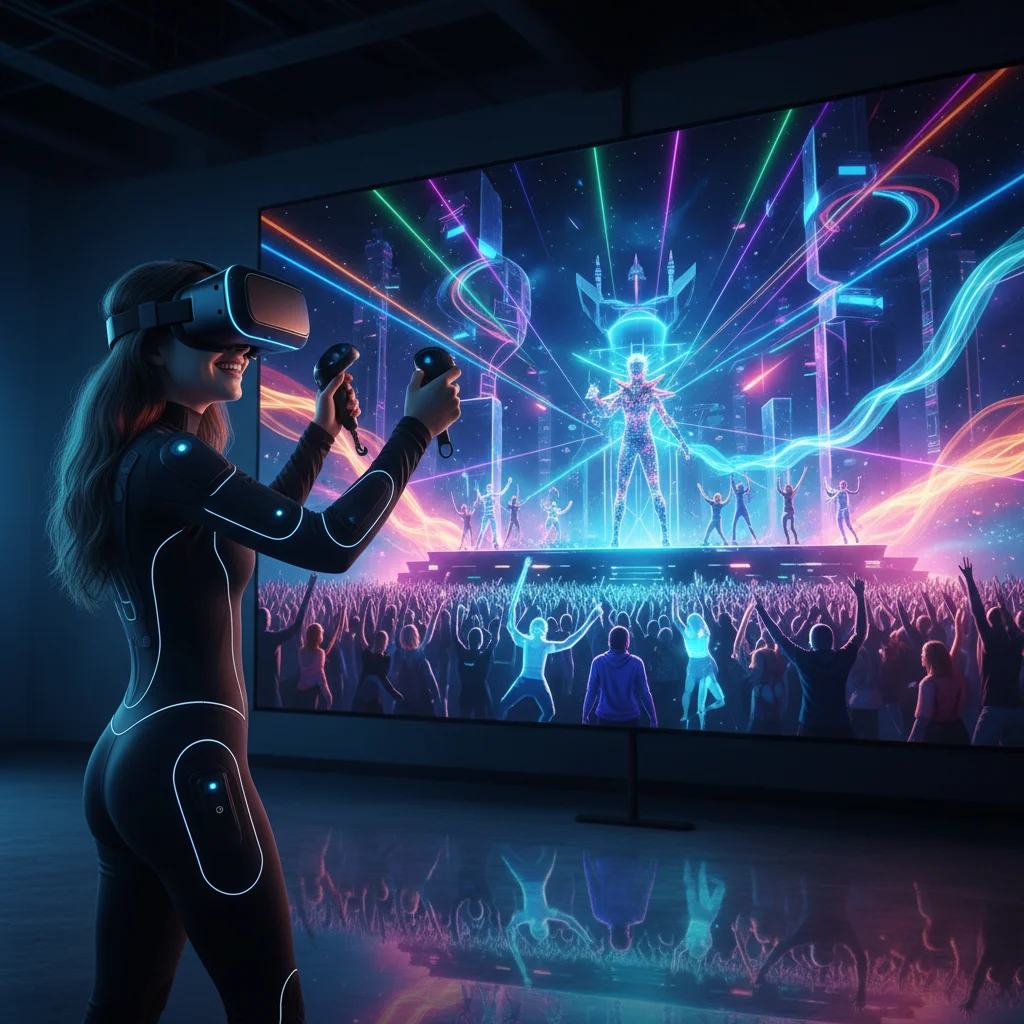
As the Metaverse Future 2026 draws closer, governments and international bodies are beginning to grapple with how to regulate these emerging digital spaces. The decentralized and borderless nature of the metaverse presents unique challenges for traditional legal frameworks. By 2026, we can expect to see early attempts at establishing guidelines and regulations concerning digital assets, intellectual property rights, user conduct, and taxation within virtual economies. This will be a complex and evolving process, likely involving a combination of self-regulation by platforms, international cooperation, and new legislative initiatives.
Digital Property Rights and Intellectual Property
The concept of ownership in the metaverse, particularly with NFTs, raises questions about intellectual property rights. Who owns the rights to a virtual creation? How are these rights enforced across different platforms and jurisdictions? By 2026, clearer legal precedents and technological solutions for managing digital property rights will be essential to foster creativity and commerce. This includes mechanisms for copyright, trademarks, and patents in purely digital realms, ensuring creators are appropriately compensated and protected.
User Safety and Content Moderation
Ensuring user safety and moderating content in immersive 3D environments is a significant challenge. Traditional content moderation tools designed for 2D platforms may not be sufficient. The Metaverse Future 2026 will require advanced AI-driven moderation, user reporting systems, and potentially human moderators within virtual spaces to address issues like harassment, hate speech, and inappropriate behavior. Creating safe and inclusive environments will be paramount for widespread adoption and positive user experiences. This will involve a delicate balance between free expression and protecting vulnerable users.
Taxation and Economic Regulation
The burgeoning virtual economies within the metaverse will inevitably attract the attention of tax authorities. How will transactions involving cryptocurrencies and NFTs be taxed? How will virtual businesses operating across international borders be regulated? These are questions that will require innovative solutions. By 2026, we might see initial frameworks for taxing digital assets and income generated within the metaverse, as governments seek to integrate these new economic activities into existing financial systems. The global nature of the metaverse will necessitate international cooperation on these fronts.
Who are the Key Players Shaping the Metaverse in 2026?
The development of the Metaverse Future 2026 is not a singular effort but a collaborative and competitive race involving some of the world’s largest tech companies, innovative startups, and a growing community of independent creators.
Tech Giants Leading the Charge
Companies like Meta (formerly Facebook), Microsoft, Apple, Google, and Nvidia are making substantial investments. Meta is building its Horizon Worlds platform and developing advanced VR hardware (Quest series). Microsoft is focusing on enterprise metaverse solutions with Mesh and integrating metaverse concepts into its gaming (Xbox) and productivity (Teams) offerings. Apple is expected to launch its mixed-reality headset, potentially revolutionizing consumer AR. Nvidia is developing Omniverse, a platform for connecting 3D design tools and creating digital twins. These behemoths bring significant resources, research, and development capabilities to the table.
Gaming Companies and Virtual World Builders
Companies like Epic Games (Fortnite), Roblox, and Decentraland are already operating some of the most successful early metaverse-like platforms. Their expertise in creating engaging virtual worlds, managing large user bases, and fostering user-generated content will be invaluable. These platforms are often at the forefront of experimenting with virtual economies, user-generated content, and immersive social interactions, providing a blueprint for the broader Metaverse Future 2026. Their success demonstrates the power of community-driven content and emergent gameplay within virtual spaces.
Startups and Independent Innovators
A vibrant ecosystem of startups is innovating in various aspects of the metaverse, from developing new haptic feedback devices and AI-powered avatar creation tools to building specialized virtual worlds and decentralized finance (DeFi) solutions for digital assets. These smaller, agile companies are often responsible for pushing the boundaries of what’s possible and introducing novel concepts that larger players might later adopt or acquire. The open-source community also plays a crucial role, contributing to the development of foundational technologies and standards.
The User Experience in the Metaverse: A Glimpse into 2026
What will it actually feel like to navigate the metaverse in late 2026? It will be a significantly more intuitive and integrated experience than what we see today.
Personalized Avatars and Digital Identity
Users will have highly customizable, realistic, and expressive avatars that serve as their digital representations. These avatars will be portable across different metaverse platforms, carrying their unique digital clothing, accessories, and even reputations. Your digital identity will be a fluid extension of your real-world self, allowing for different personas and expressions in various virtual contexts. The ability to express oneself creatively through avatars will be a core part of the metaverse experience.
Seamless Transitions Between Worlds
The friction of moving between different digital experiences will be greatly reduced. Imagine effortlessly transitioning from a virtual work meeting to a social gathering in a different virtual world, or from a shopping experience to an immersive game, all without having to ‘log out’ or restart. This seamless flow is crucial for creating a truly cohesive Metaverse Future 2026. The goal is to make these transitions as natural as walking from one room to another in the physical world.
Enhanced Sensory Immersion
While full sensory immersion (taste, smell) might still be further off, the combination of advanced VR/AR visuals, spatial audio, and improved haptic feedback will create a much deeper sense of presence. Users will not just observe virtual worlds; they will feel like they are truly ‘in’ them, enhancing emotional engagement and cognitive processing. This heightened immersion will be a key differentiator from current online interactions, making experiences more memorable and impactful.
Conclusion: The Dawn of a New Digital Era
The Metaverse Future 2026 is not merely an incremental upgrade to the internet; it represents a fundamental paradigm shift in how we interact with digital information and with each other. While significant challenges in technology, interoperability, privacy, and governance remain, the rapid pace of innovation suggests that by late 2026, we will be firmly entrenched in a new era of digital existence. From transforming remote work and education to revolutionizing entertainment and commerce, the metaverse promises to reshape nearly every aspect of our lives.
As we navigate this evolving landscape, it will be crucial for individuals to understand the opportunities and risks, for businesses to innovate and adapt, and for policymakers to create fair and effective frameworks. The metaverse is not a destination but a journey, and 2026 will mark a significant milestone in its development, offering a tantalizing glimpse into a future where the boundaries between the physical and digital continue to blur, opening up unprecedented possibilities for human connection, creativity, and progress.