Digital Identity Security: 2026 Protocols & Cyber Threat Updates

In an increasingly interconnected world, our digital identity security is paramount. It’s not just about protecting passwords; it’s about safeguarding our entire online persona, from personal data to financial assets and professional reputations. As technology advances at an unprecedented pace, so do the sophistication and frequency of cyber threats. This necessitates a proactive approach, constantly evolving our defenses to stay ahead of malicious actors. This article delves deep into the anticipated landscape of digital identity security by 2026, exploring the cutting-edge protocols, emerging threats, and essential strategies to fortify your online presence.
The concept of digital identity security has moved far beyond simple usernames and passwords. Today, it encompasses a complex ecosystem of authentication methods, data encryption, privacy regulations, and behavioral analytics. The stakes are higher than ever, with data breaches leading to significant financial losses, reputational damage, and erosion of trust. Understanding the future of digital identity security is crucial for individuals, businesses, and governments alike.
The Evolving Threat Landscape: What to Expect by 2026
Cybercriminals are constantly innovating, developing new techniques to bypass security measures. By 2026, we can expect several key trends to dominate the threat landscape, making robust digital identity security more critical than ever.
Advanced Phishing and Social Engineering
While phishing is an age-old tactic, it continues to evolve. By 2026, we’ll see more sophisticated, AI-driven phishing campaigns that are highly personalized and difficult to detect. Deepfake technology could be used to impersonate individuals in video calls or voice messages, tricking victims into revealing sensitive information. Social engineering attacks will become even more nuanced, exploiting psychological vulnerabilities with greater precision.
Ransomware 2.0 and Extortion Tactics
Ransomware attacks will continue to be a major threat, but with an added layer of complexity. Beyond encrypting data, attackers will increasingly exfiltrate sensitive information and threaten to leak it if the ransom isn’t paid, a tactic known as double or even triple extortion. This significantly increases the pressure on victims and highlights the importance of not just data recovery, but also data protection and privacy.
Supply Chain Attacks
As organizations rely on a vast network of third-party vendors and software suppliers, supply chain attacks will become more prevalent. Compromising one component in the supply chain can grant attackers access to numerous downstream targets, making these attacks highly impactful. Securing your own perimeter is no longer enough; organizations must also vet and monitor the security posture of their entire supply chain to enhance overall digital identity security.
AI-Powered Cyberattacks
Artificial intelligence, while a powerful tool for defense, can also be weaponized by attackers. AI can be used to automate attack processes, identify vulnerabilities more quickly, and even generate polymorphic malware that evades traditional detection methods. This arms race between AI for defense and AI for offense will define much of the cybersecurity landscape by 2026.
Quantum Computing Threats (Emerging)
While still in its nascent stages, quantum computing poses a long-term threat to current encryption standards. Although a full-scale quantum attack capable of breaking widely used encryption algorithms might not be mainstream by 2026, the groundwork for quantum-resistant cryptography will be laid. Organizations need to start considering ‘crypto-agility’ – the ability to switch cryptographic algorithms quickly – to prepare for this future threat to digital identity security.
Key 2026 Protocols and Technologies for Digital Identity Security
To combat these evolving threats, the cybersecurity community is developing and refining a new generation of protocols and technologies. These innovations will form the backbone of robust digital identity security in the coming years.
Zero Trust Architecture (ZTA)
The principle of ‘never trust, always verify’ is at the core of Zero Trust Architecture. Instead of assuming that everything inside a network perimeter is safe, ZTA requires strict identity verification for every person and device attempting to access resources, regardless of whether they are inside or outside the network. This significantly reduces the attack surface and minimizes the impact of potential breaches. By 2026, ZTA will be a fundamental component of enterprise digital identity security strategies.
Passwordless Authentication and FIDO Standards
Passwords are inherently weak and a frequent target for attackers. Passwordless authentication methods, leveraging biometrics (fingerprints, facial recognition), hardware tokens (security keys), and magic links, are gaining traction. The FIDO (Fast IDentity Online) Alliance is driving standards for strong, phishing-resistant authentication. By 2026, FIDO-certified passwordless solutions will be widespread, offering a more secure and user-friendly experience for managing digital identity security.
Decentralized Identity (DID) and Blockchain
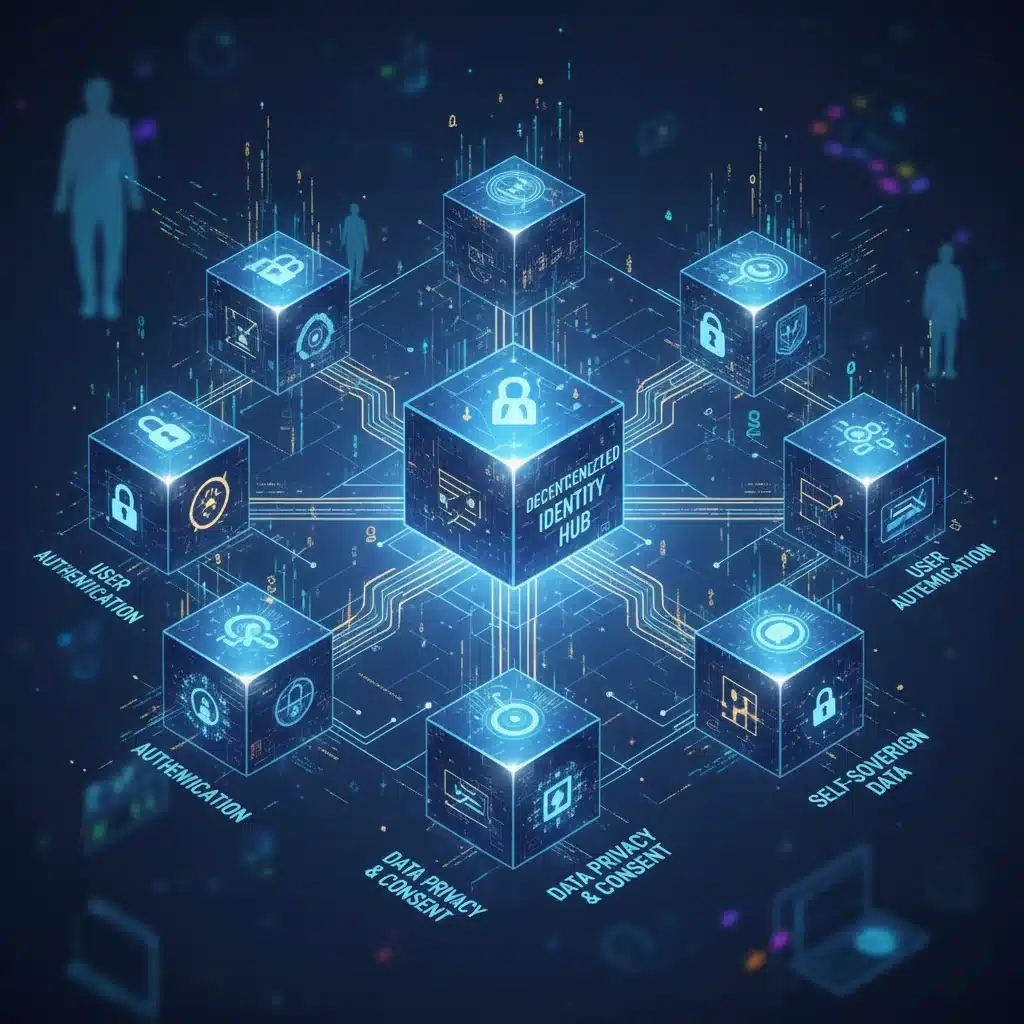
Decentralized Identity empowers individuals with greater control over their personal data. Instead of relying on centralized authorities (like social media companies or government agencies) to manage identity, DIDs use blockchain technology to store verifiable credentials in a self-sovereign manner. This reduces the risk of large-scale data breaches and gives users explicit consent over who can access their information. This paradigm shift will revolutionize how we manage and protect our digital identity security.
Multi-Factor Authentication (MFA) Evolution
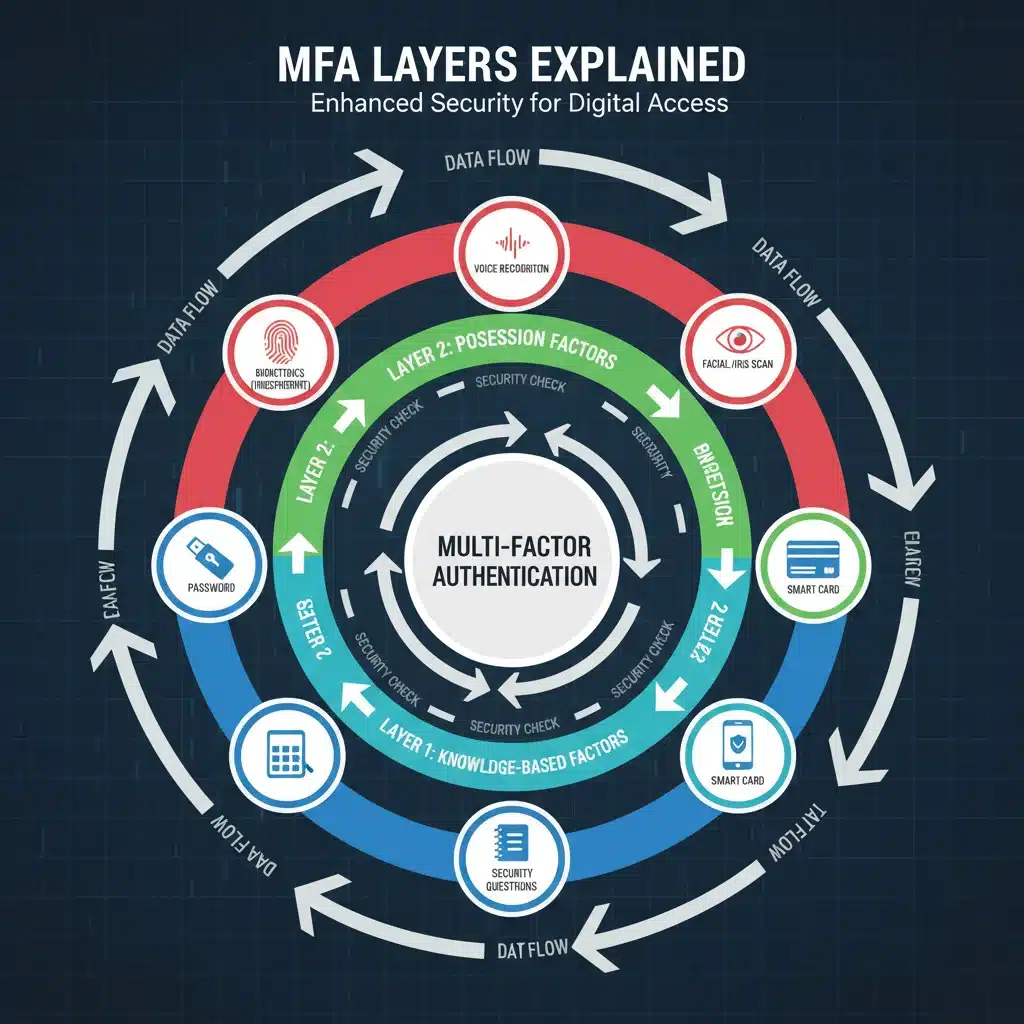
While MFA is already a cornerstone of security, its implementation will become more sophisticated. Adaptive MFA will analyze contextual factors like location, device, and behavioral patterns to determine the appropriate level of authentication required. This dynamic approach ensures that users are challenged only when necessary, improving both security and user experience. Push notifications and biometric authentication will become standard, moving beyond SMS-based MFA, which is vulnerable to SIM-swapping attacks. This evolution is vital for strengthening digital identity security.
Homomorphic Encryption and Confidential Computing
These advanced cryptographic techniques allow computations to be performed on encrypted data without decrypting it first. Homomorphic encryption enables data analysis while maintaining privacy, which is crucial for sensitive information. Confidential computing, by contrast, secures data while it’s in use, protecting it even from the cloud provider. These technologies are foundational for enhancing data privacy and digital identity security in cloud environments, a key focus for 2026.
AI and Machine Learning for Threat Detection
Artificial intelligence and machine learning are increasingly deployed to analyze vast amounts of data, detect anomalies, and identify emerging threats in real-time. AI-powered security systems can learn from past attacks, predict future ones, and automate responses, significantly improving the speed and effectiveness of threat detection and incident response. This proactive approach is essential for maintaining robust digital identity security against rapidly evolving cyberattacks.
Post-Quantum Cryptography (PQC) Readiness
As mentioned, quantum computers pose a theoretical threat to current encryption. Governments and research institutions are actively developing and standardizing post-quantum cryptographic algorithms that are resistant to quantum attacks. By 2026, organizations will begin to assess their cryptographic inventory and plan for the migration to PQC standards, a critical step for long-term digital identity security.
Strategies for Fortifying Your Digital Identity Security
Implementing the latest protocols and technologies is only part of the solution. A comprehensive strategy requires a multi-layered approach, combining technological safeguards with user education and proactive management.
For Individuals: Personal Digital Identity Security
- Embrace Passwordless Solutions: Where available, switch to passwordless authentication methods like FIDO keys, biometric logins, or authenticator apps.
- Strong, Unique Passwords for Everything Else: For services that still require passwords, use a reputable password manager to generate and store strong, unique passwords for every account.
- Enable Multi-Factor Authentication (MFA): Activate MFA on all accounts that support it, prioritizing authenticator apps or hardware keys over SMS-based options.
- Be Wary of Phishing and Social Engineering: Scrutinize emails, messages, and calls. Never click on suspicious links or download attachments from unknown sources. Verify requests for sensitive information through alternative, trusted channels.
- Regular Software Updates: Keep your operating systems, browsers, and applications updated to patch known vulnerabilities.
- Understand Your Digital Footprint: Be mindful of the information you share online and regularly review privacy settings on social media and other platforms.
- Use a VPN: When using public Wi-Fi, a Virtual Private Network (VPN) encrypts your internet traffic, protecting your data from eavesdropping.
- Monitor Your Accounts: Regularly check bank statements, credit reports, and online account activity for any suspicious behavior.
For Businesses: Enterprise Digital Identity Security
- Implement Zero Trust Architecture: Shift from perimeter-based security to a Zero Trust model, verifying every user and device accessing corporate resources.
- Invest in Advanced Authentication: Deploy enterprise-grade passwordless solutions and adaptive MFA across the organization.
- Robust Identity and Access Management (IAM): Implement strong IAM policies, including least privilege access, regular access reviews, and privileged access management (PAM) solutions.
- Employee Training and Awareness: Conduct regular cybersecurity training to educate employees about the latest threats, phishing techniques, and best practices for digital identity security.
- Supply Chain Risk Management: Establish rigorous processes for vetting and continuously monitoring the security posture of third-party vendors and suppliers.
- Data Encryption and Confidential Computing: Encrypt sensitive data both at rest and in transit. Explore confidential computing for protecting data in use, especially in cloud environments.
- Incident Response Plan: Develop and regularly test a comprehensive incident response plan to minimize the impact of a breach.
- Leverage AI for Security Operations: Utilize AI and machine learning tools for threat detection, anomaly detection, and automated security responses.
- Prepare for Post-Quantum Cryptography: Begin assessing cryptographic dependencies and planning for a transition to quantum-resistant algorithms.
- Regular Security Audits and Penetration Testing: Continuously assess your security posture through regular audits and simulated attacks to identify and remediate vulnerabilities.
The Role of Regulatory Frameworks and International Cooperation
The effectiveness of digital identity security also relies heavily on robust regulatory frameworks and international cooperation. Governments worldwide are recognizing the importance of data protection and privacy, leading to the development of regulations like GDPR, CCPA, and others. By 2026, we can expect:
- Harmonization of Data Privacy Laws: A move towards more globally consistent data privacy regulations, simplifying compliance for international businesses while enhancing individual rights.
- Increased Cross-Border Collaboration: Greater cooperation between nations and law enforcement agencies to combat cybercrime, share threat intelligence, and prosecute cybercriminals.
- Standardization of Security Protocols: Continuous efforts by organizations like NIST, ISO, and the FIDO Alliance to develop and promote global security standards, ensuring interoperability and a baseline level of security.
- Focus on Critical Infrastructure Protection: Enhanced regulations and security mandates for critical infrastructure sectors (energy, finance, healthcare) due to their high-impact potential in case of cyberattacks.
The Future of Digital Identity: Beyond 2026
Looking beyond 2026, the trajectory of digital identity security points towards even more integrated, intelligent, and user-centric solutions. We can anticipate further advancements:
- Self-Sovereign Identity (SSI) Maturity: Decentralized identity solutions will mature, becoming more user-friendly and widely adopted, giving individuals complete control over their verifiable credentials.
- Biometric Fusion and Continuous Authentication: Advanced biometrics, potentially combining multiple modalities (e.g., facial recognition with gait analysis), will enable continuous authentication, verifying identity throughout a session rather than just at login.
- AI-Driven Behavioral Biometrics: AI will analyze unique behavioral patterns (typing rhythm, mouse movements, device usage) to continuously authenticate users subtly and non-intrusively, adding another layer to digital identity security.
- Quantum-Safe World: Full transition to post-quantum cryptography will be well underway, safeguarding data against future quantum computing capabilities.
- Ethical AI in Cybersecurity: A stronger emphasis on the ethical implications of AI in cybersecurity, ensuring fairness, transparency, and accountability in automated security decisions.
Challenges and Considerations
Despite these advancements, several challenges remain in achieving optimal digital identity security:
- User Adoption: Even the most secure technologies are ineffective if users find them too complex or inconvenient to adopt. User experience will remain a critical factor.
- Interoperability: Ensuring seamless integration between diverse identity systems and security protocols across different platforms and organizations is a continuous challenge.
- Privacy vs. Security Balance: Striking the right balance between robust security measures and protecting individual privacy rights will always be a delicate act.
- Skill Gap: The cybersecurity industry continues to face a significant talent shortage, making it difficult for organizations to implement and manage advanced security solutions effectively.
- Cost of Implementation: Adopting cutting-edge security technologies can be expensive, posing a barrier for smaller organizations.
Conclusion: A Proactive Stance for Digital Identity Security
The future of digital identity security by 2026 is one of continuous innovation and escalating stakes. As cyber threats become more sophisticated, our defenses must evolve in tandem. From the widespread adoption of Zero Trust Architectures and passwordless authentication to the emergence of decentralized identity and post-quantum cryptography, the landscape is rapidly transforming. Both individuals and organizations must adopt a proactive, multi-layered approach, combining advanced technologies with robust policies and ongoing education.
Protecting your digital identity is no longer an option but a fundamental necessity in the modern world. By understanding the anticipated threats and embracing the latest security protocols, we can collectively build a more secure and resilient digital future. Staying informed, vigilant, and adaptable will be key to navigating the complexities of digital identity security and safeguarding our online lives in the years to come. The journey towards impregnable digital identity security is ongoing, requiring constant attention and strategic investment to stay ahead of the curve. Embrace these changes, educate yourself, and fortify your digital presence against the challenges of tomorrow.