
In an increasingly interconnected world, your digital footprint is more than just a collection of your online activities; it’s your virtual identity, your personal brand, and often, the first impression you make. From potential employers and clients to new acquaintances, people are consistently turning to the internet to learn more about you. Therefore, understanding and actively managing your digital footprint optimization is not merely an option—it’s a necessity. For 2026 and beyond, a proactive approach to shaping your online presence is paramount.
This comprehensive guide will walk you through a practical, 4-week plan designed to help you master your digital footprint, ensuring it accurately reflects who you are and what you stand for. We’ll delve into actionable strategies, tools, and best practices that will empower you to take control of your online narrative. By the end of this journey, you’ll have a refined, positive, and robust digital presence that serves your personal and professional goals.
Understanding Your Digital Footprint: The Foundation of Optimization
Before embarking on any optimization journey, it’s crucial to understand what your digital footprint entails. Simply put, your digital footprint is the trail of data you leave behind by using the internet. This includes everything from your social media posts and comments to your search history, online purchases, and even the metadata associated with your shared photos. It can be categorized into two main types:
- Active Digital Footprint: This is the data you intentionally share, such as posting on social media, sending emails, or filling out online forms.
- Passive Digital Footprint: This is the data collected about you without your direct knowledge, often through website cookies, IP addresses, and location services.
Both active and passive elements contribute to your overall online reputation. A negative or inconsistent digital footprint can have far-reaching consequences, potentially impacting job prospects, business opportunities, and even personal relationships. Conversely, a well-managed and optimized digital footprint can open doors, build trust, and enhance your credibility.
Why Digital Footprint Optimization Matters in 2026
The landscape of online interaction is constantly evolving. In 2026, with advancements in AI, data analytics, and increased online scrutiny, the importance of a meticulously managed digital footprint has amplified. Employers are increasingly using AI-powered tools to screen candidates based on their online presence. Clients are more likely to engage with professionals who have a strong, positive online brand. And in an era of misinformation, a clear and consistent digital identity helps distinguish you from the noise.
Moreover, privacy concerns are at an all-time high. Understanding and minimizing your passive digital footprint is just as vital as curating your active one. This plan will equip you with the knowledge and tools to navigate these complexities effectively.
Week 1: The Digital Audit & Cleanup – Unearthing Your Online Presence
The first step in any effective digital footprint optimization strategy is to know exactly what’s out there. This week is dedicated to a thorough audit and initial cleanup of your existing online presence.
Day 1-2: Google Yourself (and Other Search Engines)
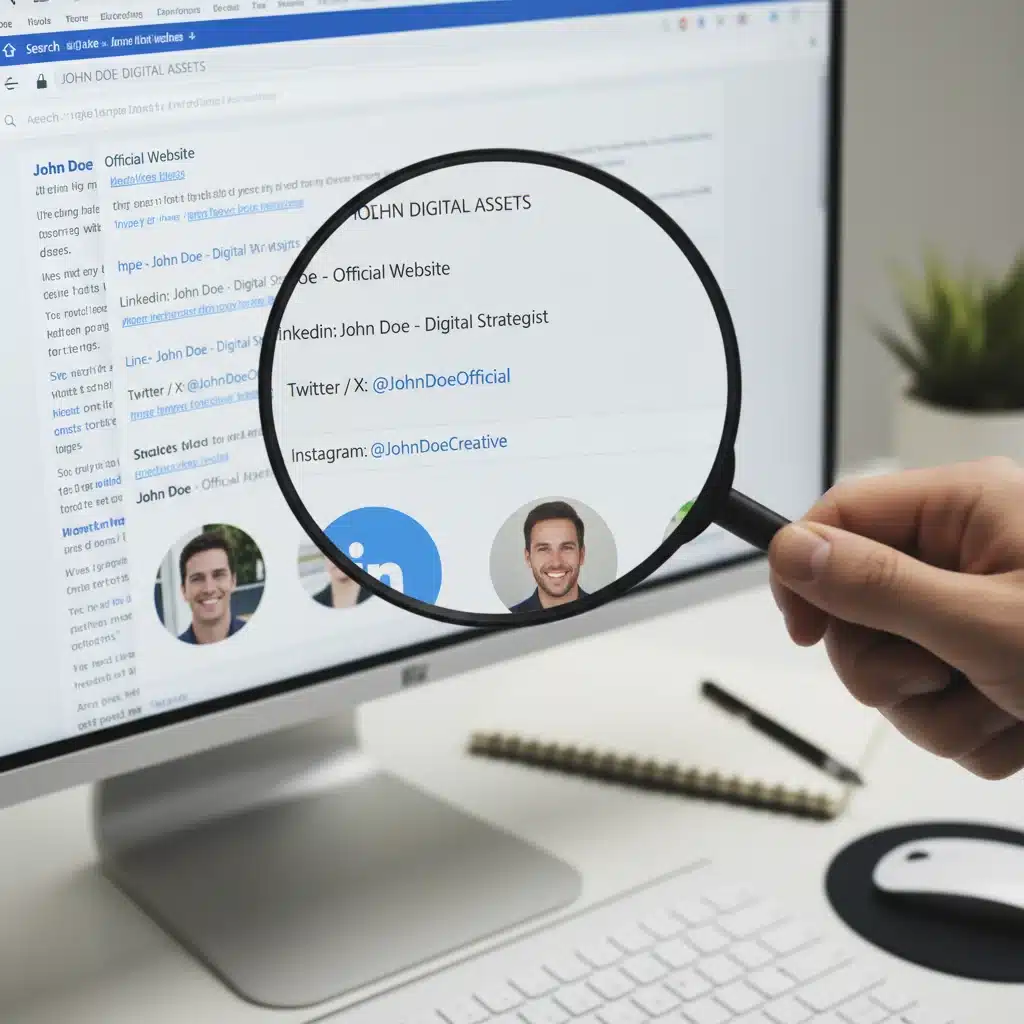
Start by performing a comprehensive search of your name (and any common variations or previous names) on major search engines like Google, Bing, and DuckDuckGo. Pay attention to the first few pages of results. What comes up? Is it accurate? Is it positive? Make a list of all relevant links, both good and bad. Don’t forget to check the “Images” and “News” tabs.
Actionable Steps:
- Create a spreadsheet to log all findings: URL, content type (social media, article, image), sentiment (positive, neutral, negative), and action required.
- Identify any outdated or incorrect information.
- Note any embarrassing or unprofessional content.
Day 3-4: Social Media Deep Dive
Your social media profiles are often the most visible parts of your digital footprint. Review every platform you’ve ever used, even those you abandoned years ago. Think Facebook, Instagram, Twitter/X, LinkedIn, TikTok, Pinterest, Reddit, etc.
Actionable Steps:
- Privacy Settings: Adjust all privacy settings to their strictest levels. Only share what you intend to be public.
- Content Review: Scroll through your past posts, photos, and comments. Delete anything inappropriate, offensive, or unprofessional. This includes old memes that might not age well, controversial opinions, or excessive personal sharing.
- Tagged Photos: Untag yourself from any photos that present you in an unfavorable light. If you can’t untag, consider contacting the uploader to request removal.
- Old Accounts: Identify and delete any dormant or unused accounts. If you can’t delete them, at least change their privacy settings to private.
Day 5-6: Professional Platform Scrutiny (LinkedIn, Portfolio Sites)
For many, professional platforms like LinkedIn are critical components of their digital footprint. Ensure these platforms are polished and professional.
Actionable Steps:
- LinkedIn Profile: Update your profile with your latest experience, skills, and achievements. Ensure your headline and summary are optimized with relevant keywords. Request recommendations from colleagues.
- Portfolio/Personal Website: If you have one, ensure it’s up-to-date, professional, and reflects your current goals and expertise. Check for broken links or outdated information.
- Online Resumes/CVs: If you’ve uploaded your resume to job boards, ensure it’s current and consistent with your LinkedIn profile.
Day 7: Data Brokers & Information Removal
Data brokers collect and sell your personal information. While it’s a tedious process, requesting removal from these sites is a crucial step in digital footprint optimization.
Actionable Steps:
- Identify major data broker sites (e.g., WhitePages, Spokeo, PeopleFinder).
- Visit each site and follow their opt-out procedures. This often involves finding your listing and submitting a removal request. Some services exist to automate this, but manual checks are often more thorough.
Week 2: Content Creation & Reputation Building – Shaping Your Narrative
Once you’ve cleaned up your existing digital footprint, Week 2 focuses on proactively building a positive online narrative. This involves creating valuable content that showcases your expertise and personality.
Day 8-10: Blog or Personal Website – Your Digital Hub
A personal blog or website is an excellent way to control your narrative and establish yourself as an authority in your field. It serves as your digital home base.
Actionable Steps:
- Platform Choice: Choose a platform (WordPress, Squarespace, Wix) that suits your technical comfort level and needs.
- Content Strategy: Brainstorm topics related to your expertise or passions. Aim for evergreen content that remains relevant over time.
- Initial Content: Publish 2-3 high-quality blog posts or portfolio pieces. Ensure they are well-written, engaging, and provide value to your target audience. Incorporate your digital footprint optimization keyword naturally.
- SEO Basics: Implement basic SEO practices like using relevant keywords in titles and headings, optimizing images, and ensuring mobile responsiveness.
Day 11-13: Strategic Social Media Engagement
Instead of just consuming content, actively engage on platforms relevant to your personal and professional goals. This builds connections and enhances your visibility.
Actionable Steps:
- Identify Key Platforms: Focus your efforts on 2-3 platforms where your target audience or professional network is most active.
- Consistent Posting: Share valuable content (articles, insights, industry news) regularly. Don’t just post; engage in meaningful conversations.
- Networking: Connect with thought leaders, industry peers, and potential collaborators. Comment thoughtfully on their posts.
- Professional Tone: Maintain a professional and positive tone in all interactions. Remember that everything you post contributes to your digital footprint.
Day 14: Online Reviews & Testimonials
Positive reviews and testimonials can significantly boost your online reputation, especially if you’re a professional or business owner.
Actionable Steps:
- Identify Relevant Platforms: Check sites like Google My Business, Yelp, Avvo, or industry-specific review sites.
- Solicit Reviews: Politely ask satisfied clients or colleagues to leave reviews or provide testimonials.
- Respond to Reviews: Respond professionally to all reviews, both positive and negative. Address concerns respectfully and offer solutions.
Week 3: Privacy & Security Fortification – Protecting Your Digital Self
While building a positive presence is crucial, protecting your privacy and securing your data is equally important for comprehensive digital footprint optimization. This week focuses on minimizing your passive footprint and enhancing your online security.
Day 15-17: Password Management & Account Security
Weak or reused passwords are a major security vulnerability.
Actionable Steps:
- Password Manager: Implement a reputable password manager (e.g., LastPass, 1Password, Bitwarden) to generate and store strong, unique passwords for all your accounts.
- Two-Factor Authentication (2FA): Enable 2FA on every account that offers it. This adds an extra layer of security beyond just a password.
- Regular Password Changes: While a password manager helps, consider periodically changing passwords for your most critical accounts.
Day 18-19: Email & Cloud Storage Cleanup
Your email and cloud storage often contain a wealth of personal information.
Actionable Steps:
- Email Inbox: Unsubscribe from unnecessary newsletters and marketing emails. Delete old, sensitive emails.
- Cloud Storage (Google Drive, Dropbox, iCloud): Review files stored in the cloud. Delete anything you no longer need, especially sensitive documents. Organize remaining files securely.
- Email Security: Be wary of phishing attempts. Never click on suspicious links or download attachments from unknown senders.
Day 20-21: Browser Settings & App Permissions
Your web browser and mobile apps often collect data about your online activities.
Actionable Steps:
- Browser Privacy Settings: Adjust your browser’s privacy settings to block third-party cookies and prevent tracking. Consider using privacy-focused browsers like Brave or Firefox.
- VPN Usage: For enhanced privacy, especially on public Wi-Fi, consider using a Virtual Private Network (VPN).
- App Permissions: Review the permissions granted to apps on your smartphone and tablet. Disable any unnecessary permissions (e.g., a flashlight app doesn&rsquot need access to your contacts).
- Location Services: Limit location tracking for apps that do not genuinely need it.

Week 4: Ongoing Management & Advanced Strategies – Sustaining Your Digital Presence
Digital footprint optimization isn’t a one-time task; it&rsquos an ongoing process. Week 4 focuses on establishing habits and exploring advanced strategies to maintain a healthy and positive online presence.
Day 22-24: Monitoring Your Digital Footprint
Regular monitoring is essential to catch any new information that appears online, both positive and negative.
Actionable Steps:
- Google Alerts: Set up Google Alerts for your name (and any relevant variations) to receive notifications whenever new content featuring you appears online.
- Social Media Monitoring Tools: Use tools (some social media platforms have built-in analytics, or third-party tools like Brandwatch, Mention) to track mentions of your name or brand.
- Regular Self-Audits: Schedule a monthly or quarterly “Google yourself” check to ensure your digital footprint remains consistent and positive.
Day 25-26: Content Strategy Refinement & Expansion
Continue to build upon the content creation efforts from Week 2.
Actionable Steps:
- Content Calendar: Develop a content calendar for your blog or social media to ensure consistent and strategic posting.
- Diversify Content: Explore different content formats – videos, infographics, podcasts, guest posts – to reach a wider audience and showcase different aspects of your expertise.
- Engage with Comments: Actively respond to comments on your blog and social media. This fosters community and demonstrates engagement.
- Seek Opportunities: Look for opportunities to be featured in industry publications, podcasts, or webinars. This amplifies your reach and credibility.
Day 27-28: Advanced Privacy & Future-Proofing
As technology evolves, so too should your approach to privacy and security.
Actionable Steps:
- Regular Software Updates: Keep your operating systems, browsers, and applications updated. Updates often include critical security patches.
- Understand Data Retention Policies: Be aware of how long companies retain your data. Opt for services with strong privacy policies.
- Digital Legacy Planning: Consider what happens to your digital assets and accounts after you’re no longer able to manage them. Many platforms offer “legacy contact” or “inactive account manager” features.
- Stay Informed: Keep up-to-date with the latest privacy regulations (e.g., GDPR, CCPA) and cybersecurity threats. Knowledge is your best defense in digital footprint optimization.
Practical Solutions for Common Digital Footprint Challenges
Even with a structured plan, you might encounter specific challenges. Here are some practical solutions:
- Dealing with Negative Content: If you find negative or inaccurate information about yourself online, your first step is to contact the website owner or platform administrator to request removal. If that fails, you might need to “bury” it with positive content. Creating more positive, relevant content will push the negative results further down in search rankings, making them less visible. In extreme cases, legal counsel might be necessary.
- Managing Multiple Online Identities: Some individuals maintain separate professional and personal online identities. If you do this, ensure clear boundaries and consistent messaging where appropriate. Use different email addresses and even aliases for highly personal activities.
- The “Right to Be Forgotten”: In some regions (like the EU), individuals have the “right to be forgotten,” allowing them to request the removal of certain personal data from search engines. Research if this applies to your jurisdiction and how to exercise it.
- Children’s Digital Footprint: For parents, managing a child’s digital footprint is increasingly important. Educate children about online safety and privacy from a young age. Monitor their online activity and teach them responsible digital citizenship.
Conclusion: Your Empowered Digital Future
Your digital footprint is a dynamic entity, constantly evolving with your online interactions. By committing to this 4-week plan for digital footprint optimization, you’re not just cleaning up your past; you’re actively investing in your future. A positive, well-managed online presence can enhance your career prospects, strengthen your personal brand, and provide peace of mind regarding your privacy and security.
Remember, consistency is key. Make digital hygiene a regular habit. Regularly review your privacy settings, audit your online presence, and strategically contribute valuable content. In 2026 and beyond, those who master their digital footprint will be better positioned to navigate the complexities of the digital age, unlocking new opportunities and building a reputation that truly reflects their best self. Take control, be intentional, and let your digital presence work for you.