America’s Shifting Demographics: 5 Trends Shaping Social Policy in 2026
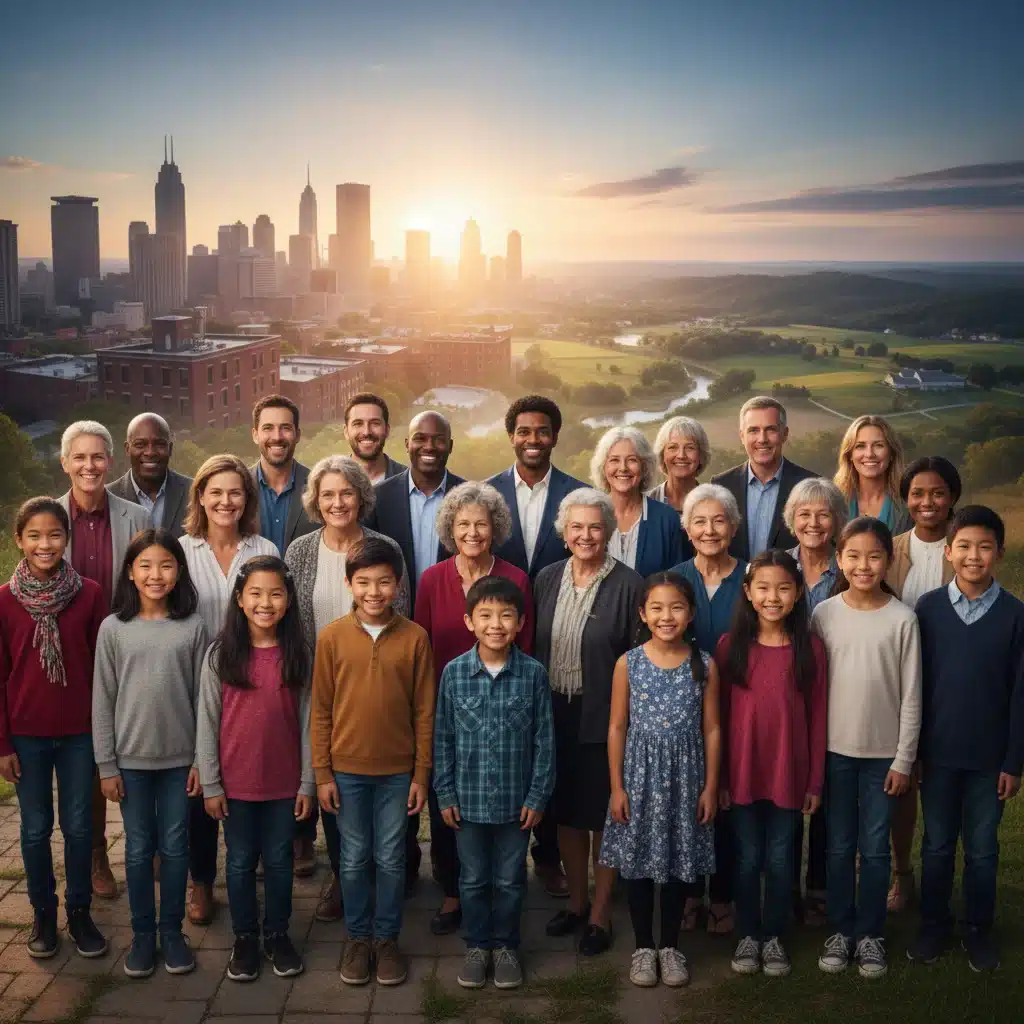
America is a nation in constant flux, a dynamic tapestry woven from diverse threads of culture, age, and origin. As we approach 2026, the landscape of the United States is undergoing profound demographic transformations that are not merely statistical curiosities but powerful forces reshaping every aspect of society, from economic stability to political discourse and, most critically, social policy. Understanding these US demographic shifts is paramount for policymakers, community leaders, and citizens alike to navigate the challenges and opportunities that lie ahead. This comprehensive article delves into five critical demographic trends that are set to define America’s social policy agenda in the coming years, offering an in-depth analysis of their causes, implications, and potential solutions.
The Graying of America: An Aging Population and Its Demands
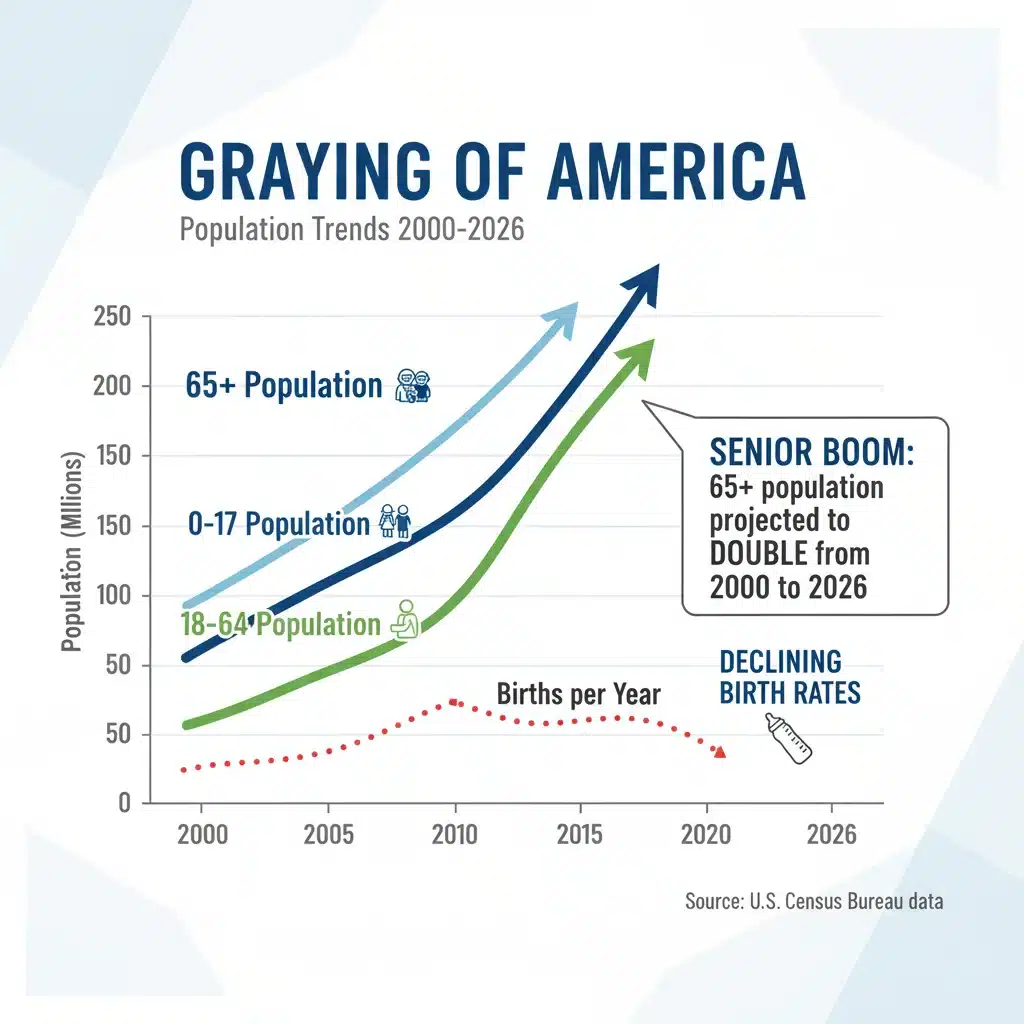
One of the most significant and undeniable US demographic shifts is the rapid aging of its population. The Baby Boomer generation continues to move into their senior years, while birth rates have been steadily declining for decades. This confluence of factors is leading to a demographic imbalance where the proportion of older adults is growing significantly faster than that of younger generations. By 2026, this trend will place unprecedented pressure on social security, Medicare, and healthcare systems, demanding innovative policy responses.
The implications of an aging population are far-reaching. Economically, a smaller working-age population will need to support a larger retired population, potentially straining social security funds and requiring adjustments to retirement ages or contribution rates. Healthcare systems will face increased demand for specialized geriatric care, long-term care facilities, and chronic disease management. Furthermore, there will be a growing need for caregivers, both professional and informal, highlighting the importance of support systems for families. Socially, communities will need to adapt to the needs of older residents, fostering age-friendly environments that promote active aging, social engagement, and accessibility.
Policy responses to this trend must be multifaceted. Encouraging healthy aging through public health initiatives can reduce healthcare costs. Reforming social security and Medicare to ensure their long-term solvency is crucial. This could involve means-testing benefits, raising the retirement age incrementally, or exploring new funding mechanisms. Furthermore, policies that support family caregivers through tax credits, paid leave, or respite care services will become increasingly vital. Investing in technologies that assist independent living for seniors, such as smart home devices and telehealth services, can also play a significant role in managing the demands of an aging society. The challenge lies in balancing the needs of current retirees with the sustainability of these programs for future generations, making this one of the most complex US demographic shifts to address.
Increasing Ethnic and Racial Diversity: A New American Mosaic
The United States has always been a melting pot, but the pace and nature of its ethnic and racial diversification are accelerating. By 2026, racial and ethnic minorities are projected to constitute a larger share of the population than ever before, with significant growth in Hispanic and Asian American communities. This ongoing shift is transforming the cultural, economic, and political landscape of the nation, bringing both immense opportunities and complex challenges for social cohesion and equity.
This increasing diversity enriches American society with new perspectives, traditions, and entrepreneurial spirit. Diverse communities often exhibit higher rates of civic engagement and contribute significantly to economic growth. However, it also brings to the forefront issues of racial inequality, discrimination, and the need for inclusive social policies. Educational systems must adapt to serve a more diverse student body, addressing language barriers and cultural differences. Healthcare providers need to offer culturally competent care to meet the varied needs of different ethnic groups. The criminal justice system must confront systemic biases to ensure equitable treatment for all.
Policy solutions must focus on promoting equity and inclusion across all sectors. This includes strengthening anti-discrimination laws, investing in culturally responsive education programs, and expanding access to healthcare services that are sensitive to diverse cultural backgrounds. Affirmative action policies, while often contentious, aim to address historical disadvantages and promote representation. Furthermore, fostering intergroup dialogue and community-building initiatives can help bridge cultural divides and build a more cohesive society. Recognizing and celebrating this diversity, while actively working to dismantle systemic barriers, is crucial for harnessing the full potential of these US demographic shifts.
Urbanization and Suburban Sprawl: Redefining Community and Infrastructure
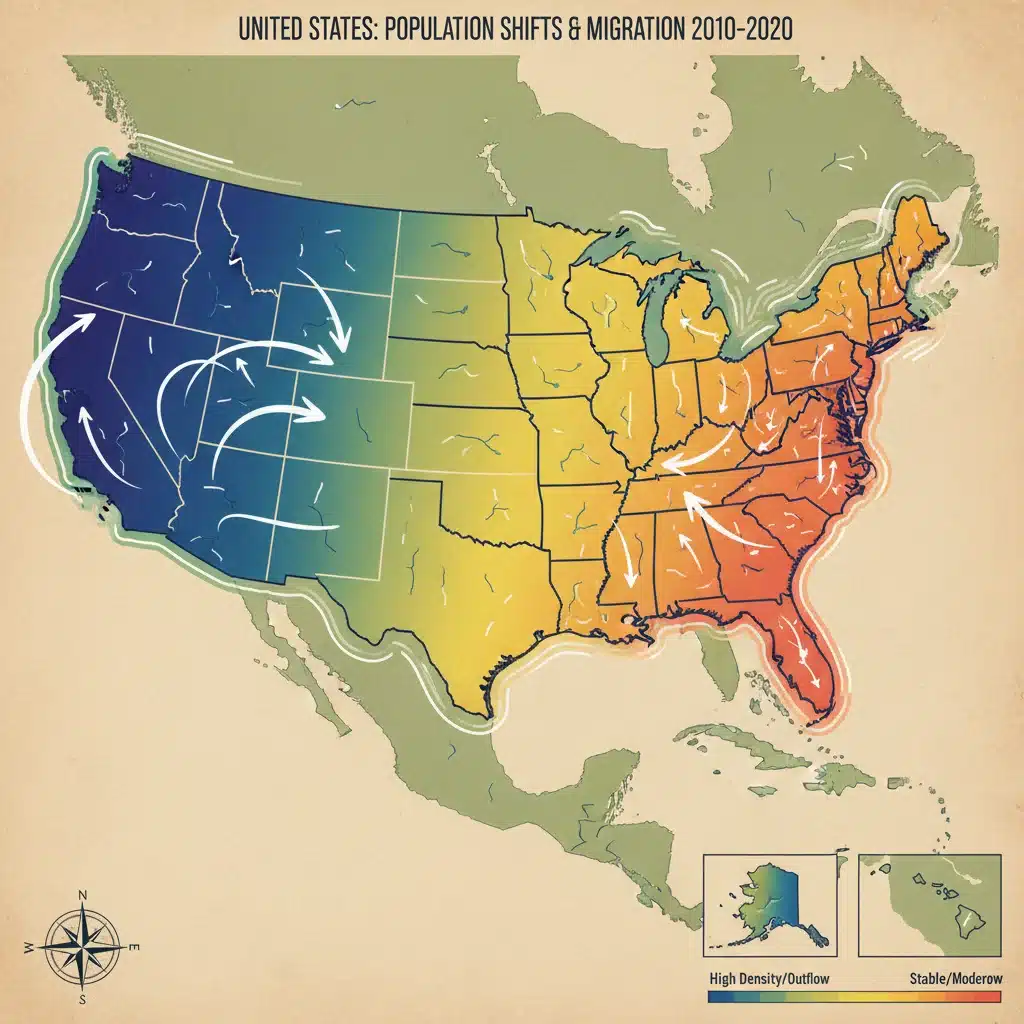
While the overall trend of urbanization has been a hallmark of American development for centuries, the specific patterns of population distribution continue to evolve. By 2026, we anticipate continued growth in major metropolitan areas, coupled with a significant expansion of suburban and exurban communities. This trend is driven by a complex interplay of economic opportunities, housing affordability, and lifestyle preferences. The implications for infrastructure, public services, and environmental sustainability are substantial.
Increased urbanization places immense pressure on existing infrastructure, including transportation networks, housing, and utilities. Traffic congestion, affordable housing shortages, and strains on public transit systems are common challenges. Suburban sprawl, while offering more space and often lower housing costs, contributes to longer commutes, increased reliance on private vehicles, and the loss of natural habitats. Both trends raise questions about resource allocation, environmental impact, and the equitable distribution of public services.
Effective policy responses require comprehensive urban planning that promotes sustainable growth. This includes investing in public transportation to reduce reliance on cars, developing mixed-use communities that integrate residential and commercial spaces, and implementing zoning reforms to encourage higher-density housing options. Smart growth initiatives can help preserve open spaces and agricultural land while concentrating development in existing urban cores. Furthermore, policies that incentivize the revitalization of struggling urban areas can help alleviate pressure on booming cities and suburbs. Addressing these spatial US demographic shifts requires a delicate balance between accommodating growth and preserving quality of life and environmental integrity.
Changing Family Structures and Household Composition
The traditional nuclear family structure, while still prevalent, is no longer the sole model for American households. By 2026, we will see a continued diversification of family structures, including a rise in single-parent households, cohabiting couples, multi-generational homes, and individuals living alone. These evolving dynamics have profound implications for social support systems, housing needs, and economic well-being.
The increase in single-parent households often correlates with higher rates of poverty and demands for accessible childcare and social safety nets. Multi-generational homes, while offering mutual support, can also strain housing capacity and require adaptations to living spaces. The growing number of individuals living alone highlights issues of social isolation and the need for community engagement programs. These shifts challenge existing social policies that often implicitly assume a traditional family unit, requiring a more flexible and inclusive approach.
Policy interventions must adapt to these diverse family realities. Expanding access to affordable, high-quality childcare is crucial for single-parent and dual-income households. Support for multi-generational living, through zoning adjustments or housing incentives, can help address affordability and caregiving needs. Programs aimed at combating social isolation, particularly for older adults living alone, are increasingly important. Furthermore, workplace policies that offer flexible hours, parental leave and support for caregivers can help families navigate these new structures. Recognizing the fluidity of modern family life is essential for designing effective social policies that truly serve the needs of all Americans amidst these significant US demographic shifts.
The Future of Work: Automation, Gig Economy, and Skill Gaps
While not strictly a demographic shift in the traditional sense, the evolving nature of work is intrinsically linked to population dynamics and has significant social policy implications. By 2026, the acceleration of automation, the continued expansion of the gig economy, and persistent skill gaps will reshape the labor market, impacting employment, income inequality, and social safety nets for a significant portion of the American workforce. These trends are particularly pronounced when viewed through the lens of an aging workforce and increasing diversity, as different demographic groups may be disproportionately affected.
Automation and artificial intelligence are poised to displace jobs in certain sectors, while simultaneously creating new ones requiring different skill sets. This necessitates a proactive approach to workforce retraining and education. The gig economy, characterized by temporary, flexible jobs, offers autonomy but often lacks traditional benefits such as health insurance, retirement plans, and job security, raising questions about worker protections and social welfare. Persistent skill gaps mean that employers struggle to find qualified workers for high-demand jobs, while many individuals lack the training for these emerging roles, exacerbating income inequality.
Policy responses must focus on preparing the workforce for the jobs of the future. This includes investing in lifelong learning programs, vocational training, and accessible higher education that emphasizes critical thinking and adaptability. Rethinking social safety nets to accommodate the gig economy is crucial, potentially through portable benefits systems or universal basic income discussions. Furthermore, policies that encourage collaboration between educational institutions and industries can help bridge skill gaps and ensure that training programs align with market demands. Addressing these transformations in the world of work is vital to maintain economic stability and ensure that all Americans can thrive in the face of these profound US demographic shifts.
Conclusion: Navigating a Changing America
The US demographic shifts discussed – the graying of America, increasing ethnic diversity, evolving urbanization patterns, changing family structures, and the future of work – are not isolated phenomena. They are interconnected forces that collectively present a complex and dynamic challenge for social policy in 2026 and beyond. Each trend carries its own set of opportunities and obstacles, demanding thoughtful, data-driven, and equitable policy responses.
Successfully navigating this changing America requires a commitment to proactive planning, inclusive dialogue, and adaptive governance. Policymakers must move beyond short-term fixes and embrace long-term strategies that address the root causes and systemic implications of these shifts. Investing in education, healthcare, infrastructure, and social safety nets will be paramount. Fostering a society that values diversity, promotes equity, and supports individuals and families in all their forms will be key to building a resilient and prosperous nation.
The future of America is being shaped by these demographic currents. By understanding their trajectory and impact, we can collectively work towards crafting social policies that ensure a more just, equitable, and sustainable future for all its citizens. The conversations and decisions made today regarding these critical US demographic shifts will undoubtedly define the quality of life for generations to come, underscoring the urgency and importance of this ongoing national dialogue.