The Gig Economy’s Next Phase: Policy Debates and Worker Protections in 2026

The gig economy, once heralded as a beacon of flexibility and entrepreneurial spirit, now stands at a critical juncture. As we step into early 2026, the landscape is rife with intense policy debates and burgeoning efforts to redefine worker protections. This isn’t merely about adapting to a new way of working; it’s about fundamentally reshaping the social contract for millions of independent contractors globally. Understanding these gig economy policies is crucial for workers, platforms, and policymakers alike.
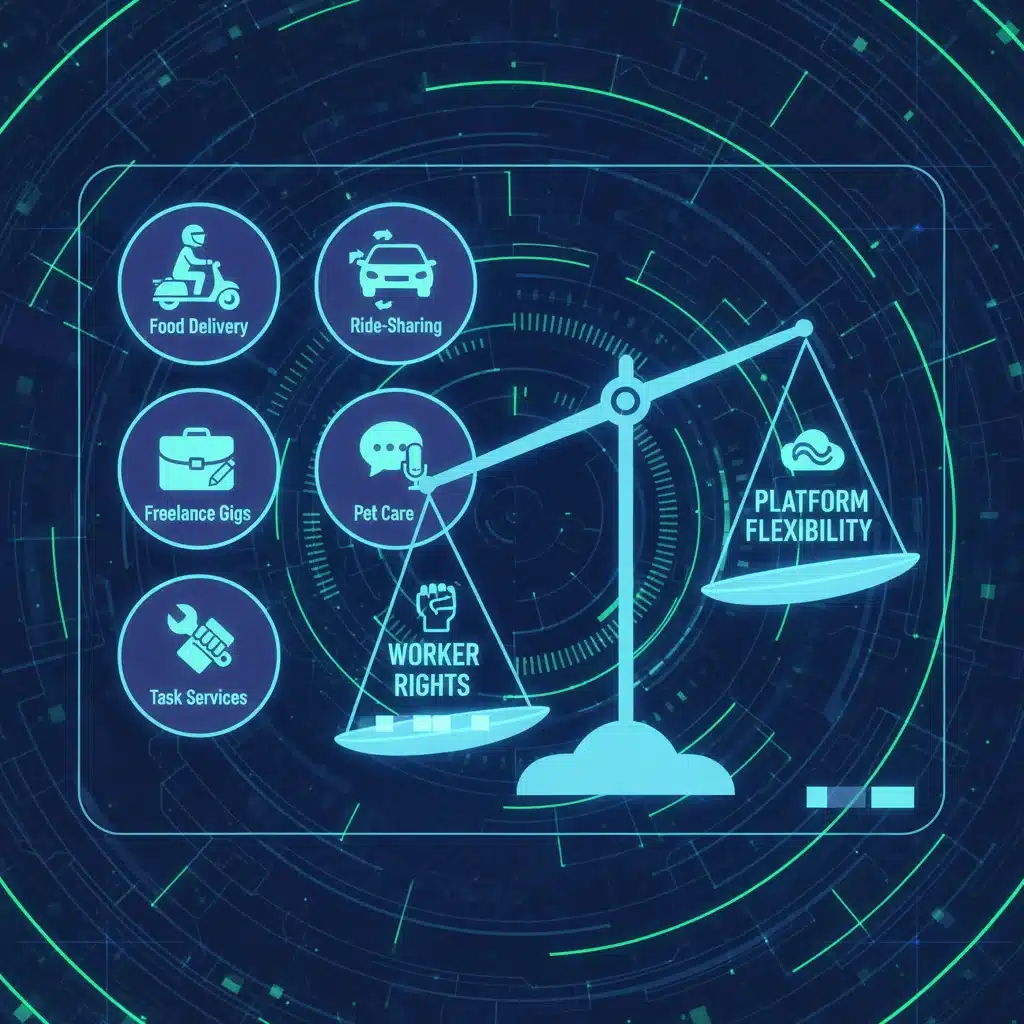
The rapid expansion of platform-based work has brought unprecedented convenience and economic opportunities, yet it has simultaneously exposed significant gaps in traditional labor laws. These gaps often leave gig workers without the safety nets enjoyed by traditional employees, including minimum wage, overtime pay, unemployment insurance, and health benefits. The tension between the innovative, flexible nature of gig work and the need for robust worker protections is the central theme dominating discussions in legislative halls and boardrooms across the world.
The Evolving Definition of a ‘Worker’ in the Gig Economy
One of the most contentious and foundational debates revolves around worker classification. The distinction between an ’employee’ and an ‘independent contractor’ carries profound implications for rights, responsibilities, and costs. Historically, gig platforms have classified their workers as independent contractors, arguing that this model preserves the flexibility that many workers seek and enables the platforms to operate efficiently. However, critics argue that this classification often deprives workers of essential protections and benefits, pushing the burden of social safety nets onto the public or the workers themselves.
In early 2026, several jurisdictions are actively revisiting and attempting to redefine these classifications. Some are exploring a ‘third way’ – a hybrid category that would grant certain benefits to gig workers without fully classifying them as employees. This approach aims to strike a balance, offering some protections while maintaining the flexibility inherent in the gig model. The challenge lies in crafting legislation that is clear, enforceable, and adaptable to the diverse nature of gig work, from ride-sharing to freelance writing and delivery services.
The outcome of these classification debates will significantly influence the operational models of gig platforms. A shift towards employee status for a substantial portion of gig workers could lead to increased labor costs, potentially impacting service prices and platform profitability. Conversely, maintaining the independent contractor status without additional protections could exacerbate income insecurity and perpetuate a two-tiered labor market. These gig economy policies are not just theoretical; they have real-world consequences for millions.
Ensuring Fair Compensation and Benefits for Gig Workers
Beyond classification, ensuring fair compensation and access to benefits is another cornerstone of the gig economy policies discussion. Many gig workers report struggling with unpredictable incomes, low hourly rates after expenses, and a complete lack of employer-provided benefits. This has led to calls for minimum earnings guarantees, expense reimbursement, and access to health insurance and retirement plans.
Some proposed solutions include mandating minimum hourly rates after expenses, similar to traditional minimum wage laws, or establishing collective bargaining mechanisms for gig workers. Platforms are also being pressured to contribute to portable benefits funds that workers can carry from one gig to another, regardless of their classification. This ‘portability’ concept is gaining traction as a way to decouple benefits from a single employer, making them more suitable for the fluid nature of gig work.
The debate over benefits extends to social security contributions and unemployment insurance. If gig workers are truly independent, they are responsible for their own taxes and savings. However, the precarity of gig work often means that unexpected lulls in demand or personal emergencies can leave workers vulnerable. Policymakers are exploring mechanisms to ensure gig workers have access to these crucial safety nets, whether through mandatory platform contributions or government-backed programs specifically designed for the independent workforce.

Addressing Data Privacy and Algorithmic Management
A less visible but equally critical aspect of gig economy policies in early 2026 is the regulation of data privacy and algorithmic management. Gig platforms rely heavily on algorithms to manage tasks, assign work, set prices, and even evaluate worker performance. While efficient, this algorithmic control raises significant concerns about transparency, fairness, and potential discrimination.
Workers often have little insight into how these algorithms operate, making it difficult to challenge unfair ratings, task assignments, or even deactivations. There’s a growing demand for greater transparency in algorithmic decision-making, allowing workers to understand the criteria used to evaluate them and the factors influencing their earnings. Calls for ‘algorithm audits’ and mechanisms for workers to appeal algorithmic decisions are becoming more common.
Furthermore, the vast amounts of data collected on gig workers – including location data, performance metrics, and personal information – raise significant privacy concerns. Stronger data protection regulations, akin to GDPR, are being considered to ensure that worker data is used responsibly, securely, and with explicit consent. The balance here is between leveraging data for platform efficiency and protecting the digital rights and privacy of individual workers. These are complex gig economy policies that require a deep understanding of both technology and human rights.
The Role of Collective Bargaining and Worker Voice
Historically, independent contractors have been excluded from traditional collective bargaining rights. However, the scale and interconnectedness of the gig workforce have led to renewed calls for mechanisms that allow gig workers to organize and negotiate collectively. In early 2026, several regions are experimenting with new models for worker representation.
These models range from sector-specific bargaining agreements, where workers across different platforms in a particular industry can negotiate terms, to the establishment of worker councils or associations. The goal is to empower gig workers with a stronger voice in decisions that affect their livelihoods, including pay rates, working conditions, and dispute resolution processes. This shift challenges the traditional individualistic model of independent contracting and seeks to introduce a collective element.
Platforms, for their part, often express concerns that collective bargaining could stifle innovation and flexibility. However, proponents argue that a more engaged and empowered workforce can lead to greater stability, reduced turnover, and improved service quality. Finding common ground between these perspectives is a key challenge for policymakers seeking to foster healthy and sustainable gig economy policies. The success of these initiatives will depend on their ability to adapt to the unique characteristics of the gig economy while providing meaningful representation.
Global Perspectives and International Cooperation
The gig economy is inherently global, with platforms operating across borders and workers often serving international clients. This global nature adds another layer of complexity to policy debates. What constitutes fair labor practices in one country may differ significantly in another, leading to a patchwork of regulations that can be difficult for platforms to navigate and for workers to understand.
In early 2026, there’s an increasing recognition of the need for international cooperation and harmonization of gig economy policies. International organizations, labor bodies, and governments are beginning to engage in dialogues aimed at establishing common principles and best practices for regulating the gig economy. This doesn’t necessarily mean uniform laws, but rather a shared understanding of fundamental worker rights and protections that should apply regardless of geographical location.
The challenges are immense, given the diverse legal and economic contexts of different nations. However, the interconnectedness of the digital economy makes such cooperation increasingly vital to prevent a ‘race to the bottom’ where platforms seek out jurisdictions with the weakest labor protections. The goal is to create a more level playing field that promotes fair competition and ensures a baseline of dignity and security for gig workers worldwide.
Technological Solutions and Platform Innovations
While much of the focus is on legislative and regulatory frameworks, technological solutions and platform innovations also play a crucial role in shaping the future of gig economy policies. Some platforms are proactively exploring ways to offer enhanced benefits or protections to their workers, sometimes in anticipation of, or in response to, regulatory pressures.
This includes developing in-app features that provide more transparency regarding earnings, offering access to affordable insurance products through partnerships, or creating mechanisms for worker feedback and dispute resolution. The use of blockchain technology, for instance, is being explored to create more transparent and immutable records of work, earnings, and ratings, potentially empowering workers with greater control over their professional profiles.
Furthermore, innovative business models are emerging that seek to integrate worker welfare more deeply into their core operations. These might include worker cooperatives, where gig workers collectively own and govern the platform, or models that offer profit-sharing or equity ownership. These technological and business innovations, while not replacing robust policy, can complement regulatory efforts by demonstrating what is possible when worker well-being is prioritized alongside business growth. This collaborative approach between tech and policy is essential for sustainable gig economy policies.
The Economic Impact of New Gig Economy Policies
Any significant changes to gig economy policies will inevitably have a substantial economic impact. For platforms, increased labor costs due to reclassification or mandated benefits could lead to higher service prices, which might affect consumer demand. This could also influence investment decisions and the pace of innovation within the gig sector.
For gig workers, while enhanced protections offer greater security and potentially higher earnings, there’s also a concern that overly stringent regulations could reduce flexibility or lead to a decrease in available gig opportunities. Some argue that if platforms face significantly higher costs, they might reduce their workforce, automate more tasks, or even exit certain markets.
Policymakers are therefore tasked with walking a tightrope: enacting regulations that genuinely improve worker conditions without stifling the dynamism and economic benefits that the gig economy provides. Economic impact assessments are becoming increasingly sophisticated, attempting to model the potential ripple effects of different policy interventions. The goal is to find a sweet spot where worker well-being, platform viability, and consumer interests are all reasonably accommodated. The nuanced understanding of these economic consequences is vital for crafting effective gig economy policies.
Looking Ahead: What to Expect in the Coming Years
As we move beyond early 2026, the trajectory of gig economy policies will likely be characterized by continued experimentation and adaptation. We can anticipate more legislative proposals, legal challenges, and innovative solutions emerging from both the public and private sectors. The debate is far from settled, and different regions will likely adopt varying approaches, creating a diverse global regulatory landscape.
The push for greater worker protections is unlikely to wane, driven by labor advocates, political momentum, and the growing recognition of the social costs associated with precarious work. At the same time, platforms will continue to advocate for models that preserve their operational flexibility and foster innovation. The dialogue will increasingly focus on finding pragmatic solutions that acknowledge the unique characteristics of platform work while upholding fundamental labor principles.
For individuals working in the gig economy, staying informed about these evolving gig economy policies will be paramount. Understanding their rights, potential benefits, and the implications of new legislation will be crucial for navigating their careers. For businesses operating in this space, proactive engagement with policymakers and a willingness to adapt to new regulatory environments will be key to long-term success. The future of work is being written now, and the gig economy is at the forefront of this transformative journey, driven by these critical policy debates and the ongoing quest for meaningful worker protections.