AI-Powered Personalization: 3 Insider Strategies to Curate Your Digital Experience by Mid-2026
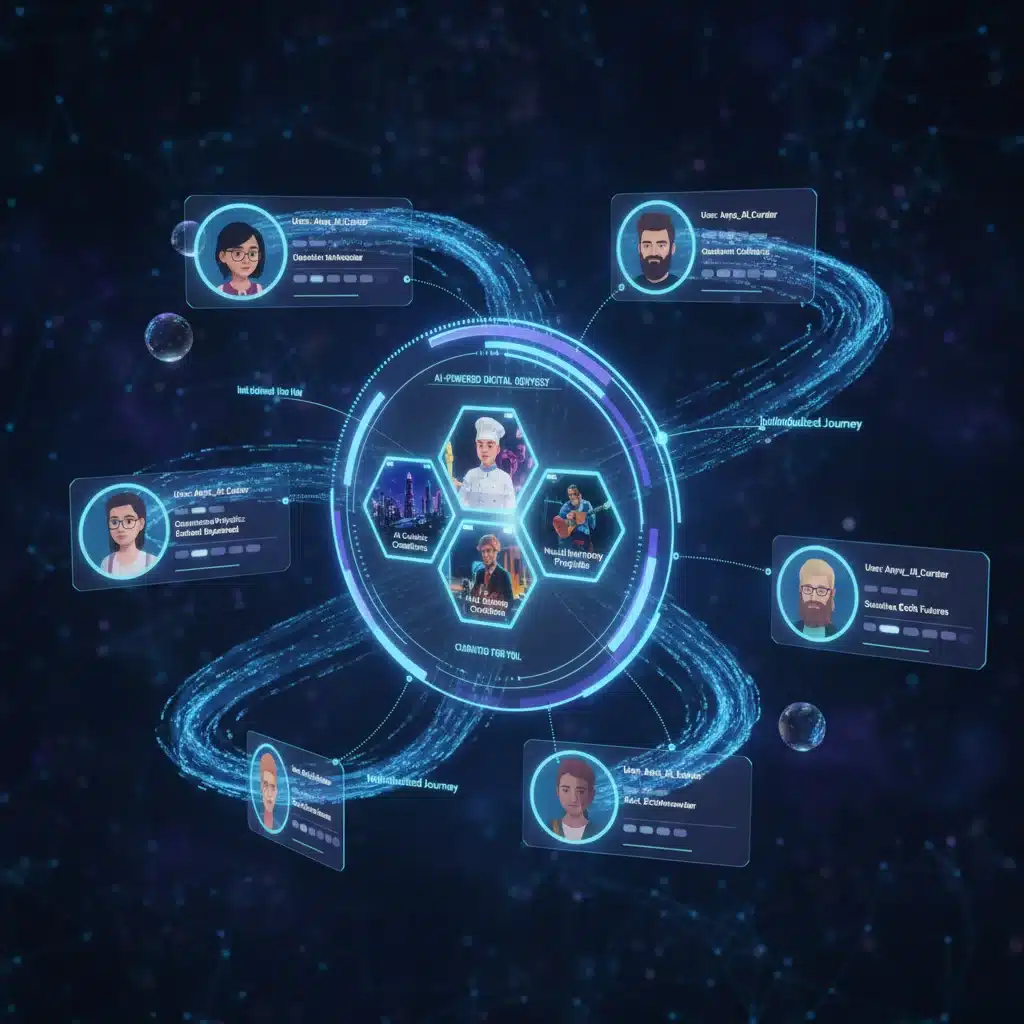
In the rapidly evolving digital landscape, the phrase “one size fits all” is not just outdated; it’s detrimental. Consumers today expect, and indeed demand, experiences that are uniquely tailored to their preferences, behaviors, and needs. This isn’t just a trend; it’s the new standard, and the engine driving this revolution is AI-powered personalization. By mid-2026, businesses that fail to integrate sophisticated AI Personalization Strategies will find themselves lagging significantly behind competitors. This comprehensive guide will delve into three insider strategies to not only meet but exceed these expectations, ensuring your digital experience is not just personalized, but truly curated.
The promise of AI Personalization Strategies extends far beyond simply recommending products. It encompasses every digital touchpoint, from the moment a user lands on your website or app, through their browsing journey, engagement with content, and post-purchase interactions. It’s about creating a seamless, intuitive, and deeply relevant experience that resonates with each individual, fostering loyalty and driving conversions. The stakes are high, and the rewards for mastering these strategies are immense.
We’re not talking about rudimentary personalization based on basic demographics. We’re talking about dynamic, real-time adaptation powered by machine learning algorithms that understand nuances, predict future behaviors, and even anticipate unspoken needs. This level of sophistication is what sets apart the leaders from the laggards in the digital economy. Let’s explore how you can harness these powerful AI Personalization Strategies to curate an unparalleled digital experience.
The Paradigm Shift: Why AI Personalization is No Longer Optional
For years, marketers have strived for personalization, often relying on segmentation and rule-based systems. While these methods offered some level of customization, they lacked the agility and depth required to truly connect with individual users. The sheer volume of data generated by modern digital interactions, coupled with the complexity of human behavior, quickly overwhelmed traditional approaches. This is where AI Personalization Strategies step in.
Artificial intelligence, with its ability to process vast datasets, identify intricate patterns, and learn from every interaction, has transformed the personalization landscape. It moves beyond simple ‘if-then’ statements to predictive analytics, enabling businesses to anticipate user needs before they are explicitly stated. This proactive approach is a game-changer, allowing for truly predictive and adaptive experiences. Imagine a website that not only remembers your past purchases but also understands your current mood, your browsing context, and even your potential future interests, all in real-time. This is the power of advanced AI Personalization Strategies.
The benefits are manifold: increased engagement, higher conversion rates, improved customer satisfaction, and ultimately, stronger brand loyalty. In a crowded marketplace where consumers are bombarded with choices, a personalized experience acts as a powerful differentiator. It makes users feel understood, valued, and connected to your brand. By mid-2026, the absence of robust AI Personalization Strategies will be a glaring weakness, akin to not having a mobile-responsive website today.
Furthermore, the ethical considerations surrounding data privacy and responsible AI use are becoming increasingly prominent. Successful AI Personalization Strategies must not only be effective but also transparent and respectful of user data. Building trust is paramount, and this involves clearly communicating how data is used to enhance the user experience, giving users control over their information, and ensuring data security. The balance between hyper-personalization and privacy is a delicate one, and mastering it is crucial for long-term success.
The competitive advantage gained from sophisticated AI Personalization Strategies is not just about staying relevant; it’s about leading the market. Businesses that embrace these strategies early will gain invaluable insights into their customer base, allowing them to innovate faster, optimize their offerings, and build deeper, more meaningful relationships. The time to invest in these capabilities is now, preparing for the digital landscape of mid-2026 and beyond.
Strategy 1: Hyper-Contextual Content Delivery (The Predictive Powerhouse)
The first insider strategy revolves around hyper-contextual content delivery, a sophisticated application of AI Personalization Strategies that moves beyond simple recommendations. This strategy leverages machine learning to understand the dynamic context of a user’s interaction – not just who they are, but where they are, what device they’re using, their current intent, and even external factors like local weather or trending news. The goal is to deliver content that is not only relevant to their profile but perfectly aligned with their immediate context.
Understanding the ‘Why’ Behind Hyper-Contextual Content
Traditional personalization often relies on static user profiles or past behavior. While valuable, these don’t capture the fluidity of human needs. A user searching for winter coats in summer might be planning a trip, not preparing for the local season. A business traveler might need different content on a Monday morning than on a Friday evening. Hyper-contextual delivery, a core component of effective AI Personalization Strategies, uses real-time data streams to adapt. This includes:
- Geographic Data: Tailoring offers based on location, e.g., showing in-store promotions for nearby branches.
- Device Type: Optimizing content format and calls-to-action for mobile, desktop, or tablet.
- Time of Day/Week: Presenting different content during work hours versus leisure time.
- Current Search Intent: Discerned from keywords, recent browsing, and session duration.
- External Factors: Integrating weather data (e.g., promoting umbrellas on a rainy day) or local events.
By understanding these subtle cues, businesses can deliver content that feels incredibly intuitive and helpful, rather than merely targeted. This level of precision significantly enhances the user experience and drives engagement, making it a cornerstone of advanced AI Personalization Strategies.
Implementing Hyper-Contextual Delivery with AI
To execute this strategy effectively, you need a robust AI infrastructure capable of real-time data ingestion and processing. Here’s how:
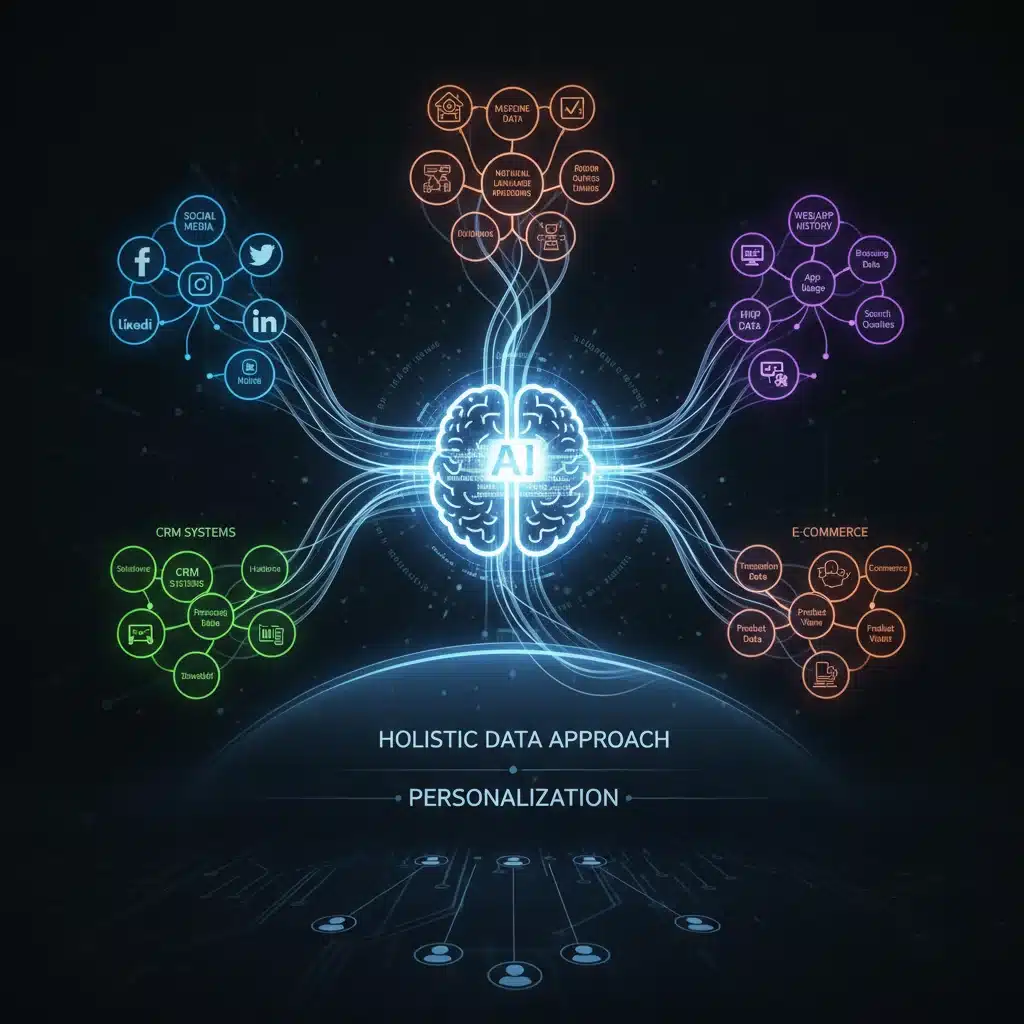
- Unified Data Profile: Consolidate all available user data – behavioral, demographic, transactional, and contextual – into a single, dynamic profile. This provides a 360-degree view that AI models can leverage.
- Advanced Machine Learning Models: Deploy models that can analyze multi-modal data streams to identify complex patterns and predict intent. Reinforcement learning can be particularly powerful here, as it allows the system to continuously learn and adapt from user interactions.
- Real-time Content Orchestration: Develop a system that can dynamically select, assemble, and deliver content based on the AI’s real-time contextual understanding. This might involve generating personalized headlines, adjusting product listings, or even altering the entire page layout.
- A/B Testing and Optimization: Continuously test different personalization approaches and use AI to identify which content variations perform best under specific contexts. This iterative process is vital for refining your AI Personalization Strategies.
The challenge lies in managing the complexity of diverse data sources and ensuring the AI models are robust enough to handle the dynamic nature of contextual information. However, the payoff – truly bespoke and timely content – makes this one of the most impactful AI Personalization Strategies for mid-2026.
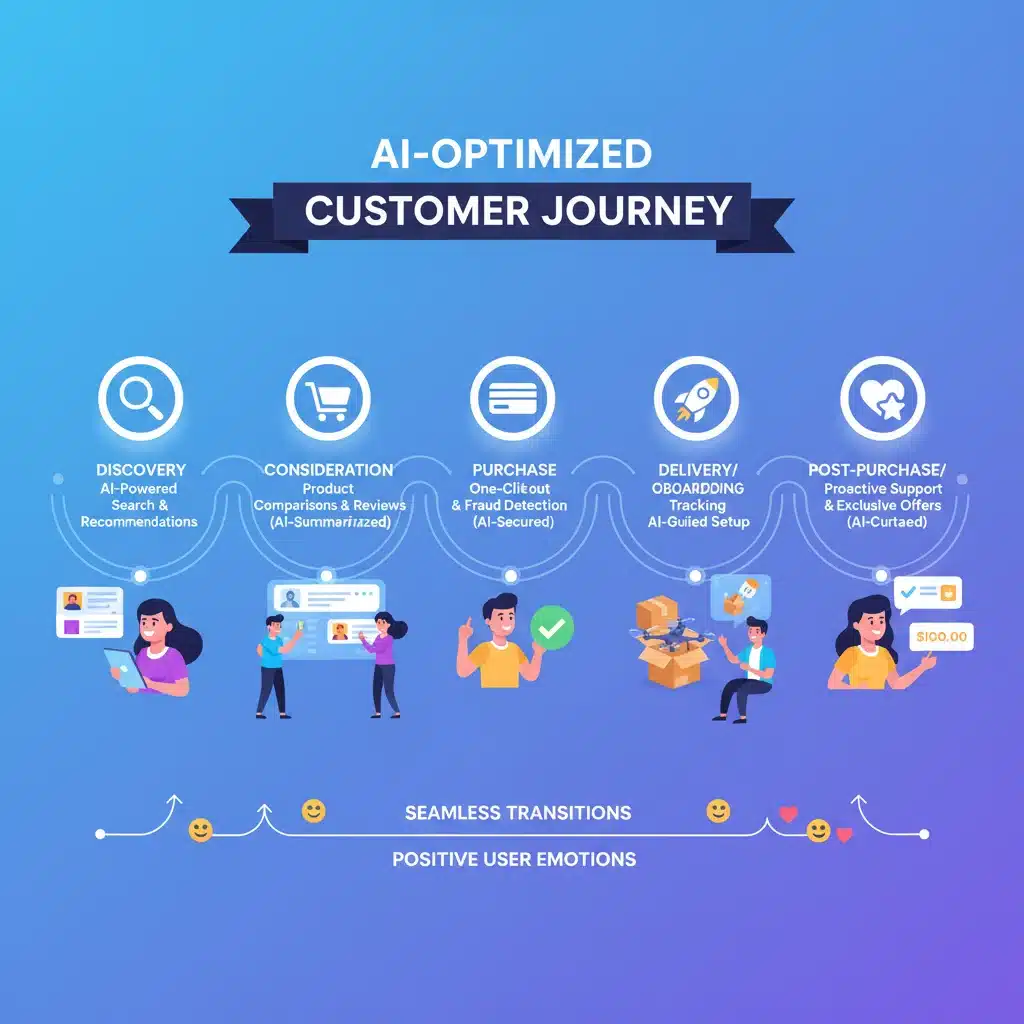
Strategy 2: Proactive Customer Journey Optimization (The Seamless Experience Architect)
The second insider strategy focuses on proactive customer journey optimization, transforming the user experience from a series of disjointed interactions into a fluid, intuitive, and highly personalized path. This goes beyond simply reacting to user actions; it involves using AI Personalization Strategies to anticipate their next move and guide them seamlessly towards their goals, whether that’s a purchase, information retrieval, or service resolution.
Mapping and Predicting the Customer Path with AI
Traditional customer journey mapping often involves static diagrams and assumptions. AI, however, brings these maps to life by dynamically analyzing millions of individual journeys, identifying common patterns, bottlenecks, and optimal pathways. It can predict:
- Next Best Action: What is the most likely next step a user will take, and what content or prompt will facilitate that?
- Churn Risk: Identifying users who are likely to disengage or abandon a cart, allowing for timely intervention.
- Upsell/Cross-sell Opportunities: Pinpointing moments when a user is most receptive to additional offerings.
- Preferred Communication Channels: Understanding whether a user prefers email, in-app notifications, or live chat for specific interactions.
By applying AI Personalization Strategies to journey optimization, businesses can pre-emptively remove friction points, offer relevant assistance, and present irresistible propositions at precisely the right moment. This ensures a smoother, more enjoyable experience, significantly boosting customer satisfaction and loyalty.
Building a Proactive Journey with AI Personalization Strategies
Implementing proactive journey optimization requires a deep understanding of user behavior and the ability to act on predictive insights. Key components include:
- Behavioral Analytics Platform: A robust platform to track every user interaction across all digital properties, forming the foundation of your AI Personalization Strategies.
- Predictive Modeling: Machine learning models trained on historical data to forecast user behavior. These models continuously learn and refine their predictions based on new data.
- Automated Trigger Systems: Systems that can automatically initiate personalized actions (e.g., sending a targeted email, displaying a pop-up offer, adjusting site navigation) based on AI predictions.
- Personalized Onboarding and Support: Using AI to tailor the onboarding process for new users and provide proactive support based on anticipated issues or common questions. This reduces frustration and improves initial engagement.
- Feedback Loops: Establishing mechanisms for collecting user feedback and integrating it back into the AI models, allowing for continuous improvement of the journey optimization.
The true power of this strategy lies in its ability to make the digital experience feel effortless and intuitive. By mid-2026, customers will expect brands to anticipate their needs and guide them efficiently. Businesses employing these AI Personalization Strategies will build a reputation for exceptional customer service and seamless digital interactions.
Strategy 3: AI-Driven Adaptive Interfaces (The Self-Optimizing Environment)
The third insider strategy focuses on AI-driven adaptive interfaces, taking AI Personalization Strategies to the next level by allowing the digital environment itself to self-optimize in real-time for each user. This isn’t just about personalizing content within a static layout; it’s about dynamically rearranging elements, modifying navigation, and even altering the entire user interface to best serve the individual’s current needs and preferences.
The Vision of a Self-Optimizing Digital Space
Imagine a website or app that literally changes its layout, navigation, and even visual style based on who is using it, their goals, and their historical interactions. This is the promise of AI-driven adaptive interfaces. This aspect of AI Personalization Strategies goes beyond simple A/B testing by continuously experimenting and learning what works best for different user segments and individuals. It involves:
- Dynamic Layout Adjustments: Moving call-to-action buttons, prioritizing certain information blocks, or hiding irrelevant sections.
- Personalized Navigation: Reordering menu items, suggesting relevant categories, or creating custom pathways based on user behavior.
- Adaptive Content Prioritization: Displaying the most relevant articles, products, or features prominently based on predicted interest.
- Aesthetic Customization: Potentially even adjusting color schemes or font sizes to improve readability or appeal for specific users.
The core idea is to reduce cognitive load and friction, making the interface feel inherently intuitive and efficient for every single user. This is a sophisticated application of AI Personalization Strategies that can significantly boost usability and conversion rates.
Implementing Adaptive Interfaces with AI
Bringing adaptive interfaces to life requires a robust technological stack and a willingness to embrace continuous experimentation. Key steps include:
- Modular UI/UX Design: Designing your digital properties with modular components that can be easily rearranged and swapped by an AI. This requires a flexible design system.
- Reinforcement Learning for UI Optimization: Employing reinforcement learning algorithms that can test different interface configurations, observe user responses (e.g., clicks, time on page, conversions), and learn which configurations lead to the best outcomes for specific user types. This is a continuous, automated optimization process.
- Real-time User Profiling: Maintaining an extremely detailed and real-time user profile that includes not just explicit preferences but also implicit behaviors and inferred needs.
- Contextual Rendering Engine: A powerful engine that can rapidly render different UI configurations based on the AI’s recommendations and the real-time user context.
- Human Oversight and Governance: While AI automates much of the optimization, human oversight is crucial to ensure ethical considerations, brand consistency, and to intervene if AI makes suboptimal choices.
This strategy of AI Personalization Strategies represents a significant leap forward in creating truly dynamic and user-centric digital experiences. By mid-2026, early adopters of AI-driven adaptive interfaces will redefine user expectations, setting a new benchmark for digital engagement.
The Foundation: Data Integrity and Ethical AI in Personalization
While these three AI Personalization Strategies offer immense potential, their success hinges on two critical foundational pillars: data integrity and ethical AI deployment. Without clean, reliable, and comprehensive data, even the most sophisticated AI models will produce flawed results. Garbage in, garbage out, as the saying goes. Investing in robust data collection, cleaning, and integration processes is not merely a technical task; it’s a strategic imperative for any business serious about AI Personalization Strategies.
This means establishing clear data governance policies, ensuring data accuracy across all platforms, and breaking down data silos within your organization. A unified view of the customer, drawing from CRM systems, website analytics, social media interactions, purchase history, and customer service records, provides the rich tapestry of information that AI needs to weave truly personalized experiences. The more complete and accurate your data, the more intelligent and effective your AI Personalization Strategies will be.
Equally important is the ethical dimension of AI. As AI Personalization Strategies become more sophisticated, so too do the responsibilities of businesses deploying them. Transparency is key: users should understand how their data is being used to personalize their experience. Providing clear opt-out options and allowing users to manage their preferences builds trust and respects individual autonomy. Furthermore, guarding against algorithmic bias is crucial. AI models can inadvertently perpetuate and even amplify existing biases present in the training data, leading to unfair or discriminatory outcomes. Regular audits, diverse training datasets, and a commitment to fairness in AI development are non-negotiable for responsible AI Personalization Strategies.
By mid-2026, regulatory frameworks around data privacy and AI ethics are likely to be more stringent. Proactive adherence to best practices, beyond mere compliance, will not only mitigate risks but also enhance brand reputation. Consumers are increasingly discerning about how their data is handled, and brands that demonstrate a strong commitment to ethical AI will differentiate themselves and build deeper, more meaningful relationships with their audience. These foundational elements are not add-ons; they are integral to the long-term success and sustainability of any AI Personalization Strategies.
Measuring Success and Iterating Your AI Personalization Strategies
Implementing sophisticated AI Personalization Strategies is an ongoing journey, not a one-time project. To truly excel by mid-2026, businesses must establish robust mechanisms for measuring the impact of their personalization efforts and continuously iterating based on insights. Key performance indicators (KPIs) need to go beyond traditional metrics to capture the nuances of personalized experiences.
Key Metrics for AI-Powered Personalization
- Engagement Rate: Track metrics like time on site, pages per session, and interaction rates with personalized content. Are users spending more time and interacting more deeply with your digital properties?
- Conversion Rate: Measure the direct impact on sales, lead generation, or other desired actions. Are personalized recommendations leading to higher conversion rates compared to generic content?
- Customer Lifetime Value (CLTV): Assess how personalization affects long-term customer loyalty and spending. Do personalized experiences result in higher repeat purchases and greater overall value over time?
- Churn Rate Reduction: For subscription services or platforms, monitor whether personalized interventions reduce customer attrition.
- Customer Satisfaction (CSAT) & Net Promoter Score (NPS): Directly survey users to gauge their satisfaction with personalized experiences. Are they more likely to recommend your brand due to the tailored interactions?
- Personalization ROI: Quantify the return on investment for your AI Personalization Strategies by comparing the costs of implementation and maintenance against the gains in revenue and customer loyalty.
The Iterative Loop: Learn, Adapt, Optimize
The beauty of AI Personalization Strategies lies in their ability to learn and improve over time. Establish a continuous feedback loop:
- Analyze Performance Data: Regularly review the KPIs mentioned above, identifying areas where personalization is excelling and where it’s falling short.
- Gather User Feedback: Beyond quantitative data, qualitative insights from user surveys, usability tests, and customer support interactions are invaluable.
- Refine AI Models: Use new data and feedback to retrain and optimize your machine learning models. This could involve adjusting algorithms, adding new features, or improving data inputs.
- Experiment and Test: Continuously run A/B tests or multivariate tests on personalized elements. AI can help automate this process, quickly identifying optimal solutions.
- Stay Abreast of Technology: The AI landscape is constantly evolving. Regularly evaluate new tools, algorithms, and techniques that could enhance your AI Personalization Strategies.
This iterative approach ensures that your AI Personalization Strategies remain cutting-edge and continue to deliver increasing value. By mid-2026, businesses that embed this culture of continuous optimization will be far ahead in curating truly exceptional digital experiences.
Conclusion: The Future is Personal with AI Personalization Strategies
The digital world is rapidly converging towards a future where every interaction is uniquely tailored, intuitive, and deeply meaningful. The three insider AI Personalization Strategies – Hyper-Contextual Content Delivery, Proactive Customer Journey Optimization, and AI-Driven Adaptive Interfaces – are not merely enhancements; they are fundamental shifts in how businesses will engage with their audiences by mid-2026.
These strategies, when built upon a bedrock of data integrity and ethical AI practices, offer an unparalleled opportunity to differentiate your brand, foster unwavering customer loyalty, and drive significant business growth. The era of generic digital experiences is drawing to a close. Consumers have tasted the power of personalization, and their expectations will only continue to rise. Businesses that embrace and master these AI Personalization Strategies will not just survive but thrive in the competitive landscape of tomorrow.
The journey to fully realize the potential of AI-powered personalization is complex, requiring investment in technology, talent, and a strategic mindset. However, the rewards – deeply engaged customers, optimized conversion funnels, and a future-proof digital presence – are well worth the effort. Start planning and implementing these insider AI Personalization Strategies today to curate an exceptional digital experience that truly resonates with every individual user.