US Entertainment 2026: Cultural Preferences Shaping Streaming & Gaming
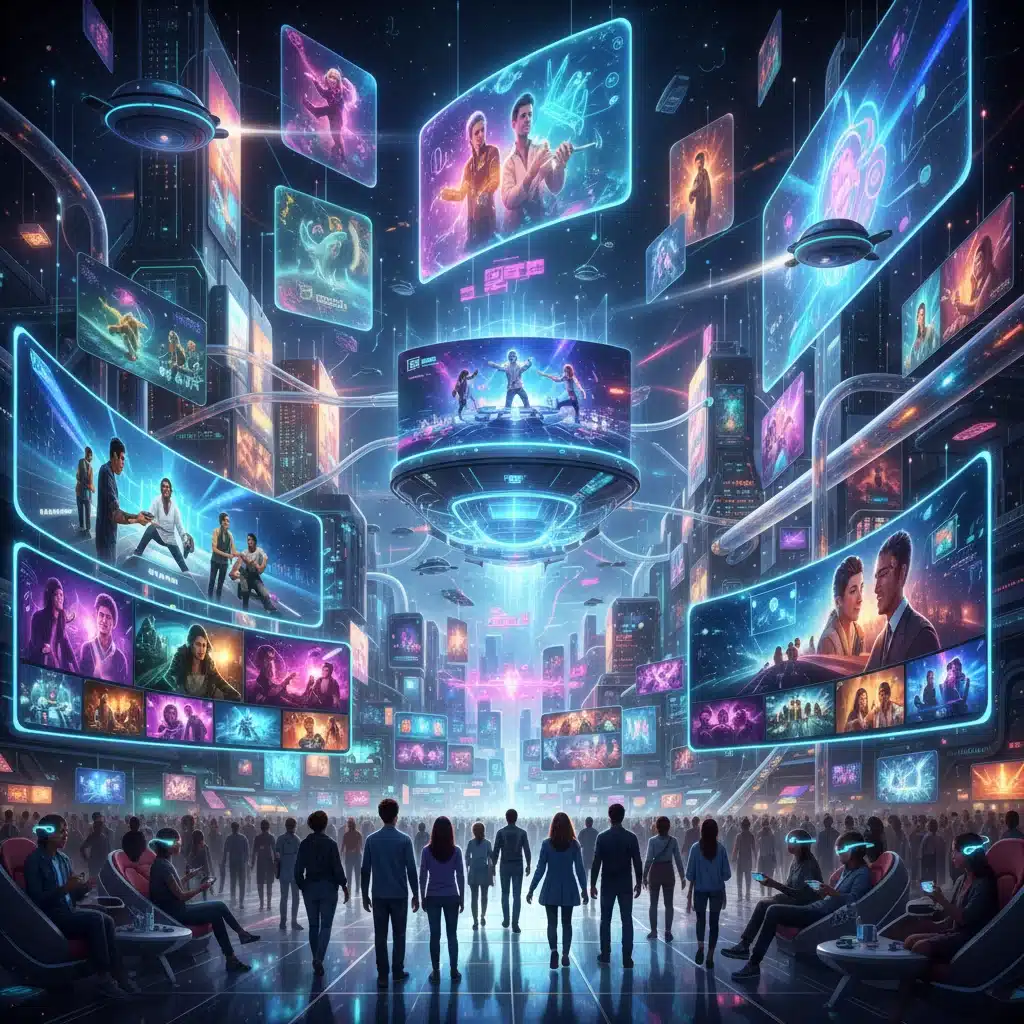
The Shifting Landscape of US Entertainment: 4 Cultural Preferences Driving Streaming and Gaming in 2026
The United States entertainment industry is a dynamic behemoth, constantly evolving to meet the ever-changing desires of its vast and diverse audience. As we look towards 2026, the currents of cultural preference are already dictating significant shifts in how Americans consume media, particularly within the booming sectors of streaming and gaming. Understanding these underlying cultural drivers is not merely an academic exercise; it’s a critical imperative for content creators, platform providers, and investors alike. The future of entertainment is being shaped not just by technological advancements, but by the deeply ingrained habits, values, and expectations of the US populace.
In an era of unprecedented choice and accessibility, consumers are more empowered than ever to curate their entertainment experiences. This power dynamic has led to the emergence of distinct cultural preferences that are now acting as powerful gravitational forces, pulling the industry in new directions. From the insatiable demand for personalized content to the yearning for authentic community, these preferences are rewriting the rules of engagement. This article delves into four pivotal cultural preferences that are poised to dominate the US entertainment landscape by 2026, exploring their impact on streaming services and gaming platforms, and offering insights into what the future holds for this exciting industry.
1. The Ascendancy of Hyper-Personalization and Curated Experiences
One of the most profound cultural shifts influencing US entertainment trends in 2026 is the expectation of hyper-personalization. Consumers no longer want a one-size-fits-all approach; they demand content and experiences tailored specifically to their individual tastes, moods, and even their current context. This preference stems from years of interacting with algorithms on social media and e-commerce sites, which have accustomed users to highly relevant suggestions and custom feeds. In the entertainment sphere, this translates into a powerful drive for curated experiences.
Streaming’s Personalized Evolution
For streaming services, hyper-personalization goes far beyond simple genre recommendations. By 2026, platforms are leveraging advanced AI and machine learning to understand not just what users watch, but how they watch it. This includes factors like viewing times, completion rates, re-watches, pauses, fast-forwards, and even emotional responses inferred from interaction patterns. The goal is to create a viewing journey that feels uniquely crafted for each individual. This means:
- Dynamic Content Interfaces: Home screens will be even more fluid, adapting not just to past viewing history but also to time of day, location, and even external events (e.g., suggesting comfort shows during stressful news cycles).
- Micro-Genre Specialization: Beyond broad categories, algorithms will identify and recommend extremely niche content that resonates with specific user profiles, fostering a sense of discovery and belonging within smaller communities of interest.
- Interactive Storytelling & Adaptive Narratives: While still nascent, the integration of choice-driven narratives and adaptive storytelling elements will become more sophisticated, allowing viewers to influence plot points or character arcs, making the viewing experience truly their own.
- Personalized Advertising: Ads, when present, will be seamlessly integrated and highly relevant, potentially even offering interactive elements or exclusive deals based on viewing habits and expressed interests.
The success of platforms in 2026 will hinge on their ability to predict desires and deliver content before the user even explicitly searches for it, creating an almost telepathic connection with their audience. This deep understanding of individual preferences is a cornerstone of the evolving US entertainment trends.
Gaming’s Tailored Adventures
Gaming, inherently more interactive, has a unique advantage in leveraging hyper-personalization. By 2026, this will manifest in several exciting ways:
- Adaptive Difficulty & AI Companions: Games will dynamically adjust difficulty based on player skill and preferences, ensuring a challenging yet enjoyable experience for everyone. AI-powered companions and NPCs (Non-Player Characters) will learn player behavior, offering more relevant dialogue, assistance, or even opposition.
- Procedural Content Generation with Personal Flair: While procedural generation has existed, it will be refined to incorporate player data, creating environments, quests, or items that align with a player’s preferred playstyle, aesthetic, or narrative interests.
- User-Generated Content (UGC) Integration & Curation: Platforms will provide more robust tools for players to create and share their own content, from custom levels to entire game modes. AI-driven curation will help players discover UGC that aligns with their specific tastes, fostering vibrant, personalized communities.
- Cross-Platform Profile Syncing: Player profiles will seamlessly carry across different games and platforms, ensuring that preferences, achievements, and even cosmetic choices are consistently recognized and applied, enhancing the feeling of a continuous, personalized gaming identity.
The drive for hyper-personalization isn’t just about convenience; it’s about creating a deeper, more meaningful connection between the consumer and their entertainment. It’s about making every interaction feel bespoke, a crucial element in the US entertainment trends of the mid-2020s.
2. The Rise of Interactive & Immersive Experiences
Beyond passive consumption, another dominant cultural preference driving US entertainment trends towards 2026 is the desire for interactive and immersive experiences. Consumers are no longer content to merely watch; they want to participate, influence, and be fully enveloped by the content. This shift is blurring the lines between observer and participant, spectator and player.
Streaming’s Interactive Horizon
While traditional linear storytelling remains popular, streaming services are increasingly experimenting with interactive formats:
- Choose-Your-Own-Adventure Narratives: Building on early successes, these formats will become more sophisticated, offering branching storylines, multiple endings, and real consequences for choices, making each viewing unique.
- Live Interactive Events: Concerts, sports, and talk shows will incorporate real-time audience participation, from voting on outcomes to submitting questions or even appearing virtually on screen.
- Second-Screen Integration: Enhanced companion apps will allow viewers to access supplementary content, participate in quizzes, chat with other viewers, or unlock exclusive in-show features, deepening engagement.
- Augmented Reality (AR) Overlays: As AR technology becomes more ubiquitous, streaming content could offer AR overlays that bring elements of the show into the viewer’s physical environment, creating a truly mixed-reality experience. Imagine a character from a show appearing in your living room.
The goal is to transform viewing from a solitary activity into a dynamic, engaging experience, fostering a sense of agency and connection among the audience. This push for interactivity is a defining characteristic of US entertainment trends.
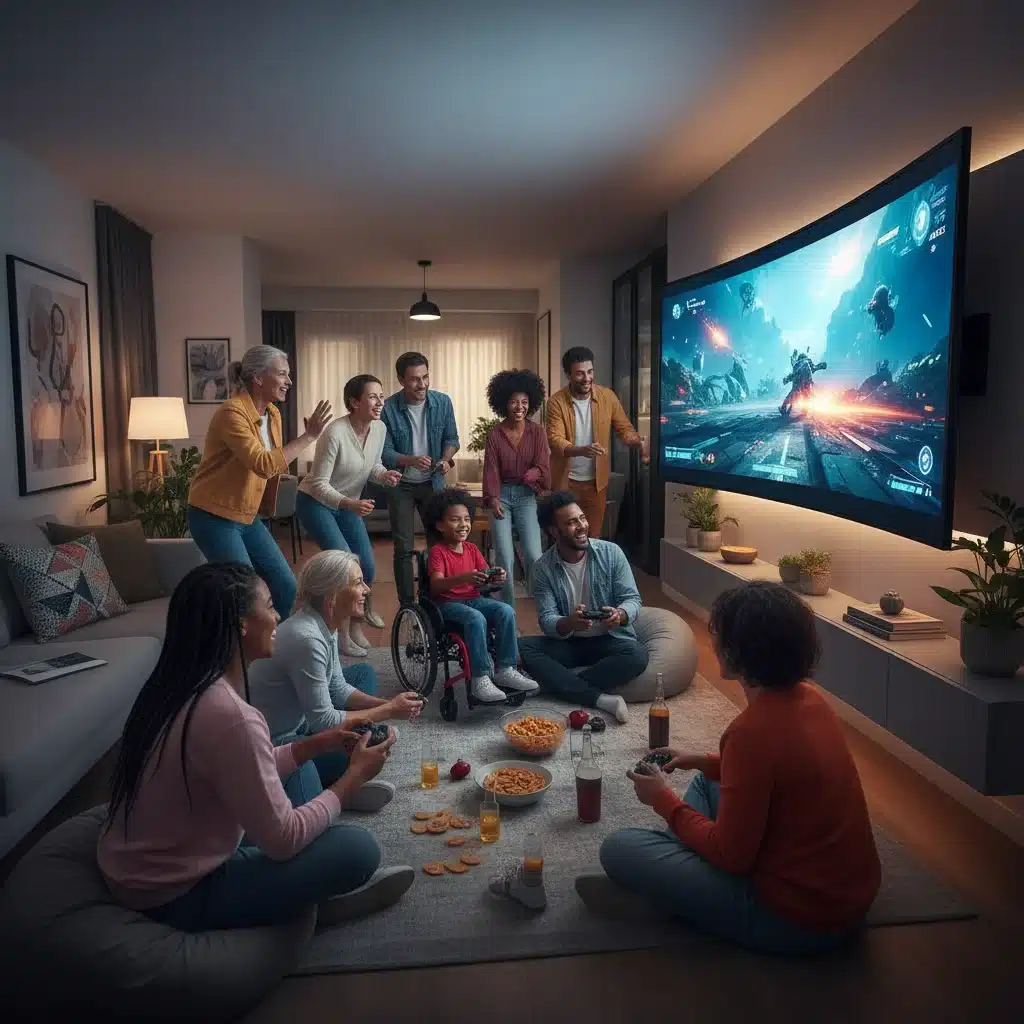
Gaming’s Immersive Leap
Gaming has always been interactive, but 2026 will see an unprecedented push towards immersion, driven by advancements in technology and evolving player expectations:
- Virtual Reality (VR) & Augmented Reality (AR) Mainstream Adoption: While still niche, VR and AR will see significant growth, offering truly immersive experiences that transport players to fantastical worlds or blend digital elements with reality. More accessible hardware and compelling content will drive this adoption.
- Haptic Feedback & Sensory Integration: Beyond controllers, haptic suits and advanced peripherals will provide tactile feedback, allowing players to feel impacts, textures, and environmental sensations, greatly enhancing immersion.
- Spatial Audio Excellence: Highly advanced spatial audio systems will create realistic soundscapes, making players feel truly present within game environments, able to pinpoint sounds from any direction.
- Persistent Worlds & Metaverse Integration: The concept of persistent, evolving virtual worlds where players can socialize, create, and engage in diverse activities will gain traction, blurring the lines between gaming and digital life. These metaverses will offer deep, ongoing immersion.
For gaming, immersion is not just about graphics; it’s about tricking the senses into believing the virtual world is real, fostering a profound sense of presence and connection. This pursuit of deep immersion is a major force behind US entertainment trends.
3. The Power of Community & Social Connection
Despite the highly individualized nature of some entertainment, a strong cultural preference for community and social connection remains paramount. In an increasingly digital world, people seek shared experiences and opportunities to connect with like-minded individuals. Entertainment platforms that successfully foster these connections will thrive by 2026.
Streaming’s Social Evolution
Streaming services are recognizing that viewing doesn’t have to be a solitary act:
- Watch Parties & Co-Viewing Features: Integrated features allowing friends and family to watch content together remotely, with synchronized playback and live chat, will become standard.
- Creator & Fan Interaction: Platforms will facilitate more direct interaction between content creators (actors, directors, showrunners) and their audience through Q&A sessions, live chats during premieres, and exclusive behind-the-scenes content that invites fan participation.
- Curated Fan Communities: Beyond generic forums, streaming services might host official, moderated communities centered around specific shows or genres, offering exclusive content, fan art showcases, and opportunities for deeper engagement.
- Social Discovery: Recommendations from trusted friends and influencers will carry more weight than algorithmic suggestions alone. Platforms will integrate social sharing and discovery more seamlessly.
The goal is to transform passive consumption into a shared cultural experience, leveraging the innate human desire for belonging and collective enjoyment. This focus on community is a vital component of the evolving US entertainment trends.
Gaming’s Enduring Social Core
Gaming has always had a strong social component, but by 2026, this will be amplified and diversified:
- Enhanced Multiplayer & Collaborative Experiences: Beyond competitive play, cooperative gaming and collaborative creative modes will see significant growth, allowing players to build, explore, and achieve goals together.
- Integrated Communication Tools: Voice chat, text chat, and even in-game video communication will be seamlessly integrated and highly customizable, allowing players to connect effortlessly with friends and form new relationships.
- Esports & Spectator Engagement: The growth of esports will continue, with more interactive spectator experiences, allowing viewers to influence matches, vote on players, or even participate in mini-games during broadcasts.
- Metaverse Social Hubs: Virtual worlds will serve as social hubs where players can meet, attend virtual events (concerts, art shows), and simply hang out, transcending the traditional boundaries of gameplay.
- Cross-Platform Play & Community: The removal of barriers between different gaming platforms will further strengthen communities, allowing friends to play together regardless of their chosen hardware.
Gaming’s ability to create powerful, enduring communities is one of its greatest strengths, and this cultural preference will only grow stronger, solidifying its place in US entertainment trends.
4. The Demand for Authenticity & Inclusivity
In an increasingly discerning market, authenticity and inclusivity are no longer optional but essential cultural preferences driving US entertainment trends. Consumers, particularly younger demographics, are acutely aware of representation and demand content that reflects the true diversity of the world, offering genuine narratives and perspectives.
Streaming’s Authentic Voice
Streaming platforms are responding to this demand by:
- Diverse Storytelling & Representation: A concerted effort to commission and promote content that features diverse casts, crews, and narratives, reflecting a wider range of cultures, identities, and experiences. This moves beyond tokenism to genuine, nuanced portrayal.
- Support for Independent & Niche Creators: Providing platforms and resources for independent filmmakers and creators from underrepresented backgrounds to tell their stories, fostering a wider array of authentic voices.
- Transparent Content Creation: Audiences are interested in the ‘making of’ stories, seeking authenticity in the production process itself. Documentaries and behind-the-scenes content that highlight diverse teams and ethical production practices resonate deeply.
- Localized Content with Global Appeal: Investing in original content from various regions within the US and globally, ensuring that unique cultural nuances are preserved while still having broad appeal.
Authenticity means more than just ticking boxes; it means a genuine commitment to reflecting the rich tapestry of human experience, which is a key driver for US entertainment trends.
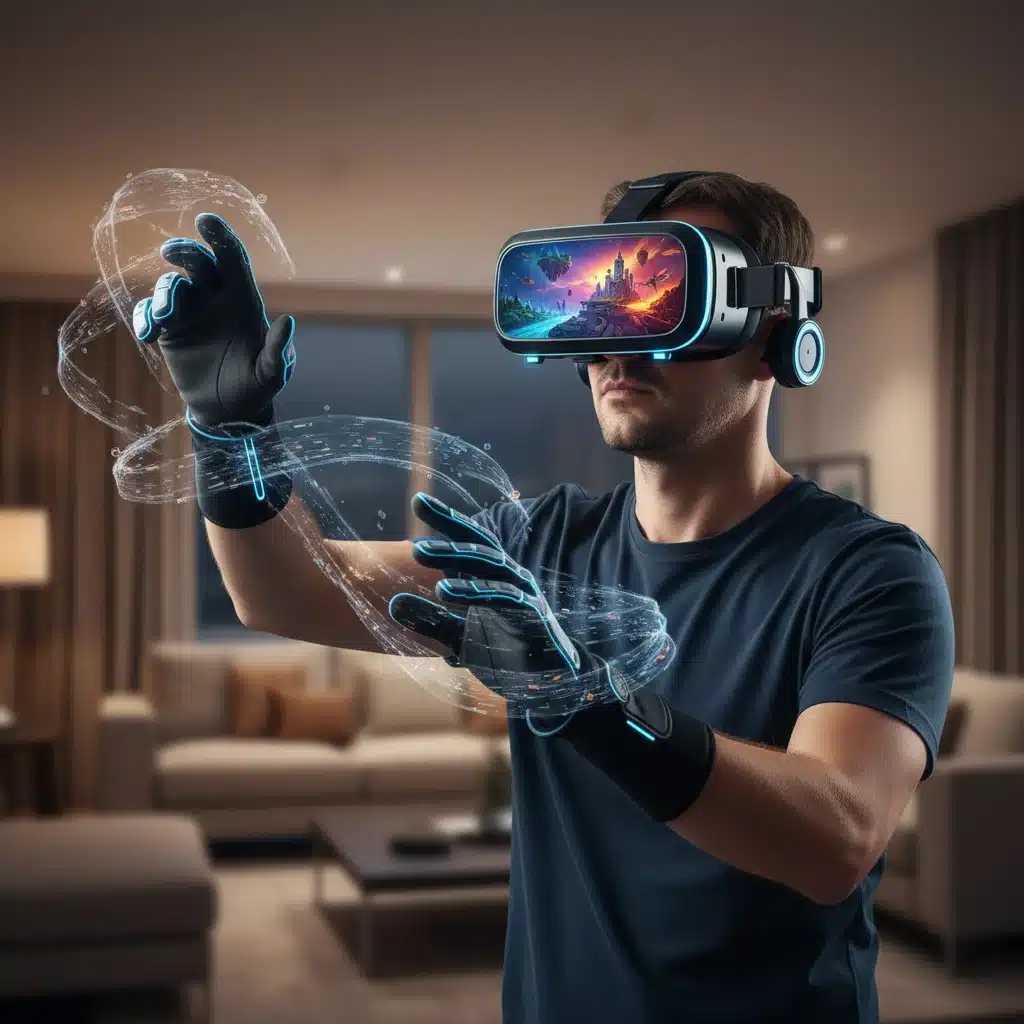
Gaming’s Inclusive Worlds
Gaming has made strides in inclusivity, and by 2026, this will be even more pronounced:
- Diverse Character Creation & Representation: Games will offer more robust character customization options, allowing players to create avatars that truly represent them. Playable characters and NPCs will reflect a broader spectrum of ethnicities, genders, body types, and abilities.
- Accessible Game Design: Developers will prioritize accessibility features from the outset, ensuring games are enjoyable for players with various disabilities, including customizable controls, colorblind modes, and cognitive accessibility options.
- Authentic Narrative Development: Storylines will increasingly tackle complex social issues with sensitivity and nuance, avoiding stereotypes and promoting understanding. Collaboration with cultural consultants will become standard practice.
- Inclusive Community Moderation: Gaming platforms will invest heavily in robust moderation tools and policies to combat toxicity, harassment, and discrimination, ensuring that online spaces are welcoming and safe for all players.
- Diverse Development Teams: Recognizing that authentic content comes from diverse perspectives, studios will prioritize building inclusive development teams, fostering environments where varied voices can contribute to game creation.
The demand for authenticity and inclusivity is about creating entertainment that truly resonates with a broad audience, making everyone feel seen, heard, and valued. This is a non-negotiable aspect of future US entertainment trends.
The Interplay and Future Outlook for US Entertainment Trends
These four cultural preferences – hyper-personalization, interactivity and immersion, community and social connection, and authenticity and inclusivity – do not exist in isolation. Instead, they are deeply interconnected, often reinforcing and influencing one another. For example, a hyper-personalized streaming experience might recommend content that fosters a niche community, or an immersive game might offer accessible features that promote inclusivity within its social spaces.
By 2026, the successful entertainment companies in the US will be those that can masterfully weave these preferences into their core offerings. This means a continuous cycle of innovation, data analysis, and genuine engagement with their audience. The industry will move further away from a broadcast model towards a highly individualized, participatory, and community-driven ecosystem.
Technological advancements, such as further developments in AI, cloud computing, 5G networks, and advanced display technologies, will serve as enablers for these cultural preferences. AI will power more sophisticated personalization algorithms and adaptive game mechanics. Cloud streaming will make high-fidelity gaming and interactive content accessible to a broader audience. 5G will facilitate seamless, real-time interactive experiences and social connections, while advanced displays (including VR/AR headsets) will enhance immersion.
The competition for consumer attention and loyalty will intensify. Platforms that fail to adapt to these evolving US entertainment trends risk becoming obsolete. Content will need to be not just entertaining, but also relevant, engaging, and reflective of the diverse values of its audience. The lines between different forms of entertainment will continue to blur, with gaming incorporating more narrative depth and cinematic quality, and streaming adopting more interactive and experiential elements.
Ultimately, the future of US entertainment in 2026 will be defined by an industry that is acutely sensitive to the human desire for unique, meaningful, and shared experiences. It’s an exciting time of transformation, promising a richer, more diverse, and deeply engaging landscape for consumers across the nation.
Conclusion
The US entertainment landscape is undergoing a profound transformation, driven by fundamental shifts in consumer cultural preferences. By 2026, the industry will be characterized by an overwhelming demand for hyper-personalized content, deeply interactive and immersive experiences, robust community and social connection, and an unwavering commitment to authenticity and inclusivity.
Streaming services and gaming platforms that proactively embrace and integrate these four pillars into their strategies will be best positioned for success. This requires not just technological prowess but also a deep understanding of human psychology and cultural dynamics. The era of passive, one-way entertainment is rapidly receding, making way for a future where every consumer is an active participant, co-creator, and valued member of a diverse and interconnected entertainment ecosystem. Keeping an eye on these US entertainment trends will be crucial for anyone operating within this vibrant sector.